
Roof Air Vents That Save You Thousands in 2025
Roof Air Vents That Transform Your Home’s Performance in 2025
Roof air vents are essential components that regulate temperature and moisture in your attic while protecting your home’s structural integrity. These ventilation systems allow hot, moist air to escape from your attic space while bringing in fresh air from outside, creating a continuous airflow that prevents damage and improves energy efficiency. Proper installation of roof air vents can extend your roof’s lifespan by years, reduce energy costs by up to 30%, and prevent costly moisture-related damage.
What Are Roof Air Vents?
Roof air vents are strategically placed openings in your roofing system designed to facilitate air circulation between your attic and the outside environment. These ventilation systems work by creating a balanced airflow pattern where cooler air enters through intake vents at the lowest points of your roof while warmer air exits through exhaust vents at higher elevations. The continuous exchange of air prevents heat buildup during summer months and moisture accumulation during winter, protecting both your roof structure and your home’s interior.
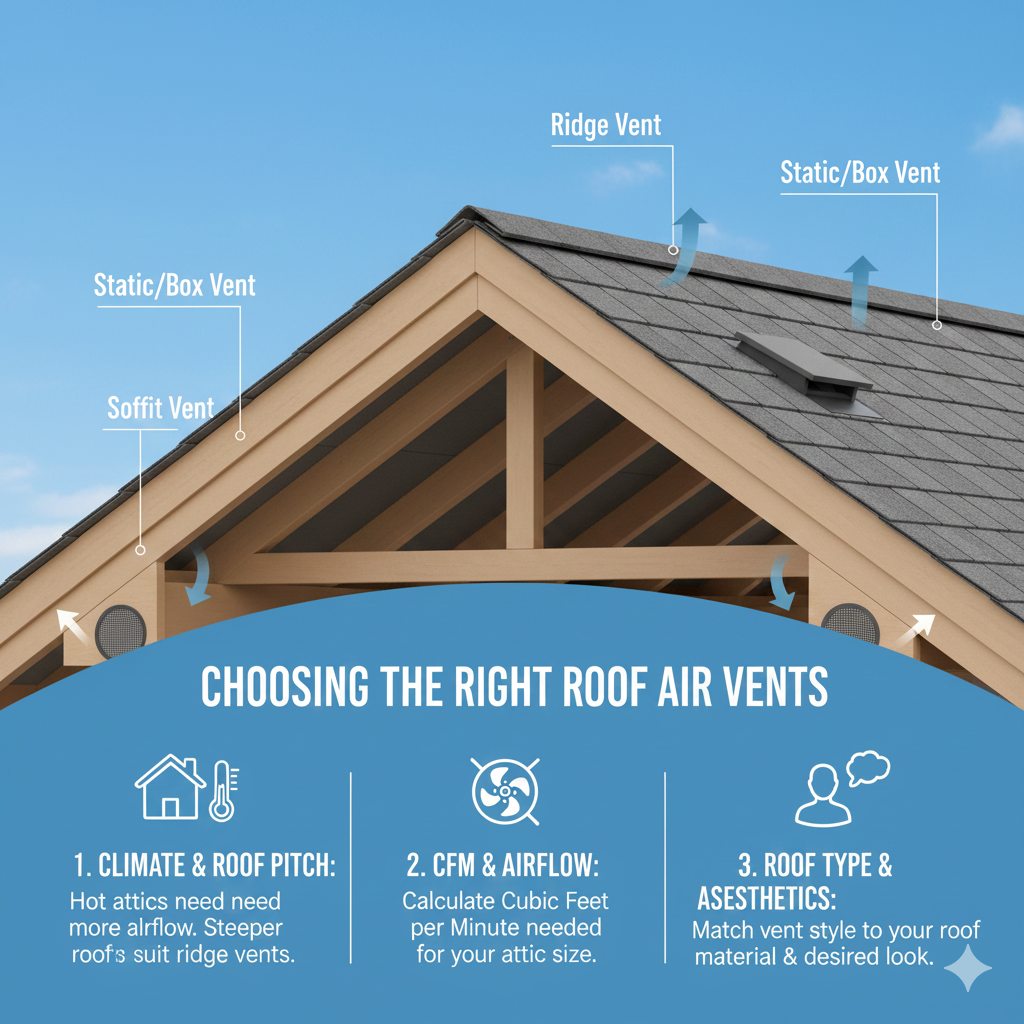
The science behind roof air vents relies on natural convection and pressure differences. Hot air naturally rises and escapes through exhaust vents while drawing cooler air in through soffit or intake vents below. This creates a self-sustaining ventilation cycle that operates continuously without requiring electricity in passive systems.
Types of Roof Air Vents
Ridge Vents
Ridge vents install along the peak of your roof and provide continuous ventilation across the entire ridgeline. These roof air vents release hot, moist air at the highest point and must pair with intake ventilation like soffit vents for proper airflow. Ridge vents offer a seamless appearance as they can be shingled over, making them aesthetically pleasing while maintaining functionality.
Box Vents
Box vents are square or rectangular roof air vents installed near the roof ridge and work well for roofs without long ridgelines. These static vents provide reliable exhaust ventilation without moving parts, making them low-maintenance and durable. Multiple box vents can be strategically placed across your roof to ensure adequate ventilation coverage.
Turbine Vents
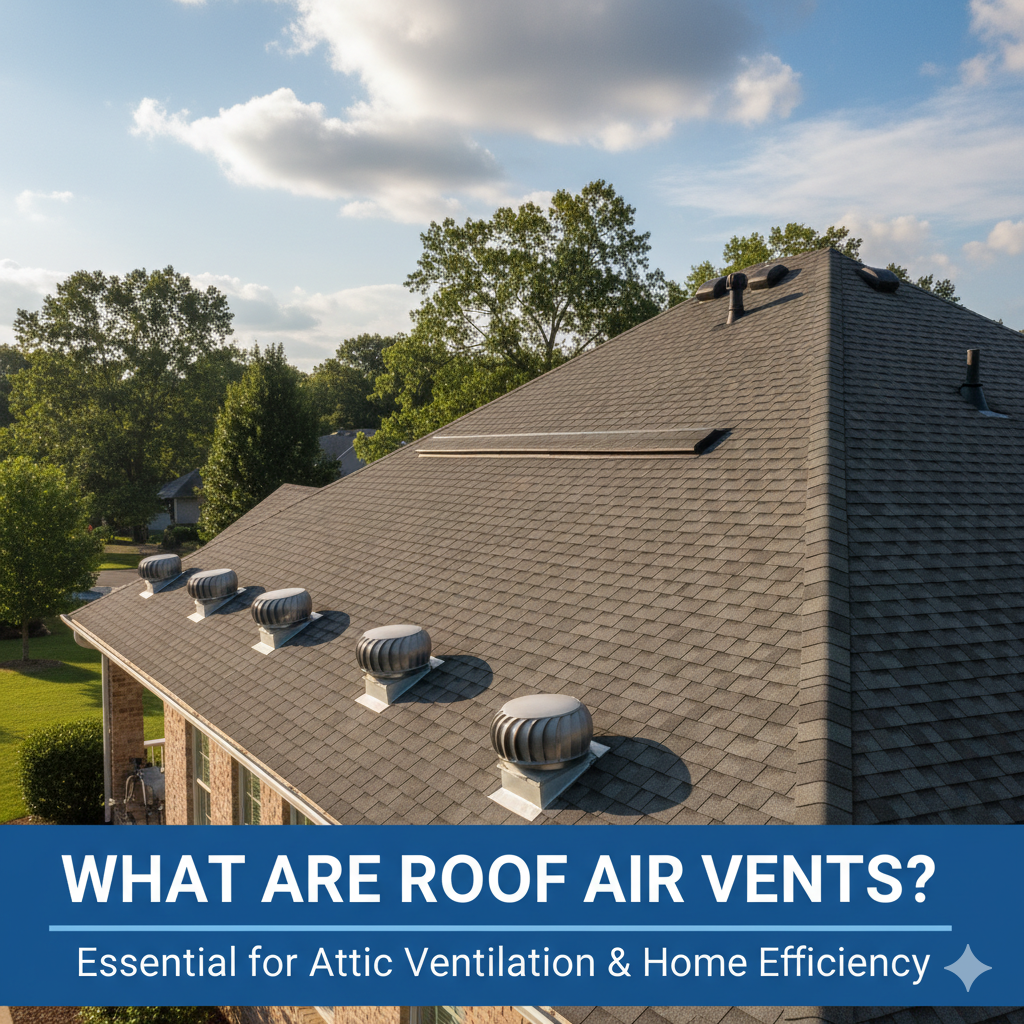
Wind-driven turbine vents use natural wind power to spin and actively pull hot air out of your attic. These roof air vents are most effective in areas where winds average 5 miles per hour or more and can significantly enhance air circulation. While highly efficient in breezy climates, turbine vents are the only passive vent type with moving parts, which may require occasional maintenance.
Power Attic Vents
Power attic vents operate using electricity or solar energy and automatically activate when attic temperatures rise. These active roof air vents use fans to force airflow and are ideal for large attics or homes in extremely hot climates. Solar-powered versions eliminate electricity costs while providing powerful ventilation throughout sunny days.
Soffit Vents
Soffit vents install under the eaves at the lowest part of your roof and serve as intake roof air vents. These vents draw in cool, fresh air from outside to support the exhaust vents higher on your roof. Proper soffit ventilation prevents moisture buildup, limits mold and mildew growth, and improves overall energy efficiency.
Air Vents for Roofs: Specialized Applications
Metal Roof Air Vents
Metal roof air vents require specialized installation techniques and mounting systems designed to work with metal roofing panels. Solar-powered ridge ventilation fans for metal roofs float on top of the metal sheeting and secure under the ridge vent cover. These systems feature patent-pending fan mounts that fit below the ridge vent opening and can be installed during initial roof construction or retrofitted to existing metal roofs.
Solar Roof Air Vents
Solar roof air vents harness the sun’s energy to power ventilation fans without increasing electricity bills. These systems operate from dawn until dusk and continue functioning as passive vents after sundown. The 25-year rated solar panels and 50,000-hour rated fans provide long-term, maintenance-free operation. Solar vents work whenever the sun shines without requiring thermostats or on-off switches.
Flat Roof Air Vents
Flat roof air vents feature unique designs specifically engineered for low-slope applications. These specialized roof air vents include weather-resistant flashing made of heavy spun aluminum and come with interior insulation sleeves to prevent condensation buildup on metal components. Solar-powered flat roof vents pull excess heat, moisture, and humidity out while promoting air circulation inside the space below.
How to Find the Right Roof Air Vents
Determining the correct roof air vents for your home requires calculating your attic’s ventilation needs based on square footage. Building codes typically require 1 square foot of ventilation area for every 150 square feet of attic space. Experts recommend that 50 percent of your vents should be soffit intake vents and 50 percent should be exhaust vents to maintain proper airflow balance.
Consider your roof’s design when selecting roof air vents. Gable roofs work well with ridge vents or box vents near peaks. Hip roofs may require multiple box vents or turbine vents strategically placed across different sections. Climate factors also influence vent selection, with turbine vents performing best in windy areas and solar-powered vents excelling in sunny regions.
How to Buy Roof Air Vents
Quality roof air vents are available through roofing supply stores, home improvement centers, and specialized ventilation manufacturers. When purchasing, verify that vents meet local building code requirements and carry appropriate certifications. Compare net free area (NFA) ratings to ensure vents provide adequate airflow for your attic size.
Material quality significantly impacts longevity and performance. Look for roof air vents constructed from durable, weather-resistant materials like aluminum, galvanized steel, or UV-resistant plastics. Premium options include powder-coated finishes that resist fading and corrosion over decades.
How Much Do Roof Air Vents Cost?
Installation costs for roof air vents vary significantly based on type and complexity. Box vents and turtle vents represent the most affordable options at $40 to $200 per unit installed. Ridge vent installation costs $350 to $600 on average including materials and labor. Turbine vents range from $50 to $300 installed.
Solar-powered roof air vents command premium prices between $300 and $1,400 depending on wattage and features. Soffit vent replacement costs $300 to $650 including labor and materials. Most homeowners pay between $200 and $750 per vent installation, with an average cost of $475. Roofers typically charge $150 to $300 minimum service fees even for simple installations.
Material costs represent approximately one-third to one-half of total project expenses. The vent itself costs $100 to $150 for ridge vents, while additional materials like flashing, sealant, and fasteners add $50 to $150. Labor charges account for $200 to $300 of the installation cost.
How Long Do Roof Air Vents Last?
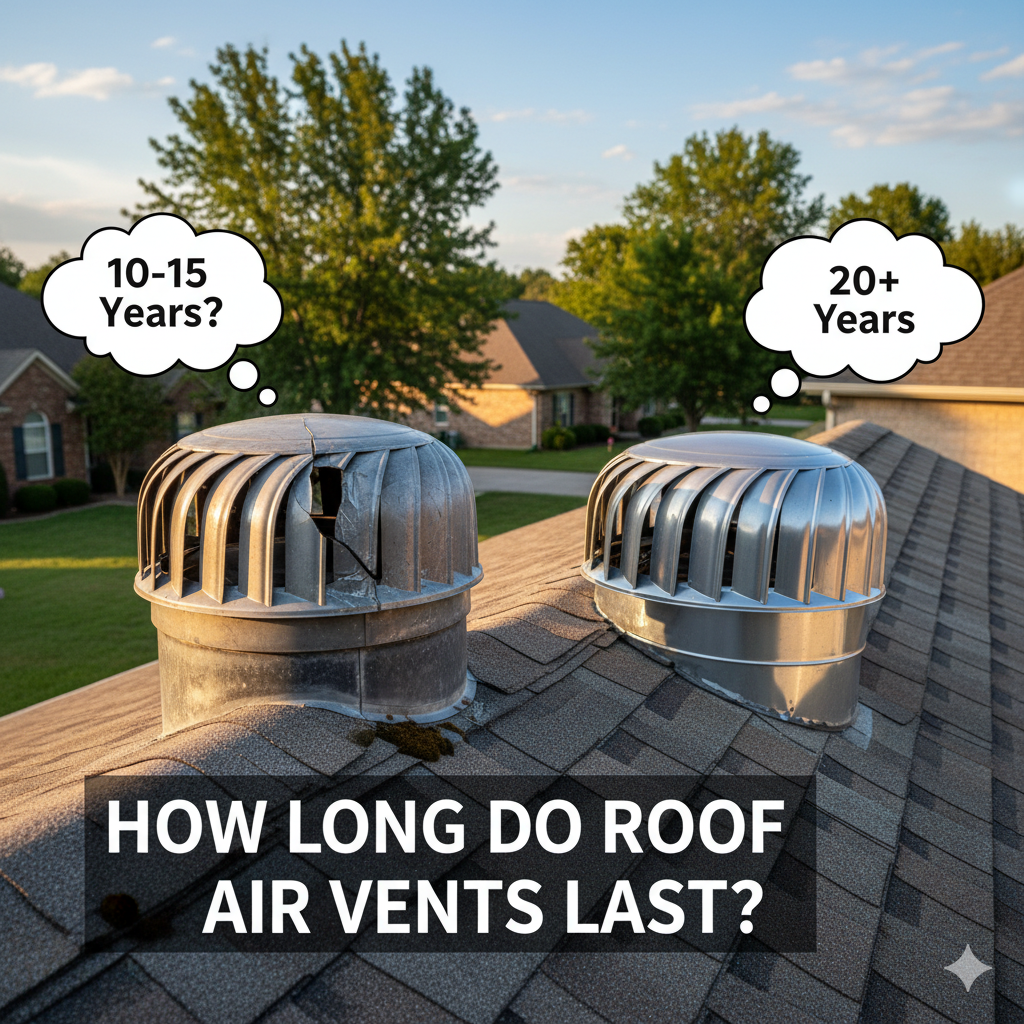
Quality roof air vents typically last 20 to 30 years when properly maintained. Solar panel components carry 25-year ratings while ventilation fans are rated for 50,000 hours of operation, equivalent to approximately 15 years at 9 hours per day. Metal components made from aluminum or galvanized steel outlast plastic alternatives, particularly in harsh weather conditions.
Lifespan varies by vent type and environmental exposure. Static vents like ridge vents and box vents last longest since they contain no moving parts. Turbine vents may require replacement after 10 to 15 years due to bearing wear and weather exposure. Regular maintenance significantly extends the functional life of all roof air vents.
How to Install Roof Air Vents
Installing roof air vents requires careful planning and proper technique to prevent leaks and ensure effectiveness. Ridge vent installation begins by cutting a continuous slot along the roof peak, typically 2 inches wide on each side of the ridge. The ridge vent then secures over this opening with appropriate fasteners and seals with roofing cement.
Box vent installation involves cutting a square opening near the roof ridge, positioning the vent housing over the opening, and securing it with roofing nails or screws. Flashing integrates with surrounding shingles to create a weathertight seal. Turbine vents follow similar procedures but require level mounting to ensure smooth rotation.
Solar-powered roof air vents need placement in locations that receive maximum sun exposure throughout the day. Metal roof installations use specialized mounting brackets that attach beneath panels without penetrating the roofing surface. Always consult manufacturer instructions and consider professional installation for complex systems to maintain warranty coverage.
How to Clean Roof Air Vents
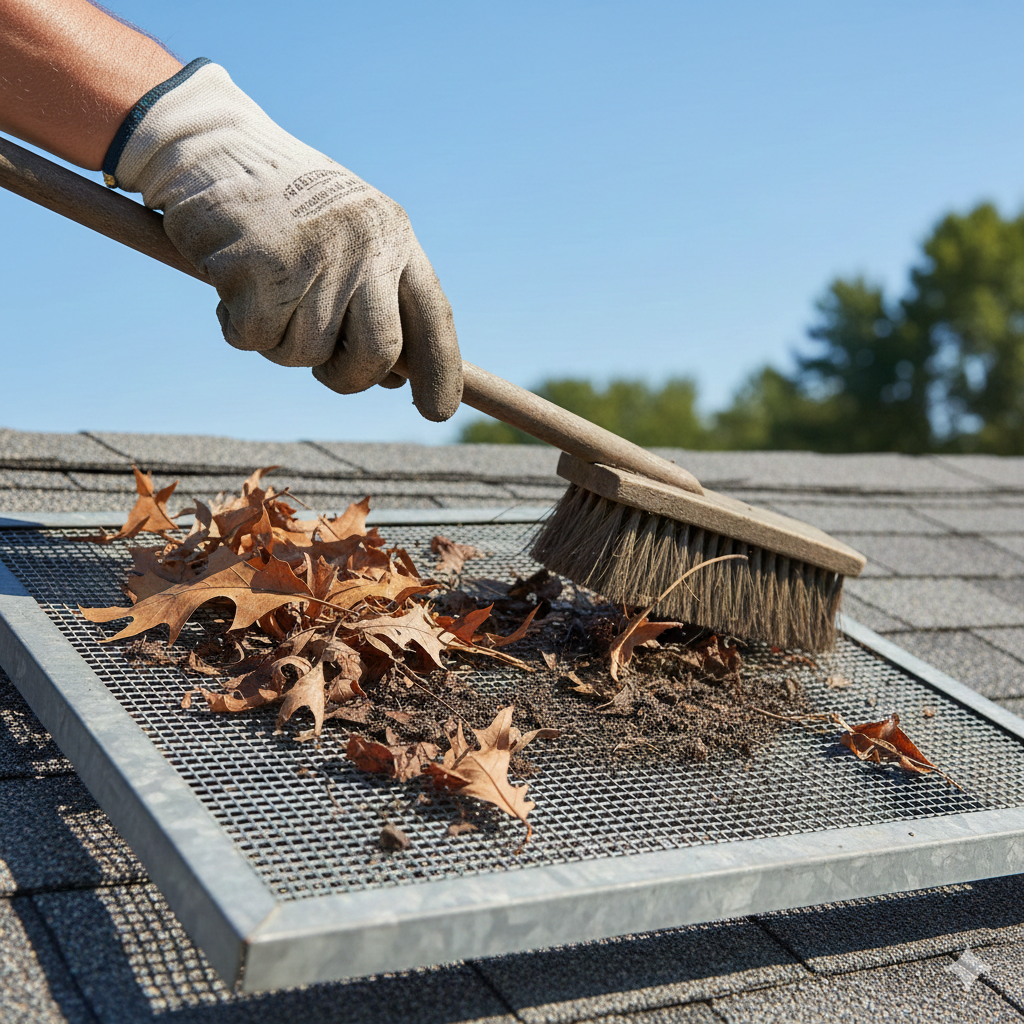
Regular cleaning maintains optimal roof air vents performance and prevents clogs that restrict airflow. Inspect vents twice yearly, ideally in spring and fall, to remove accumulated debris before it causes problems. Check for leaves, twigs, bird nests, and insect activity that can obstruct ventilation.
Cleaning process begins with visual inspection from both outside and inside your attic. Remove visible debris using gloved hands or a soft-bristled brush. For screens on roof air vents, use a vacuum cleaner with an extension nozzle or a garden hose with spray attachment to clear blockages. Compressed air effectively blows away dust and fine particles.
Soffit vents require special attention since they sit at ground level and accumulate more dirt. Use a garden hose with spray nozzle to wash away grime or a soft brush for gentle scrubbing. Never use high-pressure washers that could damage vent screens or force water into wall cavities. Turn off power to electrical components before cleaning power vents.
Advantages of Roof Air Vents
Extended Roof Lifespan
Properly functioning roof air vents prevent shingle warping caused by excessive attic heat and reduce ice dam formation in winter. Moisture control protects wood framing, rafters, decking, and trusses from rot. By maintaining moderate attic temperatures, ventilation systems help roofs achieve their full expected lifespan of 20 to 30 years.
Lower Energy Bills
Roof air vents reduce attic heat during summer, keeping upper floor rooms cooler and decreasing air conditioning demands. Proper ventilation supports insulation performance by preventing heat and moisture from degrading insulation materials. Homeowners report reduced HVAC strain and lower monthly energy costs after installing adequate roof air vents.
Healthier Indoor Environment
Ventilation reduces mold growth by removing moist air before it condenses on attic surfaces. Improved air quality throughout the home results from keeping attics dry and preventing contaminants from entering living spaces. Roof air vents help limit mildew in attics and reduce allergy triggers.
Improved Home Value
Homes with proper roof air vents demonstrate better maintenance and energy efficiency to potential buyers. Documentation of ventilation improvements provides valuable selling points during real estate transactions. Many building codes now mandate minimum ventilation standards, making compliant systems essential for passing home inspections.
Challenges Connected to Roof Air Vents
Installation Complexity
Retrofitting roof air vents to existing roofs requires cutting openings that could cause leaks if improperly sealed. Matching new vents to existing roof materials and colors presents aesthetic challenges. Some roof designs make proper vent placement difficult, requiring creative solutions or multiple smaller vents.
Maintenance Requirements
Turbine vents with moving parts require periodic inspection and may develop noise issues as bearings wear. Roof air vents positioned near trees accumulate debris faster and need more frequent cleaning. Power vents depend on electricity or solar panel functionality, adding potential failure points.
Initial Costs
Quality roof and professional installation represent significant upfront investments, particularly for comprehensive whole-house systems. Solar-powered options cost substantially more than passive alternatives despite long-term energy savings. Homes requiring multiple vents to meet ventilation standards face multiplied expenses.
Climate Limitations
Passive roof perform less effectively in areas with minimal wind or temperature differentials. Extremely cold climates risk frost buildup in vent openings that can restrict airflow. Very hot climates may require power-assisted ventilation to adequately control attic temperatures.
Conclusion
Roof air vents represent critical investments in your home’s longevity, energy efficiency, and indoor air quality. Selecting the right combination of intake and exhaust roof air vents ensures balanced airflow that protects your roof structure while reducing energy costs. Whether choosing traditional box vents, modern ridge vents, or advanced solar-powered systems, proper ventilation delivers measurable benefits that outweigh initial installation expenses.
Frequently Asked Questions
Q: How many roof air vents does my house need?
A: Building codes typically require 1 square foot of ventilation for every 150 square feet of attic space, with 50% intake vents and 50% exhaust vents. Calculate your attic square footage and divide by 150 to determine minimum ventilation requirements.
Q: Can I install roof air vents myself?
A: Experienced DIYers can install simple box vents or turbine vents, but ridge vents and solar-powered systems often require professional installation. Improper installation can cause roof leaks and void warranties, so consider your skill level carefully.
Q: Do roof air vents work in winter?
A: Yes, function year-round by preventing moisture buildup and ice dam formation during winter months. Proper ventilation keeps attic temperatures closer to outside temperatures, reducing snow melt and refreeze cycles on your roof.
Q: How often should I clean my roof air vents?
A: Inspect and clean it twice yearly, typically in spring and fall. Homes near trees or in high-debris areas may require more frequent cleaning to maintain optimal airflow.
Q: Are solar roof air vents worth the extra cost?
A: Solar roof air vents eliminate electricity costs and provide powerful ventilation in sunny climates. The 25-year solar panel lifespan and lack of operating costs justify the higher initial investment for many homeowners.
Q: What’s the difference between intake and exhaust roof air vents?
A: Intake vents draw cool, fresh air into your attic from outside, while exhaust vents allow hot, moist air to escape. Both types work together to create balanced airflow through your attic space.
Q: Can I mix different types of roof ?
A: Experts recommend avoiding mixing different exhaust vent types, as this can disrupt balanced airflow patterns. However, pairing exhaust vents with soffit intake vents is necessary and recommended for proper ventilation.
🌬️ Other Resources
🔎 Other Helpful Articles
Pergola With Roof – Guide to covered pergolas and installation.
Roof Inspection Guide – How to inspect a roof properly.
TPO Roofing – Complete overview of TPO roofing systems.
