
Tile Roof Repair: Damage, Materials and Costs

Tile Roof Repair: 10 Proven Success Secrets
Tile roof repair is one of the most important tasks for preserving a home, boosting curb appeal, and preventing expensive structural damage. When handled correctly, tile roof repair extends roof life, limits leaks, and protects insulation, rafters, and interior finishes from moisture.
This guide explains what tile roof repair is, how to do it safely, how to find experts, how to buy materials, how much it can cost, and how long typical projects take. Each section keeps homeowners focused on savings and long‑term value, while addressing common challenges like cracked tiles, slipping tiles, and hidden leaks under underlayment. The overall goal is to help every reader treat tile roof repair as a planned, strategic investment rather than a last‑minute emergency reaction.
What Is Professional Tile Roof Repair?
Tile roof repair describes all the steps required to assess tile damage, replace broken units, seal problem areas, and restore waterproofing layers beneath the surface. For most homes, tile roof repair means inspecting individual tiles, battens, flashing, ridges, hips, and valleys, then correcting defects that threaten watertight performance. Unlike basic patching, complete roof tile repair treats both surface appearance and underlying function as priorities.
Although manufacturers design tile to last decades, weather, foot traffic, impact from branches, and poor installation eventually create weak points. Because of this, scheduled roof repair is essential. The best results come from combining clear visual checks, moisture testing, and systematic replacement of compromised materials before leaks spread.
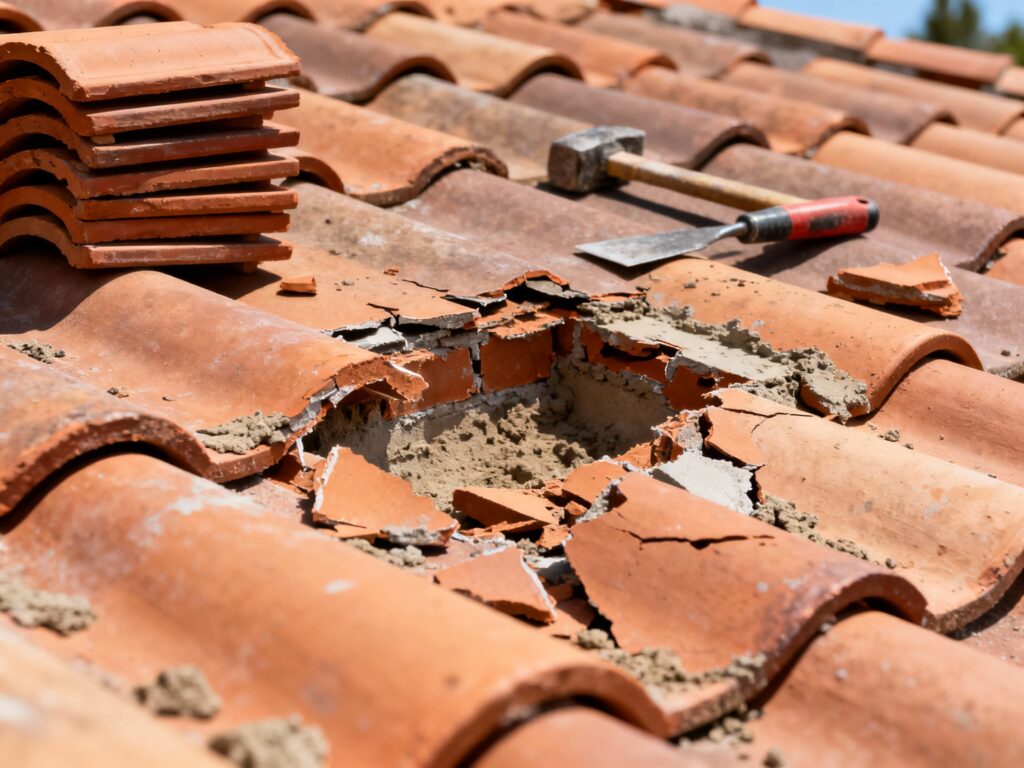
How To Do Tile Roof Repair Step By Step
For many homeowners, tile roof repair begins with a structured, step‑by‑step process that keeps safety and durability at the center. The first step is always a ground‑level inspection using binoculars to identify visibly cracked, missing, or displaced tiles. Next, a safe access plan is created, using proper ladders, fall protection, and roof anchors where required. Once on the surface, individual problem tiles are marked for attention.
Effective roof tile repair also includes lifting nearby tiles carefully to check underlayment and battens. Any deteriorated felt, torn membrane, or rotted wood is removed and replaced. Finally, fresh tiles are installed to match existing patterns, and all debris is cleared. When done methodically, this type of roof repair stabilizes the system without disturbing sound areas.
How To Find Reliable Tile Roof Repair Experts
Finding the right contractor for tile roof repair can make the difference between a durable solution and repeated problems. Instead of choosing the first name in a directory, homeowners should follow a simple research plan. Start by collecting at least three local contractors who specialize specifically in tile roof repair rather than general roofing alone. Review online ratings, photos of past tile roof repair jobs, and proof of licensing and insurance.
Next, request written estimates that describe the tile roof repair scope, materials, timelines, and warranties. During meetings, ask how they protect tiles while walking, what underlayment they use, and how they handle unexpected rot. By comparing detailed answers, it becomes easier to select a tile roof repair partner who values craftsmanship over speed.
How To Buy Materials For Tile Roof Repair
Purchasing the right materials for tile roof repair plays a crucial role in achieving professional results. Before buying anything, homeowners should confirm the exact tile profile, color, manufacturer, and age of the existing roof. Taking a sample tile or high‑resolution photos to a supplier helps prevent costly mismatches.
Successful roof tile repair often requires compatible components such as underlayment, battens, nails, clips, and flashing in addition to replacement tiles. Many homeowners choose to buy extra tiles beyond current needs, storing them for future tile roof tile repair work.
Common materials checklist for basic roof tile repair includes:
Matching roof tiles.
High‑quality underlayment membrane.
Corrosion‑resistant fasteners and clips.
Compatible ridge and hip accessories.
Approved sealants for flashing details.
Completing this checklist before starting tile roof repair avoids project delays and change‑of‑plan compromises.
How Much Does Tile Roof Repair Cost?
Tile roof repair costs vary widely because damage level, roof pitch, accessibility, and local labor rates all play major roles. Small, localized tile roof repair jobs that involve replacing a handful of broken tiles can range from modest service call fees to slightly higher totals when access is difficult. When underlayment has failed across larger sections, tile roof repair becomes more labor intensive as crews carefully remove and stack tiles, replace membranes, and reinstall everything. Additional costs can appear if carpenters must repair rotten decking or if special safety equipment is required.
Typical cost drivers for roof tile repair include:
Number of tiles needing replacement.
Extent of underlayment and wood damage.
Roof height, slope, and complexity.
Regional labor and material pricing.
Urgency of emergency tile roof repair calls.
Understanding these factors helps homeowners budget realistically and compare bids more confidently.
How Long Does Tile Roof Repair Take?
The timeline for tile roof repair depends on project size, weather, material availability, and contractor scheduling. A minor tile roof repair involving a few cracked tiles can often be completed within a single visit, sometimes in just a few hours. In contrast, a more extensive tile roof repair project that replaces large sections of underlayment may require several days. Crews need time to remove tiles methodically, stack them safely, install new membrane, and reinstall each tile without damage.
Rain, high winds, or extreme temperatures can slow progress, because responsible contractors refuse to rush tile roof repair during unsafe conditions. Homeowners benefit from discussing realistic schedules up front and building some weather flexibility into the overall plan to avoid stress.

How To Install Replacement Tiles During Tile Roof Repair
Installing new tiles correctly is a core part of effective tile roof repair and has a direct impact on long‑term performance. The process begins by gently sliding broken or loose tiles out of position without cracking neighboring units.
Next, technicians inspect battens and nails, removing rusted fasteners and securing any loose framing. A fresh replacement tile is then slipped into place, locked to adjacent tiles, and fastened according to manufacturer instructions and local building codes.
Skilled professionals performing tile roof repair take care to maintain consistent alignment and exposure, so the completed section blends seamlessly with surrounding surfaces. When ridge or hip tiles require replacement, bedding mortar or modern mechanical systems are used to secure everything tightly, reducing future maintenance needs.
How To Clean Tiles Safely During Tile Roof Repair
Cleaning is an often overlooked part of tile roof repair but plays a major role in preserving both appearance and function. Dirt, algae, moss, and lichen trap moisture and accelerate deterioration of tiles and underlayment. During tile roof repair projects, contractors frequently include gentle cleaning methods to improve surface condition.
Best practices for cleaning during roof tile repair include:
Using low‑pressure washing rather than aggressive high‑pressure jets.
Applying roof‑safe biocides that kill moss and algae without harming tiles.
Rinsing thoroughly to prevent chemical residue.
Avoiding harsh scrubbing that can scratch protective surfaces.
By combining careful cleaning with other tile roof repair tasks, homeowners gain a roof that looks refreshed while staying structurally sound.
Advantages And Challenges Of Tile Roof Repair
There are clear advantages to prioritizing tile roof repair instead of delaying action. Prompt tile roof repair prevents minor cracks from turning into major leaks, saves insulation from moisture damage, and extends the overall life of the roof system. Compared with full replacement, targeted roof tile repair is more affordable and less disruptive, allowing families to stay in their homes without extensive demolition. roof tile repair also preserves the original architectural style, which is especially important for historic or high‑end properties.
However, tile roof repair does present challenges. Walking on tiles without breaking them requires skill and the right equipment. Matching discontinued tile profiles can be difficult, and poor prior installation may hide serious underlayment problems. This is why combining regular inspections with planned tile roof repair is the most dependable strategy.
Concrete Tile Roof Repair Explained
Concrete tile roof repair focuses on solving issues unique to heavy, durable concrete tiles while preserving their impressive lifespan. Over time, freeze‑thaw cycles, impact, and movement can cause chips or surface spalling. The first stage of concrete tile roof restoration is a detailed inspection of tile surfaces and edges, along with underlayment evaluation.
Technicians performing concrete tile roof repair often replace individual damaged tiles rather than attempting structural patching. They also watch for sagging battens caused by weight. With the right approach, concrete tile roof restoration restores both appearance and waterproofing while taking full advantage of the material’s long‑term durability.
Clay Tile Roof Repair Essentials
Clay tile roof repair is especially important for homes with classic, high‑value aesthetics. Clay tiles can last many decades, yet they remain brittle under foot traffic and sudden impact. Effective clay tile roof repair begins with careful access planning, including padded walkways and roof ladders that minimize contact.
During clay tile roof tile repair, contractors remove fractured or spalled tiles and check for slipping units in valleys and along edges. Matching replacement tiles can require specialty suppliers, particularly for older profiles. When done with care, clay roof tile repair preserves historic charm, maintains excellent fire resistance, and protects the home from moisture for many more years.
How To Repair Broken Roof Tiles The Right Way
Understanding how to repair broken roof tiles is a fundamental skill within the broader practice of tile roof repair. The process starts with accurate identification of tiles that are cracked through, shattered, or displaced. Instead of resorting to surface adhesives that often fail, proper tile roof repair techniques involve removing the broken piece completely.
After lifting adjacent tiles, the damaged tile is freed from nails or clips and removed. Technicians then assess the underlayment to ensure no water has penetrated. A new tile of matching size and profile is installed and fastened securely. By treating each broken tile carefully, roof tile repair specialists prevent hidden leaks and maintain overall structural integrity.
How To Repair Cracked Roof Tiles Without Causing More Damage
Learning how to repair cracked roof tiles is another vital aspect of practical tile roof repair. Hairline cracks may not leak immediately but still weaken tile strength and invite future problems. During thorough roof tile repair, professionals evaluate whether each cracked tile can remain temporarily or requires immediate replacement. In many cases, the safest approach is full replacement rather than risky patching.
When a temporary surface seal is appropriate, roof‑grade sealants compatible with tile material are used, and the area is monitored during future tile roof repair inspections. The key point is that cracked tiles should never be ignored, because one small defect can eventually undermine the performance of an entire roof section.

FAQ About Tile Roof Repair
What is tile roof repair and when is it necessary?
Tile roof repair is the process of inspecting, fixing, and replacing damaged tiles and underlayment to stop leaks, improve durability, and maintain the roof’s structural integrity. It becomes necessary when tiles are cracked, broken, loose, or when stains and moisture signs appear inside the home, indicating water has bypassed protective layers. Regular tile roof maintenance also serves as preventative maintenance, addressing minor issues before they grow into costly structural damage or require full roof replacement.
How often should a tile roof be inspected for tile roof repair needs?
Most professionals recommend a detailed inspection every one to two years, along with a check after major storms or hail events. During these inspections, specialists look for cracked tiles, slipped units, damaged flashing, and signs of underlayment fatigue.
Timely inspections make tile roof repair more affordable by catching isolated problems early, rather than waiting for large sections of the roof to fail, which would require extensive labor and significantly higher repair costs.
Can homeowners perform roof repair themselves safely?
While handy homeowners can sometimes replace a few accessible tiles, V often involves serious safety risks and technical challenges. Walking incorrectly on tiles can cause additional breakage and hidden damage.
Without proper training and equipment, it is easy to miss underlayment issues or install tiles improperly, leading to future leaks. For anything beyond minor surface work, scheduling professional roof tile repair is usually the safest and most economical decision over the full life of the roof.
What is the typical cost range for professional roof repair?
Costs depend on damage severity, roof complexity, and regional labor rates, but small repairs are generally modest compared with full replacement. Larger tile roof repair projects that involve replacing underlayment, repairing decking, and handling steep slopes naturally cost more because of increased time and safety measures. Obtaining multiple detailed quotes provides an accurate picture. Many homeowners find that strategic roof tile repair extends roof service life by decades, making the investment highly cost effective over time.
How long can a well‑maintained tile roof last with proper tile roof repair?
With consistent maintenance and timely roof tile repair, concrete and clay tile roofs can often last between fifty and one hundred years, or even longer in favorable climates. The tiles themselves usually outlast the underlayment, which may require replacement after several decades.
By aggressively managing leaks, cracked tiles, and flashing issues through scheduled roof tile repair, homeowners protect the underlying structure and enjoy a long‑lasting, attractive roof that delivers excellent value and strong weather resistance.
Does roof repair increase home resale value?
Documented roof repair and maintenance records reassure potential buyers that the roof has been properly cared for. A well‑maintained tile roof with recent roof repair often becomes a strong selling point, presenting the property as move‑in ready and structurally sound. Conversely, visible damage, missing tiles, and interior stains can lower offers significantly. Investing in professional roof repair before listing a property can therefore improve first impressions and potentially raise the final sale price.
What signs suggest urgent need?
Interior ceiling stains, damp insulation, musty odors in the attic, or visible daylight through the roof structure all signal that tile roof repair is urgently required. Exterior clues include missing tiles, heavy moss growth, cracked ridges, or tiles that appear out of alignment. When these warning signs appear, delaying roof tile repair increases the risk of structural rot, mold growth, and expensive interior renovations. Quick action keeps projects smaller, safer, and more affordable.
How does climate affect the frequency?
In harsh climates with intense sun, heavy rain, hail, or freeze‑thaw cycles, tile roof repair may be needed more frequently. Ultraviolet exposure can age underlayment, while thermal movement stresses tiles and fasteners. Coastal regions present additional challenges from salt‑laden air. Scheduling regular inspections and preventative roof tile repair helps offset these environmental stresses and preserves performance. Tailoring the maintenance plan to local climate conditions significantly improves long‑term outcomes for any tile roof.
Conclusion
Taking tile roof repair seriously transforms a vulnerable, aging roof into a resilient asset that protects both property and peace of mind. By understanding what tile roof restoration involves, how to do it safely, how to find skilled specialists, how to buy suitable materials, and how much typical jobs cost, homeowners can make informed, confident decisions.
Regular inspections, prompt attention to broken or cracked tiles, and thorough cleaning all support the long life that tile roofing is designed to deliver. With a strategic approach to roof repair, every family can enjoy durable shelter, strong curb appeal, and excellent long‑term value from one of the most visible parts of their home.
🛠️ Other Resources
YouTube – Tile Roof Repair Tutorial – Step-by-step demonstration.
Pyramid Roofing – How to Repair a Tile Roof – Detailed guide on fixing cracked, slipped, or broken tiles.
Reddit – Clay Tile Replacement Cost Discussion – Real homeowner experiences with tile repair pricing.
YouTube – Replace Broken Roof Tiles – Easy visual guide to replacing damaged clay or concrete tiles.
🔎 Other Helpful Articles
Edge Roofing Guide – Complete guide to roof edges, drip edges, and protective components.
Plastic Roofing Installation – How to install PVC or polycarbonate roofing.
Roofing Leads – How to generate more roofing customers.
