
Solar Panels on a Metal Roof: Mounting, Roof Life and Planning
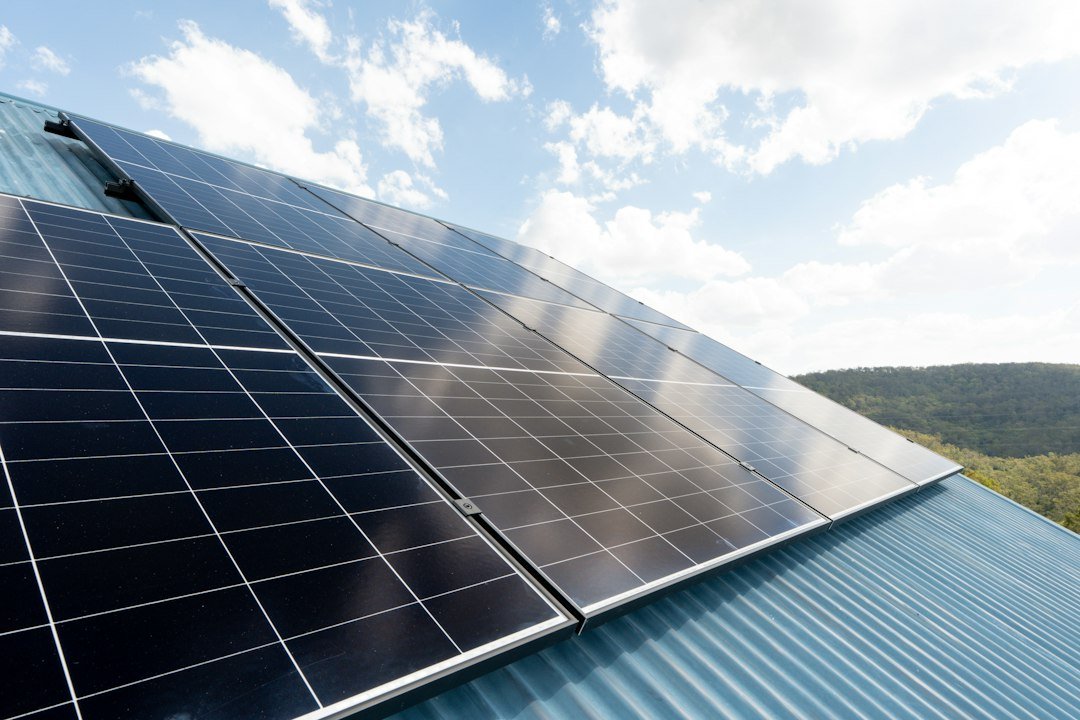
Solar can work well on many metal roofs, but “metal roof” is not one mounting surface. A raised-seam roof, an exposed-fastener panel, and a corrugated profile may need different attachments. Before comparing panel output or financing, confirm how the installer plans to mount the array on your exact roof. Solar panels on a metal roof are a good fit only when the roof, attachment, and structure are considered together.
Photo: NG Trade Solutions via Unsplash.
Check the roof before the solar proposal
Start with the roof’s age and condition. If panels are installed on a roof that needs replacement soon, the array may have to be removed and reinstalled during reroofing. The U.S. Department of Energy recommends discussing roof condition and repairs with an installer before committing to a system.
Ask the roofer to document the panels, seams, fasteners, flashing, and any existing leak or corrosion. A sales estimate based only on satellite imagery may miss details that matter to the attachment design. If the roof is close to the end of its expected service life, get a roof-repair or replacement estimate before settling on the array layout.
Mounting depends on the panel profile
Some standing-seam systems can use clamps that grip the raised seam without drilling through the roof panel. That can avoid penetrations, but it does not make every clamp interchangeable. The seam shape, panel thickness, metal, and manufacturer’s requirements all matter. Ask for the attachment model and written confirmation that it is approved for the roof profile.
Other profiles may use brackets with fasteners that pass through the panel. When that is the design, the flashing, fastener, seal, and installation method need to match the roof and mounting system. Do not rely on a general statement that “solar mounts fit metal roofs.” Ask the installer to name the system being used and explain how it protects the roof’s water-shedding layer.
S-5! publishes test information for specific clamps and roof specimens. Those results can help an installer choose compatible hardware, but they do not replace project-specific design. Clamp spacing and attachment capacity have to account for the actual roof and the loads at the home.
Ask how the load reaches the structure
The panels and rails transfer weight and wind forces through their attachments to the roof panels, clips, framing, and supporting structure. That path should be reviewed for your roof’s condition and local design loads. Wind exposure, snow, roof pitch, panel layout, and the home’s framing can all affect the plan. If capacity is uncertain, request review by a qualified structural professional rather than relying on a generic roof diagram.
The electrical side also deserves clear answers. Ask who handles permits, utility approvals, inspections, wiring, and any required grounding or bonding. The Department of Energy recommends comparing installer qualifications and proposals; the lowest price is not useful if the scope leaves out permits or inspections.
The panel layout matters after the mounting hardware is chosen. Panels should not block drains, roof vents, or access points that need periodic service. Ask for a drawing that shows the array, the attachment locations, and the clearance around roof equipment. If the roof has had repairs, share those records with the installer before the layout is final.
It is also useful to agree on who will inspect the roof after installation and how a leak claim will be handled. A short written handoff between the roofer and solar company is clearer than assuming one contractor will take responsibility for the other’s work.
Protect both warranties
Before signing, ask the roofing contractor and solar installer to explain how the attachment affects their warranties. Confirm who responds if a leak appears after installation and whether service calls include removal of panels. Get the roof and solar workmanship terms in writing, along with the product names and approved installation instructions.
Keep roof access, drains, vents, and service equipment clear in the layout. Save the permit, inspection record, attachment documentation, and photos from before and after installation. Those records make later roof work easier to plan. Our metal roof cost guide can help you compare the roofing side of the project separately from the solar system.
Questions worth asking the installer
- Which exact panel profile and seam are on my roof?
- What attachment will you use, and where can I see its approved roof profiles?
- Does the proposal include structural review, permits, and inspections?
- Will the installation penetrate the panels, and how are those points flashed?
- Who pays for removing and reinstalling panels if the roof needs work?
Clear answers should include product names and documents, not only verbal assurances. If two installers propose different mounting methods, ask each to explain compatibility, warranty impact, and the roof details supporting the choice.
Common questions
Will panels automatically cause a metal roof to leak?
No. A compatible attachment installed correctly can work with a metal roof. The risk comes from a poor match, poor installation, or a roof that was already in bad condition.
Can panels go on an older roof?
Possibly, but have the roof assessed first. The remaining roof life and the cost of a later panel removal should be part of the decision.
Sources
U.S. Department of Energy guidance on choosing a solar installer; S-5! attachment testing protocols; S-5! photovoltaic clamp-spacing guidance.
