
Ag Panel Metal Roof: Amazing Tips to Know
Ag Panel Metal Roof: Best Secrets Exposed
When it comes to selecting a reliable and cost-effective roofing solution for agricultural, commercial, or residential buildings, an ag panel metal roof stands out as an exceptional choice. The durability, aesthetic appeal, and long-term savings associated with this roofing style make it highly sought after by property owners and contractors alike. In this comprehensive guide, we will delve deeply into everything you need to know about this roofing option.
We will cover what it is, how to find and buy the right materials, installation procedures, cost breakdowns, and the unique advantages and challenges you may face. Whether you are constructing a new barn or upgrading a home, understanding the nuances of an ag panel metal roof will empower you to make informed decisions.
What Is An Ag Panel Metal Roof?
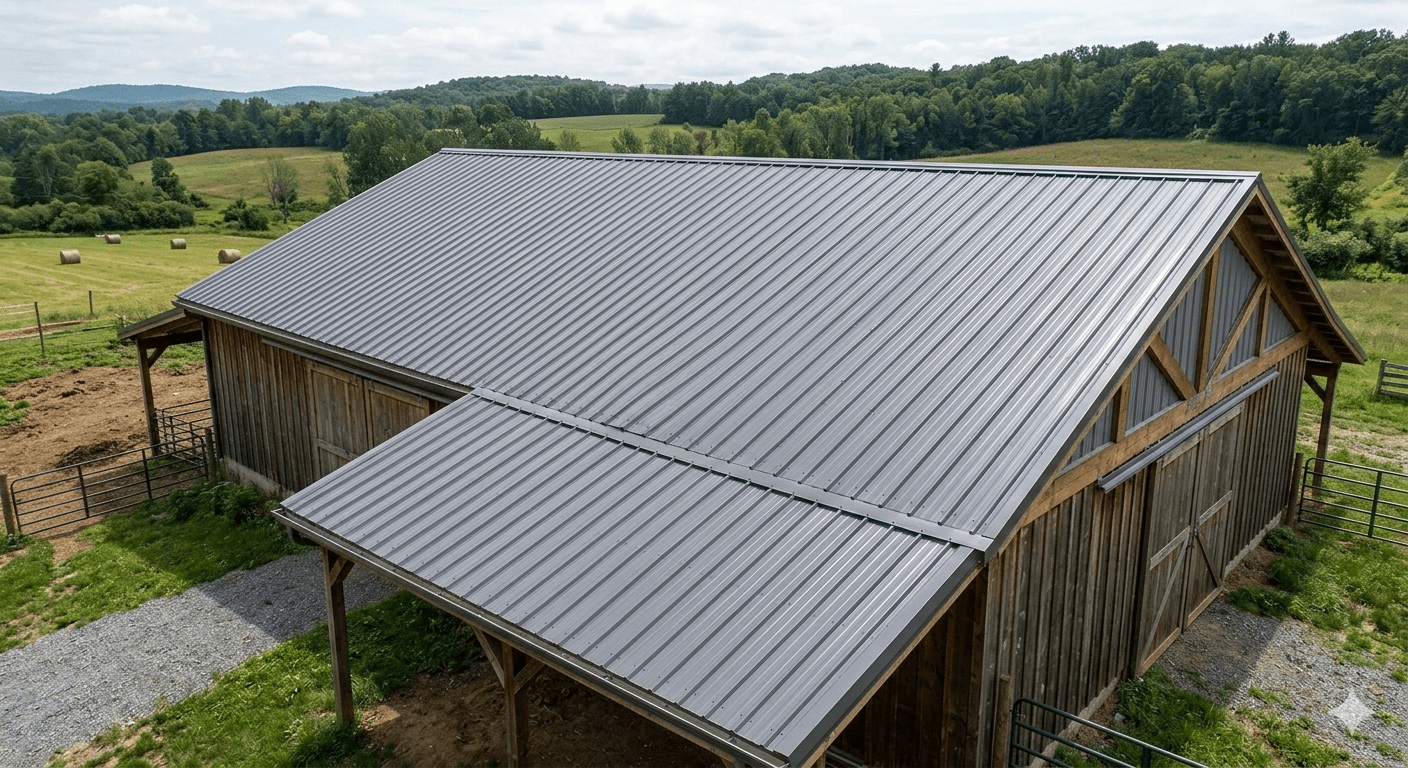
An ag panel metal roof is a specific type of corrugated metal roofing characterized by its distinct profile and structural integrity. Originally designed for agricultural applications—hence the name “ag panel”—this roofing material features exposed fasteners and a series of ribs that provide exceptional strength. The panels are typically made from galvanized or Galvalume steel, ensuring a high resistance to rust and corrosion.
The design of an ag panel metal roof allows it to span wider distances between supports, making it an efficient choice for large structures like barns, warehouses, and storage facilities. However, its clean lines and modern appearance have also made it increasingly popular in residential architecture. The overlapping edges of the panels create a watertight seal, which is crucial for protecting the interior of a building from harsh weather conditions.
How To Find The Right Materials
Finding the right materials for your project requires careful consideration and research. The quality of your ag panel metal roof will directly impact its longevity and performance.
-
Local Roofing Suppliers: Start by searching for specialized metal roofing suppliers in your area. They often carry a variety of profiles and colors.
-
Big Box Home Improvement Stores: While they may have a limited selection, stores like Home Depot or Lowe’s can provide basic options for smaller projects.
-
Online Manufacturers: Many manufacturers sell directly to consumers online. This can be a great way to find custom lengths and specific colors.
-
Contractor Recommendations: If you plan to hire a professional, ask for their preferred suppliers. Experienced contractors usually know where to source the best materials for an ag panel metal roof.
When evaluating suppliers, pay attention to the gauge of the metal. A lower gauge number indicates a thicker, more durable panel. For most residential and agricultural applications, 29-gauge or 26-gauge panels are standard.
How To Buy An Ag Panel Metal Roof
Once you have identified potential suppliers, the purchasing process involves several critical steps to ensure you get exactly what you need.
First, you must accurately measure your roof’s square footage. This will determine how many panels you need to order. Always add an extra 10% to your measurements to account for waste, overlap, and potential mistakes during installation.
Next, select the color and finish. Many ag panel metal roof products come with a baked-on enamel finish or a specialized coating like Kynar 500, which offers superior resistance to fading and chalking.
Finally, do not forget to order the necessary accessories. A complete ag panel metal roof system requires ridge caps, gable trims, eave drips, foam closures, and the appropriate screws with rubber washers to ensure a watertight seal.
How Much Does It Cost?
The cost of an ag panel metal roof can vary significantly based on several factors, including the gauge of the steel, the type of finish, and the complexity of the roof’s design.
On average, the materials for an ag panel metal roof range from $1.00 to $2.50 per square foot. However, this is just the cost of the panels themselves. When you factor in the necessary trims, fasteners, and underlayment, the total material cost can reach $3.00 to $4.50 per square foot.
If you choose to hire a professional for installation, labor costs will add significantly to the total price. Professional installation typically ranges from $2.00 to $5.00 per square foot, depending on your location and the difficulty of the job. Therefore, a fully installed ag panel metal roof can cost anywhere from $5.00 to $9.50 per square foot. While this represents a higher initial investment compared to traditional asphalt shingles, the longevity and minimal maintenance requirements of an ag panel metal roof often make it a more cost-effective choice over the lifespan of the building.
How To Install An Ag Panel Metal Roof
Installing an ag panel metal roof requires careful planning, precision, and adherence to safety protocols. While it is possible for experienced DIYers to tackle this project, hiring a professional is recommended for complex rooflines.
-
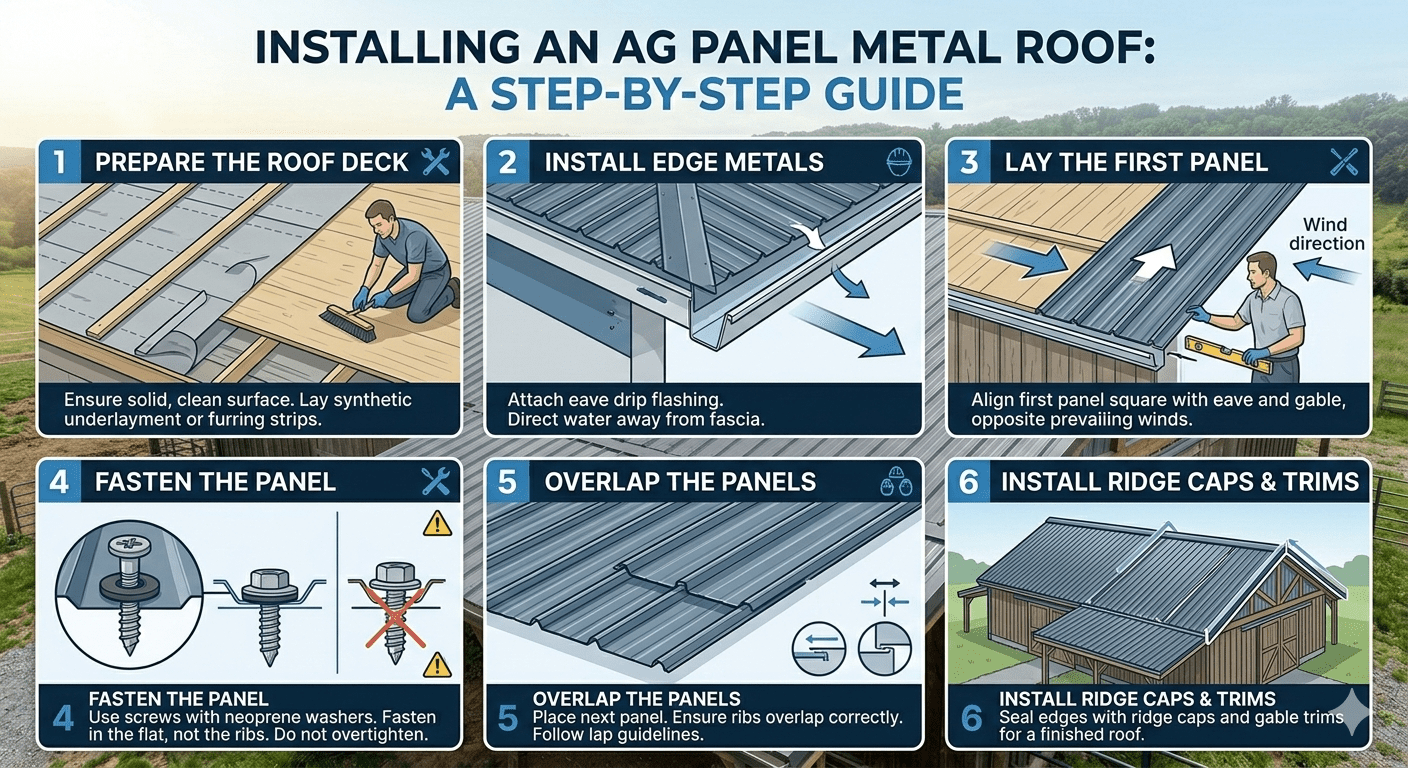
Prepare the Roof Deck: Ensure the existing roof deck is solid, clean, and free of debris. If installing over existing shingles, apply a layer of synthetic underlayment or furring strips to provide a smooth, level surface.
-
Install Edge Metals: Attach eave drip flashing along the bottom edges of the roof to direct water away from the fascia board.
-
Lay the First Panel: Begin at the eave (bottom) of the roof on the side opposite the prevailing winds. Ensure the first panel is perfectly square with the eave and gable edges.
-
Fasten the Panel: Use screws with neoprene washers. The screws should be driven into the flat part of the panel, not the ribs, to create a secure seal. Do not overtighten, as this can compress and damage the washer.
-
Overlap the Panels: Place the next panel over the first, ensuring the ribs overlap correctly. Follow the manufacturer’s guidelines for lap placement and fastener spacing.
-
Install Ridge Caps and Trims: Once all panels are in place, install the ridge caps along the peak of the roof and the gable trims along the rakes to seal the edges and complete the ag panel metal roof installation.
How To Clean And Maintain Your Roof
One of the most significant advantages of an ag panel metal roof is its low maintenance requirements. However, regular cleaning will help preserve its appearance and extend its lifespan.
-
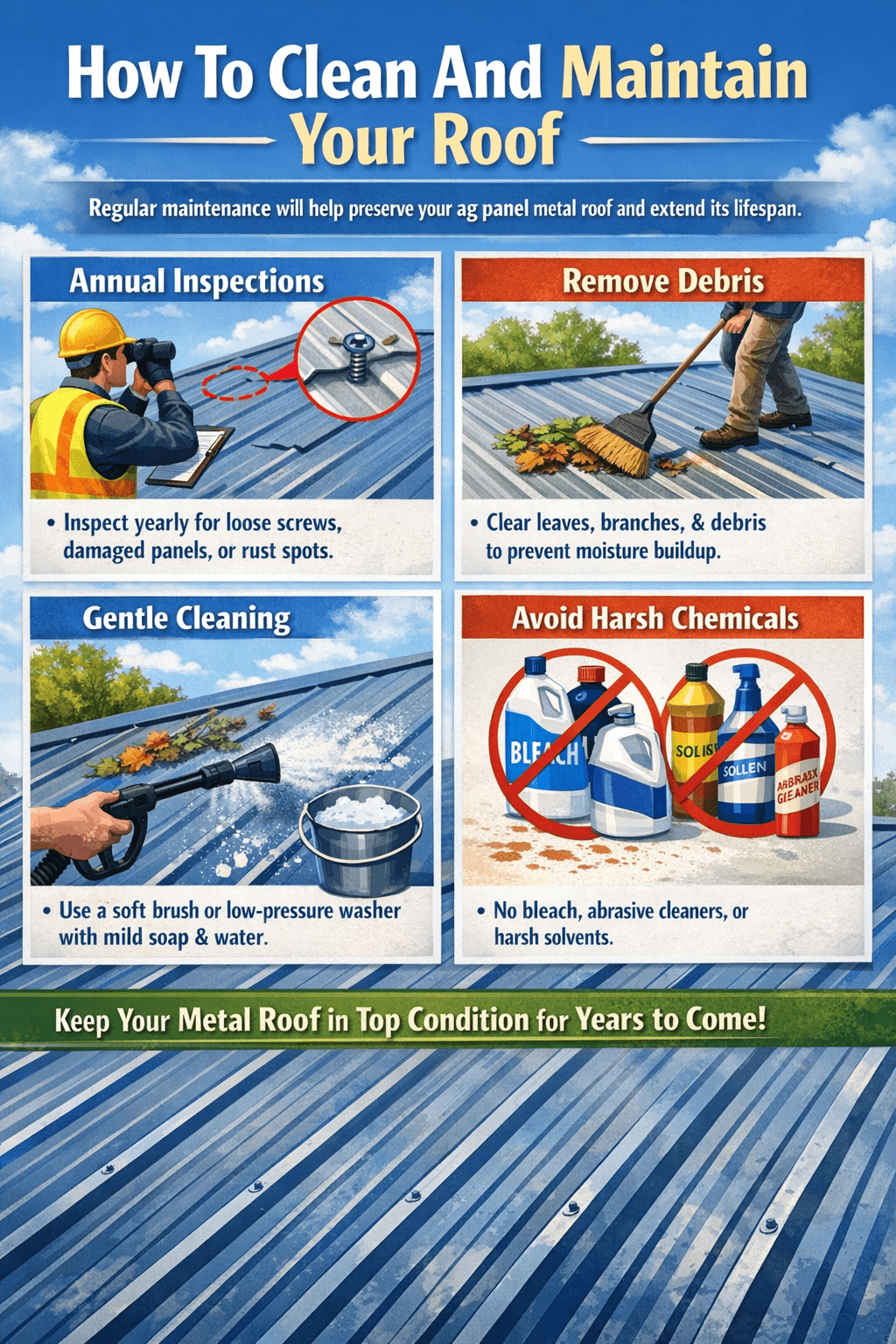
Annual Inspections: Inspect the roof at least once a year, preferably in the spring or fall. Look for loose screws, damaged panels, or areas where the finish may be compromised.
-
Remove Debris: Keep the roof clear of leaves, branches, and other organic matter. Debris can trap moisture against the metal, potentially leading to corrosion over time.
-
Gentle Cleaning: To clean the surface of your ag panel metal roof, use a soft-bristled brush or a low-pressure power washer. A mixture of mild dish soap and water is usually sufficient to remove dirt and grime.
-
Avoid Harsh Chemicals: Do not use abrasive cleaners, bleach, or solvents, as these can damage the protective coating on the panels.
By following these simple maintenance steps, your ag panel metal roof will continue to look great and perform well for decades.
Advantages Of An Ag Panel Metal Roof
Choosing an ag panel metal roof offers numerous benefits that make it an attractive option for a wide variety of structures.
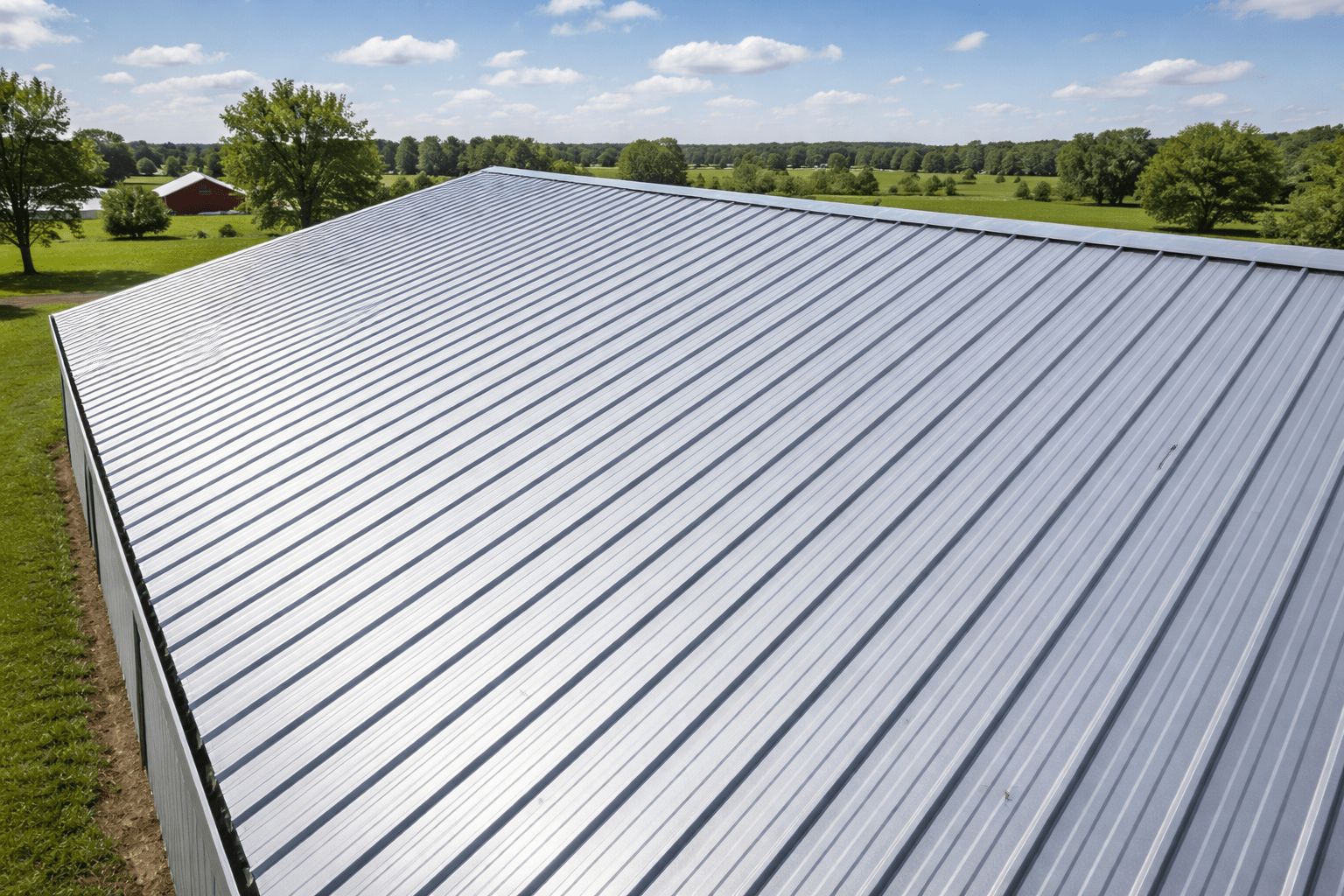
First and foremost is durability. Metal roofs can withstand harsh weather conditions, including heavy snow, hail, and high winds. Unlike asphalt shingles, they will not rot, crack, or warp over time. When properly installed and maintained, an ag panel metal roof can easily last 40 to 60 years, significantly outlasting traditional roofing materials.
Another major advantage is energy efficiency. Metal panels are highly reflective, meaning they bounce radiant heat from the sun away from the building. This can substantially lower cooling costs during the hot summer months, making an ag panel metal roof an environmentally friendly and economically smart choice.
Additionally, metal roofing is lightweight, which reduces the structural load on the building. It is also fire-resistant, providing an added layer of safety and potentially lowering insurance premiums for the property owner.
Challenges Connected To Ag Panel Metal Roofs
Despite its many benefits, there are some challenges and potential drawbacks to consider before committing to an ag panel metal roof.
The most notable challenge is the exposed fastener system. Because the screws are driven directly through the face of the panels, the neoprene washers are exposed to the elements. Over time, UV rays and temperature fluctuations can cause these washers to dry out, crack, or shrink, potentially leading to leaks. It is crucial to inspect the fasteners periodically and replace any that show signs of wear.
Another consideration is noise. During heavy rain or hailstorms, an ag panel metal roof can be louder than a shingled roof. However, this issue can be mitigated by ensuring proper insulation and a solid roof deck beneath the panels.
Finally, thermal expansion and contraction can be a concern. Metal panels expand when heated and contract when cooled. If the panels are fastened too tightly or if the sections are too long without expansion joints, the movement can cause the fastener holes to wallow out, compromising the watertight seal of the ag panel metal roof.
Special Considerations for Installation and Use
When evaluating an ag panel metal roof for your specific needs, several nuanced topics require deeper exploration. Let’s look at four critical areas that property owners often ask about.
How to install ag panel metal roofing
Proper installation is the key to longevity. The process begins with applying a high-quality underlayment over the roof deck. When placing the ag panel metal roof sheets, it is essential to align the first panel perfectly square with the eave. Fasteners must be driven straight and tightened just enough to seat the rubber washer without bulging it. The overlapping ribs must lock securely, and special attention must be paid to flashing around penetrations like vents or chimneys.
Is ag panel metal roofing self-ventilating?
No, an ag panel metal roof is not inherently self-ventilating. While the ribbed design creates small air gaps between the panel and the roof deck, this is not sufficient for proper attic ventilation. To prevent moisture buildup and regulate temperature, you must install a dedicated ventilation system, which typically includes soffit vents at the eaves and a ridge vent at the peak of the ag panel metal roof.
Ag metal copper roof panel
While standard ag panel metal roof products are made of steel, some manufacturers offer copper panels in an ag profile. A copper ag panel metal roof is exceptionally durable and develops a beautiful, unique patina over time. However, it is significantly more expensive than steel and requires specialized installation techniques to prevent galvanic corrosion when it comes into contact with dissimilar metals.
What is ag panel metal roofing best suited for?
Originally, an ag panel metal roof was designed for barns, machine sheds, and other agricultural structures due to its wide coverage and affordability. Today, it is also widely used for commercial buildings, workshops, and increasingly for residential homes, particularly those with a rustic, modern farmhouse, or industrial aesthetic. Its versatility makes an ag panel metal roof a practical choice for almost any steep-slope application.
Why Choose An Ag Panel Metal Roof Over Shingles?
When homeowners and builders weigh their options, the comparison between an ag panel metal roof and traditional asphalt shingles frequently arises. Understanding the differences is crucial for making the best long-term investment.
The most glaring difference is lifespan. An asphalt shingle roof typically needs replacement every 15 to 25 years. In contrast, an ag panel metal roof is designed to last a half-century or more. This means that while the upfront cost of the metal roof is higher, it usually proves cheaper over the life of the building because you avoid the cost of multiple roof replacements.
Furthermore, an ag panel metal roof handles severe weather much better. Shingles can be torn off by high winds and are susceptible to damage from large hail. Metal panels, secured tightly with screws, offer superior wind resistance and impact durability. Additionally, the smooth surface of an ag panel metal roof allows snow to slide off easily, preventing dangerous accumulation and ice damming, which is a common problem with shingle roofs in colder climates.
Understanding The Exposed Fastener System
To fully grasp the mechanics of an ag panel metal roof, one must understand its exposed fastener system. Unlike standing seam metal roofs, which conceal their fasteners beneath overlapping panels, the ag panel metal roof uses screws that are visible on the exterior surface.
This design is what makes the ag panel metal roof more affordable and easier to install. The panels are simply overlapped and screwed down. However, the integrity of the entire roof relies heavily on the rubber washers attached to these screws. These washers create the necessary seal to keep water out.
Because these washers are exposed to the sun and weather, they represent the most vulnerable part of an ag panel metal roof. Proper installation technique is vital; a screw driven at an angle or over-tightened will compromise the washer’s seal immediately. Regular maintenance checks, as mentioned earlier, are essential to identify and replace degraded fasteners before they allow water to penetrate the roof deck.
Frequently Asked Questions
How long does an ag panel metal roof typically last?
With proper installation and basic maintenance, it can easily last 40 to 60 years, and often longer.
Can I install an ag panel metal roof over existing shingles?
Yes, it is often possible to install it directly over one layer of existing asphalt shingles, provided the underlying roof deck is structurally sound and furring strips or proper underlayment are used.
Is an ag panel metal roof noisy when it rains?
It can be slightly louder than shingles if installed directly over open framing. However, when installed over a solid wood roof deck with proper insulation, the noise difference is minimal.
Will an ag panel metal roof attract lightning?
No, metal roofs do not attract lightning any more than other roofing materials. In fact, because metal is non-combustible, it is safer if a lightning strike does occur.
Do I need a special contractor to install an ag panel metal roof?
While many general contractors can install it, hiring a roofer with specific experience in exposed fastener metal systems is highly recommended to ensure the highest quality watertight installation.
Conclusion
In summary, an ag panel metal roof is a robust, versatile, and highly efficient roofing solution suitable for a wide array of building types. From its origins in agricultural settings to its rising popularity in modern residential design, the ag panel metal roof has proven its worth through decades of reliable performance. While the exposed fastener system requires occasional monitoring, the overall durability, energy efficiency, and longevity far outweigh the maintenance demands. By understanding the costs, the installation process, and the necessary upkeep, you can confidently choose an ag panel metal roof to protect and enhance your property for generations to come.
Other Resources
Metal Panels Inc – AG Panel – Product showcase featuring AG panel metal roofing profiles for architectural use.
McElroy Metal – R-Panel vs AG-Panel – Informational article comparing R-panel and AG-panel metal roofing systems.
Steel Dash – AG Panel Black 29 Gauge – Product page detailing a black 29-gauge AG panel metal roofing option.
Other Helpful Articles
Hawaiian Blue Metal Roof – Article explaining features and applications of Hawaiian Blue metal roofing.
Stainless Steel Roofing Screws – Guide explaining the uses and advantages of stainless steel screws in roofing projects.
Amish Metal Roofing – Article providing information about Amish metal roofing services and materials.
Steel Roof End Caps – Overview of steel roof end caps and their role in metal roofing systems.