
Copper Roof Panels:10 Stunning Benefits for a Forever Home
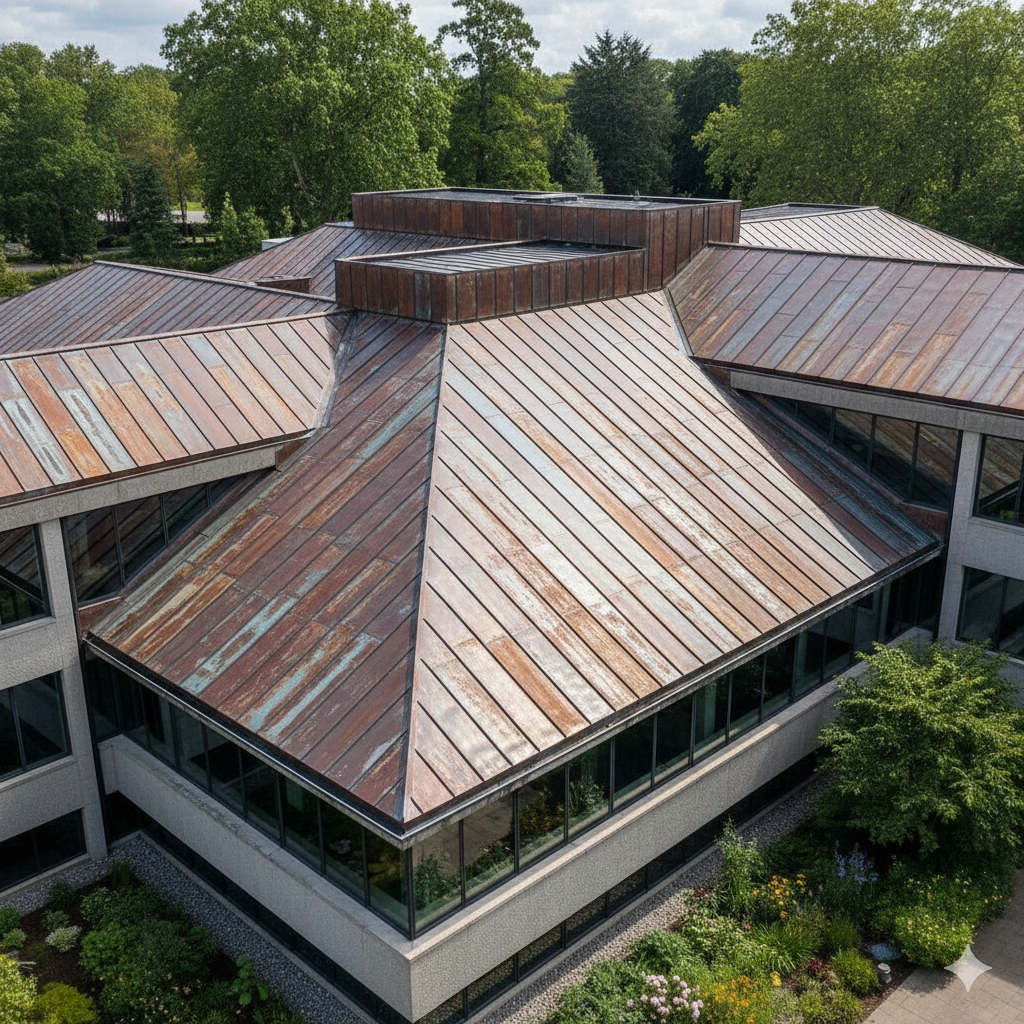
The Ultimate Guide to Copper Roof Panels: Costs, Installation, and Care
When you imagine a home that exudes timeless elegance and superior durability, copper roof panels are often the first material that comes to mind. For centuries, architects and builders have relied on copper roof panels to protect the world’s most prestigious structures, from cathedrals to capitol buildings. Today, this premium material is accessible to homeowners who want to combine aesthetic beauty with unmatched longevity. Whether you are building a custom home or renovating a historic property, understanding the ins and outs of copper roof panels is essential. This comprehensive guide will explore everything you need to know about copper roof panels, ensuring you make an informed decision for your investment.
What Are Copper Roof Panels?
Copper roof panels are roofing sheets made from high-grade copper, designed to be installed on pitched or flat surfaces to provide a watertight and visually striking barrier. Unlike asphalt shingles or composite materials, copper roof panels are a “living” material. This means they evolve over time. When first installed, copper roof panels shine with a bright, penny-like metallic luster. Over months and years, exposure to oxygen and moisture causes them to develop a protective layer known as a patina. This patina transitions from bronze to dark brown and eventually to the iconic verdigris green seen on historic landmarks.
The primary appeal of copper roof panels lies in their unique combination of malleability and strength. They can be formed into various profiles, including standing seam, batten seam, and flat lock panels. This versatility allows copper roof panels to fit curved turrets, complex valleys, and sleek modern rooflines with equal ease. Furthermore, copper roof panels are naturally resistant to corrosion, fire, and mildew, making them one of the most resilient roofing options available on the market today.

The Stunning Advantages of Copper Roof Panels
Investing in copper roof panels brings a multitude of benefits that extend far beyond simple curb appeal. While the visual impact is undeniable, the structural and financial advantages are equally compelling.
-
Unmatched Longevity: The most significant advantage of copper roof panels is their lifespan. While asphalt roofs may need replacement every 20 years, copper roof panels can easily last over a century. There are examples of copper roofs in Europe that have been functional for hundreds of years.
-
Low Maintenance: Once installed, copper roof panels require very little upkeep. They do not need painting, coating, or sealing. The natural patina that forms actually protects the metal from corrosion, meaning the older your copper roof panels get, the more durable they become.
-
Lightweight Nature: Compared to clay tiles or slate, copper roof panels are surprisingly lightweight. This reduces the structural load on your home’s framing and foundation, which can be particularly beneficial for older homes or areas with heavy snow loads where structural integrity is a concern.
-
Energy Efficiency: Copper roof panels reflect solar radiant heat, which can reduce cooling costs in the summer. Additionally, the material cools down quickly after the sun sets, preventing the “heat island” effect often associated with heavy masonry roofing materials.
-
Eco-Friendliness: Copper is a naturally occurring element and is 100% recyclable. Most copper roof panels available today contain a high percentage of recycled content, and at the end of their very long life, they can be recycled again, making them a sustainable choice for green building projects.
Real Challenges and Considerations
While copper roof panels are an exceptional product, they are not without challenges. It is important to be realistic about the potential drawbacks before committing to a purchase.
-
High Initial Investment: The most immediate barrier for many is the cost. Copper roof panels are among the most expensive roofing materials on the market. The raw material cost of copper fluctuates with the global metal market, which can make budgeting for copper roof panels tricky if you wait too long to purchase materials.
-
Noise Factor: Like any metal roof, copper roof panels can be noisier than asphalt shingles during heavy rain or hail storms. However, this issue is often mitigated by installing proper insulation and solid decking underneath the copper roof panels to dampen the sound.
-
Expansion and Contraction: Copper has a high coefficient of thermal expansion. This means copper roof panels expand significantly when hot and contract when cold. If the panels are not installed with the correct clips and fasteners that allow for this movement, the panels can buckle, warp, or even tear loose. This is why professional installation is non-negotiable.
-
Runoff Staining: As the patina forms, water runoff from copper roof panels can stain adjacent materials like stucco, brick, or light-colored stone. Architects must design the roof drainage system carefully to direct water away from the façade to prevent these green streaks.
Detailed Cost Analysis: How Much to Pay?
Understanding the cost of copper roof panels requires looking at both material and labor. It is a premium product, and the pricing reflects its status and longevity.
As of 2025, the average cost for installed copper roof panels typically ranges between $25 and $45 per square foot. For a standard 2,000-square-foot roof, this translates to a total project cost ranging from $50,000 to $90,000.
-
Material Costs: The copper roof panels themselves generally cost between $14 and $22 per square foot, depending on the gauge (thickness) and the manufacturer.
-
Labor Costs: Installation is labor-intensive. Specialized craftsmen charge a premium because working with copper roof panels requires specific tools and expertise to avoid damaging the soft metal. Labor can add another $10 to $20 per square foot.
-
Flashings and Trim: Don’t forget the accessories. Ridge caps, valleys, and drip edges made from copper are necessary to ensure the entire system is compatible. Mixing metals (like using aluminum flashing with copper roof panels) creates galvanic corrosion, which will destroy the roof. Therefore, all accessories must be copper, adding to the expense.
While the upfront cost is high, it is helpful to calculate the “lifetime cost.” Since copper roof panels do not need replacement for 100 years, the cost per year of ownership is often lower than asphalt roofs that must be replaced four or five times in the same period.
How to Install Copper Roof Panels Correctly
Installing copper roof panels is an art form that differs significantly from standard roofing. It is generally not a DIY project, but understanding the process helps you supervise the work.
Step-by-Step Overview:
-
Substrate Preparation: The deck must be smooth and solid. Install a high-temperature underlayment designed for metal roofing. This layer protects the deck and provides a secondary water barrier under the copper roof panels.
-
Layout and Measuring: Precise measurements are critical. The installer will snap chalk lines to ensure the copper roof panels run perfectly straight from eave to ridge.
-
Installing Clips: Instead of nailing through the panel, installers use concealed clips. These clips are fastened to the deck, and the copper roof panels hook onto them. This “floating” system allows the thermal movement mentioned earlier.
-
Panel Placement: The first panel is aligned at the rake edge. Subsequent copper roof panels are laid down, with their seams overlapping the previous ones.
-
Seaming: Using a mechanical seamer or hand tongs, the standing seams are folded over (crimped) to lock the panels together. This creates a watertight seal without any exposed fasteners on the surface of the copper roof panels.
-
Flashing Integration: Chimneys, vents, and valleys are flashed with copper sheets that integrate into the panel system. These areas are soldered for maximum watertightness, a skill unique to copper roofing.

Essential Maintenance and Cleaning Tips
Although copper roof panels are low maintenance, they are not “no maintenance.” To keep them functioning well, you need to know how to clean and care for them.
Routine Cleaning:
Most cleaning is done by nature (rain). However, leaves and debris can trap moisture and cause uneven patination. You should clear debris from valleys and gutters twice a year. If you need to wash the roof, use plain water and a soft sponge. Never use a pressure washer on copper roof panels, as the high pressure can drive water under seams or dent the soft metal.
Dealing with Stains:
Bird droppings or organic stains can be unsightly. To clean them:
-
Mix a solution of mild dish soap and warm water.
-
Gently scrub the area with a soft-bristle brush.
-
Rinse thoroughly with low-pressure water.
Preserving the Shine (Optional):
Most owners want the patina, but if you want to keep the copper roof panels looking shiny and new, you have to apply a clear coat or lacquer immediately after installation. This is expensive and requires re-application every few years. If you do not apply this, the copper roof panels will naturally turn brown within months.
What to Avoid:
Never use abrasive cleaners, steel wool, or wire brushes on copper roof panels. These will scratch the surface and ruin the finish. Also, avoid harsh chemicals like bleach, which can interfere with the natural oxidation process and result in an unnatural, blotchy color.
Lifespan: How Long Do They Really Last?
When you buy copper roof panels, you are buying a multi-generational asset. The lifespan is one of the most documented features of this material.
In a typical environment, copper roof panels will last 60 to 100+ years. In ideal conditions (away from heavy industrial pollution), they can last even longer. The key to this longevity is the patina. This layer is chemically similar to a scab on a wound; it seals the copper off from the elements. Once the green patina forms, the corrosion rate of the copper roof panels drops to less than 0.0005 inches per year.
This extreme durability means that a house with copper roof panels will likely never need a re-roofing job during your lifetime. This is a massive selling point if you ever decide to list your property, as potential buyers view copper roofing panels as a permanent, worry-free component of the home.
Technical Specifications and Sourcing
To ensure you get the exact aesthetic and performance you desire, you must understand the technical nuances of the material. This section covers four critical topics: the raw material, color alternatives, thickness, and sourcing.
1: Copper Metal Roof Panels
Genuine copper metal roof panels are composed of nearly pure copper (usually 99.9%). They are soft, malleable, and naturally antimicrobial. Because they are solid metal, there is no coating to chip or peel. If a panel gets scratched, the scratch will simply patinate and blend in over time. This self-healing characteristic is unique to copper metal roof panels and sets them apart from painted steel or aluminum options.
2: Copper Color Metal Roof Panels
If the budget for real copper is out of reach, you might consider copper color metal roof panels. These are typically steel or aluminum panels painted with a Kynar 500 or Hylar 5000 finish designed to mimic the look of new or aged copper. While copper color metal roof panels are significantly cheaper and offer the strength of steel, they do not develop a real patina. The color you buy is the color you keep, and scratches can rust if the base metal is steel.
3: What Gauge Are Copper Roofing Panels
Thickness is measured in ounces per square foot rather than standard gauge numbers, though conversions exist. The most common standard is 16-ounce copper (roughly equivalent to 24 gauge steel). For areas with heavy snow or high winds, 20-ounce copper (roughly 22 gauge) is recommended for added strength. When asking what gauge are copper roofing panels, always clarify if the quote refers to the weight (16 oz vs 20 oz) or a specific gauge number to ensure you are comparing apples to apples.
4: Where to Buy Copper Roof Panels
Knowing where to buy copper roofing panels is crucial for pricing. You generally cannot buy them at big-box home improvement stores. You must go through specialized metal roofing distributors or architectural sheet metal fabricators. Some national suppliers sell directly to homeowners, but many copper roof panels are sold only to licensed contractors. Searching for “architectural metal fabricators near me” is often the best way to find local sources who can custom-cut panels to your roof’s exact dimensions.
How to Find and Buy Quality Materials
Finding high-quality copper roof panels involves more than just a Google search. You need to ensure the purity of the copper and the precision of the manufacturing.
-
Manufacturer Certification: Look for manufacturers who certify their copper meets ASTM B370 standards. This specification ensures the copper roof panels have the correct chemical composition and tensile strength for roofing applications.
-
Custom Fabrication: The best copper roofing panels are often fabricated on-site or in a local shop to fit your roof perfectly. Mass-produced panels may not account for the unique quirks of your roof structure.
-
Warranties: While the copper itself doesn’t rot, the paint (if using copper color metal roof panels) or the mechanical system should come with a warranty. For real copper roofing panels, ask about a watertightness warranty from the installer, as the material warranty is rarely an issue.
How to Select the Right Installer
The success of your project depends 90% on the installer and 10% on the material. Copper roof panels are unforgiving if installed incorrectly.
-
Experience Matters: Do not hire a general roofer who “does metal sometimes.” You need a sheet metal specialist. Ask specifically: “How many squares of copper roofing panels have you installed in the last year?”
-
Check Portfolios: Ask for addresses of past jobs. Go look at them. Check if the copper roofing panels are oil-canning (waving/buckling) or if the seams look clean and uniform.
-
Soldering Skills: Ask the installer if they solder their own flashings. Soldering is a required skill for copper roofing to ensure waterproof transitions at chimneys and walls. If they rely on caulk instead of solder, do not hire them.
-
References: Call previous clients and ask if the roof has leaked or if the copper roofing panels make excessive noise.
Future Outlook
As we look toward the future of sustainable housing, copper roof panels remain a top contender. With climate change bringing more severe weather, the resilience of copper roofing panels against wind, hail, and fire makes them a smart adaptation strategy. Furthermore, as the construction industry moves toward “cradle-to-cradle” design, the infinite recyclability of copper roofing panels aligns perfectly with modern green building standards. While styles change, the demand for authentic, high-quality materials like copper roof panels is unlikely to fade, ensuring your investment remains valuable for decades to come.

FAQ
How long does it take for copper roof panels to turn green?
It typically takes between 10 to 20 years for copper roof panels to develop a full green patina, depending on the local climate and salt exposure.
Can I stop copper roof panels from changing color?
Yes, but it requires applying a specialized clear coat or lacquer every few years, which can be costly and labor-intensive to maintain on a roof.
Are copper roof panels loud when it rains?
They can be, but installing a solid plywood deck and high-quality insulation under the copper roofing panels will significantly reduce noise levels.
Do copper roof panels attract lightning?
No more than any other material. While copper conducts electricity, copper roofing panels disperse the energy safely if the home is properly grounded.
Is it worth buying copper roof panels for a small roof area?
Absolutely. Many homeowners install copper roofing panels on bay windows, porches, or dormers to add an accent without the cost of a full roof.
Conclusion
Choosing copper roof panels is a bold statement of quality and permanence. While the upfront cost is significant, the returns in durability, beauty, and property value are equally substantial. By understanding the nuances of installation, the importance of selecting the right gauge, and the minimal maintenance required, you can enjoy a roof that protects your home for generations. Whether you opt for the natural aging process of real copper or the consistent look of copper color metal roof panels, you are upgrading your home with one of the finest materials available. If you are ready to transform your property, start by consulting with a specialized installer who understands the unique properties of copper roof panels.
🟠 Other Resources
Explore these trusted suppliers and guides to learn more about copper roofing systems, panels, and standing seam options:
-
Copper Roofing Supply – Specialized supplier offering copper roofing materials and accessories.
-
Copper Roofing Panels – CRS – Detailed selection of copper panels for residential and commercial roofs.
-
North Shore Sheet Metals – Copper Snap-Lock Panels – Standing seam copper panels designed for durability and clean aesthetics.
-
Bunce Buildings – MasterRib Metal Panel – Metal panel option suitable for architectural and roofing projects.
🔎 Other Helpful Articles
-
Spanish Roof Bracket – Mounting solutions for tile and specialty roofs.
-
New Metal Roof Cost in Fort Walton Beach, Florida – Local pricing guide for metal roofing.
-
What Is a Square in Roofing? – Understand roofing measurements and material calculations.