
Metal Roof Drip Edge: Easy Ways to Save Money
Metal Roof Drip Edge: Best Tips for Success
What Is a Metal Roof Drip Edge and Why Is It Essential?
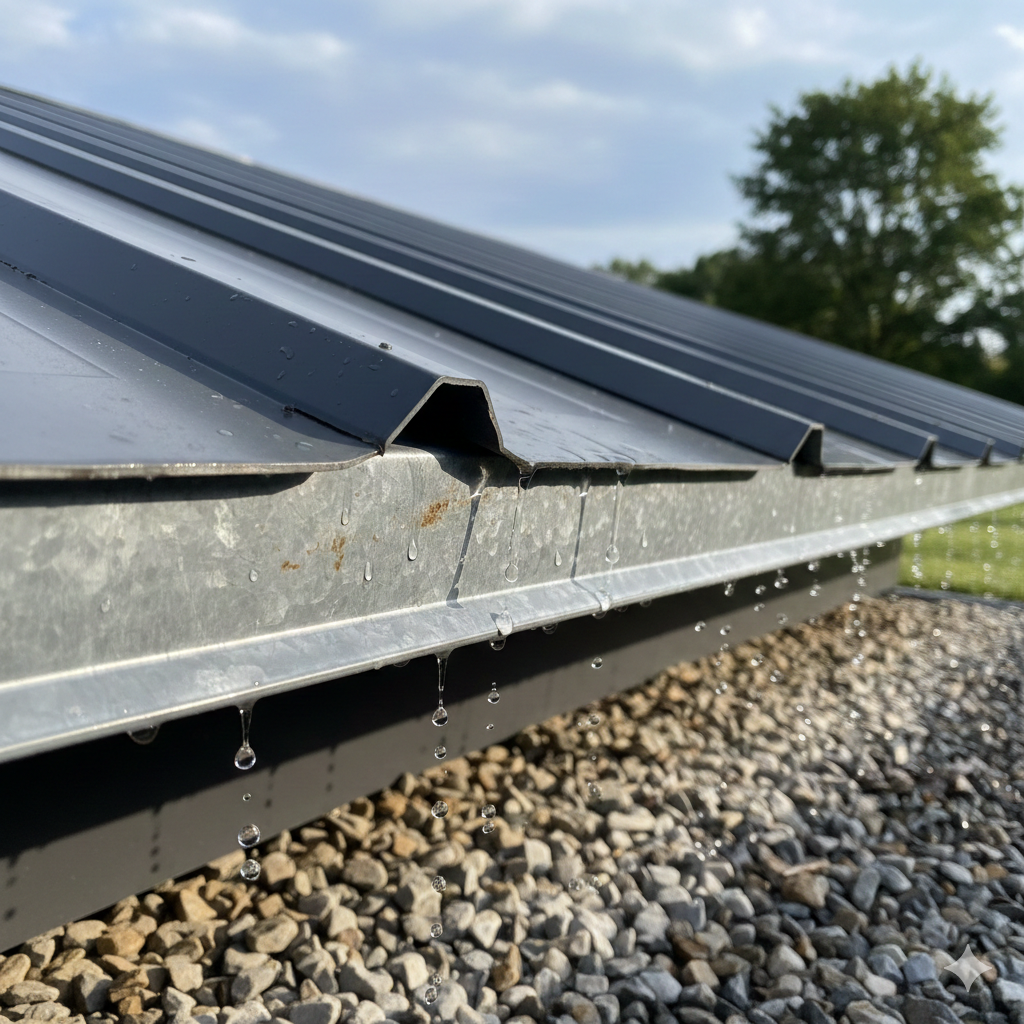
When discussing the longevity of your home’s roofing system, the conversation often turns to shingles or panels, but the unsung hero is actually the metal roof drip edge. This component is a specialized piece of metal flashing installed at the edge of the roof. Its primary function is to direct water away from the fascia and into the gutters, rather than allowing it to seep underneath the roofing material or rot the underlying wood. Without a proper metal roof drip edge, water adheres to the surface due to surface tension and curls back underneath the shingles, causing significant structural damage over time.
The metal roof drip edge is typically made from non-corrosive materials like aluminum, galvanized steel, or copper. It is shaped like an “L” or a “T,” with a projecting lip that forces water to drip clear of the house. For homeowners investing in premium roofing, understanding the mechanics of a metal roof drip edge is vital. It is not merely an aesthetic trim; it is a functional shield against ice dams, pest infestation, and mold growth. Every professional roofer will tell you that a high-quality metal roof drip edge is the first line of defense against the elements.

How to Do a Preliminary Inspection for Metal Roof Drip Edge Installation
Before you even purchase materials, you need to know how to do a thorough inspection of your existing roofline to determine if a new metal roof drip edge is necessary or if the current one can be salvaged. Start by setting up a ladder safely on flat ground. Visually inspect the eaves and rakes of your roof. You are looking for signs of rot on the fascia board or water stains on the soffit, which indicate that the previous water management system failed. If you see these signs, installing a robust metal roof drip edge is mandatory.
-
Check for Gap Issues: Ensure there is a slight gap between the drip edge and the gutter.
-
Look for Rust: If the existing metal is rusted, it must be replaced.
-
Verify Overhang: The shingles should overhang the drip edge by roughly half an inch.
If you are planning a complete roof replacement, the old flashing should almost always be torn off. Reusing old flashing is a common mistake that compromises the seal. A fresh metal roof drip edge ensures that the new system starts with a clean, watertight slate. This inspection phase is also the perfect time to measure the total linear footage of the roof’s perimeter, ensuring you buy enough metal roof drip edge material to cover both the eaves (the bottom edge) and the rakes (the sloped sides).
How to Find the Right Metal Roof Drip Edge for Your Home
Knowing how to find the correct product can be overwhelming due to the variety of profiles available. The search for the perfect metal roof drip edge starts with understanding your specific roof type. If you have a standing seam metal roof, you will need a different profile than if you are installing asphalt shingles. Most hardware stores and specialized roofing supply distributors carry the standard profiles, but for a metal roof specifically, you often need a custom-bent profile to match the panel ribs.
To find the best metal roof drip edge, consult with local roofing suppliers rather than big-box stores. Local suppliers often have fabrication shops that can bend the metal roof drip edge to your exact specifications. This is crucial for metal roofing because the gauge (thickness) of the metal matters. You generally want a 24 or 26-gauge steel for durability. When searching online or in catalogs, look for specifications that mention “hemmed edges” for safety and rigidity. A quality metal roof drip edge will also have a factory-applied finish, often Kynar 500 or Hylar 5000, which resists fading and chalking better than standard paint.
Metal Drip Edge on Roof: Comprehensive Insights
This section covers four critical topics regarding the specifics of these components: metal drip edge on roof, drip edge for metal roofing, installing drip edge on metal roof, and metal roof drip edge types.
1. Metal Drip Edge on Roof
When we talk about a metal drip edge on roof applications, we are referring to the transition point between the roof deck and the fascia. The metal drip edge on roof perimeters acts as a bridge. Without it, the water would naturally wick back up. The effectiveness of a metal drip edge on roof structures depends entirely on the overlap. The underlayment must go over the drip edge at the eaves, but under it at the rakes. This layering technique is what professional roofers call “shingling” the layers to shed water.
2. Drip Edge for Metal Roofing
A specific drip edge for metal roofing is distinct from those used for asphalt. A standard asphalt drip edge often lacks the extended face needed to cover the gap created by the height of metal panels. A proper drip edge for metal roofing usually features a wider flange to be nailed to the deck and a longer vertical face. Furthermore, the material compatibility is key; you cannot use a galvanized steel drip edge for metal roofing made of copper, as galvanic corrosion will destroy the metal.
3. Installing Drip Edge on Metal Roof
The process of installing drip edge on metal roof systems requires precision. Unlike asphalt, where you can hide imperfections, metal lines are straight and unforgiving. When installing drip edge on metal roof projects, you must use flat-head nails that won’t puncture the panels above. The corners require special attention; you must cut and fold the metal to create a seamless wrap. Installing drip edge on metal roof eaves happens before the underlayment, while on the rakes, it happens after, ensuring positive drainage.
4. Metal Roof Drip Edge Types
There are several metal roof drip edge types to consider. The most common are Type C (L-style), Type D (T-style), and Type F (Extended).
-
Type C: Simple L-shape, bent to 90 degrees.
-
Type D: Shaped like a T, it projects the water further out.
-
Type F: Specifically designed with a longer leading edge, making it one of the best metal roof drip edge types for retrofitting over existing molding.
How to Buy a Metal Roof Drip Edge: A Buyer’s Guide
Once you have identified the need and the type, the next step is knowing how to buy the product efficiently. Buying a metal roof drip edge involves more than just picking up a few pieces. You must calculate the total linear footage and add about 10% for waste and overlaps. Most metal roof drip edge pieces come in 10-foot lengths. If your roof perimeter is 200 feet, you should buy at least 22 pieces to account for cuts and corners.
When you go to buy, bring a swatch or sample of your roof color. A metal roof drip edge is visible from the ground, so color matching is essential for curb appeal. While white and brown are standard, custom colors can be ordered. Additionally, ask about the warranty. A reputable manufacturer will offer a warranty on the finish of the metal roof drip edge, often matching the warranty of the roofing panels themselves.
Checklist for Buying:
-
Confirm the gauge (24ga or 26ga is best).
-
Verify the face size matches your fascia height.
-
Check for a “kick-out” feature at the bottom.
-
Ensure the metal roof drip edge is compatible with your gutter system.
How Much Does a Metal Roof Drip Edge Cost?
Budgeting is a major concern for any renovation, so asking “how much does it cost” is natural. The price of a metal roof drip edge varies significantly based on material, gauge, and profile complexity. Generally, standard aluminum drip edges are the cheapest, while custom-bent steel or copper versions cost more.
For a standard residential home, a basic aluminum metal roof drip edge might cost between $1.50 and $2.50 per linear foot. However, for a high-quality, pre-painted steel metal roof drip edge designed specifically for metal roofing systems, you should expect to pay between $3.00 and $5.00 per linear foot. If you require copper, the price can jump to over $10.00 per linear foot.
-
Economy Option: Aluminum L-style ($1.50/ft).
-
Mid-Range Option: Galvanized Steel T-style ($3.50/ft).
-
Premium Option: Copper or Kynar-coated Steel ($8.00+/ft).
It is important to remember that these costs usually cover materials only. If you are hiring a contractor to install the metal roof drip edge, labor costs will be additional.

How Long Does It Take to Install a Metal Roof Drip Edge?
Time management is key in construction. The question of “how long” it takes to install a metal roof drip edge depends on the complexity of the roofline and the experience of the installer. For a standard 2,000 square foot home with a simple gable roof, a professional crew can install the metal roof drip edge around the entire perimeter in about 2 to 4 hours.
However, if you are doing it yourself, you should budget a full day. The process involves setting up ladders, measuring, cutting the metal roof drip edge to size, nailing it down, and managing corners. Corners take the most time because the metal roof drip edge must be mitered or boxed correctly to be watertight. If the roof has many valleys, dormers, or complex angles, the installation time for the metal roof drip edge will increase significantly.
Factors Influencing Time:
-
Roof Height: Higher roofs require more safety setup.
-
Complexity: Hips and valleys require more cuts.
-
Weather: Windy conditions make handling long pieces of metal roof drip edge difficult.
How to Install a Metal Roof Drip Edge Step-by-Step
Learning how to install a metal roof drip edge correctly is the difference between a dry attic and a leaking one. Follow these steps for a professional result.
Step 1: Preparation
Clean the roof deck edge. Ensure there are no protruding nails. If replacing an old roof, remove the old flashing.
Step 2: Install at the Eaves (Bottom Edge)
The metal roof drip edge goes on first at the eaves, directly onto the wooden deck. Align the metal roof drip edge so the outer lip hangs over the fascia by about an inch. Nail it down every 12 to 16 inches using roofing nails. The nails should be high up on the flange so the shingles cover them.
Step 3: Apply Underlayment
Roll out your ice and water shield or synthetic underlayment. Crucially, this must go over the metal roof drip edge at the eaves. This ensures that any water running down the underlayment flows onto the drip edge and off the roof.
Step 4: Install at the Rakes (Side Edges)
Now, install the metal roof drip edge along the gable ends (rakes). Here, the metal roof drip edge goes over the underlayment. This sandwiches the underlayment between the deck and the drip edge, preventing wind-driven rain from getting under the paper.
Step 5: Handle the Corners
Where the eave meets the rake, you must make a precise cut. Cut the eave strip’s flange flush with the corner. Then, cut the rake strip’s bottom lip at an angle so it overlaps the eave strip cleanly. This creates a finished look for your metal roof drip edge.

How to Clean and Maintain Your Metal Roof Drip Edge
Maintenance is often overlooked, but knowing how to clean your metal roof drip edge extends its lifespan. Over time, dirt, pollen, and algae can accumulate on the face of the metal roof drip edge, making it look unsightly and potentially trapping moisture.
To clean it, you generally do not need harsh chemicals. A mixture of warm water and mild dish soap is usually sufficient. Use a soft-bristled brush or a sponge to wipe down the face of the metal roof drip edge. Avoid using steel wool or abrasive pads, as these can scratch the paint finish on the metal roof drip edge and lead to rust.
Maintenance Schedule:
-
Spring: Check for winter damage or bending from ice.
-
Fall: Clean leaves out of the gutters and wipe down the metal roof drip edge face.
If you spot small scratches, use a touch-up paint pen that matches the color. Rust spots on a steel metal roof drip edge should be sanded lightly and primed with a rust-inhibitor immediately to prevent spreading.
What Is the Cost of Labor for Installation?
We discussed material costs, but “what is the cost” of labor? If you are not DIY-inclined, you will need to hire a pro. Labor rates for roofing vary by region, but generally, you can expect to pay between $40 and $80 per hour per roofer.
Since installing a metal roof drip edge is usually part of a larger roofing job, contractors might price it by the linear foot rather than by the hour. Expect labor charges to range from $2.00 to $5.00 per linear foot specifically for the metal roofing drip edge installation. This price includes the setup, the installation, and the cleanup.
-
Low-End Labor: $2.00/ft (Simple roof, easy access).
-
High-End Labor: $5.00/ft (Steep pitch, second story, complex cuts).
Total project cost (materials + labor) for a metal roofing drip edge on an average home usually lands between $500 and $1,200. While this is an investment, the cost of repairing water damage to fascia and soffits is far higher.
Advantages and Challenges Connected to Metal Roof Drip Edge
Every construction element has pros and cons. Understanding the advantages and challenges connected to metal roof drip edge installation helps manage expectations.
Advantages:
-
Water Management: The primary benefit of a metal roofing drip edge is efficient water shedding. It keeps basements drier by directing water to gutters.
-
Pest Barrier: A tightly installed metal roof drip edge seals the gap between the deck and fascia, preventing squirrels, bats, and insects from entering the attic.
-
Fascia Protection: It prevents rotting of the fascia board, saving thousands in future carpentry repairs.
-
Aesthetic Finish: A color-matched metal roofing drip edge provides a clean, finished line to the roof perimeter.
-
Ice Dam Support: While it doesn’t prevent ice dams, a metal roofing drip edge prevents the ice from backing up under the shingles at the critical eave point.
Challenges:
-
Installation Difficulty: Retrofitting a metal roof drip edge on an existing roof can be difficult without damaging shingles.
-
Material Compatibility: Choosing the wrong metal (e.g., mixing copper and aluminum) causes corrosion.
-
Gutter Interference: Sometimes, existing gutters must be lowered to accommodate a new metal roofing drip edge.
-
Cost: It adds to the initial budget of the roof, which some homeowners try to skip to save money (a false economy).
-
Expansion and Contraction: If nailed too tightly, a metal roofing drip edge can buckle as it expands in the heat.

FAQ
Is a metal roof drip edge mandatory by building code?
In most jurisdictions across North America, the International Residential Code (IRC) requires the installation of a drip edge at the eaves and rakes of shingle roofs. For metal roofs, while not always explicitly coded in every local amendment, it is considered a mandatory industry standard for warranty validity.
Can I install a metal roof drip edge over existing gutters?
Yes, but it can be tricky. You may need to loosen the gutter brackets to slide the metal roofing drip edge behind the gutter’s back wing. The drip edge must hang over the gutter, not behind it, to function correctly.
What is the difference between rake and eave drip edge?
The profile is often the same, but the installation is different. On eaves, the metal roofing drip edge goes under the underlayment. On rakes, it goes over the underlayment. This is critical for water management.
Does a metal roof drip edge prevent ice dams?
No, a metal roofing drip edge does not stop ice dams from forming (that is a ventilation and insulation issue). However, it prevents the water trapped behind the ice dam from wicking up under the roof deck and rotting the wood.
Can I paint my metal roofing drip edge?
Yes, if the finish has faded. Clean it thoroughly, lightly sand the surface, and use a high-quality direct-to-metal (DTM) exterior paint.
Conclusion
Investing in a high-quality metal roof drip edge is one of the smartest decisions a homeowner can make. It is a small component with a massive impact, protecting the structural integrity of the roof deck, fascia, and foundation. From understanding the different profiles to mastering the installation techniques, proper implementation ensures your home remains watertight for decades.
Whether you are a DIY enthusiast ready to tackle the project or a homeowner looking to hire a pro, prioritizing the metal roof drip edge will pay dividends. Do not cut corners at the edge of your roof; seal them with the right metal flashing. Remember, a roof is only as strong as its weakest point, and without a metal roof drip edge, that weak point is right at the perimeter.
💧 Other Resources
Explore these trusted guides and product sources to learn more about drip edge flashing for metal and shingle roofs:
-
BuyMetalRoofingDirect – Drip Edge – High-quality metal drip edge designed for roof perimeter protection.
-
Home Depot – Drip Edge Flashing – Wide selection of aluminum and steel drip edge profiles.
-
K&M Sheet Metal – Standard Drip Edge – Custom and standard drip edge options for residential roofs.
-
YouTube – How to Install Drip Edge – Step-by-step installation tutorial for beginners and DIYers.
🔎 Other Helpful Articles
-
FORTIFIED Roof Program – Official guidelines for storm-resistant roofs.
-
Can You Paint a Metal Roof? – Tips for repainting and maintaining metal roofing.
-
Stone-Coated Metal Roofing – Benefits, costs, and installation details of stone-coated steel systems.