
11 Powerful Minimum Slope for Metal Roof Secrets Revealed
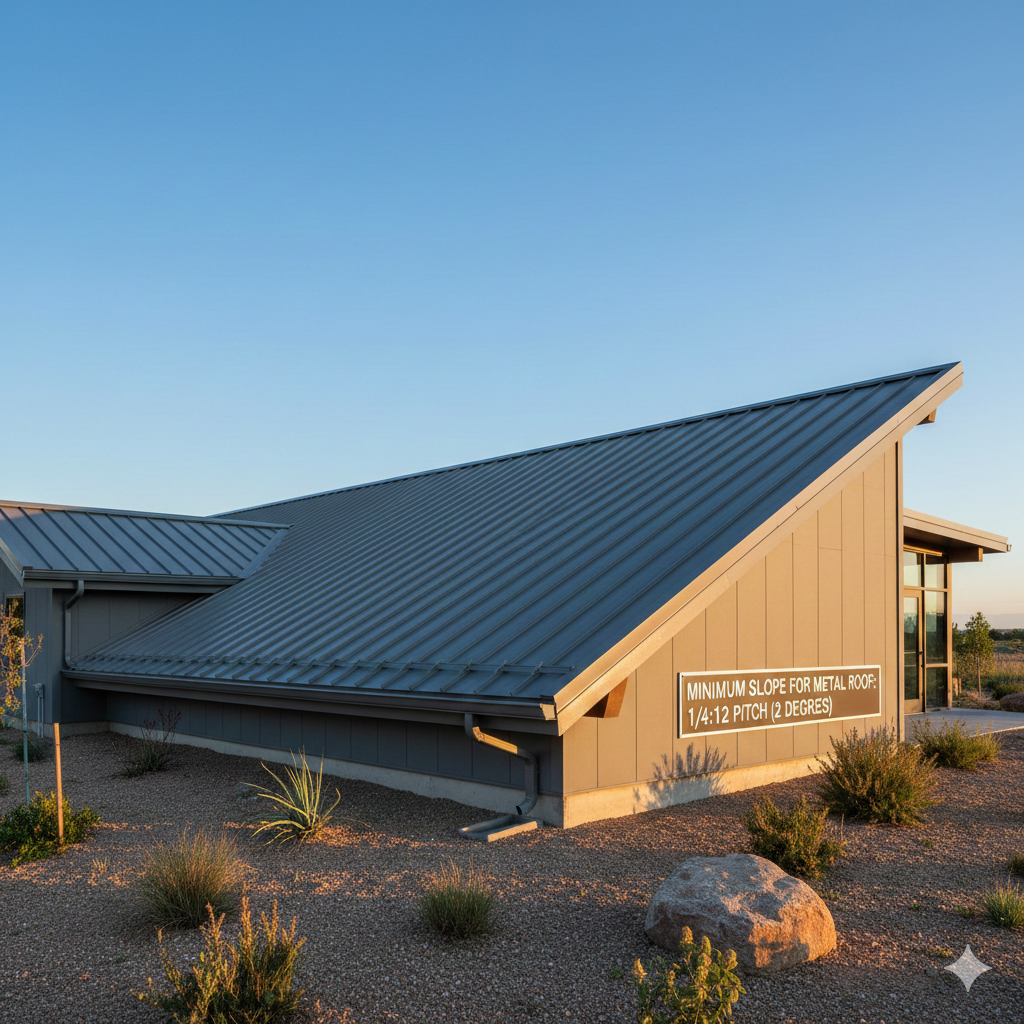
Understanding Minimum Slope Requirements for Metal Roofing Systems
Metal roofing has revolutionized residential and commercial construction with its durability, longevity, and aesthetic appeal. However, proper installation requires understanding the minimum slope for metal roof applications to ensure optimal performance and prevent water infiltration.
The minimum slope for metal roof systems varies depending on the specific type of metal panel, seaming method, and manufacturer specifications. Proper pitch is critical for water drainage, snow shedding, and overall roof longevity.
Understanding the minimum slope for metal roof installations helps prevent costly mistakes and ensures building code compliance. Different metal roofing profiles require different minimum slopes to function effectively.
What Defines the Minimum Slope for Metal Roof Systems
The minimum slope for metal roof installations refers to the smallest acceptable angle at which metal roofing panels can be installed while maintaining proper water drainage and structural integrity. This measurement is typically expressed as a ratio of vertical rise to horizontal run.
Building codes and manufacturer specifications dictate the minimum slope for metal applications. These requirements exist to prevent water pooling, ice damming, and premature material failure.
Most standing seam metal roofing systems require a minimum slope for metal applications of at least 1:12, meaning one inch of vertical rise for every twelve inches of horizontal run. However, some specialized systems can accommodate lower slopes.
The minimum slope for metal installations also depends on climate conditions, expected rainfall, snow load, and local building requirements. Manufacturers provide specific guidelines for their products based on extensive testing.
Corrugated metal panels typically require a steeper minimum slope for metal applications compared to standing seam systems. Understanding these distinctions is essential for proper installation planning.
Minimum Slope Requirements by Metal Roof Type
Different metal roofing profiles have varying minimum slope for metal roof requirements based on their design and water-shedding capabilities.
Standing Seam Metal Roofing
Standing seam systems generally require a minimum slope for metal roof installations of 1:12 or greater. Some manufacturers offer low-slope systems that can be installed on slopes as low as 0.5:12 with proper underlayment and sealants.
The raised seams in standing seam profiles provide excellent water channeling, making them suitable for lower minimum slope for metal applications compared to other metal roofing types.
Corrugated Metal Panels
Corrugated metal roofing typically requires a minimum slope for metal roof installations of 3:12. The wave pattern in corrugated panels needs adequate pitch to prevent water from flowing horizontally across the panel surface.
Some corrugated metal products can be installed at a 2:12 minimum slope for metal applications when additional waterproofing measures are implemented. Always verify manufacturer specifications before installation.
Metal Shingles and Tiles
Metal shingles usually require a minimum slope for metal roof installations of 3:12 or steeper. These interlocking systems depend on gravity for proper water shedding and cannot accommodate very low slopes.
Metal tile systems often require an even steeper minimum slope for metal applications, typically 4:12 or greater, due to their profile design and installation method.
How to Calculate the Minimum Slope for Metal Roof Projects
Calculating the minimum slope for metal roof installations involves measuring the vertical rise over a horizontal run. This calculation determines whether your roof meets the requirements for your chosen metal roofing system.
To calculate slope, measure the vertical rise in inches over a 12-inch horizontal distance. For example, a 3:12 slope rises 3 inches for every 12 inches of horizontal run.
Use a level and measuring tape to determine your existing roof slope. Place a 12-inch level horizontally on the roof surface, then measure vertically from the roof to the level’s end point.
Professional roofers use specialized tools like digital inclinometers to precisely measure the minimum slope for metal roof applications. These devices provide accurate readings crucial for determining system compatibility.
If your roof slope falls below the minimum slope for metal roof requirements for your chosen system, consider alternative metal roofing products designed for low-slope applications or structural modifications to increase pitch.
Always verify that your calculated slope meets or exceeds the minimum slope for metal specifications provided by your chosen manufacturer and local building codes.
Finding Professional Contractors for Minimum Slope Metal Roof Installation
Finding qualified contractors experienced with minimum slope for metal roof installations requires research and due diligence. Not all roofing contractors have expertise in metal roofing systems.
Start by searching for metal roofing specialists in your area who understand the minimum slope for metal roof requirements for different systems. Check online reviews, licensing status, and insurance coverage.
Request references from contractors and contact previous clients about their experience with minimum slope for metal roof projects. Ask about adherence to manufacturer specifications and long-term performance.
Verify that contractors are certified by metal roofing manufacturers. Many manufacturers offer training programs and certification for installers who demonstrate proficiency with their products and understand minimum slope for metal roof requirements.
Obtain multiple quotes from contractors experienced with the minimum slope for metal roof specifications for your chosen system. Compare not just pricing but also warranty coverage and installation timeline.
Ask potential contractors about their experience with projects similar to yours, particularly those involving challenging minimum slope for metal roof conditions. Experience matters significantly in metal roofing installation.
How to Buy Metal Roofing Materials for Minimum Slope Applications
Purchasing metal roofing materials suitable for your minimum slope for metal roof project requires understanding product specifications and supplier options.
-
Contact metal roofing manufacturers directly to discuss minimum slope for metal roof requirements for your project
-
Visit local roofing supply distributors who specialize in metal roofing products
-
Request product literature detailing minimum slope for metal roof specifications for each system
-
Compare pricing from multiple suppliers while ensuring products meet your slope requirements
-
Verify that materials include proper underlayment and accessories for minimum slope for metal roof installations
When buying materials for minimum slope for metal roof projects, ensure all components are compatible and meet manufacturer specifications. This includes panels, fasteners, trim pieces, and waterproofing materials.
Many suppliers offer package deals for complete minimum slope for metal roof systems, including all necessary components. These packages often provide cost savings compared to purchasing items separately.
Order materials well in advance of installation, as some specialized minimum slope for metal roof products may require custom fabrication or extended lead times.
Consider purchasing extra panels and accessories to account for cutting waste and potential damage during the minimum slope for metal roof installation process.
Cost Factors for Minimum Slope Metal Roof Systems
Understanding the costs associated with minimum slope for metal roof installations helps with budgeting and planning. Multiple factors influence the total investment required.
Material costs for minimum slope for metal roof systems vary significantly based on panel type, gauge thickness, and finish quality. Standing seam systems typically cost more than corrugated panels but offer superior performance on lower slopes.
Labor costs for minimum slope for metal roof installations depend on project complexity, roof accessibility, and contractor experience. Specialized low-slope systems may require more installation time and expertise.
Additional waterproofing requirements for minimum slope for metal roof applications increase overall costs. Projects with slopes near the minimum threshold often need enhanced underlayment and sealants.
-
Material costs: $4-12 per square foot depending on system type
-
Labor costs: $3-8 per square foot for professional installation
-
Underlayment and accessories: $1-3 per square foot
-
Permits and inspections: $200-1,000 depending on location
-
Removal of existing roofing: $1-3 per square foot if applicable
The total cost for a minimum slope for metal roof project typically ranges from $8,000 to $25,000 for an average residential home, with larger or more complex projects costing significantly more.
Investing in proper installation for minimum slope for metal roof systems prevents costly repairs and ensures long-term performance. Cutting corners on installation quality can lead to water damage and premature failure.
Installation Timeline for Minimum Slope Metal Roof Projects
The installation timeline for minimum slope for metal roof systems varies based on project size, weather conditions, and crew size. Proper planning ensures efficient completion.
Small residential minimum slope for metal roof projects typically take 2-5 days to complete with an experienced crew. Larger homes or complex roof designs may require 1-2 weeks.
Weather significantly impacts installation schedules for minimum slope for metal roof projects. Rain delays are common, and installation should not occur during wet conditions to prevent moisture entrapment.
Preparation work, including removing existing roofing and repairing deck damage, adds time to minimum slope for metal roof projects. This phase can take 1-3 days depending on roof condition.
Installing underlayment and moisture barriers for minimum slope for metal roof systems requires careful attention and proper conditions. This critical step typically takes 1-2 days.
Panel installation for minimum slope for metal roof projects proceeds relatively quickly once preparation is complete. Experienced crews can install 1,000-2,000 square feet of panels per day.
Final trim work and detail finishing for minimum slope for metal roof installations requires precision and typically takes 1-2 days. Proper flashing and edge trim are crucial for performance.
Step-by-Step Installation Process for Minimum Slope Metal Roofs
Proper installation procedures for minimum slope for metal roof systems ensure optimal performance and longevity. Following manufacturer guidelines is essential.
- Verify the existing roof structure meets minimum slope for metal requirements for your chosen system
- Remove existing roofing materials and inspect the roof deck for damage
- Repair any damaged decking and ensure a solid, flat substrate
- Install appropriate underlayment designed for minimum slope for metal applications
- Apply ice and water shield at critical areas like eaves, valleys, and penetrations
- Install drip edge and starter strips according to minimum slope for metal specifications
- Begin panel installation at the eave, ensuring proper overlap and fastening
- Install subsequent panels following manufacturer spacing and fastening requirements
- Add ridge caps, hip caps, and trim pieces designed for minimum slope for metal systems
- Seal all penetrations and install flashing around chimneys, vents, and skylights
- Conduct final inspection to verify proper installation and adequate drainage
Each step in the minimum slope for metal roof installation process requires attention to detail. Proper fastening patterns prevent wind uplift and ensure weather-tightness.
Pay special attention to sealant application in minimum slope for metal installations. Low-slope applications require additional sealant at panel seams and fastener locations.

Maintenance Requirements for Minimum Slope Metal Roof Systems
Regular maintenance extends the lifespan of minimum slope for metal installations and prevents minor issues from becoming major problems. Establish a maintenance schedule after installation.
Inspect minimum slope for metal roof systems twice annually, in spring and fall. Look for loose fasteners, damaged panels, and debris accumulation that could impede drainage.
Clean debris from minimum slope for metal roof surfaces to maintain proper water flow. Leaves, branches, and dirt can accumulate and create dam points where water pools.
Cleaning Procedures:
-
Remove large debris by hand or with a leaf blower
-
Wash minimum slope for metal roof surfaces with mild detergent and water
-
Rinse thoroughly to remove all soap residue
-
Avoid pressure washers that could damage protective coatings
-
Clean gutters and downspouts to ensure complete drainage system function
Check sealants and caulking on minimum slope for metal roof installations annually. Reapply sealant where cracks or gaps appear to maintain waterproof integrity.
Inspect fasteners on minimum slope for metal roof systems for signs of loosening or corrosion. Tighten or replace fasteners as needed to maintain proper panel attachment.
Address any scratches or coating damage to minimum slope for metal roof panels promptly. Touch-up paint prevents rust formation and maintains appearance.
Advantages of Proper Minimum Slope for Metal Roof Design
Adhering to proper minimum slope for metal roof requirements provides numerous benefits for building owners and occupants. These advantages justify the importance of correct installation.
Performance Benefits:
-
Superior water drainage prevents leaks and moisture intrusion
-
Reduced ice dam formation in cold climates
-
Better snow shedding reduces structural load
-
Extended roof lifespan through proper water management
-
Lower maintenance requirements over time
Properly designed minimum slope for metal roof systems resist weather damage more effectively than incorrectly installed systems. Adequate pitch ensures water moves off the roof quickly.
Energy efficiency improves with proper minimum slope for metal roof installations. Metal roofing reflects solar radiation, and correct pitch enhances natural ventilation beneath the panels.
Aesthetic appeal increases when minimum slope for metal roof specifications are followed. Visible water staining or sagging indicates improper slope and detracts from appearance.
Insurance benefits often accompany proper minimum slope for metal roof installations. Some insurers offer premium discounts for metal roofing systems that meet or exceed code requirements.
Property value increases with correctly installed minimum slope for metal roof systems. Buyers appreciate the durability and low maintenance requirements of properly designed metal roofs.

Challenges and Solutions for Minimum Slope Metal Roof Projects
Installing minimum slope for metal roof systems presents unique challenges that require careful planning and expert execution. Understanding these challenges helps ensure successful outcomes.
Common Challenges:
-
Existing roof structures below minimum slope for metal roof requirements
-
Water ponding on low-slope sections
-
Condensation issues in minimum slope for metal roof applications
-
Ice dam formation at eaves
-
Wind-driven rain infiltration
When existing slopes fall below the minimum slope for metal roof requirements for standard systems, consider specialized low-slope metal roofing products designed for pitches as low as 0.5:12.
Water ponding on minimum slope for metal installations indicates inadequate drainage. Solutions include increasing slope through tapered insulation, improving drainage paths, or installing additional scuppers.
Condensation management in minimum slope for metal systems requires proper ventilation and vapor barriers. Install ventilation channels beneath panels to prevent moisture accumulation.
Ice dams at eaves of minimum slope for metal roof installations can be mitigated with heat cables, improved insulation, and proper ventilation. These measures maintain more uniform roof temperatures.
Wind-driven rain poses challenges for minimum slope for metal roof systems. Enhanced sealant application, properly installed underlayment, and adequate panel overlap prevent water infiltration during storms.
Detailed Technical Specifications for Metal Roof Slopes
Understanding Minimum Slope Fundamentals
The minimum slope for a metal roof represents the shallowest pitch at which metal roofing panels can be installed while maintaining proper water shedding and preventing leaks. This fundamental measurement ensures structural integrity and weather resistance throughout the roof’s lifespan. Most building codes require specific minimum slopes based on roofing material type, with metal roofing systems offering flexibility for various architectural designs. Professional installers must understand these requirements to avoid warranty violations and ensure long-term performance of the roofing system.
Minimum Roof Pitch Requirements for Metal Systems
The minimum roof pitch for metal roofing depends significantly on the panel profile and seaming method employed. Standing seam systems typically accommodate lower pitches due to their continuous seam design that prevents water infiltration. Most manufacturers specify a 1:12 pitch as standard, though some approved systems can be installed on pitches as low as 0.5:12 with enhanced weatherproofing measures. The minimum pitch requirements also vary based on climate conditions, expected precipitation levels, and snow load calculations for the region where installation occurs.
Standing Seam Metal Roof Slope Requirements
The minimum slope for standing seam metal roof installations typically ranges from 0.5:12 to 1:12, depending on manufacturer specifications and panel design. Standing seam systems feature raised seams that run vertically along the roof slope, creating channels that effectively direct water downward even on relatively shallow pitches. The continuous seams mechanically lock together without exposed fasteners, reducing potential leak points and allowing for lower slope applications. Some standing seam products require additional sealant at seams when installed on slopes below 2:12 to ensure complete weather protection.
Corrugated Metal Roofing Slope Specifications
The minimum slope for corrugated metal roof installations generally requires a steeper pitch than standing seam systems, typically 3:12 or greater. Corrugated panels feature repeating wave patterns that rely on gravity and adequate pitch to shed water effectively. The exposed fastener installation method used with corrugated metal creates potential leak points that require proper slope for protection. Some manufacturers approve corrugated metal for 2:12 slopes when installed with additional underlayment and sealant, but optimal performance occurs at steeper pitches where water drainage happens more reliably.

Frequently Asked Questions
What happens if the minimum slope for metal roof is not met?
Installing metal roofing below the minimum slope for metal roof requirements can lead to water ponding, leaks, and premature failure. Water may flow laterally beneath seams rather than down the slope, causing moisture infiltration. Most manufacturer warranties become void when minimum slope for metal specifications are not followed.
Can minimum slope for metal roof requirements vary by location?
Yes, local building codes may impose stricter minimum slope for metal requirements based on climate conditions. Areas with heavy rainfall or snow accumulation often require steeper pitches than drier climates. Always verify local code requirements alongside manufacturer specifications for slope for metal roof installations.
How do I measure my roof slope to verify minimum slope for metal roof compliance?
Place a 12-inch level horizontally on the roof surface. Measure vertically from the roof to the level’s end point. This measurement in inches represents the rise over 12 inches of run, confirming your roof meets minimum slope for metal roof requirements.
Are there metal roofing options for slopes below standard minimum slope for metal roof requirements?
Specialized low-slope metal roofing systems are available for pitches below standard minimum slope for metal roof thresholds. These systems incorporate additional sealant, enhanced underlayment, and modified panel profiles to perform on slopes as low as 0.5:12.
Does the minimum slope for metal roof affect installation cost?
Yes, roofs near the minimum slope for metal roof requirements typically cost more to install due to additional waterproofing measures required. Enhanced underlayment, extra sealant, and more careful installation procedures increase labor costs compared to steeper roof applications.
How often should minimum slope for metal roof systems be inspected?
Inspect minimum slope for metal roof installations at least twice annually, particularly after severe weather events. Low-slope systems require more frequent inspection than steeper roofs to ensure drainage paths remain clear and sealants remain intact.
Can I increase my roof slope to exceed minimum slope for metal roof requirements?
Yes, existing roof structures can be modified to increase pitch using tapered insulation, additional framing, or structural modifications. Increasing slope beyond minimum slope for metal roof requirements improves performance and expands product options.
Conclusion
Understanding and adhering to minimum slope for metal roof requirements is essential for successful roofing projects that deliver long-lasting performance and weather protection. The minimum slope for metal installations varies by panel type, with standing seam systems accommodating lower pitches than corrugated or metal shingle products. Proper calculation, professional installation, and regular maintenance ensure that minimum slope for metal systems perform optimally throughout their lifespan.
Whether you’re planning a new construction project or replacing an existing roof, consulting with experienced metal roofing professionals about slope for metal roof specifications provides the guidance needed for informed decisions. By following manufacturer requirements and building codes for slope for metal roof installations, you protect your investment and ensure decades of reliable service from your metal roofing system.
🏗️ Other Resources
Explore these expert guides to understand the minimum pitch required for metal roofs and the best practices for low-slope installations:
-
Bill Ragan Roofing – Minimum Pitch for Metal Roof – Clear explanation of slope requirements and performance considerations.
-
First American Roofing – Minimum Slope Guide – Defines minimum pitch for different metal roofing systems.
-
Western States Metal Roofing – Low-Slope Metal Panels – Best panel types for low-slope roofs and installation tips.
-
Best Roof Help – Minimum Slope for Metal Roof – Quick breakdown of slope rules and roof suitability.
🔎 Other Helpful Articles
-
Roofing Leads – How to generate consistent roofing customers.
-
Tile Roof Repair – How to repair cracked or broken roofing tiles.
-
Leaky Roof Repair – Step-by-step guide to fixing roof leaks.