
Roof Flashing Guide 2025: Powerful Benefits & Costs
Roof Flashing Guide 2025: Powerful Benefits & Costs
Roof flashing is one of the most essential protection elements in every modern roofing system. Without proper metal sealing around joints and penetrations, water can infiltrate quickly and cause costly structural problems. Many homeowners search for reliable solutions, and this topic remains a priority for roofing professionals aiming to improve durability.
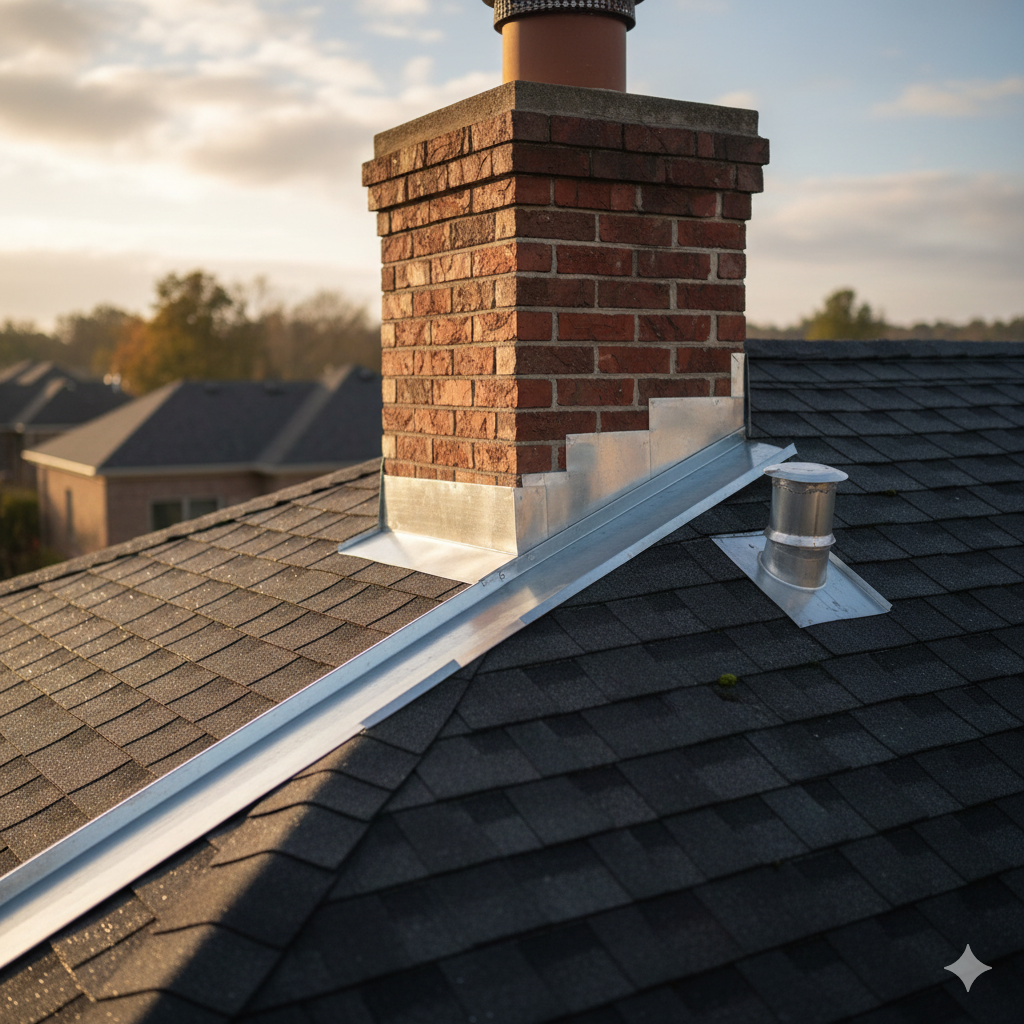
The concept involves using thin metal sheets to divert water away from joints, edges, and roof openings. It prevents moisture infiltration around chimneys, skylights, vents, walls, and valleys. The right choice of materials and installation techniques greatly increases a roof’s lifespan.
What It Is and Why It Matters
This protective component keeps water from entering roof intersections. It acts as a durable barrier and channels moisture toward safe drainage areas. In areas exposed to heavy rain or snow, this system is the first line of defense for preventing interior damage.
Different materials are used in modern roofs, including galvanized steel, copper, aluminum, and zinc. Homeowners often choose galvanized metal due to affordability, while premium projects prefer copper for longevity and visual appeal.
How to Do It Correctly
Proper installation is crucial for long-term results. Even the strongest metal will fail if gaps or loose fasteners are left behind. Here is a simplified outline:
- Measure the joint or penetration.
- Cut the metal sheet to size.
- Bend the material to fit tightly around the area.
- Secure it using roofing-grade nails or screws.
- Seal edges with high-quality roofing sealant.
- Overlap pieces to ensure water flows away naturally.
Roofers must also ensure compatibility between flashing and roofing material. For example, aluminum reacts negatively when placed directly against concrete, so an underlayment barrier becomes essential.
How Much You Can Expect to Pay
The cost depends on the material, roof structure, and labour rate in the region. Below is an average price guide:
- Galvanized steel: $5–$12 per linear foot
- Aluminum: $6–$15 per linear foot
- Copper: $15–$40 per linear foot
- Zinc: $18–$35 per linear foot
Complex roofs with multiple chimneys or skylights generally cost more because they require custom-shaped pieces. Hiring a professional avoids installation errors that could lead to serious leaks.
How Long It Lasts
The average lifespan varies:
- Galvanized steel: 20–30 years
- Aluminum: 15–25 years
- Copper: 50+ years
- Zinc: 40–70 years
Longevity increases dramatically when regular inspections are performed. Roofers often check for corrosion, detachment, or sealant deterioration.

How to Install the Right Way
Although many homeowners attempt DIY installation, expert roofing contractors achieve far better results. Here are essential steps:
- Step 1: Preparation
- Clean the work area and remove any old materials.
- Step 2: Positioning
- Fit the metal around the opening or joint, ensuring the downward slope directs flow.
- Step 3: Securing
- Fasten the material firmly but avoid over-tightening, which causes bending.
- Step 4: Sealing
- Use weather-resistant sealants around edges and nails.
- Step 5: Final Inspection
- Check for wrinkles, openings, or non-aligned overlaps.
Advantages and Challenges Connected to Roof Flashing
Advantages
- Protects from leaks
- Extends roof lifespan
- Enhances energy efficiency
- Low maintenance when installed well
- Resists severe weather conditions
Challenges
- Metal corrosion in coastal zones
- Improper installation leads to leaks
- Compatibility issues with certain materials
- Higher cost for premium metals
- Hidden damage often requires professional inspection
Frequently Asked Questions (FAQ)
- 1. What is the main purpose of roof flashing?
- It directs water away from vulnerable roof joints and prevents leaks.
- 2. How often should it be inspected?
- Once a year, and after major storms.
- 3. Can I install it myself?
- DIY is possible, but hiring a professional ensures proper sealing and longevity.
- 4. What is the best metal to use?
- Copper lasts the longest, while galvanized steel remains the most affordable.
- 5. Does damaged flashing cause roof leaks?
- Yes. Even small cracks or gaps allow moisture to enter.
- 6. Should sealant be used?
- Yes, but sealant must be paired with correct metal installation, not used as a substitute.
- 7. How long does the installation take?
- Typically 1–3 hours depending on complexity.
Conclusion
Roof flashing remains one of the most reliable defenses against moisture infiltration. With proper material choice, expert installation, and regular inspections, homeowners enjoy a secure and long-lasting roof. For anyone planning a roofing project, investing in this protective component is essential. Its durability, versatility, and weather resistance make it a top priority for reducing long-term repair expenses.
Other Resources
Home Depot – Roof Flashing Large selection of roof flashing materials for all roofing types.
IKO – What Is Roof Flashing? Complete guide explaining roof flashing types and installation methods.
Lowe’s – Roof Flashing Products Wide range of roof flashing options available for online purchase.
Other Helpful Guides
Additional resources from Roofing-COP for deeper roofing insights:
Roofing-COP – Metal Roof Cost Guide Detailed breakdown of metal roof pricing and installation cost factors.
Roofing-COP – Roofing COP Code of Practice Overview of essential COP standards and compliance requirements.
Roofing-COP – Standing Seam Metal Roof Full guide to standing seam metal roofing advantages and installation details.