
Roof Leak Repairs : Costs, Steps, Installation and Solutions
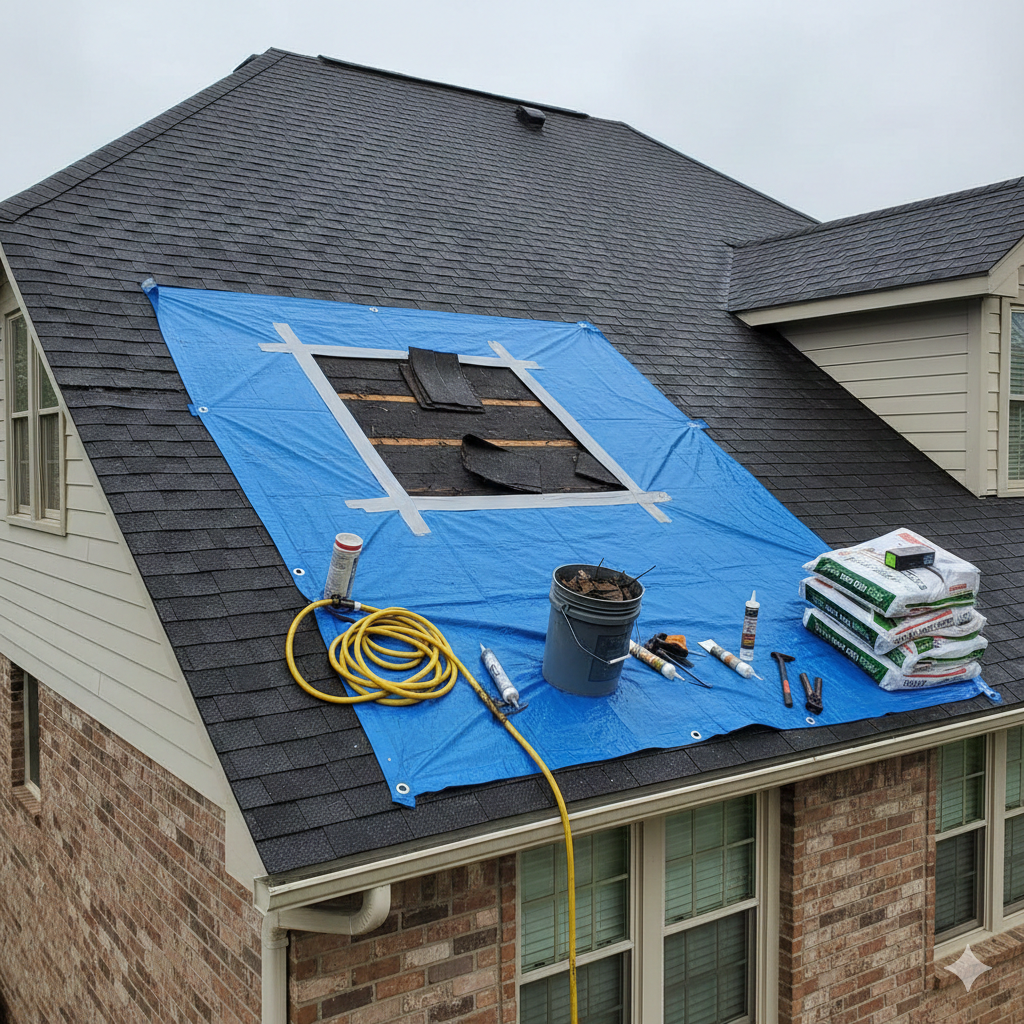
The Ultimate Roof Leak Repairs Guide for Homeowners
Managing roof leak repairs is one of the most important tasks for any homeowner who wants to protect their property from water damage. Roof leaks can cause hidden structural issues, mold growth, insulation deterioration, and high long-term repair costs if not treated early. This guide explains everything from what roof leak repairs involve, to how long they take, how much they cost, how they are done, and the challenges homeowners face.
What Roof Leak Repairs Involve
Roof leak repairs describe any maintenance or intervention to stop water infiltration and restore the integrity of a roofing system. These repairs can range from small patching jobs to large-scale structural corrections depending on the severity of the damage.
Common elements checked during a repair include:
- Missing or cracked shingles
- Damaged flashing around chimneys or vents
- Worn roof valleys
- Poor gutter drainage
- Roof membrane deterioration
- Rotten wood decking
Short, simple inspections often reveal early signs of trouble, helping homeowners avoid expensive surprises.
How to Perform Roof Leak Repairs Step by Step
Here is a simple breakdown of how professionals and skilled DIY homeowners approach roof leak repairs:
- 1. Identify the Source of Moisture
Moisture detection requires checking the attic, insulation, underlayment, and shingles. Many leaks originate far from the visible drip point.
- 2. Remove Damaged Materials
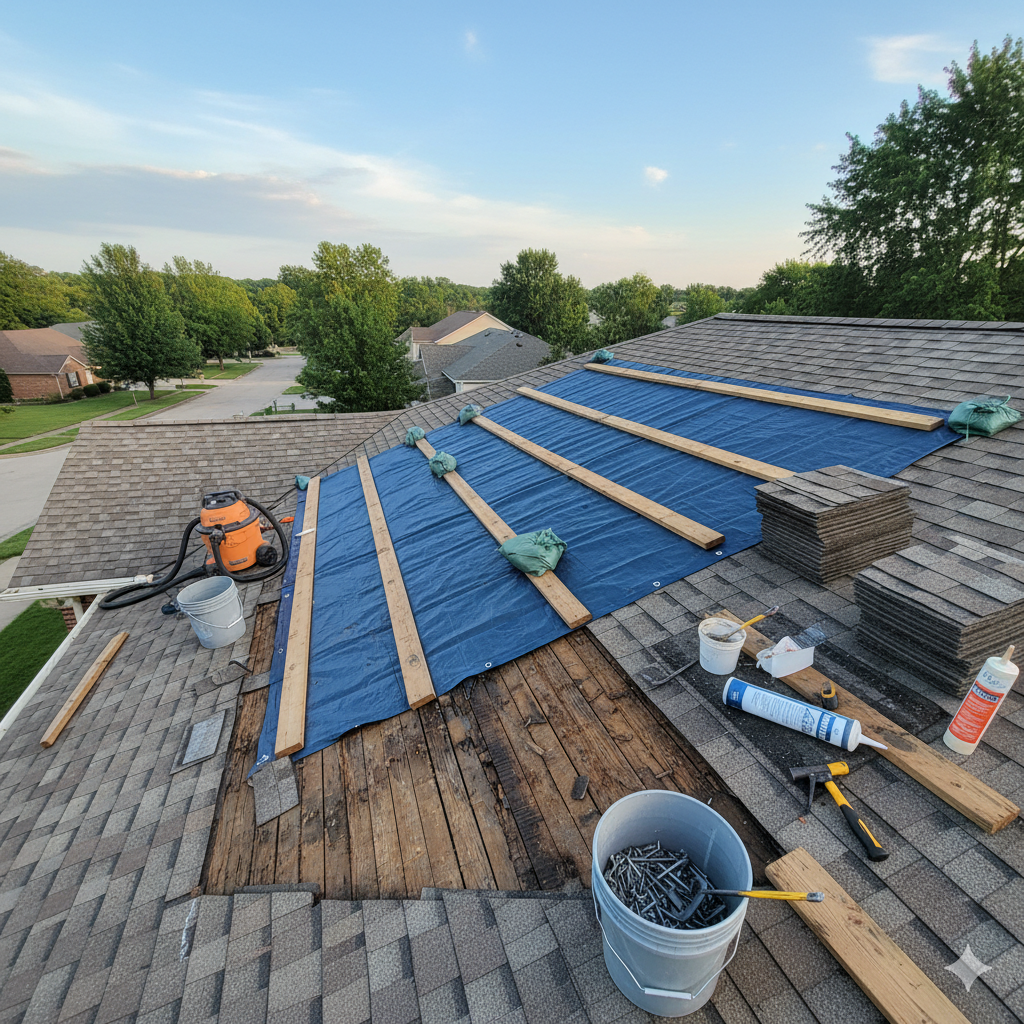
This may include worn shingles, rusted flashing, or deteriorated wood decking.
- 3. Clean the Repair Area
Debris, nails, and old adhesive must be removed. Clean surfaces ensure better adhesion and longer-lasting results.
- 4. Install Replacement Materials
Depending on the roof type, this may include:
-
- New shingles
- New flashing
- Roof sealant
- Underlayment patches
- A new membrane section
5. Seal and Waterproof
A waterproof barrier is essential to prevent future infiltration.
- 6. Test the Repair
A water-hose simulation helps confirm if the roof leak repairs were successful.
How Much Roof Leak Repairs Cost
Costs depend on roof material, damage severity, labor rates, and accessibility. Here is an average cost range:
| Type of Repair | Average Cost |
|---|---|
| Minor shingle replacement | $150 – $350 |
| Flashing repair | $200 – $500 |
| Leak around chimney | $300 – $1,000 |
| Roof valley repairs | $400 – $1,200 |
| Full membrane patch | $300 – $800 |
| Structural wood deck repairs | $600 – $2,500 |
Large roofs, steep pitch, or older structures usually increase pricing.
How Long Roof Leak Repairs Take
The repair duration varies:
- Minor repairs: 1–2 hours
- Flashing replacement: 2–4 hours
- Valley leak repairs: Half-day
- Structural repairs: 1–2 days
Full roofing membrane patches: 3–6 hours
Weather conditions, roof height, and material availability also influence repair time.
How Roof Leak Repairs Are Installed Properly
Professionals follow industry-standard steps to ensure longevity:
- Proper removal of damaged shingles and flashing
- Correct overlap of new materials
- High-quality roofing nails
- Ice & water shield application where needed
- Sealing gaps with advanced polymer-based sealants
- Following manufacturer specifications
Correct installation ensures the repair holds up for years against wind, rain, and UV exposure.
Advantages of Roof Leak Repairs
Roof leak repairs offer many significant benefits:
- Prevent structural damage: Stops water from reaching interior walls and framing.
- Increase home value: A well-maintained roof boosts property appeal.
- Extend roof lifespan: Small fixes avoid expensive full replacements.
- Improve energy efficiency: Leak-free insulation performs better.
- Reduce mold risks: Moisture control keeps living spaces healthier.
- Lower long-term maintenance costs: Early intervention saves big money later.
Challenges Connected to Roof Leak Repairs
Despite their importance, roof leak repairs present a few challenges:
- Locating the exact leak point is difficult. Water often travels before appearing inside.
- High roofs or steep pitches require specialized safety equipment.
- DIY errors can worsen the leak if materials are installed incorrectly.
- Weather limitations: Rain, frost, or strong wind delays repairs.
- Hidden structural damage: Rotten decking may require full replacement.
Understanding these challenges helps homeowners appreciate the need for proper assessment.
FAQ About Roof Leak Repairs
- 1. What causes most roof leaks?
- Common causes include damaged shingles, cracked flashing, clogged gutters, poor installation, and aging roofing material.
- 2. Can I do roof leak repairs myself?
- Minor repairs are possible for experienced DIYers, but complex leaks should be handled by professionals for safety and durability.
- 3. How do I know if my roof is leaking?
- Look for water stains, damp insulation, moldy smells, peeling paint, or visible drips inside your home.
- 4. Should I repair or replace the whole roof?
- If the roof is under 15 years old, repairs are usually enough. Older roofs with repeated leaks may require replacement.
- 5. How often should I inspect my roof?
- Twice a year—preferably in spring and fall—and after storms.
- 6. Are roof leak repairs covered by insurance?
- Damage from storms or accidents is often covered. Wear and tear usually is not.
- 7. What if the leak returns after repair?
- A qualified contractor should re-inspect the area and provide a warranty-based solution.
Conclusion
Effective roof leak repairs protect your home’s structure, improve energy efficiency, and prevent expensive long-term damage. Understanding the repair process, cost ranges, and challenges helps homeowners make informed decisions and respond quickly when the first signs of leakage appear. Regular inspections and timely intervention remain the key to extending your roof’s lifespan and ensuring long-term safety.
Other Resources
Explore more guides, tools, and expert insights related to standing seam metal roofs and roofing systems:
-
Sheffield Metals – Standing Seam Roofing Guide – Complete educational resource covering materials, profiles, and installation.
-
MBCI – LokSeam® Panels – High-quality standing seam metal roof panels for residential and commercial use.
Our Other Acrticles