
Roof Sealant: 8 Expert Secrets for Stronger Protection
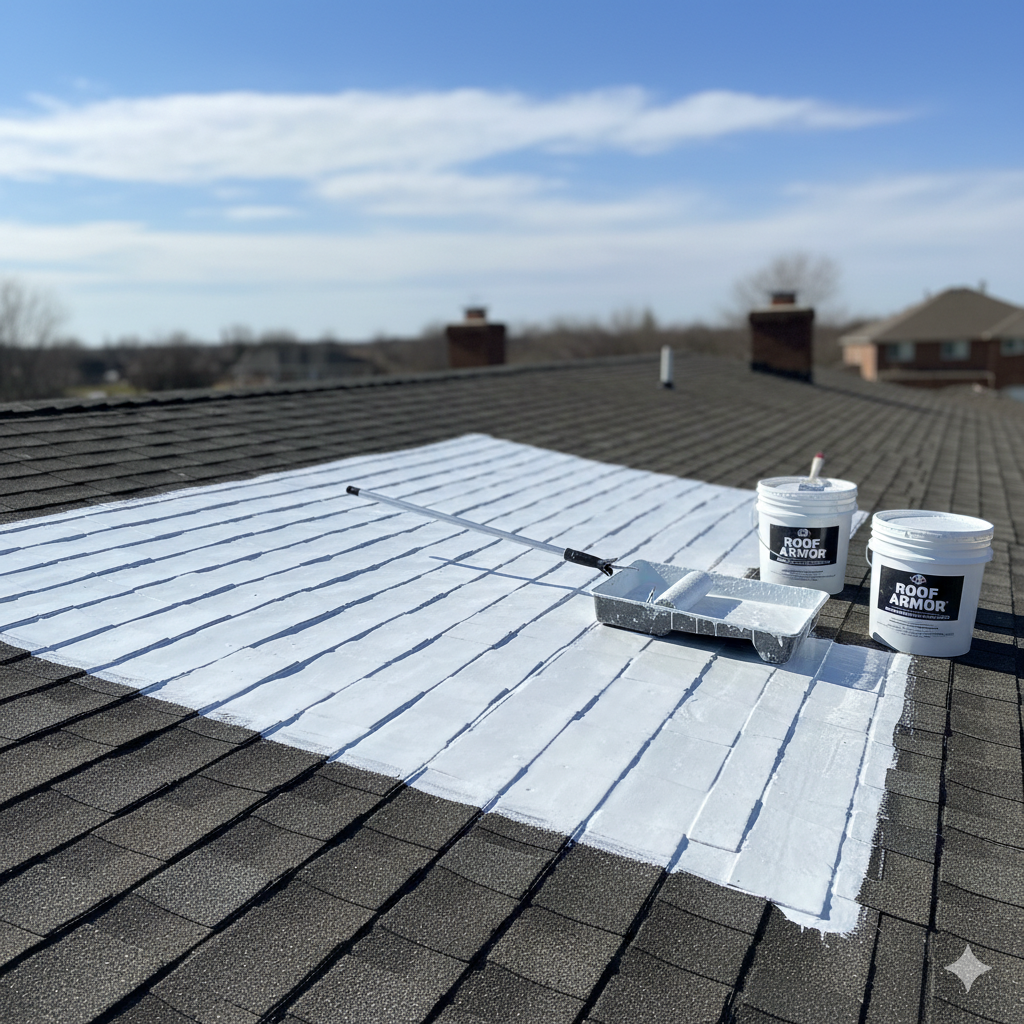
Roof Sealant: 8 Ultimate Ways to Protect Your Home
Choosing the right roof sealant is one of the most effective ways to extend roof life, avoid expensive repairs, and maintain strong weather resistance. Homeowners and building managers rely on these protective products to waterproof vulnerable areas, restore aging surfaces, and improve overall durability. Whether you manage a residential home or a commercial facility, understanding this material its nature, application method, installation cost, and lifespan—is essential for long-term performance.
This complete guide explains what it is, how it works, how to install it, how much you should expect to pay, and the advantages and challenges of using it.
What Is a Roof Sealant?
roof sealant is a protective coating designed to create a flexible, watertight layer over roofing surfaces.
It prevents rain infiltration, UV degradation, and small structural movements that typically cause cracks.
Depending on the formulation, it can be applied to asphalt shingles, metal roofing, EPDM membranes, BUR roofs, concrete, or even RV roofs.
Several major categories exist:
- Silicone-based formulas for strong UV resistance.
- Acrylic-based coatings suited for sunny climates.
- Polyurethane options for zones with heavy foot traffic.
- Rubber and elastomeric versions for high elasticity and expansion.
How to Use and Apply It Correctly
Short, simple steps help achieve maximum performance:
- Inspect the roof to find cracks, gaps, and vulnerable areas.
- Clean the surface by removing dust, debris, mold, or old peeling coating.
- Repair significant cracks using filler products.
- Apply primer if the manufacturer recommends it.
- Spread the coating using a brush, squeegee, or sprayer.
- Allow complete drying before exposing it to rain or foot traffic.
- Add a second layer when necessary for high-resistance zones.
Most modern coatings are user-friendly and can be installed in a DIY process, although professional installation ensures better adhesion and longevity.

How Long roof sealant Last?
The lifespan varies depending on material quality, climate conditions, and maintenance frequency.
Typical durability ranges:
- Acrylic versions: 5–8 years
- Silicone types: 10–15 years
- Polyurethane coatings: 7–10 years
- Rubber and elastomeric options: 8–12 years
Periodic inspections extend longevity and help prevent premature degradation from UV rays or heavy rainfall.
How Much Does It Cost?
Costs depend on the type, brand, and roof size.
Average estimates:
- Material cost: €1.50 to €5 per square foot
- Professional installation: €3 to €7 per square foot
- DIY application cost: lower, usually limited to buckets, rollers, and cleaning supplies
For an average home roof of 1,500 sq ft, the total cost ranges from €1,500 to €7,500 depending on chosen materials and labor.
How to Install roof sealant (Step-by-Step Method)
1. Surface Preparation
A clean, dry, and smooth surface guarantees better adhesion. Dirt, moss, and old peeling layers must be removed before any application.
2. Priming (Optional but Recommended)
Certain roofing materials such as metal or EPDM require a primer to strengthen bonding.
3. First Application Layer
Spread a uniform coat using a roller. Ensure full coverage around edges, joints, fasteners, and seams.
4. Drying Time
Most coatings require 4–24 hours to dry, depending on thickness and weather.
5. Second Layer
A final coat ensures long-term tensile strength and overall waterproofing.
Advantages of Using roof sealant
1. Enhanced Weather Resistance
It offers strong UV, heat, and rain protection.
Ideal for harsh climates where roofs deteriorate quickly.
2. Prevents Costly Leaks
Forms a barrier that blocks water infiltration and reduces moisture problems inside the structure.
3. Extends Roof Lifespan
Adds extra years to older surfaces without replacing the entire structure.
4. Energy Efficiency
Reflective versions lower heat absorption, reducing cooling expenses.
5. Affordable Maintenance
Lower cost compared to full roof replacement.
DIY-friendly options make upkeep easier.
Challenges You Should Consider
1. Requires Proper Weather Conditions
It cannot be applied during rainy, extremely cold, or very humid weather.
2. Surface Preparation Takes Time
Dirty or damaged surfaces require intense cleaning and repair.
3. Limited Lifespan
Unlike a full roof replacement, coatings need renewal after several years.
4. Not Suitable for All Roof Types
Some roofing materials require special formulas for proper adhesion.
Frequently Asked Questions for roof sealant (FAQ)
- 1. Does it stop existing leaks?
- It can block small leaks, but large structural damages must be repaired before application.
- 2. How many coats are necessary?
- Most products recommend two coats for optimal durability.
- 3. Can it be used on metal roofing?
- Yes. Silicone and polyurethane coatings provide excellent adhesion on metallic surfaces.
- 4. Is DIY application safe?
- Yes, as long as proper tools and safety measures are used. However, professional installers offer more durable results.
- 5. How long does it take to dry?
- Between 4 and 24 hours depending on environmental conditions and coating thickness.
- 6. Does it improve energy efficiency?
- Reflective types reduce heat absorption and lower cooling bills in summer.
Conclusion
Using a quality roof sealant is a smart way to protect your property, prevent leaks, and extend the lifespan of any roofing system. Its versatility, affordable cost, and ability to provide strong weather resistance make it a preferred choice for homeowners and professionals alike. With proper preparation, correct application, and regular maintenance, it delivers long-lasting results and significant savings compared to major roof repairs or replacements.
Other Resources
Explore these trusted sources to learn more about roof sealants, types, applications, and repair solutions:
-
Home Depot – Roof Sealants – Wide selection of commercial and residential roof sealants.
-
Lowe’s – Roof Sealants & Coatings – Affordable roof sealant options for DIY and professionals.
-
Quick Roofing – Ultimate Roof Sealant Guide – Complete explanation of sealant types and uses.
-
Everest Systems – Roofing Sealants – High-performance sealants designed for long-term roof protection.
-
Secured Roofing & Solar – Roof Sealant Overview – Insights on when and how to use roof sealants.
Our Other Acrticles
-
Roofing COP – Roofing Shingles Benefits & Costs – Cost and benefit breakdown for shingle roofing.
-
Roofing COP – Roof Leak Repairs – How to identify and repair common roof leaks.