
Roofing Trailer: Secret Tips for Ultimate Success
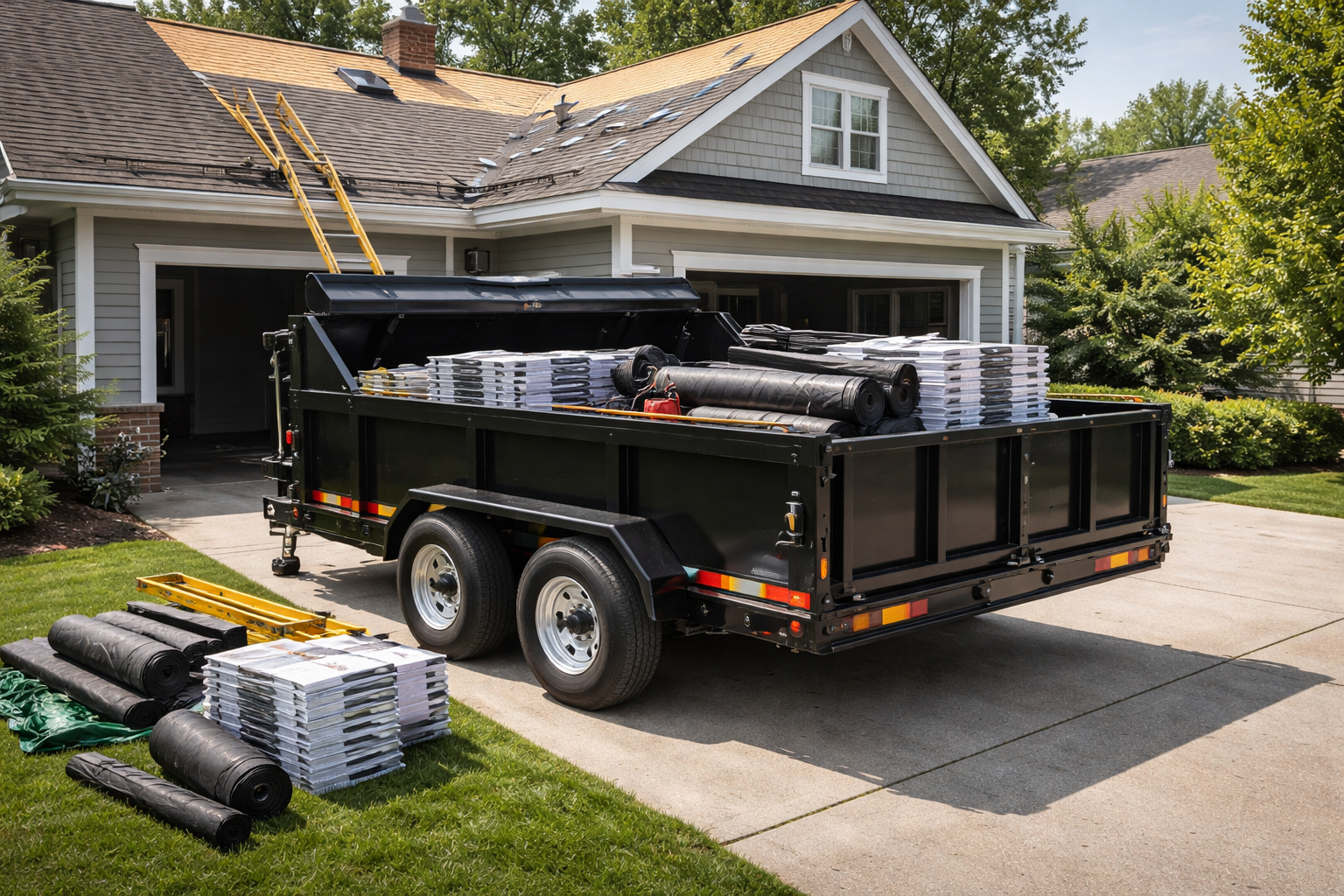
Roofing Trailer: Amazing Ways to Boost Your Profit
A roofing trailer is an essential piece of equipment for any serious contractor. Whether you are hauling shingles, removing debris, or transporting tools, having the right setup can make or break your job site efficiency. In this comprehensive guide, we will explore everything you need to know about these indispensable tools.
From understanding the basic mechanics to diving deep into maintenance and purchasing strategies, this article covers all aspects of owning and operating a roofing trailer. We will also explore the advantages, the challenges, and the intricate details of keeping your equipment in top shape.
What is a Roofing Trailer?
A roofing trailer is a specialized vehicle attachment designed primarily for the transportation of roofing materials and the removal of construction debris. Unlike standard utility trailers, a roofing trailer is often reinforced to handle the extreme weight of shingles, lumber, and heavy tools.
These trailers come in various configurations, including dump trailers, flatbeds, and enclosed cargo styles. The most popular choice for contractors is the hydraulic dump roofing trailer, which allows for the rapid and effortless disposal of old materials straight at the landfill or recycling center.
The core components usually include a heavy-duty steel frame, dual axles for weight distribution, high sides to contain debris, and a durable hydraulic lifting mechanism. The design is explicitly tailored to withstand the rigors of daily construction use, making a roofing trailer a robust investment for any roofing business.
How to Find the Best Deals
Finding the right roofing trailer requires patience and research. Start by checking local heavy equipment dealers. These businesses often carry a range of new and used models and can provide valuable insights into the specific needs of your region.
-
Online Marketplaces: Websites dedicated to construction equipment are excellent resources.
-
Auctions: Industrial and agricultural auctions frequently feature heavy-duty trailers at a fraction of the retail cost.
-
Direct from Manufacturer: Sometimes, buying directly from the builder can save you money and allow for custom modifications.
-
Networking: Talk to other contractors. Often, a great roofing trailer is sold privately before it ever hits the open market.
When evaluating a used roofing trailer, always inspect the hydraulic system, the integrity of the frame, and the condition of the tires and axles. Rust is a common enemy, so pay close attention to the undercarriage and the dump bed floor.
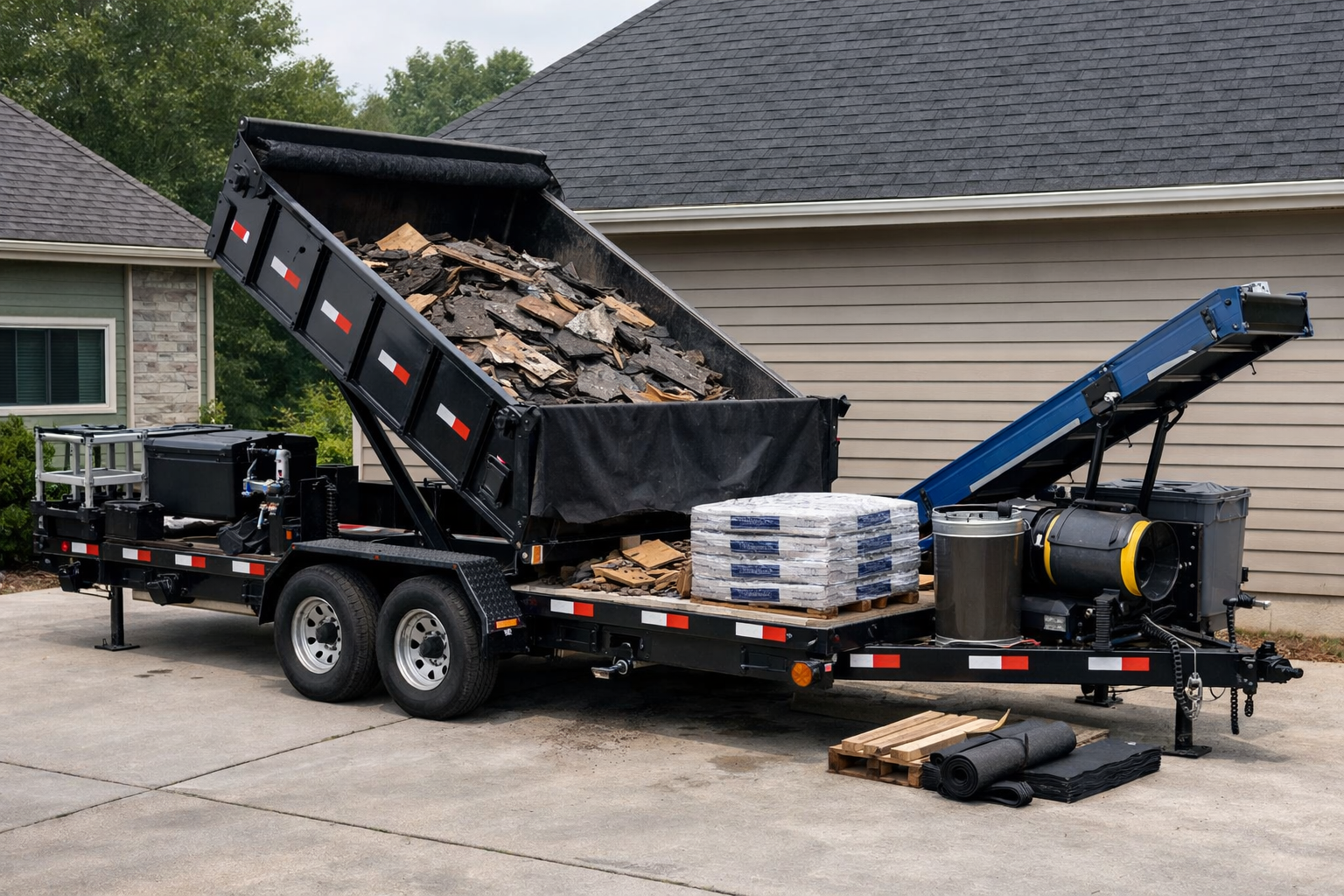
How to Buy Smart
Purchasing a roofing trailer is a significant financial commitment. To buy smart, you must first define your exact needs. Are you doing small residential repairs or massive commercial tear-offs? The volume of debris you generate will dictate the size of the trailer you require.
Consider the towing capacity of your truck. Buying a massive roofing trailer is useless if your vehicle cannot safely haul it fully loaded. You must calculate the Gross Vehicle Weight Rating (GVWR) and ensure your setup complies with local transportation laws.
Financing options are usually available through dealers or commercial banks. Sometimes, leasing a roofing trailer makes more sense for businesses looking to preserve cash flow. Always compare interest rates and term lengths before signing any agreements.
How Much Do They Cost?
The cost of a roofing trailer varies wildly based on size, features, and whether it is new or used. A basic, small-capacity used dump trailer might start around $3,000. However, a top-of-the-line, heavy-duty commercial roofing trailer with dual hydraulic rams and custom features can easily exceed $15,000.
-
Entry Level (Used): $3,000 – $6,000
-
Mid-Range (New/Used): $6,000 – $10,000
-
Professional Grade (New): $10,000 – $18,000+
When calculating the cost, remember to factor in insurance, registration, maintenance, and potential modifications. The initial purchase price is just the beginning of the investment in your roofing trailer.
How to Install Custom Features
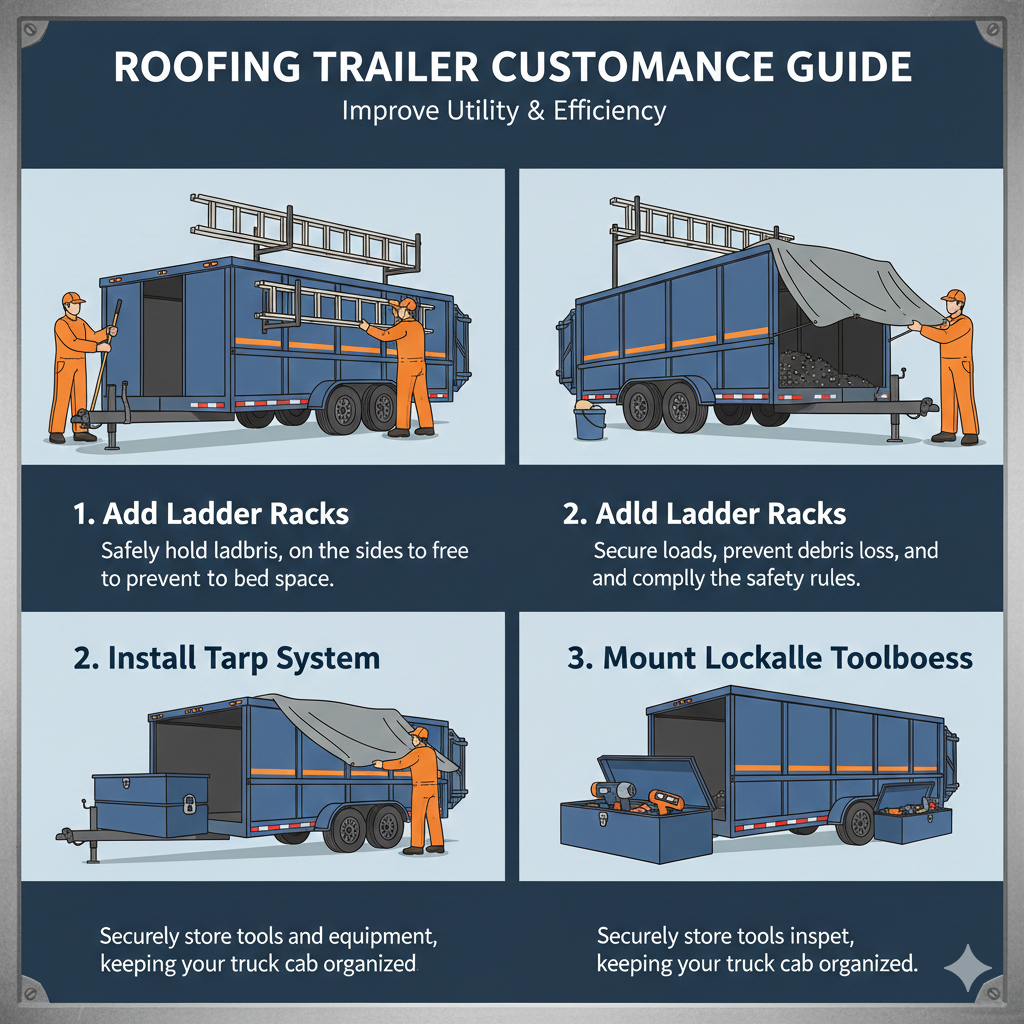
Customizing a roofing trailer can vastly improve its utility. Many contractors install specialized racks to hold ladders safely. This frees up valuable bed space for debris or bulky materials.
Another common installation is a heavy-duty tarp system. This is crucial for securing loads and preventing lightweight debris, like underlayment or foam insulation, from flying out during transit. Installing a mechanized tarp roller on your roofing trailer saves time and ensures compliance with road safety regulations.
For enhanced security, consider installing lockable toolboxes on the tongue or sides of the trailer. This allows you to safely store compressors, nail guns, and hand tools directly on the roofing trailer, keeping your truck cab clean and organized.
How to Clean and Maintain
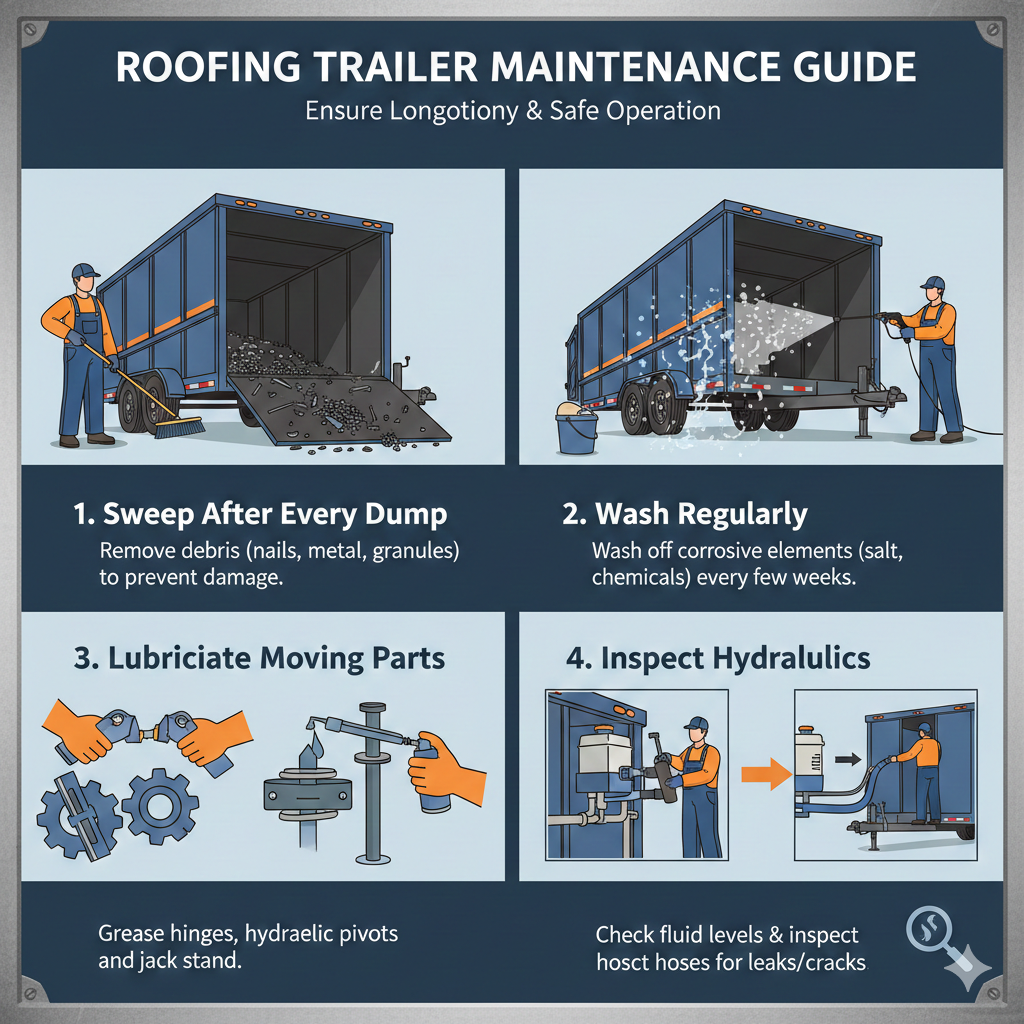
Regular cleaning is vital for the longevity of a roofing trailer. Roofing debris often contains hundreds of hidden nails, sharp metal flashing, and abrasive granules.
After every dump, sweep the bed completely clean. This prevents nails from becoming lodged in the tailgate hinges or damaging the hydraulic seals. Every few weeks, thoroughly wash the exterior and interior of the roofing trailer to remove corrosive elements like road salt or chemical adhesives.
Lubricate the hinges, the hydraulic pivot points, and the jack stand regularly. Check the hydraulic fluid levels and inspect the hoses for any signs of cracking or leaks. A well-maintained roofing trailer will operate safely and smoothly for years.
What is the Cost of Maintenance?
While the initial price is high, the ongoing cost of maintaining a roofing trailer is relatively manageable if you are proactive. Annual costs typically include registration, insurance, and routine wear-and-tear items.
Tires are the most frequent expense. Because a roofing trailer frequently navigates debris-filled job sites and landfills, punctures are common. Budget for at least one or two tire replacements annually, alongside regular greasing and minor hydraulic servicing.
Expect to spend between $500 and $1,500 annually on maintaining a busy roofing trailer. Ignoring small repairs, however, can lead to catastrophic hydraulic failure or axle damage, which will drastically increase these costs.
Advantages and Challenges
The primary advantage of owning a roofing trailer is efficiency. Having a dedicated dumping vehicle on-site means workers spend less time bagging debris and more time actually roofing. It streamlines the entire cleanup process.
Additionally, a branded roofing trailer acts as a moving billboard, providing excellent local marketing as you drive from job to job.
However, there are challenges. A large roofing trailer requires significant space to maneuver and park. In tight residential neighborhoods, placing the trailer safely without blocking traffic or damaging driveways can be incredibly difficult. Furthermore, the constant threat of theft means you must invest heavily in secure locks and GPS tracking.
Travel Trailer Roof Maintenance
While we are focusing on heavy-duty equipment, it is important to address a related topic that many contractors encounter in their personal or professional lives: recreational vehicles. The techniques used here often overlap with commercial applications.
Learning how to repair travel trailer roof damage is essential for preventing catastrophic water intrusion. Often, this involves locating the exact source of a leak, cleaning the area meticulously with a specialized solvent, and applying a heavy-duty patching material designed specifically for EPDM rubber, TPO, or fiberglass surfaces.
If the damage is extensive, you must know how to replace a travel trailer roof. This is a major undertaking that involves stripping the old membrane, repairing any rotted decking underneath, and carefully adhering a new membrane, ensuring absolutely no air bubbles or wrinkles are present during the application process.
For minor issues, understanding how to fix a travel trailer roof quickly can save thousands in interior damage. This usually means keeping emergency patching tape on hand and regularly inspecting the seams around vents, air conditioning units, and skylights for any signs of cracking or peeling.
Finally, the key to longevity is choosing the right rv trailer roof sealant. Self-leveling lap sealants are crucial for horizontal surfaces, as they flow into cracks before curing, creating a watertight bond. For vertical seams or edges, a non-leveling sealant must be used to prevent the material from running down the sides of the vehicle.
Advanced Usage Strategies
To truly maximize the return on your investment, you must employ advanced strategies for using your roofing trailer. Route planning is critical. If you are doing multiple small repairs in one day, plan your route to end near the landfill to minimize the time spent hauling a heavy load.
Train your crew on proper loading techniques. Weight must be distributed evenly across the axles of the roofing trailer. Loading too much weight near the tongue will compress your truck’s suspension dangerously, while loading too much weight in the rear can cause severe swaying at highway speeds.
Consider using your roofing trailer during the off-season. If winter weather halts construction, the trailer can be utilized for snow removal, firewood delivery, or hauling large equipment for other contractors, turning a static asset into year-round income.
Safety Protocols on the Job Site
Safety is paramount when operating heavy machinery. Before moving a loaded roofing trailer, conduct a thorough walk-around inspection. Check the lights, the safety chains, and the breakaway battery system.
When backing the roofing trailer into a driveway or tight alley, always use a spotter. Blind spots are massive, and the risk of hitting a client’s property, a vehicle, or an overhead power line is significant.
Never overload the trailer. It is better to make two trips to the dump than to blow a tire on the highway or burn out your truck’s transmission pulling an illegally heavy roofing trailer. Always secure the load with a heavy-duty tarp, regardless of how short the trip to the disposal site might be.
FAQ : Roofing trailer
How often should I grease the wheel bearings on my trailer?
It is highly recommended to inspect and pack the wheel bearings at least once a year, or every 12,000 miles, whichever comes first, given the heavy loads typically carried.
Do I need a commercial driver’s license (CDL) to pull a heavy dump trailer?
This depends entirely on the combined Gross Vehicle Weight Rating (GVWR) of your truck and the trailer. If the combined weight exceeds 26,000 lbs in most jurisdictions, a CDL is legally required.
Can I leave a loaded trailer parked on a steep incline?
It is strongly advised against. If you must, ensure you use heavy-duty wheel chocks on both sides of every tire and ensure the parking brake on the tow vehicle is fully engaged.
What is the best way to prevent rust inside the dump bed?
Regularly washing out the bed and applying a specialized spray-on bed liner or heavy-duty industrial enamel paint can significantly reduce the risk of severe rust formation.
How do I choose between a bumper pull and a gooseneck hitch?
A bumper pull is generally sufficient for lighter loads and offers more versatility with different trucks. A gooseneck hitch provides superior stability and weight distribution, making it the preferred choice for massive, heavy-duty applications.
Conclusion
Investing in a high-quality roofing trailer is a transformative step for any construction business. It fundamentally changes how you approach job site logistics, debris management, and material transportation. By understanding what to look for, how to buy smartly, and how to maintain the equipment, you ensure that your investment pays dividends for years to come.
Whether you are deciding on the size, comparing the costs, or learning the intricacies of hydraulic maintenance, treating your roofing trailer as a vital business partner will lead to increased efficiency and higher profits. Implement the strategies discussed in this guide, prioritize safety at all times, and watch your operational capabilities soar to new heights.
Other Resources
Equipter 4000 – Product page detailing a lift and dump roofing trailer designed for debris management.
United Rentals – Lift Dump Roofing Trailer – Rental listing describing a 14 ft lift dump roofing trailer with tandem axle capacity.
Predator Cargo Trailer – Product page featuring roofing trailers built for material transport and jobsite use.
Other Helpful Articles
Roof Pipe Supports – Guide explaining rooftop pipe support systems and their installation considerations.
Roof to Wall Vent Guide – Informational article describing roof-to-wall vent systems and installation basics.
Aluminum Roof Sealant – Article explaining aluminum roof sealants and their typical applications.