
Synthetic Umbrella Thatch Roofing: 1 Best Tips
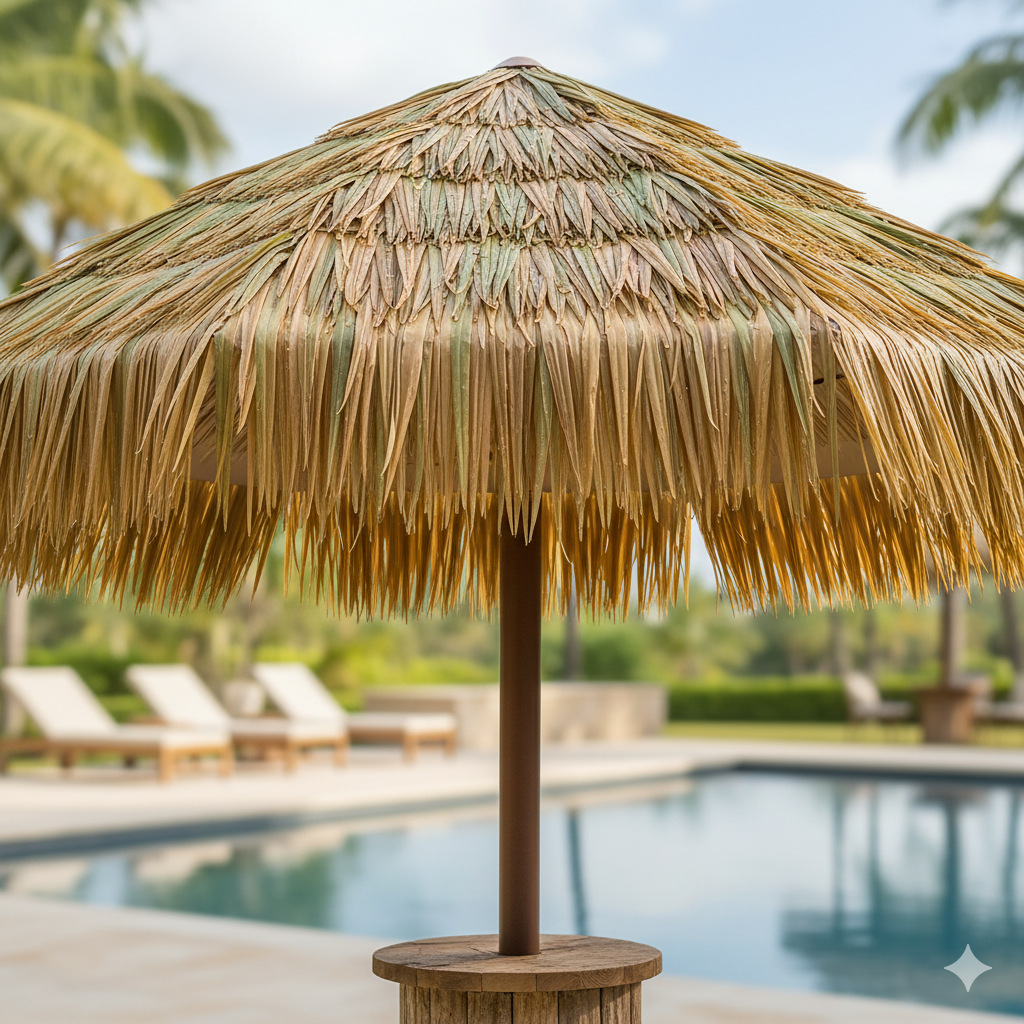
Synthetic Umbrella Thatch Roofing: Safe Fixes
Creating a tropical paradise in your backyard often starts with the right shade structure. Many homeowners and commercial property managers are turning away from traditional natural materials in favor of modern alternatives. The search for durability and aesthetics leads directly to synthetic umbrella thatch roofing. This innovative material offers the charm of the tropics without the constant maintenance associated with natural palm leaves. Understanding the nuances of this product is essential for anyone looking to upgrade their outdoor living space.
What Is This Material and Why Choose It?
When we discuss synthetic umbrella thatch roofing, we are referring to a manufactured product designed to mimic the appearance of dried palm leaves, reed, or grass. Unlike natural thatch, which is organic and susceptible to decay, synthetic versions are typically made from high-density polyethylene (HDPE), PVC, or other durable polymers. These materials are molded to look like authentic strands of thatch but are engineered to withstand harsh weather conditions.
The primary appeal lies in its resilience. Natural thatch can rot, attract pests, and become a fire hazard. In contrast, synthetic umbrella thatch roofing is rot-resistant, pest-free, and often comes with Class A fire ratings. This makes it an ideal choice for both residential patios and commercial resorts where safety and longevity are paramount. Furthermore, the synthetic nature ensures that the color and texture remain consistent over time, avoiding the graying effect seen in natural materials.
Another defining characteristic is versatility. This roofing solution is pre-assembled into panels or “capes” specifically designed to drape over umbrella frames. Whether you have a standard market umbrella or a custom-built palapa structure, there is likely a synthetic umbrella thatch roofing product that fits your needs. The engineering behind these products ensures they are lightweight yet sturdy enough to handle wind uplift and heavy rain.
How to Find the Best Suppliers
Finding high-quality synthetic umbrella thatch roofing requires a bit of research. Start by looking for specialized suppliers who focus exclusively on tropical theming and outdoor structures. General hardware stores may carry basic options, but specialized retailers will offer a wider range of textures and colors.
When evaluating a supplier, ask for samples. Seeing a small piece of the synthetic umbrella thatch roofing allows you to judge the realism of the texture and the quality of the binding. You should also check customer reviews to see how the material has held up for others in climates similar to yours.
How to Buy the Right Product
Once you have identified a supplier, the next step is knowing how to buy the correct synthetic umbrella thatch roofing for your project. You cannot simply guess the dimensions. Measure your existing umbrella frame or the roof structure accurately. Most synthetic thatch is sold in panels, rolls, or pre-formed cones.
-
Measure the Diameter: For round umbrellas, you need the diameter of the frame when open.
-
Calculate Surface Area: If you are covering a custom shape, calculate the total square footage to determine how many panels of synthetic umbrella thatch roofing you need.
-
Check the Overlap: Manufacturers will specify the required overlap for waterproofing. Ignoring this can lead to leaks and a sparse appearance.
Pay attention to the warranty. A reputable product will come with a warranty ranging from 10 to 20 years. If a product claiming to be synthetic umbrella thatch roofing does not offer a substantial warranty, it is likely a lower-quality plastic that will become brittle in the sun. Always prioritize UV stability in your purchasing decision.
How Much Does It Cost?
The cost of synthetic umbrella thatch roofing is generally higher upfront compared to natural thatch. However, it is an investment that pays off over time. Natural thatch is cheap but needs replacement every 3 to 5 years. Synthetic options can last decades.
For a standard 9-foot umbrella, you might spend anywhere from $400 to $900 on materials alone. While this seems steep, remember that you are eliminating the recurring costs of replacement, pest control, and intensive cleaning. When budgeting, also factor in shipping costs, as these materials can be bulky.
Why You Should Choose Synthetic Over Natural
The “why” behind choosing synthetic umbrella thatch roofing often comes down to sustainability and peace of mind. Natural thatch harvesting can sometimes lead to ecological damage if not managed correctly. Synthetic options are often made from recycled materials and are fully recyclable at the end of their long lifespan.
Furthermore, many insurance companies prefer synthetic materials due to their fire-retardant properties. Installing synthetic umbrella thatch roofing might actually lower your insurance premiums compared to using highly flammable natural dried leaves.
How Long Does It Last?
Durability is the crowning feature of synthetic umbrella thatch roofing. While natural thatch begins to degrade the moment it is installed, synthetic versions are built for the long haul. Most high-quality synthetic thatch comes with a 20-year limited warranty, but the actual lifespan can be much longer.
In moderate climates, you can expect your synthetic umbrella thatch roofing to look pristine for 20 to 30 years. Even in harsh environments with intense UV exposure or salt spray (like beachfront properties), high-quality HDPE thatch resists fading and cracking remarkably well.
The longevity depends heavily on the quality of the installation. If the synthetic umbrella thatch roofing is secured loosely, wind damage can occur over time. However, if installed correctly according to manufacturer specifications, it is essentially a “set it and forget it” solution. This longevity makes it a cost-effective choice for commercial venues that cannot afford downtime for repairs.
How to Install Your New Thatch
Installing synthetic umbrella thatch roofing is a straightforward process that can often be done as a DIY project. The method varies slightly depending on whether you are using panels or a pre-formed cape.
Tools Needed:
-
Heavy-duty scissors or shears
-
Zip ties (UV resistant) or staples
-
Ladder
-
Measuring tape
Step-by-Step Process:
-
Prepare the Frame: Ensure your umbrella frame is clean and sturdy. Remove any old fabric or thatch.
-
Start at the Bottom: If using panels, begin attaching the synthetic umbrella thatch roofing at the bottom edge (eave) of the umbrella frame.
-
Layer Upwards: Place the next layer of panels above the first, ensuring they overlap significantly to cover the binding of the lower layer. This creates the waterproof effect.
-
Secure Tightly: Use zip ties or staples to secure the synthetic umbrella thatch roofing to the frame ribs. Ensure it is tight to prevent flapping in the wind.
-
Cap the Top: Finish with a top cone piece to seal the apex of the umbrella.
Always refer to the specific manual provided with your synthetic umbrella thatch roofing purchase, as different brands have unique locking mechanisms or overlap requirements.

Comparison of Thatch Umbrella Types
When you are looking to upgrade your outdoor space, it is helpful to understand the different variations of thatch products available. While our main focus is on synthetic umbrella thatch roofing, seeing how it relates to other terms helps clarify your buying decision.
1. Synthetic Umbrella Thatch Roofing
This is the premium choice we have been discussing. It is characterized by industrial-grade materials like HDPE or PVC. It is designed for longevity, specifically engineered to be placed on umbrella frames. The key differentiator is that synthetic umbrella thatch roofing is a roofing material first and foremost; it is sold as a building component that happens to fit umbrellas. It requires installation but offers permanent results.
2. Thatch Umbrella
The term “thatch umbrella” is a broader category. It can refer to a complete unit that you buy from a store—a pole, a frame, and the thatch already attached. These can be natural or synthetic. A pre-bought thatch umbrella is convenient but often uses lower quality materials than purchasing high-end synthetic umbrella thatch roofing separately. If you buy a cheap thatch umbrella, the “thatch” might just be thin plastic strips that degrade in a year.
3. Tiki Thatch Umbrella
This term specifically evokes the Polynesian or Hawaiian aesthetic. A tiki thatch umbrella often features a specific shaggy look. While traditionally made from palm fronds, modern versions utilize synthetic umbrella thatch roofing materials molded to look like specific island grasses. The “Tiki” style is about the visual density and the cultural vibe. When you buy a tiki thatch umbrella, you are buying a style. Ensure that the material used to create that style is high-quality synthetic if you want it to last.
4. Tiki Thatch Umbrella Install
If you are planning a tiki thatch umbrella install, the process is very similar to the general installation steps mentioned earlier, but with a focus on volume. To achieve the “Tiki” look, you often need to double the layers of your synthetic umbrella thatch roofing.
* Density is Key: A tiki install requires closer spacing of the thatch rows.
* The Overhang: You typically want a shaggier, longer overhang on the edges for a true tiki appearance.
* The Crown: The top knot or crown is crucial in a tiki install. It needs to be prominent.
* Support: Because a tiki install uses more material to look lush, ensure your frame can support the extra weight of the dense synthetic umbrella thatch roofing.
How to Clean and Maintain
One of the biggest selling points of synthetic umbrella thatch roofing is the low maintenance, but “low” does not mean “zero.” To keep it looking its best, a little care goes a long way.
Do not use harsh chemicals or pressure washers on high settings. A gentle stream of water and a mild soap (if necessary) are all you need to clean synthetic umbrella thatch roofing.

Advantages and Challenges
Every building material has pros and cons. Being realistic about synthetic umbrella thatch roofing helps manage expectations.
Advantages:
-
Longevity: Lasts decades longer than natural thatch.
-
Safety: Fire-retardant options are available and safer.
-
Cleanliness: Does not shed or attract bugs.
-
Aesthetics: Provides a consistent, lush look year-round.
Challenges:
-
Initial Cost: The price tag for synthetic umbrella thatch roofing is significantly higher upfront.
-
Weight: Some high-quality synthetic options are heavier than dried grass, requiring a sturdy frame.
-
Heat Retention: Unlike natural thatch which breathes, synthetic umbrella thatch roofing can trap heat underneath if not properly ventilated, though many modern designs account for this.
Ultimately, the advantages of durability and aesthetics usually outweigh the initial cost for those looking for a long-term solution.
What Is the Total Cost of Ownership?
When evaluating synthetic umbrella thatch roofing, you must look beyond the sticker price. The total cost of ownership includes installation, maintenance, and replacement costs over a 20-year period.
If you buy natural thatch, you will replace it roughly 5 times in 20 years. You will also pay for pest control and labor for each re-installation. With synthetic umbrella thatch roofing, you pay once. Even if the initial material cost is double that of natural thatch, the break-even point is usually reached around year 4 or 5. After that, you are saving money every year.
Furthermore, synthetic umbrella thatch roofing adds value to the property. It improves the aesthetic appeal, which can justify higher room rates in hotels or increase the resale value of a home. It is an asset, whereas natural thatch is often a liability.
FAQ : Synthetic umbrella thatch roofing
Is synthetic umbrella thatch roofing waterproof?
Yes, most high-quality synthetic umbrella thatch roofing systems are designed to be waterproof when installed correctly with the proper overlap. The shape of the tiles and the layering process shed water effectively, keeping the area beneath dry.
Can I install synthetic umbrella thatch roofing on my existing umbrella frame?
Absolutely. Synthetic umbrella thatch roofing is designed to be retrofitted onto existing metal, bamboo, or wood frames. You simply need to remove the old canvas or thatch and attach the new panels using zip ties or screws.
Does synthetic umbrella thatch roofing fade in the sun?
Premium synthetic umbrella thatch roofing is manufactured with UV inhibitors mixed directly into the polymer. While slight mellowing of color may occur over decades, it will not bleach white or become brittle like cheaper plastics or natural materials.
Is synthetic umbrella thatch roofing fire resistant?
Many manufacturers offer Class A fire-rated synthetic umbrella thatch roofing. This means it is highly resistant to flame spread, making it suitable for commercial applications and areas prone to wildfires. Always check the specifications before buying.
How do I cut synthetic umbrella thatch roofing panels?
You can cut synthetic umbrella thatch roofing panels using a sharp utility knife or heavy-duty shears. The material is tough but pliable. It is best to cut from the back side of the panel to avoid damaging the simulated leaves.
Conclusion
Transforming your outdoor space requires materials that blend beauty with practicality. Synthetic umbrella thatch roofing represents the pinnacle of this balance. It captures the romantic, laid-back essence of island living without the headache of constant upkeep and replacement. Whether you are a homeowner wanting a private retreat or a resort manager aiming for a five-star aesthetic, this material delivers.
By understanding how to select, install, and maintain synthetic umbrella thatch roofing, you ensure that your investment lasts for decades. The initial cost is quickly offset by the years of maintenance-free enjoyment. As technology in materials science improves, these products only get more realistic and durable. Making the switch to synthetic umbrella thatch roofing is a smart, sustainable, and stylish decision for any outdoor shade structure.
🌴 Other Resources
Explore these trusted suppliers and product pages to learn more about artificial thatch roofing, synthetic tiki umbrellas, and outdoor shade solutions:
-
Forever Bamboo – Artificial Thatch Products – Premium synthetic thatch roofing for tiki huts, palapas, and resorts.
-
Safari Thatch – Thatch Umbrellas – Commercial-grade synthetic thatch umbrellas for outdoor spaces.
-
Tiki Hut Palapa – Synthetic Baja Thatch Umbrella – Durable, weather-resistant thatch umbrella solutions.
-
Amazon – Synthetic Thatch Roofing Umbrella – Ready-to-install synthetic thatch products with customer reviews.
🔎 Other Helpful Articles
-
Metal Roof Parts – Complete breakdown of metal roofing components.
-
Metal Roof Snow Guards vs Snow Rails – Compare snow retention systems for metal roofs.
-
Signs of Roof Condensation – How to identify and prevent moisture buildup in roofs.