TPO Roofing: Complete 2025 Guide with 7 Key Benefits
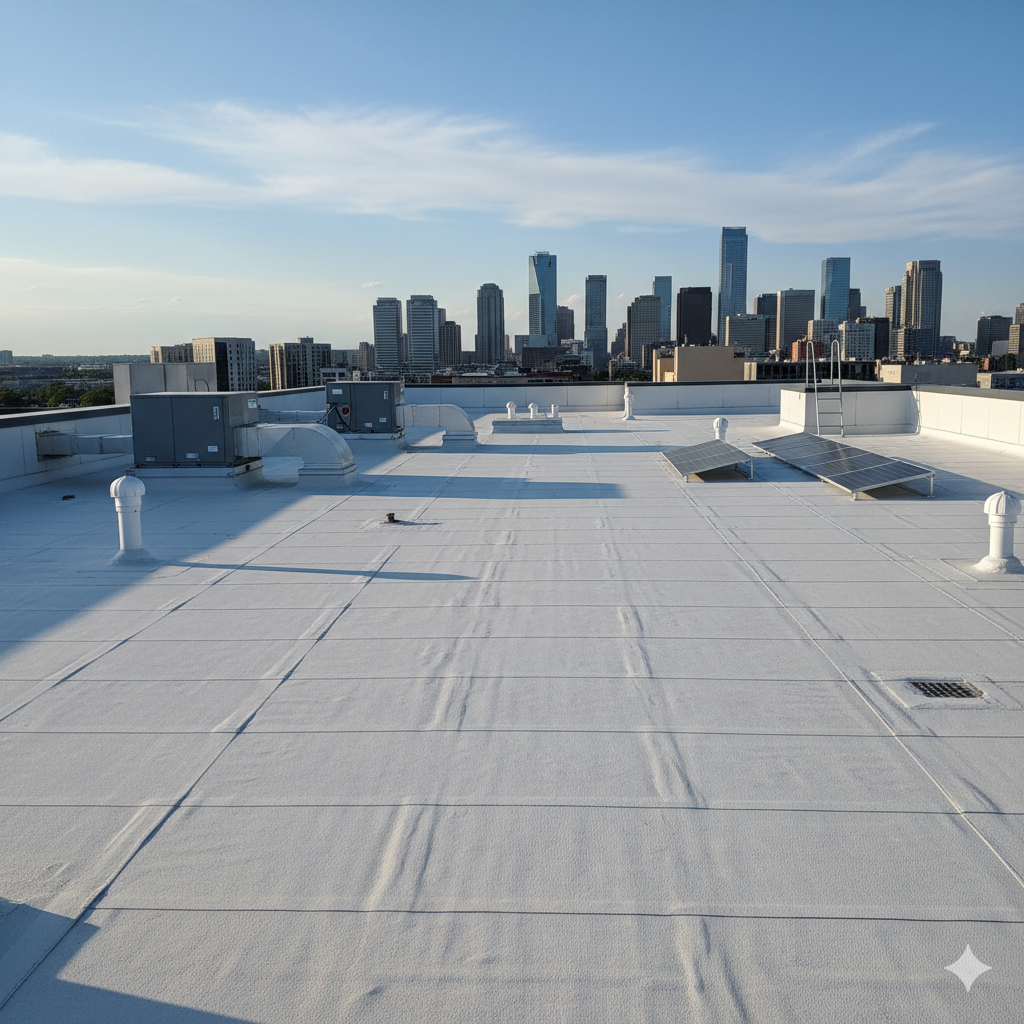
Thermoplastic polyolefin roofing has become a leading choice for commercial and residential flat roofs across North America. This single-ply membrane combines affordability with impressive performance characteristics that appeal to property owners. Understanding the full scope of this roofing system helps you make informed decisions about your building’s protection.
Modern membrane technology continues to evolve, offering enhanced durability and energy savings. Property owners benefit from reflective surfaces that reduce cooling costs while maintaining structural integrity. The following guide explores every aspect you need to know before installation.
What is TPO Roofing?
Thermoplastic polyolefin represents a single-ply synthetic membrane designed specifically for flat and low-slope applications. The material consists of three distinct layers: a polymer base, polyester-reinforced scrim center, and compounded top ply that work together. This construction combines rubber’s flexibility with thermoplastic heat-weldability for superior performance.
The membrane is manufactured from ethylene propylene rubber and polypropylene, which undergo polymerization bonding. Chemical fillers are added to create the finished product with enhanced properties. Most membranes come in white or light gray colors that maximize solar reflectance.
Thickness options range from 45-mil to 80-mil specifications, with thicker materials providing extended service life. This versatile material suits various climates and building types across commercial and industrial applications.
How to Install TPO Roofing
Professional installation follows a systematic seven-step process that ensures watertight performance:
-
Prepare the roof deck – Clean all surfaces, remove debris, repair damaged areas, and ensure complete dryness before starting
-
Install insulation layer – Add insulation beneath the membrane to enhance energy efficiency and create a proper base
-
Roll out TPO membrane – Lay sheets perpendicular to the deck and allow 30 minutes for wrinkles to relax
-
Fasten the membrane – Choose mechanically fastened (screws and plates), fully adhered (adhesive bonding), or ballasted (stone/paver) methods
-
Weld the seams – Use hot-air welding equipment to melt and fuse membrane edges for watertight seals
-
Install flashing – Seal around roof penetrations including vents, skylights, and HVAC units
-
Conduct final inspection – Verify all seams are properly welded and fasteners are secure
TPO Roofing Cost Breakdown
Material expenses vary based on membrane thickness specifications:
-
45-mil membrane: $1.50 to $2.50 per square foot
-
60-mil membrane: $2.00 to $3.00 per square foot
-
80-mil membrane: $2.50 to $3.50 per square foot
Installation components add to total expenses:
-
Labor costs: $4.00 to $8.00 per square foot
-
Tear-off and disposal: $1.00 to $2.00 per square foot
-
Decking repairs: $0.50 to $2.00 per square foot
How Much Does TPO Roofing Cost?
Complete installation including labor and materials ranges from $12.00 to $17.00 per square foot in 2025. Roof size significantly impacts per-square-foot pricing, with smaller projects trending toward higher costs. Typical residential installations average between $7,700 and $14,000 for standard-sized roofs.
Project size directly affects pricing structure:
-
Under 500 square feet: $17.00 per square foot
-
500 to 1,000 square feet: $14.00 per square foot
-
Over 1,100 square feet: $12.00 per square foot
Commercial buildings with 10,000 square feet can expect investments between $60,000 and $120,000 depending on specifications and location.
How Long Does TPO Roofing Last?
Average service life spans 15 to 25 years under normal maintenance conditions. High-quality materials with proper installation and consistent upkeep can extend longevity to 20-30 years or more. Premium membranes now come with manufacturer warranties reaching 30 years due to improved UV stabilizers and polymer blends.
Membrane thickness directly correlates with expected lifespan:
-
45-mil: 15-18 years expected service
-
60-mil: 18-22 years expected service
-
80-mil: 20-25+ years expected service
Climate exposure, installation quality, and maintenance frequency influence actual durability. Regular inspections and prompt repairs maximize the investment return.
Advantages of TPO Roofing
This membrane system delivers multiple performance benefits:
-
Cost-effective solution – One of the most affordable flat roofing options without sacrificing quality or performance standards
-
Energy efficiency – Reflective white surface reduces cooling costs by reflecting UV radiation away from buildings
-
Strong and flexible – Resists punctures, tears, impact damage, and many chemical exposures effectively
-
Heat resistance – Significantly reduces heat absorption, leading to lower utility bills throughout summer months
-
Versatile application – Suitable for various climates, building types, and architectural configurations
-
Mold resistant – Less prone to mold growth and dirt accumulation compared to alternative membrane systems
-
Fast installation – Quick and efficient installation process minimizes project timelines and labor expenses
Challenges and Considerations
Property owners should understand potential limitations before committing. The lifespan typically falls shorter than premium commercial systems like metal or PVC alternatives. Seam areas can become vulnerable points if installation quality is substandard.
Early-generation formulations experienced premature failure issues, though modern versions have addressed most concerns. Installation quality directly impacts overall performance since poor workmanship can lead to leaks or early deterioration. Membrane warranties may have specific maintenance requirements that must be followed.

FAQ TPO Roofing
What buildings are best suited for TPO roofing?
Flat and low-slope commercial buildings, warehouses, retail spaces, and residential properties with minimal pitch benefit most from this system. The material excels on medium and large-sized roofs where energy efficiency matters. Any structure requiring cost-effective waterproofing with reflective properties makes an ideal candidate for installation.
How does TPO compare to EPDM roofing?
Both serve as single-ply membranes, but TPO offers superior energy efficiency through its reflective white surface. EPDM typically lasts longer but absorbs more heat with its black coloring. Installation methods differ since TPO uses heat-welded seams while EPDM relies on tape or adhesive bonding techniques.
Can TPO roofing be installed over existing roofs?
Yes, TPO can often be installed over existing roofing systems if the substrate remains structurally sound. The existing surface must be clean, dry, and properly prepared before installation begins. A professional inspection determines whether tear-off or overlay installation proves more appropriate for your specific situation.
What maintenance does TPO roofing require?
Biannual inspections help identify potential issues before they escalate. Clean debris from the surface, check seams for separation, and inspect flashing around penetrations regularly. Prompt repairs of punctures or damaged areas prevent water infiltration and extend overall lifespan significantly.
Does TPO roofing qualify for energy rebates?
Many TPO systems meet Energy Star certification requirements due to their reflective properties. Local utility companies and government programs often offer rebates for cool roof installations that reduce energy consumption. Contact your regional energy provider to determine available incentive programs in your area.
What weather conditions affect TPO installation?
Ideal installation occurs in dry conditions with temperatures above 40°F for proper membrane handling. Rain, snow, or high winds can delay installation since moisture prevents proper adhesion. Professional contractors monitor weather forecasts closely to schedule optimal installation windows and ensure quality results.
How quickly can contractors complete TPO installation?
Project duration depends on roof size, complexity, and weather conditions. Small residential roofs may take 1-2 days, while large commercial buildings require several weeks. The straightforward installation process generally progresses faster than multi-ply built-up roofing systems.
What causes premature TPO roof failure?
Poor installation quality, inadequate seam welding, and deferred maintenance represent primary failure causes. Using inferior membrane grades or improper fastening patterns creates vulnerabilities. Regular professional inspections and prompt repairs prevent most premature failures from occurring.
Conclusion
TPO roofing delivers exceptional value through energy efficiency, durability, and cost-effectiveness for flat and low-slope applications. Understanding installation requirements, pricing factors, and maintenance needs helps property owners maximize their investment returns. Consider professional installation from certified contractors to ensure optimal performance and longevity for your building protection system.
🏗️ Other Resources
Explore these trusted resources to learn more about TPO roofing systems, their benefits, installation, and performance:
-
West Roofing Systems – TPO Roofing Guide – Complete overview of TPO membranes, lifespan, and costs.
-
GAF – TPO Roofing Membranes – High-quality commercial TPO materials with detailed specs.
-
Johns Manville – TPO Roofing Systems – Technical insights and product documentation for TPO roofs.
-
Siplast – TPO & TPX Roofing – Educational resource comparing TPO and TPX membranes.
🔎 Other Helpful Articles
-
Cape Coral Roofing – Roofing insights and contractor tips for Cape Coral, FL.
-
Pergola With Roof – Guide to choosing and installing a covered pergola.
-
Roof Inspection Guide – How to inspect a roof properly and what to look for.