
Wind Damage to a Roof: Signs, Inspection and Repair Steps

Signs of Wind Damage to a Roof
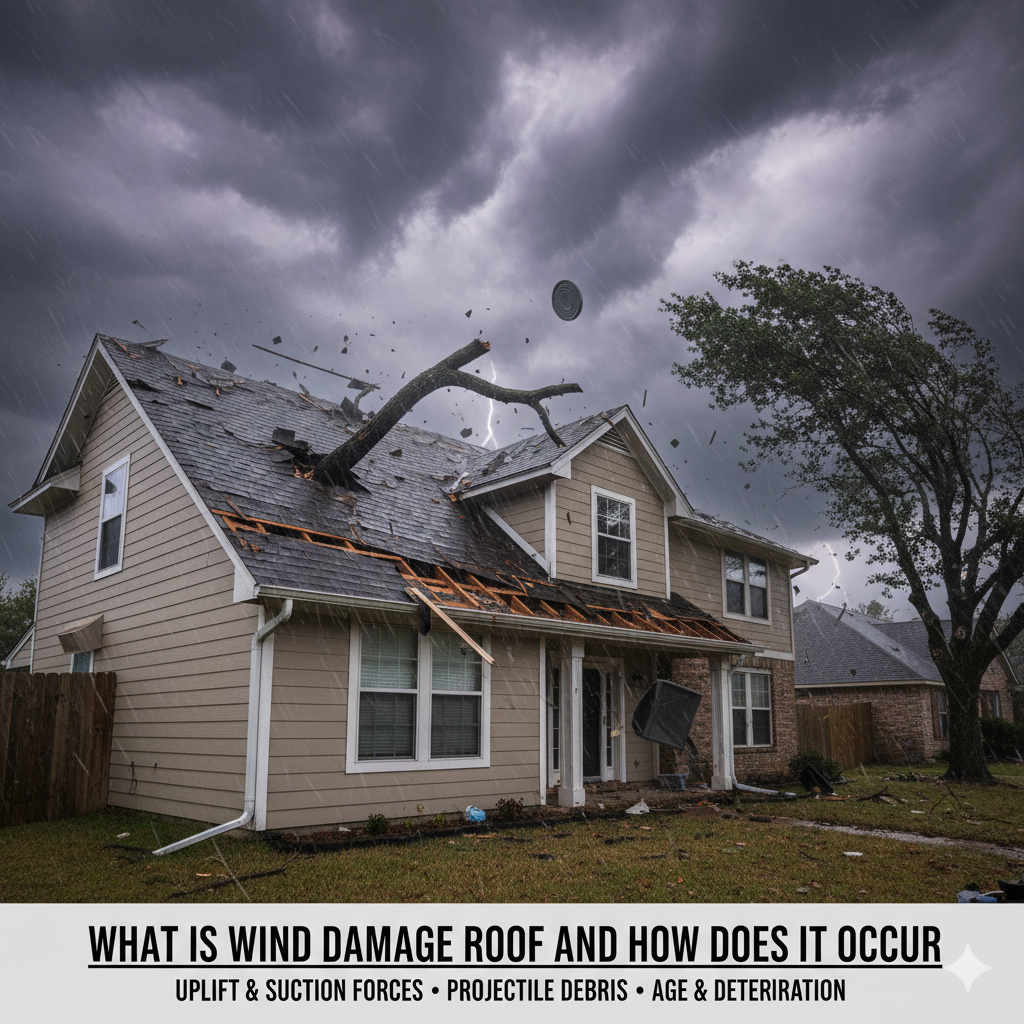
Wind damage can include missing or displaced shingles, lifted edges, damaged flashing, loose ridge materials or displaced metal panels. A roof does not need to show a large hole before an inspection is worthwhile. At the same time, a photograph of a crease or stain cannot by itself establish when or why damage occurred.
After a storm, observe the property from the ground or another safe location. Do not climb onto a wet, wind-damaged or structurally questionable roof. For immediate water entry or hazardous conditions, start with our emergency roof repair guide.
A Safe Post-Storm Checklist
| Location | What to document safely |
|---|---|
| Ground and yard | Roofing debris, fallen branches and visible damage to surrounding structures. |
| Roof edges and slopes | Missing, lifted or displaced materials visible without roof access. |
| Interior rooms | New stains or drips, while keeping clear of wet electrics and sagging ceilings. |
| Accessible attic | Only visible conditions from a safe, supported location; do not step on ceiling surfaces. |
Use photographs and brief notes rather than manipulating roofing materials. The Owens Corning storm damage checklist provides manufacturer guidance for organizing a post-storm review.
Shingles, Flashing and Roof Edges
Ask the inspector to distinguish visible damage from suspected hidden defects. Relevant areas include edges, ridges, penetrations, transitions and individual roof-covering units. The inspection should identify the material and explain the proposed repair at each location.
Do not assume that every loose shingle means the entire roof requires replacement, or that a roof without missing shingles has no damage. Extent, repairability and the condition of the surrounding system matter.
Indoor Leaks Need Their Own Diagnosis
Water can travel before it becomes visible indoors. Record where and when stains or drips appear and whether they change with wind-driven rain. Those observations help the roofer investigate; they do not locate the exterior defect with certainty.
Keep clear of damaged building areas and fallen power lines. Follow local officials’ instructions and Ready.gov’s post-hurricane guidance where relevant.
What to Request From the Inspection
- Photographs tied to specific roof locations.
- A description of each observed defect.
- An explanation of what was inaccessible or concealed.
- The recommended repair and compatible materials.
- Any temporary protection needed before permanent work.
- A written scope separating repair from optional upgrades.
Ask questions if a proposal lists replacement without documenting why localized repairs would be unsuitable. A second independent assessment can help when the scope is unclear.
Repair or Replace?
A repair may be appropriate where damage is limited and compatible work can restore the affected area. Widespread deterioration, multiple damaged layers or an unsuitable existing assembly can change that decision. Age is relevant, but it should not be the only explanation offered.
Compare the specific repair with a replacement proposal, including what each leaves unresolved. Do not use a fixed percentage of damage or a generic remaining-life estimate as a substitute for inspection.
Cost and Timing
Material, extent of damage, access, temporary protection, concealed repairs and local labor affect cost. Ask whether the estimate includes disposal, flashing, deck repairs and follow-up work. A material-only price per square does not represent an installed storm repair.
Weather and storm-related demand can affect scheduling. Request a written sequence for temporary protection, assessment and permanent work instead of relying on a universal number of repair days.
Insurance Questions
Review the actual policy and contact the insurer about notice, documentation and assessment requirements. Keep photographs, invoices and communications. Ask the insurer how the policy applies to the documented cause and condition; do not assume that all wind-related damage or an entire roof replacement is covered.
Coverage decisions and contractual requirements depend on the policy and circumstances. This article provides a documentation checklist, not an interpretation of individual coverage.
Reducing Future Vulnerability
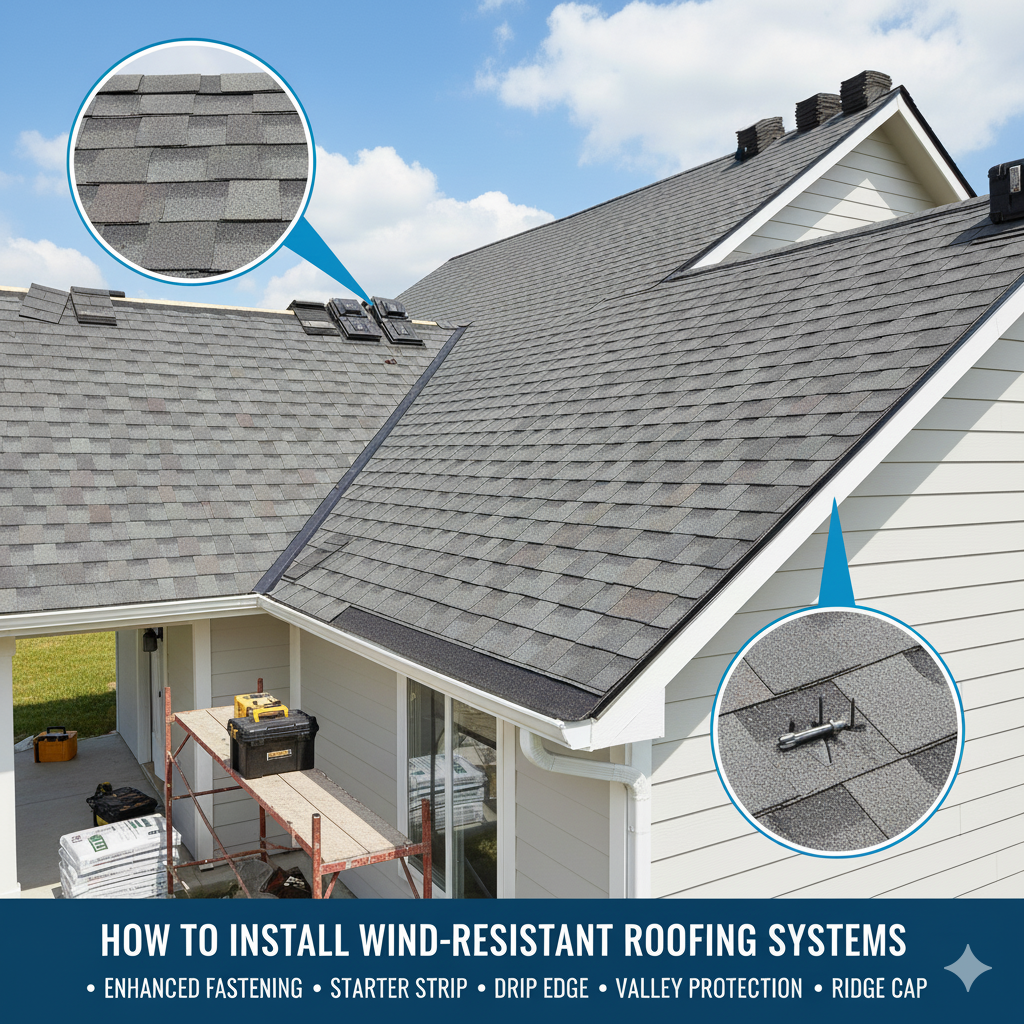
Discuss a roof system suitable for the location and building with the installer. Product wind ratings, assembly design and installation details are related but different. A rating should not be treated as a promise that the roof will withstand every storm.
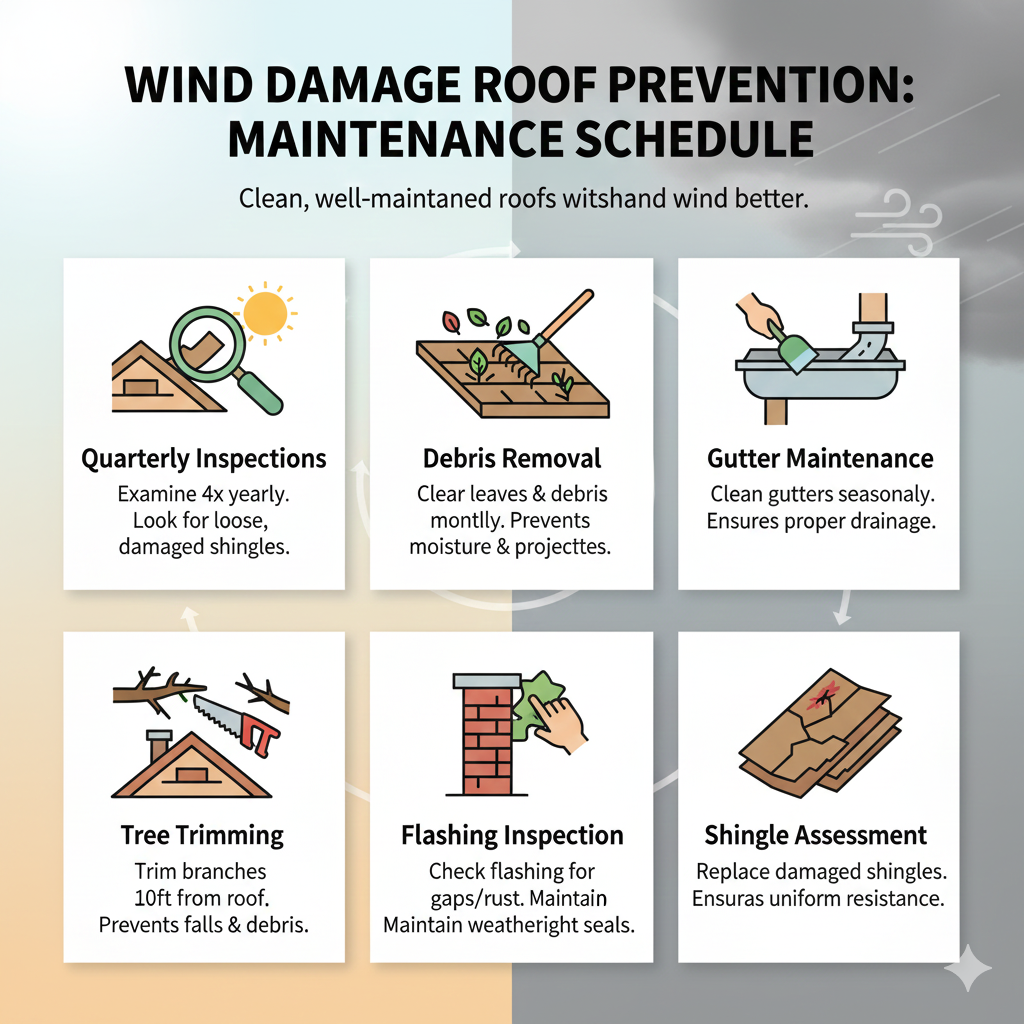
Address damaged components and drainage obstructions through appropriate maintenance. Have overhanging or unstable trees assessed by a qualified tree professional. Any upgrade proposal should identify the product and installation requirements, rather than simply adding fasteners without a specification.
Frequently Asked Questions
Can wind damage occur without a leak?
Yes. Displaced or damaged materials may be visible before water appears indoors. Arrange inspection rather than waiting for a stain.
Should I lift shingles to check their seals?
No. Leave intrusive testing to a qualified inspector using an appropriate method.
Does one damaged shingle prove the roof needs replacement?
No. Ask for a documented evaluation of the affected area and the surrounding system.
What records are most useful?
Dated photographs, inspection findings, previous maintenance records, product information and itemized repair proposals help establish a clear history.
🔧 Other Resources
• Owens Corning – Educational checklist outlining key steps to assess roof damage after a storm event.
• Reddit Roofing Community – Community discussion sharing practical insights about identifying and handling minor wind-related roof damage.
• Cenvar Roofing – Informational blog article explaining common types of wind damage affecting residential roofing systems.
🔎 Other Helpful Articles
• Signs of Roof Condensation – Informational guide describing common indicators and causes of roof condensation issues.
• Synthetic Umbrella Thatch Roofing – Educational article explaining synthetic thatch roofing materials and typical use cases.
• CNC Machine to Cut Roofing – Technical article describing CNC machines used for cutting roofing and insulation materials.
