
Roof Repair East Tamaki: Best Expert Tips
Roof Repair East Tamaki: Vital Cost Facts
Living in the industrial and residential hub of East Tamaki means dealing with Auckland’s unpredictable weather. From sudden downpours to harsh UV rays, your home’s exterior faces a constant battle against the elements. A sturdy shelter is non-negotiable, yet many homeowners neglect the most critical component of their property until water starts dripping onto the carpet. This is where professional roof repair East Tamaki becomes essential. Whether you are managing a commercial warehouse or a family home, understanding the nuances of roofing maintenance can save you thousands of dollars in long-term structural damage.
The process of fixing a damaged roof is not just about patching a hole; it is about securing your investment. Many residents delay roof repair East Tamaki because they fear the cost or the disruption, but procrastination often leads to more severe issues like mold growth, insulation rot, and electrical hazards. This comprehensive guide will walk you through everything you need to know about maintaining your shelter. We will explore exactly what involves a standard repair, how to execute minor fixes yourself, and when to call in the experts. By the end of this article, you will be equipped with the knowledge to make informed decisions about your property’s health.
What Is Roof Repair East Tamaki Services?
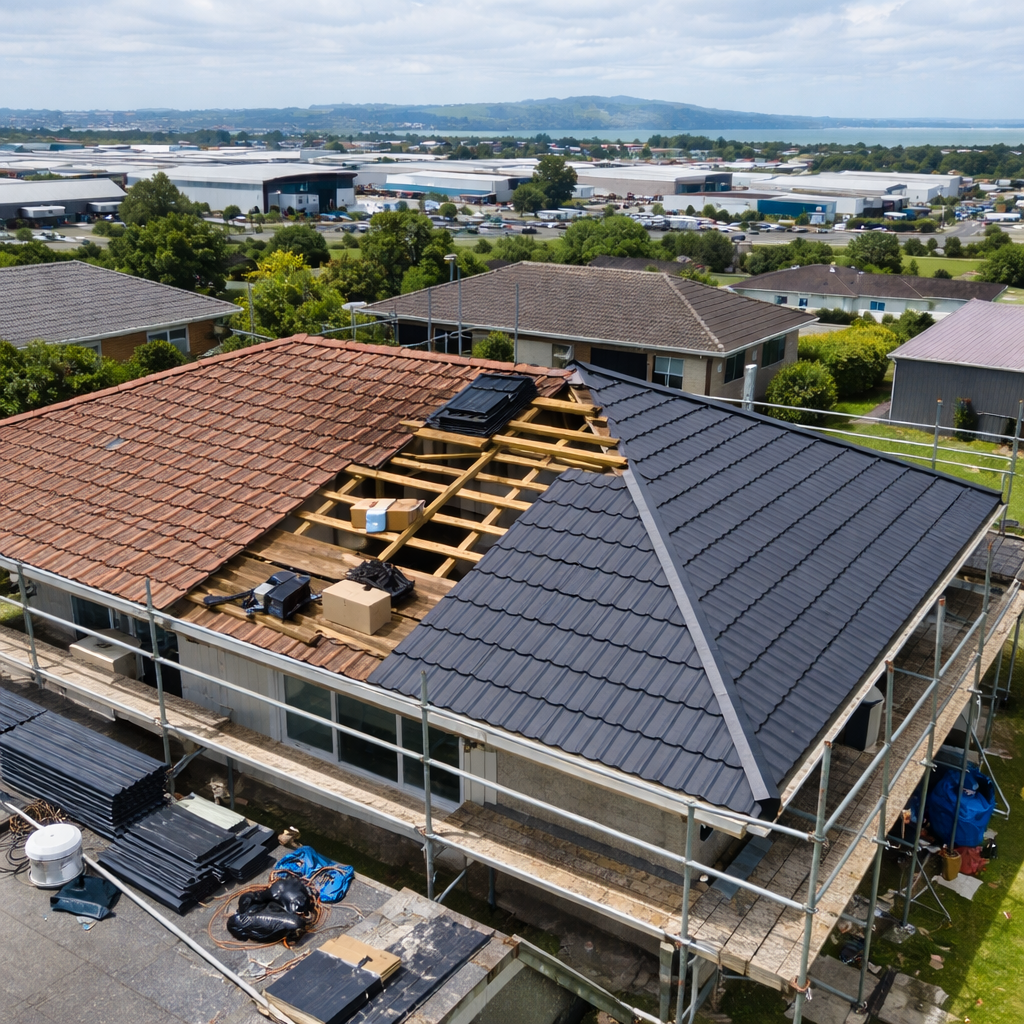
When we discuss roof repair East Tamaki services, we are referring to a specific set of remedial actions designed to restore the integrity of roofs in this specific Auckland suburb. This isn’t a generic service; it accounts for local building codes, common roofing materials used in the area like concrete tiles and Longrun steel, and the specific microclimate of South Auckland. A standard repair service might involve replacing cracked tiles, resealing flashing around chimneys, or fixing guttering systems that have pulled away from the fascia.
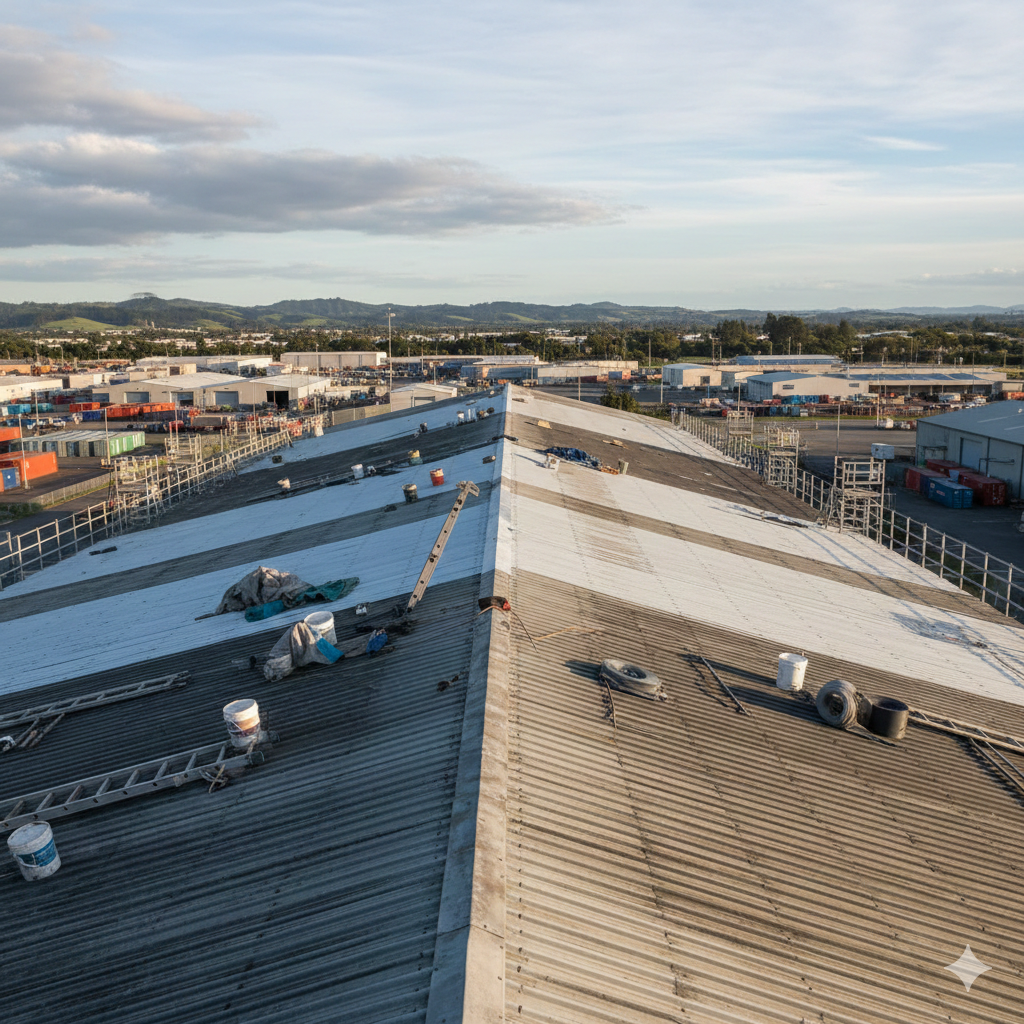
The scope of roof repair East Tamaki can range from minor cosmetic touch-ups to major structural interventions. For commercial properties, this often involves checking expansive metal sheets for rust and corrosion caused by industrial pollutants. For residential homes, it usually centers on leak detection and tile maintenance. Understanding exactly what these services entail helps you set realistic expectations. It is not always a full replacement; often, a targeted repair is all that is needed to extend the lifespan of your current structure by another decade.
How to Do Minor Repairs Yourself
Attempting a roof repair East Tamaki on your own requires caution, proper tools, and a good head for heights. While major structural issues should always be left to professionals, there are minor maintenance tasks you can handle. The first step is safety; never go up during a storm or when the surface is wet. Secure a sturdy ladder and ensure you have a spotter on the ground. Once you are safe, inspect the area for obvious damage.
Identify the source of the leak by tracing water stains backward from the ceiling to the roof deck.
Clear debris from the area. Leaves and moss often trap moisture, accelerating decay.
Apply roofing cement to small cracks or holes in shingles or tiles.
Replace individual damaged shingles if you have spares matching your current roof.
However, be aware that DIY roof repair East Tamaki has limits. If the damage is widespread or involves the underlayment, amateur fixes can sometimes void warranties or hide deeper problems. It is vital to know your limits. If you cannot easily identify the source of a leak, or if the repair involves complex flashing work, it is time to step back. The goal of a DIY attempt is to stop immediate water ingress, not to perform a complete restoration.
How to Find Reliable Contractors
Finding a trustworthy contractor for roof repair East Tamaki can feel like searching for a needle in a haystack. The market is flooded with operators, but not all possess the requisite skills or insurance. Start by asking for recommendations from neighbors or local community groups. Word-of-mouth remains one of the most powerful tools in the service industry because a neighbor’s experience is a genuine testament to a roofer’s reliability and quality of work.
When interviewing potential candidates for your roof repair East Tamaki, pay attention to their communication style. A professional will provide a written quote, explain the scope of work clearly, and offer a timeline. Avoid contractors who demand full payment upfront or refuse to put agreements in writing. Transparency is key. You want a partner who understands local weather patterns and building styles, ensuring the repair holds up against the next big storm.
How to Buy the Right Materials
Purchasing materials for a roof repair East Tamaki requires understanding the compatibility of products. You cannot simply mix and match different types of tiles or metals. Galvanized steel, for instance, reacts poorly with copper, leading to rapid corrosion. If you are sourcing materials yourself, you must identify the existing manufacturer of your roof. For tile roofs, look for brand names stamped on the underside of spare tiles in your garage or attic.
The climate in East Tamaki dictates specific material choices. You need products that are UV stable and resistant to salt spray if you are closer to the coast. When buying sealants or membranes for roof repair East Tamaki, opt for high-grade silicone or polyurethane based products rather than cheap acrylics. While the initial cost is higher, the longevity is significantly better. Visit local building supply merchants in East Tamaki or Highbrook rather than big-box stores; the staff there often have specialized knowledge about what products local tradespeople prefer.
How Much Material Do You Need?
Calculating the quantity of materials for a roof repair East Tamaki is an exercise in precision. buying too little delays the project, while buying too much is a waste of money. Start by measuring the square meterage of the damaged area. If you are replacing a section of tiles, count the number of tiles in a single square meter and multiply by the total area, then add 10% for breakage and cuts. This buffer is crucial because cutting tiles to fit valleys or ridges often results in waste.
For metal roofing sheets involved in a roof repair East Tamaki, you need to account for the overlap. Sheets must overlap by at least one corrugation or rib to ensure a watertight seal. If you are applying a liquid membrane or coating, read the manufacturer’s coverage rates carefully. These are usually expressed in liters per square meter. A common mistake is stretching the product too thin, which compromises the repair. Always aim for the recommended thickness to ensure the roof repair East Tamaki is durable.
How to Install Replacement Sections
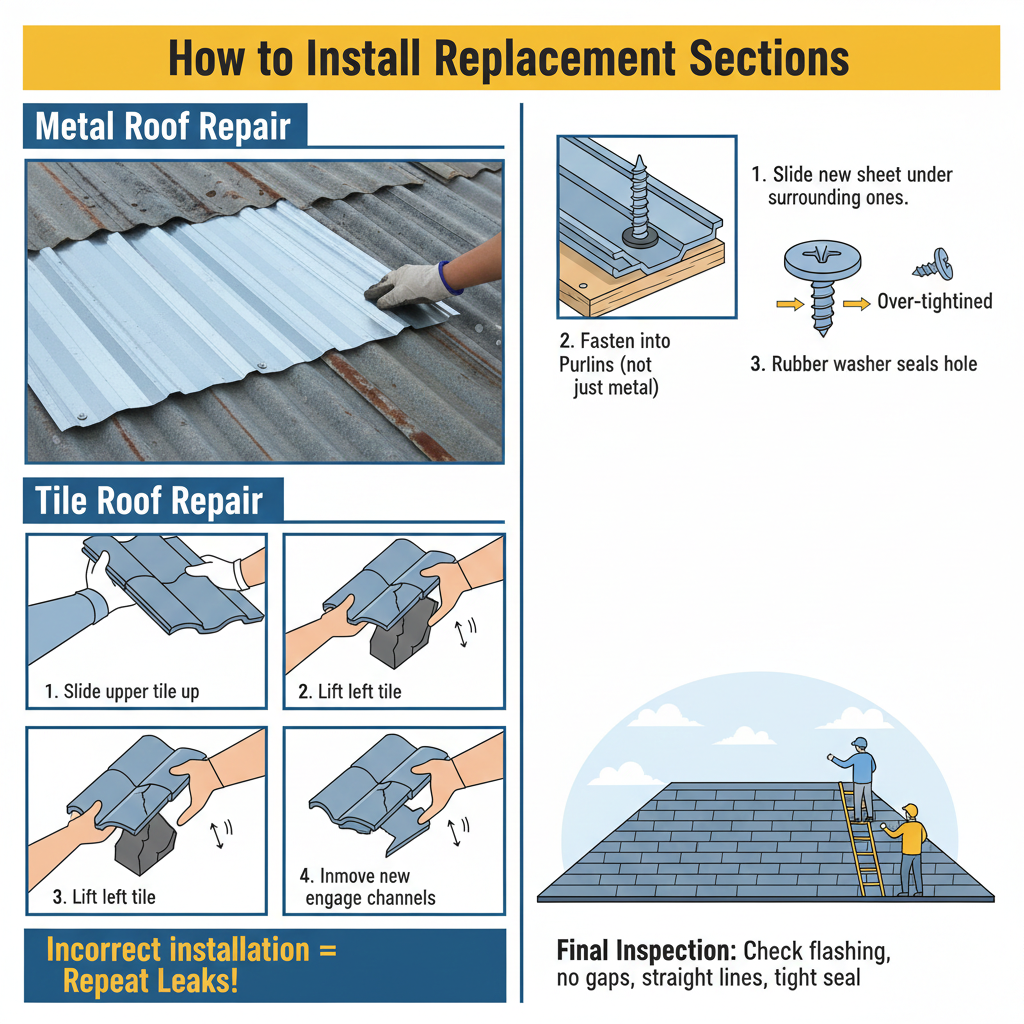
The installation phase of a roof repair East Tamaki is where precision meets physical labor. If you are replacing a sheet of iron, you must lift the surrounding sheets to slide the new one in, ensuring the water flow is not impeded. Fasteners must be screwed into the purlins, not just the thin metal, and they must include a rubber washer to seal the hole. Over-tightening washers can split them, while under-tightening leaves gaps for water.
For tile installation during a roof repair East Tamaki:
Slide the upper tile up into the headspace to clear the gap.
Lift the left-hand tile slightly.
Remove the damaged tile carefully to avoid breaking the battens.
Insert the new tile, ensuring the locking channels engage perfectly with neighbors.
Pull the upper tile back down into position.
Incorrect installation is the leading cause of repeat leaks. In roof repair East Tamaki, attention to detail at the installation phase prevents the need for a second call-out. Ensure that all flashing is re-dressed properly and that no gaps are visible where the roof meets vertical walls or chimneys. A visual inspection from the ground and the ladder is necessary to confirm the lines are straight and the seal is tight.
How to Clean Your Roof Post-Repair
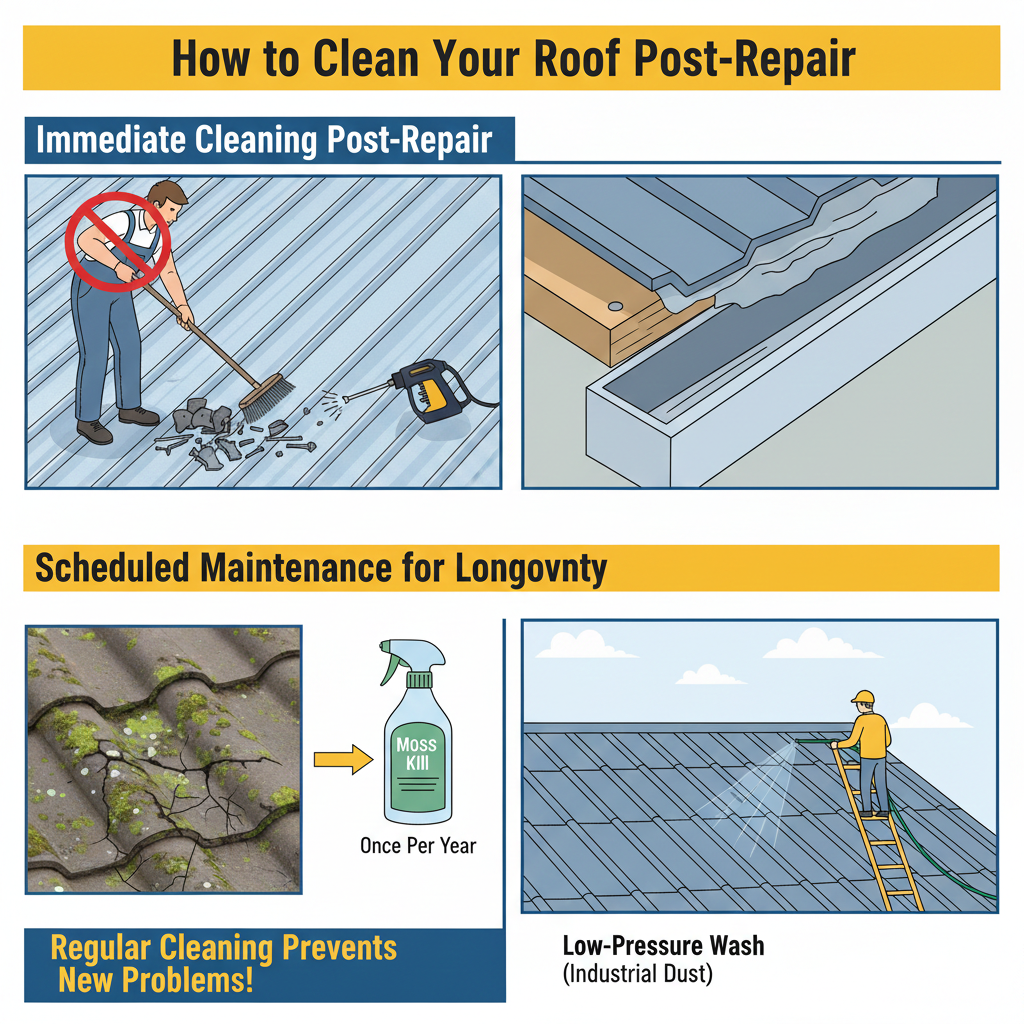
Once the roof repair East Tamaki is complete, cleaning is the final step to ensure longevity. Debris left behind, such as cut ends of wire, nails, or tile shards, can rust or block gutters, causing new problems immediately. Use a soft broom or a leaf blower to clear the area. avoid using high-pressure water blasters on old pointing or asphalt shingles, as this can strip the protective granules or dislodge the fresh mortar.
Regular cleaning schedules should be established after your roof repair East Tamaki. Moss and lichen are sworn enemies of roofing materials. They hold moisture against the surface and their roots can penetrate microscopic cracks, widening them over time. Applying a moss kill treatment once a year helps maintain the integrity of the repair. For residents in East Tamaki, where industrial dust can accumulate, a gentle wash down with a hose (low pressure) can also prevent chemical corrosion on metal roofs.
What Is the Cost?
Determining the cost of roof repair East Tamaki depends on several variables including access, material type, and the extent of damage. A minor leak fix involving a few tiles might cost between $250 and $450. However, if the damage is structural or involves replacing large sections of flashing, the price can easily rise to $1,500 or more. Labor is a significant component of the cost, often charged at an hourly rate ranging from $80 to $120 per hour per man.
It is important to budget for unforeseen costs in any roof repair East Tamaki project. Once a roofer opens up a section, they may discover rotten timber battens or water-damaged insulation that must be replaced. A contingency fund of 15-20% is recommended. Remember, the cheapest quote is rarely the best. Low prices often signal cut corners or inferior materials. Investing in quality roof repair East Tamaki now saves you the massive expense of a full re-roofing job later.
Special Topic: Regional Maintenance Insights
When addressing roof repair East Tamaki, one must consider the specific needs of the local area.
1: Tile Roof Leak Repair East Tamaki
Tile roofs are prevalent in East Tamaki suburbs. Common issues include cracked mortar (pointing) and slipped tiles. A focused tile roof leak repair east tamaki involves re-bedding the ridge caps and replacing broken tiles to ensure the home remains watertight during the wet season. This specific repair prevents water from trickling down into the wall cavities.2: Roof Maintenance Auckland
Broader roof maintenance auckland strategies apply here too. The high humidity requires regular checks for mold and rust. A maintenance schedule should include gutter cleaning twice a year and an annual professional inspection. This proactive approach identifies weak points before they fail.3: Roof Repairs West Auckland
While our focus is East Tamaki, comparing practices with roof repairs west auckland offers insight. West Auckland often deals with more bush-related debris. However, the techniques for fixing Longrun steel or concrete tiles remain consistent across the region, meaning you can sometimes source contractors who work across both zones if local availability is tight.4: Tile Roof Repair Techniques East Tamaki
Advanced tile roof repair techniques east tamaki include using flexible pointing compounds that move with the building’s thermal expansion. This prevents the cracking associated with old cement mortar. Additionally, applying a clear glaze after cleaning can seal porous tiles, extending their life significantly.
Advantages of Timely Repair
The primary advantage of scheduling a roof repair East Tamaki promptly is the preservation of your home’s structural integrity. Water is destructive; it warps wood, corrodes metal, and destroys plasterboard. catching a leak early limits the damage to a small area, keeping repair bills manageable. Furthermore, a well-maintained roof contributes to better energy efficiency. Wet insulation loses its thermal properties, making your home colder and increasing heating bills.
Another significant benefit of roof repair East Tamaki is the enhancement of curb appeal and property value. If you plan to sell, a roof in disrepair is a major red flag for buyers and building inspectors. It suggests the property has been neglected. Conversely, a documented history of maintenance and repair assures potential buyers that the asset is secure. It transforms a potential liability into a selling point, proving the home is move-in ready.
Challenges Connected to Repairs
Despite the benefits, there are challenges connected to roof repair East Tamaki. Weather is the most unpredictable factor. Auckland’s “four seasons in one day” can delay projects, leaving roofs exposed if not properly tarped. Scheduling can also be difficult during peak seasons (usually autumn and after major storms) when good tradespeople are booked out for weeks. You may face long wait times for a quality roof repair East Tamaki.
Access is another challenge. Many modern infill housing developments in East Tamaki have narrow driveways and limited space for scaffolding. This can increase the cost and complexity of the job. Additionally, finding matching materials for older homes can be difficult. If your tile profile is discontinued, your roof repair East Tamaki might involve sourcing second-hand tiles from demolition yards, which takes time and effort. Dealing with these logistical hurdles requires patience and a flexible mindset.
FAQs About Roofing in East Tamaki
How long does a standard roof repair East Tamaki take?
Most minor repairs are completed within one day. However, extensive leak detection or structural work may take 2-3 days depending on weather conditions.
Does insurance cover my roof repair East Tamaki?
Insurance typically covers sudden, accidental damage (like a tree falling during a storm) but rarely covers wear and tear or lack of maintenance. Check your policy wording carefully.
Can I perform roof repair East Tamaki in the rain?
It is highly unsafe and generally ineffective to repair a roof while it is raining. Sealants will not bond, and the slip hazard is extreme. Emergency tarps are the only solution during rain.
What is the warranty on roof repair East Tamaki?
Reputable contractors usually offer a workmanship warranty ranging from 1 to 5 years. Materials will have their own manufacturer warranties, often longer.
How often should I get a roof inspection in East Tamaki?
It is recommended to schedule a professional inspection every 2 years, or immediately after any severe weather event, to catch issues early.
Conclusion
In conclusion, prioritizing roof repair East Tamaki is one of the smartest decisions a property owner can make. The roof is the first line of defense against the environment, and its condition directly impacts the safety, comfort, and value of your home. By understanding the costs, processes, and maintenance requirements outlined in this guide, you move from a position of reactivity to proactivity. You no longer have to wait for a disaster to strike.
Whether you choose to tackle minor maintenance yourself or hire a seasoned professional, the key is action. Don’t ignore the small stain on the ceiling or the moss growing in the gutters. These are warning signs. Engage with the roof repair East Tamaki process today to ensure your home remains a safe, dry, and valuable asset for years to come. Your future self—and your bank account—will thank you for the diligence.
Other Resources
Rise Roofing – Company website providing residential and commercial roofing services in New Zealand.
NoCowboys – East Tamaki Roofing Contractors – Directory listing roofing contractors in East Tamaki with customer reviews and ratings.
Roof Repairs NZ – Service website specializing in roof repair and maintenance solutions across New Zealand.
My Roofers Auckland – Local service page detailing roofing contractor services in East Tamaki, Auckland.
Other Helpful Articles
Silicone Roof Coating – Article explaining silicone roof coatings, their benefits, and typical applications.
Roofing FAQ – Frequently asked questions covering common roofing topics and concerns.
Multi-Span vs Single-Slope Roof – Guide comparing multi-span and single-slope roof designs and use cases.
Raking Snow From Roof – Article outlining safe practices and considerations for removing snow from roofs.
