
Painting Roof Tiles: Secrets for Lasting Color
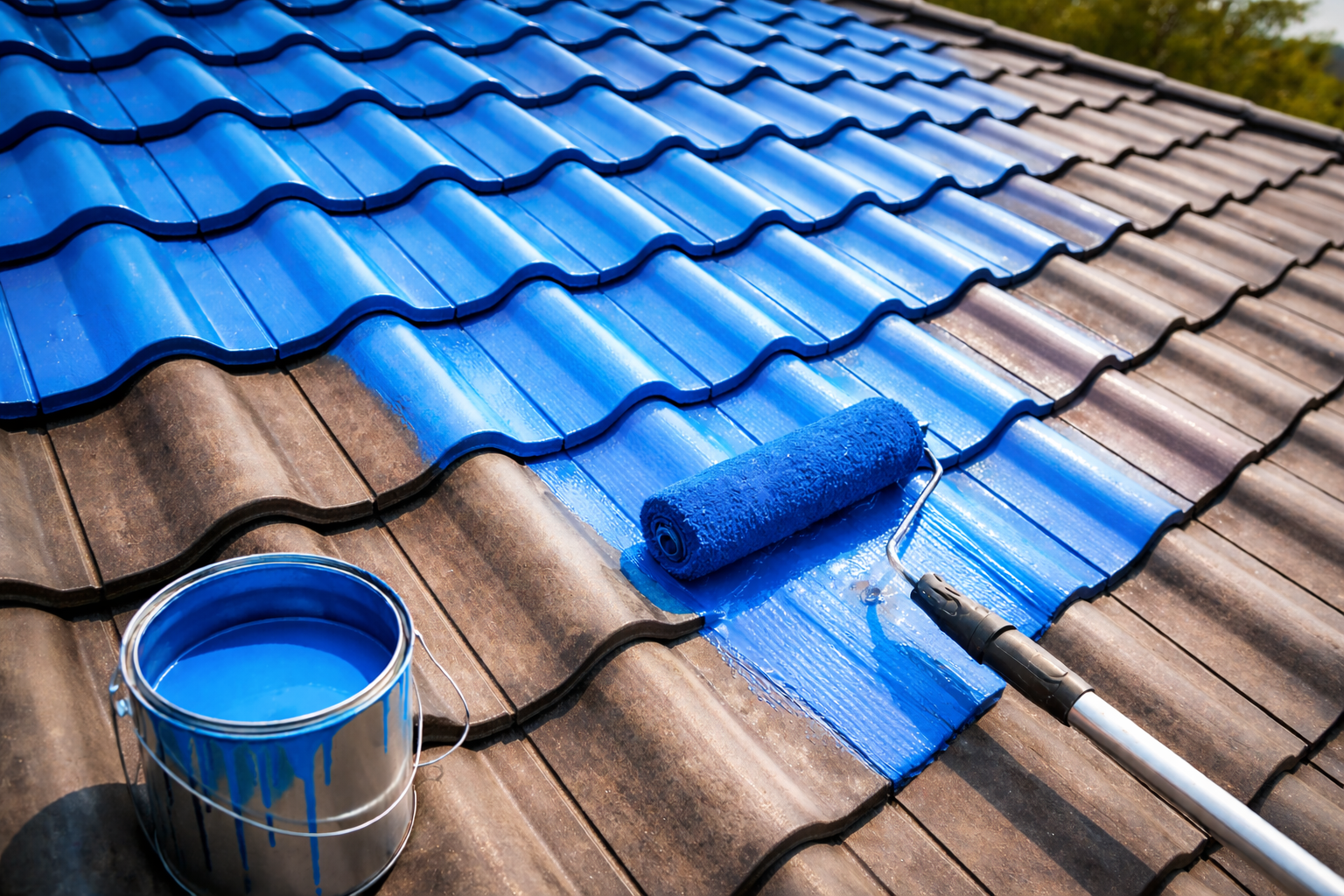
Painting Roof Tiles: The Ultimate Homeowner’s Guide
Refurbishing your home’s exterior often starts at the top, and painting roof tiles is one of the most impactful ways to transform your property’s appearance. A faded, moss-covered roof can drag down the aesthetic value of an entire house, whereas a freshly coated surface can make it look brand new. Whether you are looking to increase resale value or simply extend the lifespan of your existing roofing material, understanding the intricacies of painting roof tiles is essential. This comprehensive guide will walk you through every single detail, from the initial cleaning to the final coat, ensuring you have the knowledge to execute or supervise a flawless project.
Master the Art and Science of Painting Roof Tiles
What Is Painting Roof Tiles?
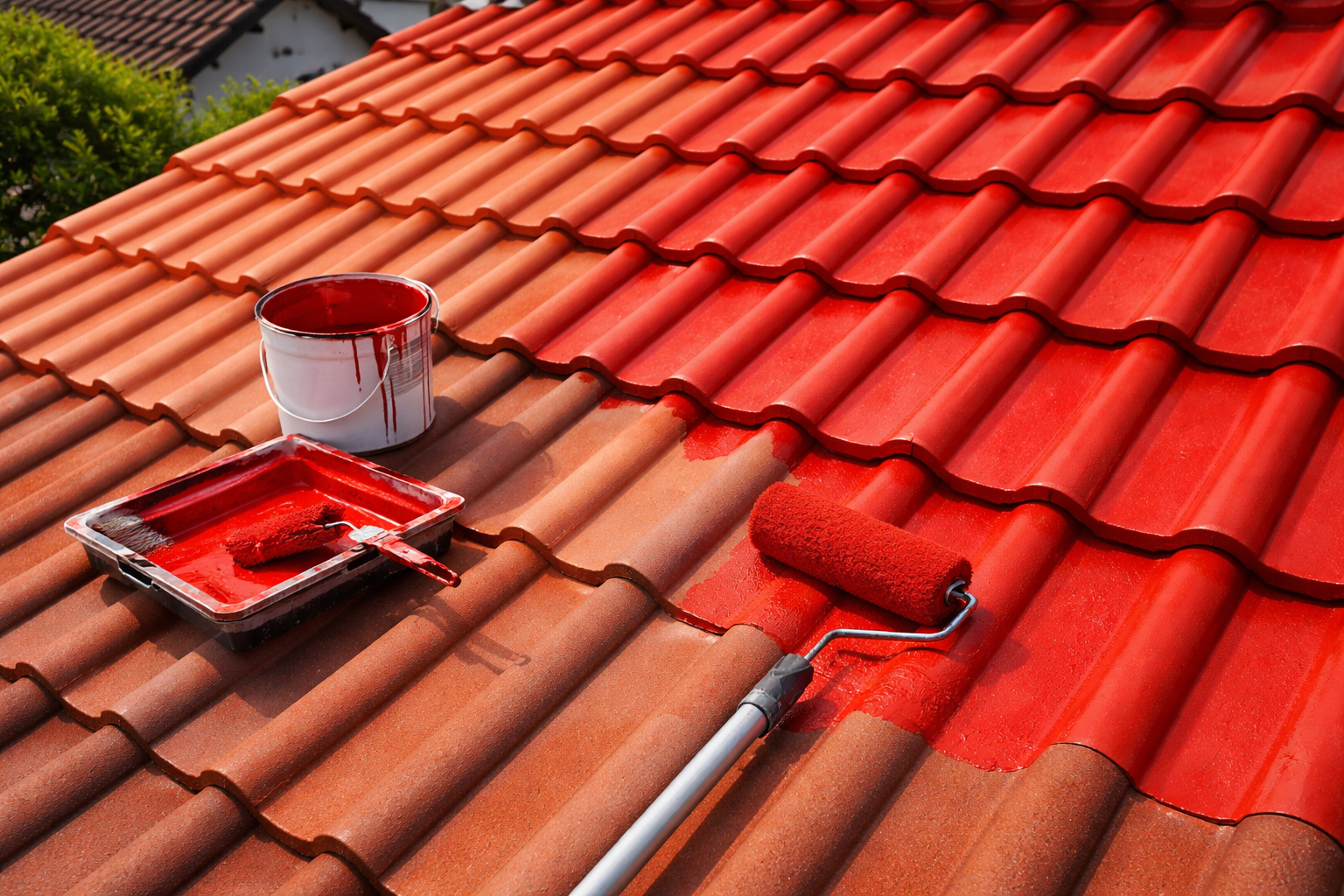
Painting roof tiles is the process of applying a specialized liquid coating to roof tiles to restore their color, seal porous surfaces, and protect against environmental damage. Unlike painting a wall, painting roof tiles involves a multi-stage system that includes high-pressure cleaning, repairing damaged structural elements, priming with a bonding agent, and finally applying UV-resistant roof membranes. This is not merely cosmetic; it is a restorative action that can prolong the life of concrete and certain clay tiles by preventing water absorption.
When you commit to painting roof tiles, you are essentially creating a new weather barrier. Over time, the original factory coating on tiles wears away due to rain, hail, and harsh sunlight. Painting roof tiles replaces this lost layer. It is important to note that this process is most effective on concrete tiles, which are porous and degrade on the surface over decades. The restoration process involved in painting roof tiles can stop the sandy erosion often seen in older concrete roofs, locking the matrix together and preventing further deterioration.
The concept of painting roof tiles also extends to heat reflection. Modern roof paints are often formulated with heat-reflective technology. This means that painting roof tiles can potentially lower the internal temperature of your home during summer. By choosing a reflective color and a high-quality product, painting roof tiles becomes an investment in energy efficiency as well as aesthetics.
How to Do: Step-by-Step Preparation
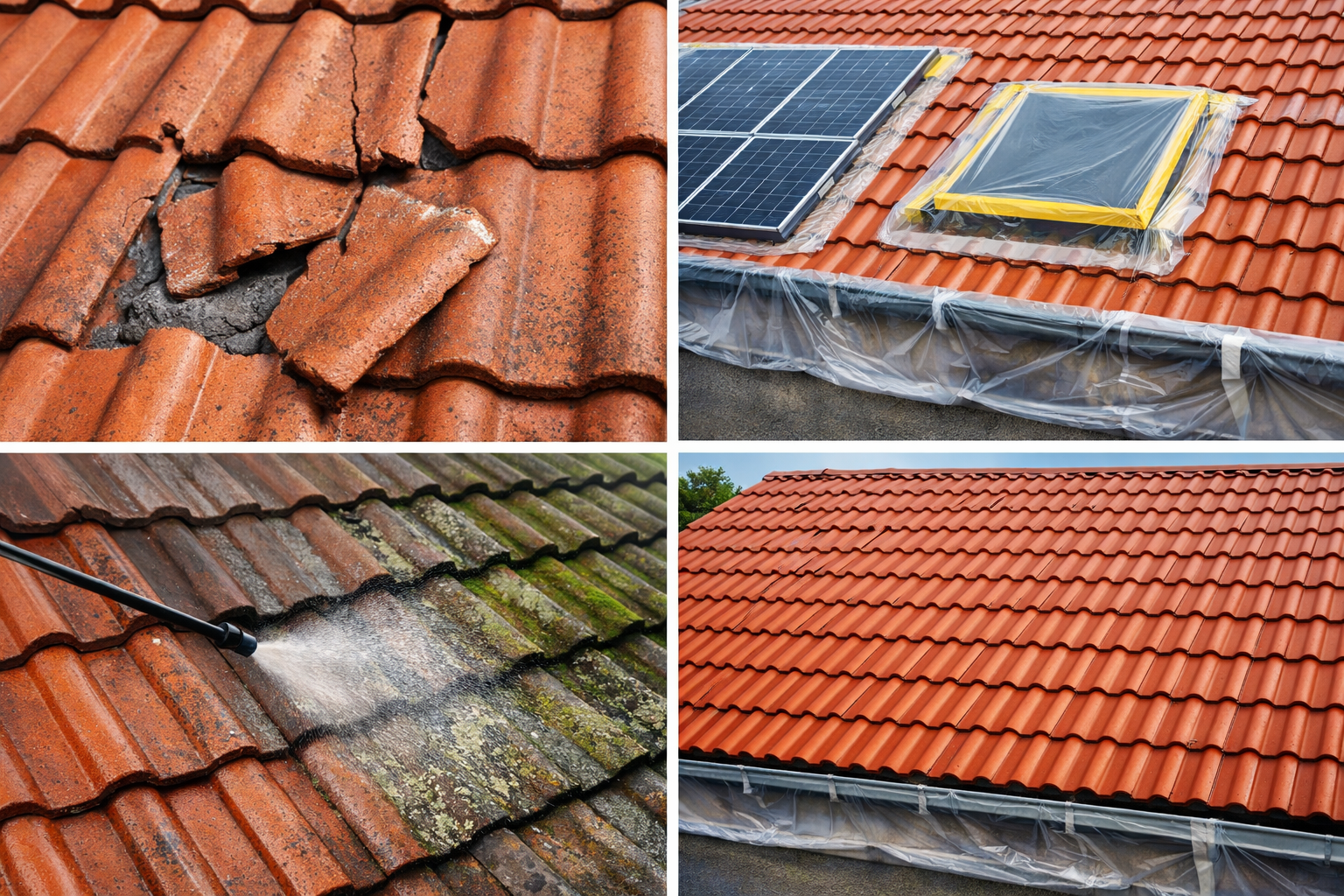
The success of painting roof tiles lies almost entirely in the preparation. If you skip steps here, the paint will peel within months. The first phase of painting roof tiles involves a meticulous inspection. You must walk the roof (safely) and identify every single cracked, chipped, or slipped tile. Before you even think about painting roof tiles, these compromised elements must be replaced. Painting over a crack does not seal it; it just hides a future leak.
Once repairs are done, the actual work of painting roof tiles begins with masking. You must cover solar panels, skylights, gutters, and downpipes. Overspray from painting roof tiles is incredibly difficult to remove once dry. Use heavy-duty plastic sheeting and high-quality exterior tape. Remember that wind can carry fine mist during the painting roof tiles process, so cover cars and outdoor furniture even at ground level.
The final prep step for painting roof tiles is sterilization. If your roof has moss or lichen, you must apply a fungicidal wash. If you proceed with painting roof tiles over living spores, they will continue to grow beneath the paint, causing it to bubble and lift. Apply the treatment, let it sit for the recommended time (often 24 hours), and then you are ready for the deep clean. This stage ensures that the surface receiving the painting roof tiles treatment is chemically neutral and sterile.
How to Clean Before Painting
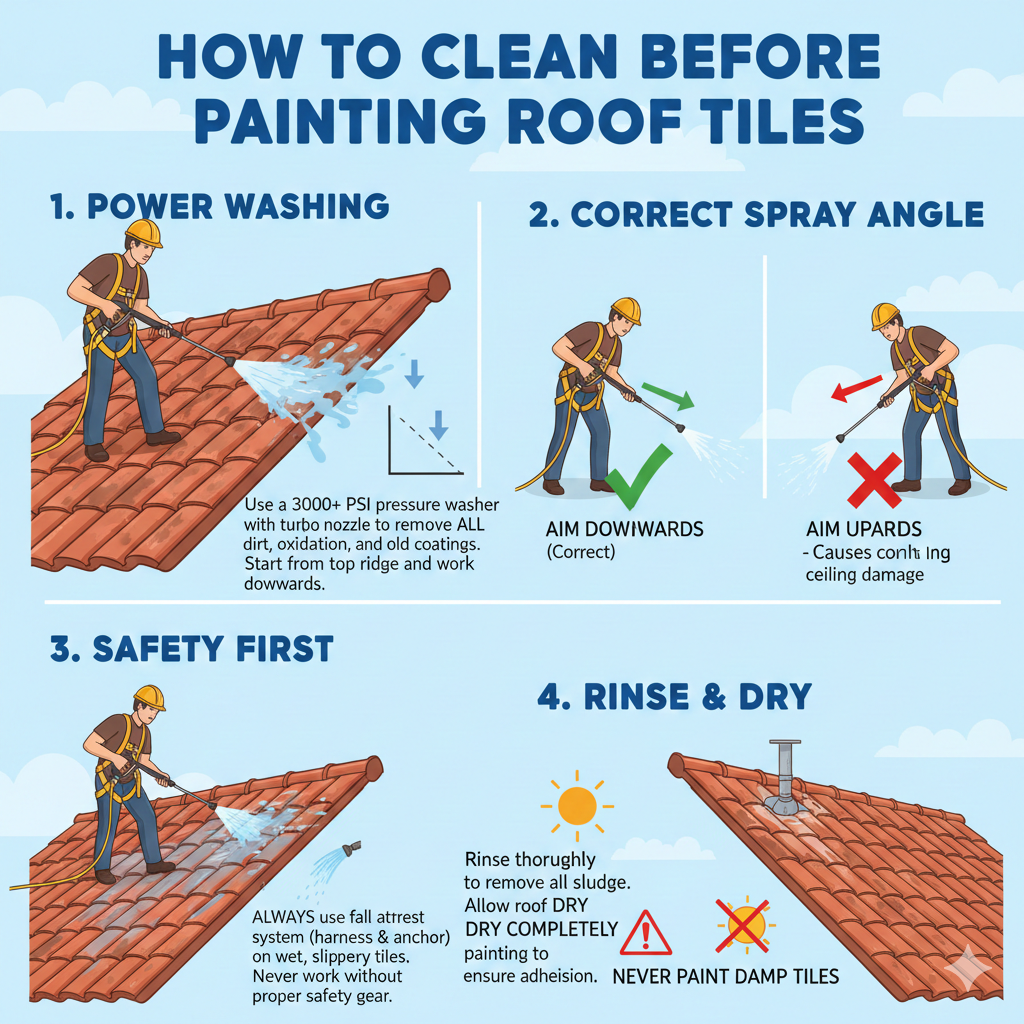
Cleaning is the most physically demanding part of painting roof tiles. You cannot use a garden hose; you need a commercial-grade pressure washer capable of at least 3,000 PSI (pounds per square inch). When painting roof tiles, the goal of cleaning is to remove all dirt, oxidation, loose sand, and old coatings. You should use a turbo nozzle, which spins the water jet to cut through grime effectively.
Start at the ridge (the top) and work your way down to the gutter. This prevents dirty water from running over clean areas. When preparing for painting roof tiles, always aim the water spray downwards along the slope of the roof. Spraying upwards can force water under the tiles and into your ceiling cavity, causing major water damage before you even start painting roof tiles. Be methodical; clean one tile width at a time, moving from one side of the roof to the other.
Safety is paramount during the cleaning phase of painting roof tiles. Wet tiles are like ice. You must use a fall arrest system, including a harness and a secure anchor point. Never attempt the cleaning phase of painting roof tiles without proper safety gear. After washing, rinse the roof thoroughly to remove any sludge. You must then allow the roof to dry completely. Painting roof tiles that are damp will trap moisture, leading to poor adhesion and blistering.
How to Find the Right Paint
Finding the correct product is critical for painting roof tiles. You cannot use standard exterior house paint. Roofs endure extreme thermal expansion and contraction; standard paint will crack under this stress. When painting roof tiles, you need a “roof membrane” or “roof coating.” These are typically 100% acrylic elastomeric formulas designed to stretch and move with the tiles.
Look for products specifically labeled for painting roof tiles. Top brands often supply “systems” that include a specific primer and a topcoat. When searching for materials for painting roof tiles, check the technical data sheet for “volume solids.” A higher volume solid percentage usually indicates a better quality paint that will leave a thicker film after drying.
Another factor when finding paint for painting roof tiles is finish. Do you want satin, gloss, or matte? Gloss finishes tend to stay cleaner longer because dirt washes off them easily, which is a significant advantage when painting roof tiles. However, matte finishes can hide imperfections in older tiles better. Read reviews and visit local trade paint suppliers rather than big-box hardware stores to get professional-grade products for painting roof tiles.
How to Buy Supplies
When you are ready to buy supplies for painting roof tiles, accurate measurement is key. You need to calculate the square footage of your roof, but you must account for the pitch and the profile of the tile. A flat roof has less surface area than a pitched roof with high-profile wavy tiles. A good rule of thumb for painting roof tiles is to multiply your home’s floor area by 1.3 to 1.5 to estimate the roof area, depending on the slope.
You will need to buy a specific primer. Never skip buying primer when painting roof tiles. The primer penetrates the old concrete and provides a sticky surface for the topcoat. If you are painting roof tiles that are very old and porous, you might need twice as much primer as the label suggests because the tiles will soak it up like a sponge.
For the application, buy or rent an airless sprayer. Rolling or brushing is inefficient and often impossible for painting roof tiles due to the rough texture and gaps. You will also need a spray tip suitable for heavy acrylics (usually a 517 or 519 tip). Don’t forget to buy plenty of masking tape, dropsheets, and safety gear when gathering supplies for painting roof tiles.
How to Install: The Painting Process
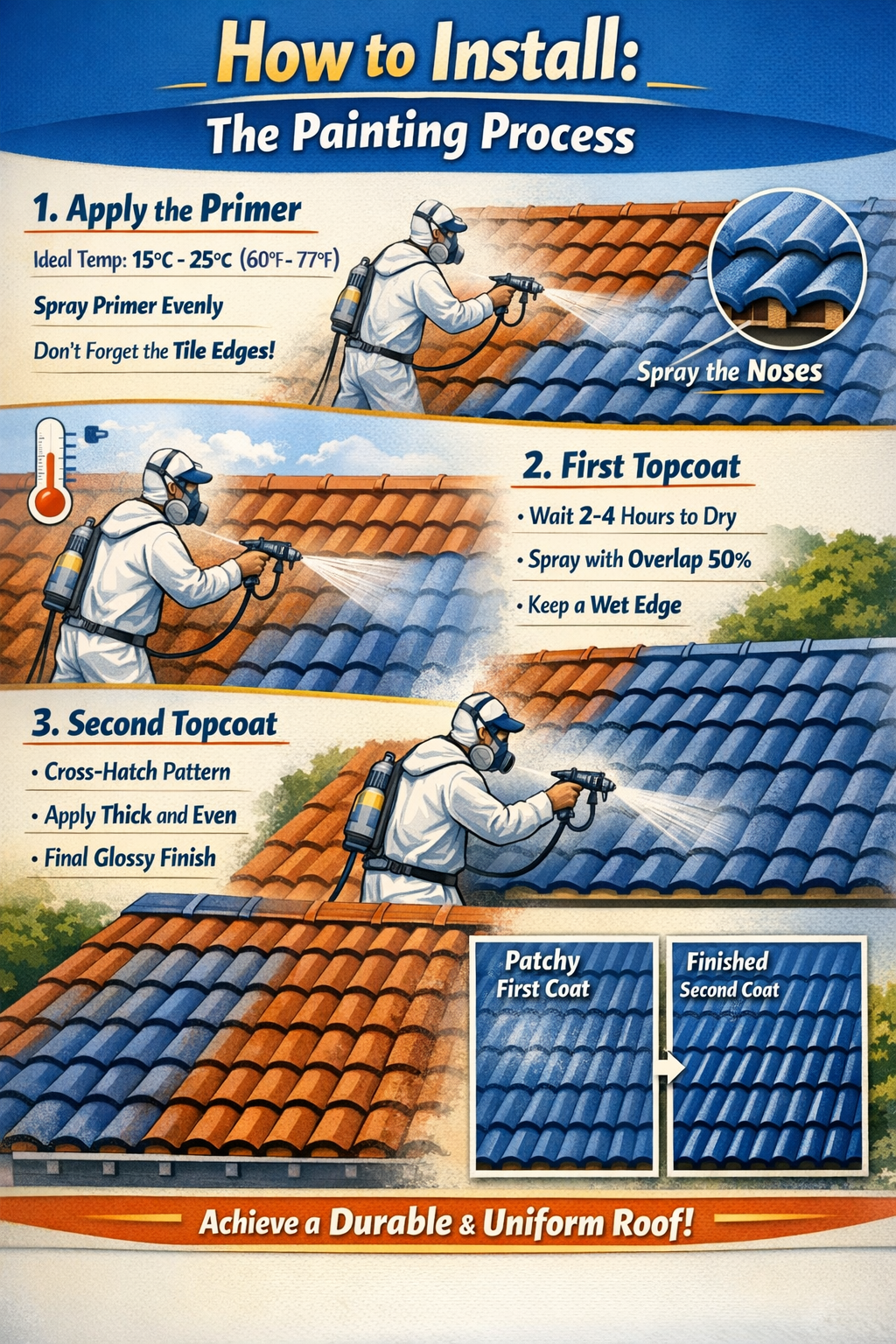
The actual application phase of painting roof tiles should be done on a day with mild temperatures—ideally between 15°C and 25°C (60°F – 77°F). Start with the primer. Using your airless sprayer, apply a consistent coat of primer over the entire surface. This is the most crucial bond in painting roof tiles. Ensure you spray the “noses” (the bottom edges) of the tiles, as these are visible from the ground.
Once the primer is dry (usually 2-4 hours), begin the first topcoat. When painting roof tiles, maintain a wet edge to avoid lap marks. Spray in a consistent pattern, keeping the gun about 30cm from the surface. Overlap each pass by 50%. The first coat of painting roof tiles provides the base color, but it may look patchy as it dries. Do not panic; this is normal.
The second coat is where the magic happens. Apply the second coat cross-hatch to the first if possible, or simply ensure you are hitting the angles you missed previously. Painting roof tiles requires a thick film build to ensure durability. Do not stretch the paint too thin. Most manufacturers recommend a specific wet film thickness. By the time you finish the second coat, the project of painting roof tiles should result in a rich, uniform color that glistens.
How to Clean and Maintain After Painting
After you have finished painting roof tiles, maintenance is required to keep them looking good. While the new paint prevents moss from rooting deeply, surface dirt will still accumulate. To clean a roof after painting roof tiles, you should gently wash it every few years. Do not use high pressure this time, as you could strip the new coating. A soft wash or low-pressure rinse is sufficient.
Keep trees trimmed back. Overhanging branches drop sap and leaves, which can stain your newly finished job of painting roof tiles. The shade from trees also promotes algae growth. Regular gutter cleaning is also part of maintaining the results of painting roof tiles, as blocked gutters can cause water to back up and sit on the lower tiles, potentially softening the paint over time.
Monitor the condition of the paint. If you notice chalking (a white powder forming on the surface) after a decade, it might be time for a refresher coat. The beauty of painting roof tiles is that once the initial heavy prep and prime are done, re-coating ten years later is a much simpler process involving just a wash and a fresh topcoat.
Can You Paint Specific Tile Types?
This section addresses common questions about the suitability of different materials for painting roof tiles.
1: Can you paint roof tiles generally?
Yes, most concrete roof tiles are excellent candidates for painting. They are porous and accept acrylic primers readily. However, you must assess the structural integrity first. Paint roof tiles that are crumbling or “fretting” significantly may not be viable; replacement might be the only option.
2: Can you paint terracotta roof tiles?
Generally, no. Paint roof tiles made of terracotta is risky. Terracotta is often glazed or extremely dense. Paint struggles to adhere to the glassy surface and will often peel in large sheets within a year or two. Specialized primers exist, but most professionals recommend cleaning rather than paint roof tiles made of terracotta.
3: Can you paint clay roof tiles?
It depends. Unglazed clay tiles can sometimes be painted, but they breathe differently than concrete. If you seal them too tightly with acrylic, you can trap moisture, causing the tile to spall (break apart) during freeze-thaw cycles. Proceed with extreme caution when paint roof tiles made of clay.
4: Can you paint a barrel tile roof?
Yes, but the application is difficult. The high profile of barrel tiles means you cannot use a roller; an airless sprayer is mandatory. When paint roof tiles with a barrel shape, you must spray from multiple angles (up, down, left, right) to cover the curved sides fully, or you will see old colors when viewing the roof from different spots in the yard.
What Is the Cost?
The cost of painting roof tiles varies significantly based on whether you DIY or hire a pro. For a professional job, you can expect to pay between $4.00 and $10.00 per square foot (or roughly $40 to $60 per square meter). This price includes cleaning, repairs, pointing (mortar work), priming, and two coats of paint. Paint roof tiles is labor-intensive, and labor makes up about 70-80% of the quote.
If you choose the DIY route for paint roof tiles, your costs will be strictly materials and equipment rental. High-quality roof membrane paint costs between $150 and $250 for a 20-liter bucket (approx. 5 gallons). You might need 3-5 buckets for an average home. Add in the cost of primer, pressure washer rental, and airless sprayer rental. A DIY project for paint roof tiles might cost $1,500 to $2,500 in total, saving you thousands compared to professional rates.
However, consider the value of your time and safety. Paint roof tiles is dangerous work. Professional quotes also often include a warranty, sometimes up to 10 years, which you do not get with a DIY job. When weighing the cost of paint roof tiles, factor in the potential increase in home value, which can often exceed the cost of the restoration itself.
Advantages of Painting Roof Tiles
There are numerous benefits to painting roof tiles beyond just color.
Aesthetics: The most obvious benefit of paint roof tiles is the instant modernization of your home. You can change a dated brown roof to a modern charcoal or slate grey.
Protection: Painting roof tiles seals the concrete, preventing water absorption. This stops the tiles from becoming heavy with rain and reduces the stress on your roof trusses.
Lichen Prevention: The smooth surface created by paint roof tiles makes it difficult for moss and lichen spores to latch on and grow.
Drinkable Water: If you collect rainwater, paint roof tiles with a certified potable-water-safe paint can ensure cleaner runoff, free from the grit and dirt of old concrete tiles.
Thermal Efficiency: Using heat-reflective coatings when paint roof tiles can significantly reduce attic temperatures, lowering your air conditioning bills during hot months.
Challenges and Risks
Despite the benefits, painting roof tiles comes with challenges.
Peeling: The number one risk of paint roof tiles is peeling paint. This is almost always caused by poor cleaning or painting over a damp surface. Once it starts peeling, it looks terrible and is very expensive to fix.
Slippery Surface: A painted roof is incredibly slippery when wet. Paint roof tiles can make future maintenance, like fixing an antenna or cleaning gutters, much more dangerous.
Wrong Material: As mentioned, paint roof tiles that are terracotta or glazed can lead to disastrous failure of the coating.
Overspray: If you are not careful when paint roof tiles, wind can carry paint mist onto your neighbor’s car or windows, leading to liability issues.
Hidden Damage: Sometimes, a thick coat of paint can hide structural cracks that should have been repaired. Paint roof tiles should never be a band-aid for a roof that actually needs replacement.
Professional vs. DIY
Deciding between a professional and DIY approach for paint roof tiles is a major choice. Professionals bring experience, speed, and insurance. A crew can often complete the cleaning, repairing, and paint roof tiles process in 2-3 days. They know exactly how to walk on tiles without breaking them—a skill that takes time to master.
On the other hand, DIY paint roof tiles is feasible for the handy homeowner. If you are comfortable with heights and have patience for the prep work, you can achieve professional results. The key is not to rush. A DIYer can take a week to clean and prep perfectly, whereas a contractor might be under time pressure. However, the physical toll of paint roof tiles is high; it involves days of standing on a slope, managing heavy hoses, and working in the sun.
Ultimately, if your roof has a steep pitch (over 30 degrees), you should almost certainly hire a professional for paint roof tiles. The risk of falling increases exponentially with pitch. For low-slope roofs, DIY paint roof tiles is a safer and more manageable project for those looking to save money.
FAQ : Painting roof tiles
Is painting roof tiles a good idea?
Yes, painting roof tiles is a good idea if your tiles are concrete and structurally sound but aesthetically tired. It extends the life of the roof and improves curb appeal significantly.
How long does painting roof tiles last?
A professional job of painting roof tiles typically lasts 10 to 15 years. This depends on the quality of the paint, the preparation, and the harshness of the local climate.
Do I need a primer for painting roof tiles?
Absolutely. You must use a primer when painting roof tiles. The primer bonds to the porous surface of the tile; without it, the topcoat will likely peel within a short period.
How much does it cost for painting roof tiles?
The cost for paint roof tiles ranges from $4 to $10 per square foot professionally. DIY costs are significantly lower, usually totaling between $1,500 and $3,000 for materials.
Can I use a roller for painting roof tiles?
Technically yes, but it is not recommended. Paint roof tiles with a roller is slow and often leaves gaps in the tile overlaps. An airless sprayer provides a much better finish and seals the tiles more effectively.
What is the best color for painting roof tiles?
The best color for paint roof tiles depends on your climate. Lighter colors reflect heat and are better for hot climates, while darker colors like charcoal are popular for modern aesthetics but absorb more heat.
Conclusion
Painting roof tiles is a transformative home improvement project that offers high rewards for those willing to invest the time or money. It is more than just a color change; it is a complete restoration system that protects your home from the elements. By understanding the critical steps—cleaning, repairing, priming, and coating—you ensure that your project of painting roof tiles will stand the test of time.
Whether you choose to hire a professional or tackle the job yourself, the key to success in painting roofing tiles remains the same: preparation. Do not skimp on the cleaning, do not buy cheap paint, and always prioritize safety. With the right approach, painting roof tiles can add decades to your roof’s life and thousands to your home’s value. Take the leap and revitalize your home today with a fresh, durable roof coating.
Other Resources
Pyramid Roofing – Informational article discussing whether roof tiles can be painted and key factors to consider.
Central Homes Roofing – Educational guide explaining the process, benefits, and limitations of painting roof tiles.
Reddit – Roof Tile Painting Discussion – Community discussion sharing homeowner opinions on painting roof tiles lighter colors.
YouTube – Roof Tile Painting Video – Video explaining roof tile painting methods and considerations.
Other Helpful Articles
Flat Roof Vents – Article explaining flat roof ventilation options and common vent types.
Arched Metal Roof – Guide describing arched metal roof designs and typical applications.
Boral Roof Tile – Article providing information on Boral roof tiles and their characteristics.
