
Hawaiian Blue Metal Roof: 5 Best Tips
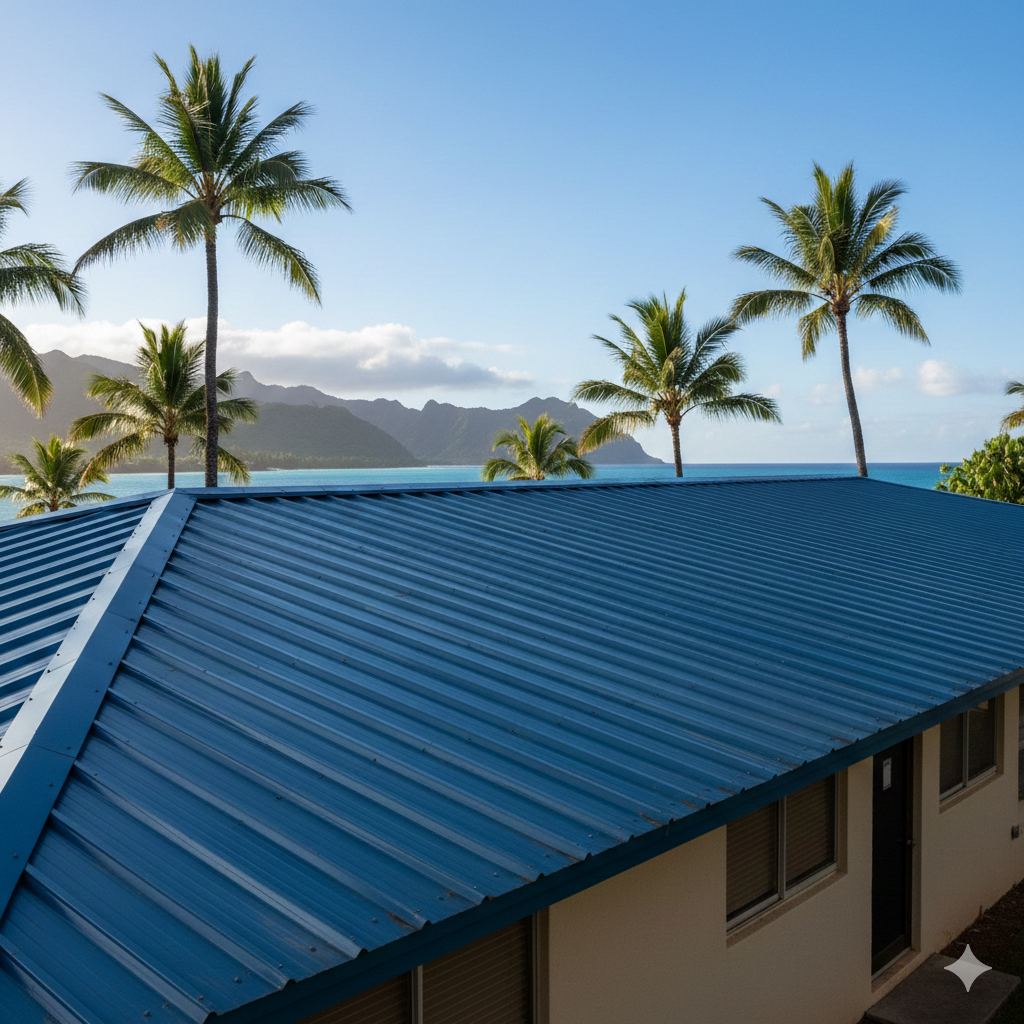
The Ultimate Hawaiian Blue Metal Roof Guide
A hawaiian blue metal roof is more than just a protective covering for your home; it is a vibrant statement of style that combines tropical aesthetics with industrial durability. Homeowners across the country are increasingly turning to this specific color profile to capture the essence of island living while benefiting from the longevity of steel or aluminum. Whether you are renovating a coastal cottage or looking to add a splash of color to a suburban home, a hawaiian blue metal roof offers a unique blend of performance and visual appeal. This comprehensive guide will explore every aspect of this roofing choice, from costs and installation to maintenance and sourcing.
What Is a Hawaiian Blue Metal Roof?
A hawaiian blue metal roof is defined by its specific color coating, typically a silicone-modified polyester (SMP) or polyvinylidene fluoride (PVDF) finish applied to galvalume or galvanized steel panels. The color “Hawaiian Blue” is a standardized shade in the metal roofing industry, characterized by a deep, rich teal or ocean-blue hue that mimics the vibrant waters of the Pacific. Unlike generic blue roofs, a hawaiian blue metal roof utilizes specific pigment ratios to achieve a solar reflectance (SR) value of approximately 0.31, making it an energy-efficient “cool roof” option.
When you select a hawaiian blue metal roof, you are choosing a product that is engineered to resist fading, chalking, and corrosion. The paint systems used for a hawaiian blue roof are tested for years of exposure to UV rays, ensuring that the vibrant blue color remains true for decades. Manufacturers like Western States Metal Roofing and Union Corrugating offer this specific shade in various profiles, including corrugated panels and standing seam systems. A hawaiian blue metal roof is versatile enough for residential homes, agricultural barns, and commercial buildings, offering a distinctive look that sets a property apart from the sea of gray and brown roofs.
Advantages of Choosing This Style
The primary advantage of a hawaiian blue roof is its exceptional aesthetic appeal. The color is bold yet soothing, providing a significant boost to curb appeal. Homes with a hawaiian blue roof often stand out in real estate listings, attracting buyers looking for unique, custom features. Beyond looks, a hawaiian blue metal roof provides all the structural benefits of metal roofing, including a lifespan of 40 to 70 years, which is significantly longer than traditional asphalt shingles.
Energy efficiency is another major benefit of installing a hawaiian blue metal roof. The specific pigmentation of the Hawaiian Blue color allows it to reflect a substantial amount of solar heat, reducing cooling costs during hot summer months. By choosing a hawaiian blue roof, you can potentially lower your energy bills by reflecting UV rays away from your attic space. Furthermore, a hawaiian blue metal roof is highly resistant to fire, rot, and insect damage, making it a low-maintenance option for long-term homeowners. The durability of a hawaiian blue metal roof means it can withstand high winds and heavy snow loads, providing peace of mind in extreme weather conditions.
Challenges and Considerations
While a hawaiian blue metal roof is a superior product, there are challenges to consider. The most notable is the initial cost, which is higher than asphalt alternatives. A hawaiian blue roof requires a larger upfront investment, though this is often recouped over time through durability and energy savings. Additionally, finding a specific match for “Hawaiian Blue” for repairs years down the line can be difficult if manufacturers change their paint formulas. It is crucial to buy extra panels when installing your hawaiian blue metal roof to ensure you have matching stock for future repairs.
Another challenge with a hawaiian blue metal roof is the potential for oil canning, which is a visible waviness in the flat areas of metal panels. This is an aesthetic issue inherent to metal roofing and not specific to the color, but the glossy finish of a hawaiian blue metal roof can sometimes make these undulations more visible under bright sunlight. Homeowners should also check with their Homeowners Association (HOA) before installing a hawaiian blue roof, as some neighborhoods have strict restrictions on roof colors. Despite these challenges, the performance of a hawaiian blue metal roof generally outweighs the downsides for most buyers.
How to Find the Best Suppliers
Finding a supplier for a hawaiian blue roof requires research, as not all local hardware stores stock this specific color. You should start by searching for specialized metal roofing distributors who carry brands like Sheffield Metals, AkzoNobel, or Valspar, as these manufacturers often supply the coil for a hawaiian blue metal roof. Online searches for “hawaiian blue metal roof distributors” will yield results for companies that ship directly to job sites.
When looking for a hawaiian blue metal roof, request physical color chips from potential suppliers. Computer screens can distort colors, so seeing a sample of the hawaiian blue metal roof material in natural sunlight is essential to ensure it matches your vision. Ask suppliers if they have “Hawaiian Blue” in stock or if it is a special order item. Many suppliers can roll-form a hawaiian blue metal roof to your exact length specifications, reducing waste. Always verify that the supplier offers a warranty on the paint finish of the hawaiian blue metal roof to protect against premature fading or peeling.
How to Buy Your Roofing Materials
To buy a hawaiian blue metal roof effectively, you must first calculate the square footage of your roof, including a waste factor of about 10-15%. Once you have your measurements, contact manufacturers to get a quote for the complete hawaiian blue roof package, which should include panels, trim, flashing, and fasteners. It is often cheaper to buy a hawaiian blue roof package directly from a regional manufacturer than through a middleman.
When purchasing a hawaiian blue metal roof, pay attention to the gauge of the metal. A 24-gauge or 26-gauge steel is standard for a residential hawaiian blue roof, with 24-gauge being thicker and more durable. Ensure that the screws or rivets included in your order have heads painted to match your hawaiian blue roof exactly; otherwise, your roof will look spotted. Ask the seller about delivery logistics, as a hawaiian blue metal roof crate is heavy and requires a forklift or crane for unloading. Securing a written quote for your hawaiian blue metal roof that locks in the price for 30 days is also a smart move in a volatile steel market.
What Is the Cost of Installation?
The cost of a hawaiian blue metal roof varies based on material quality and labor rates in your area. generally, you can expect the materials for a hawaiian blue roof to cost between $4.00 and $7.00 per square foot. When you add professional installation, the total price for a hawaiian blue roof typically ranges from $7.00 to $14.00 per square foot. For a standard 2,000-square-foot roof, a completely installed hawaiian blue roof could cost between $14,000 and $28,000.
Premium paint finishes like PVDF (Kynar 500) will increase the price of a hawaiian blue metal roof compared to SMP finishes, but they offer better fade resistance. If you choose a standing seam hawaiian blue metal roof, the cost will be on the higher end due to the labor-intensive installation process. Corrugated or exposed-fastener hawaiian blue metal roof panels are generally cheaper. It is advisable to get three detailed quotes from contractors who have specific experience installing a hawaiian blue roof to ensure accurate pricing. Remember that a hawaiian blue metal roof is an investment that adds long-term value to your property.
How to Install Your New Roof
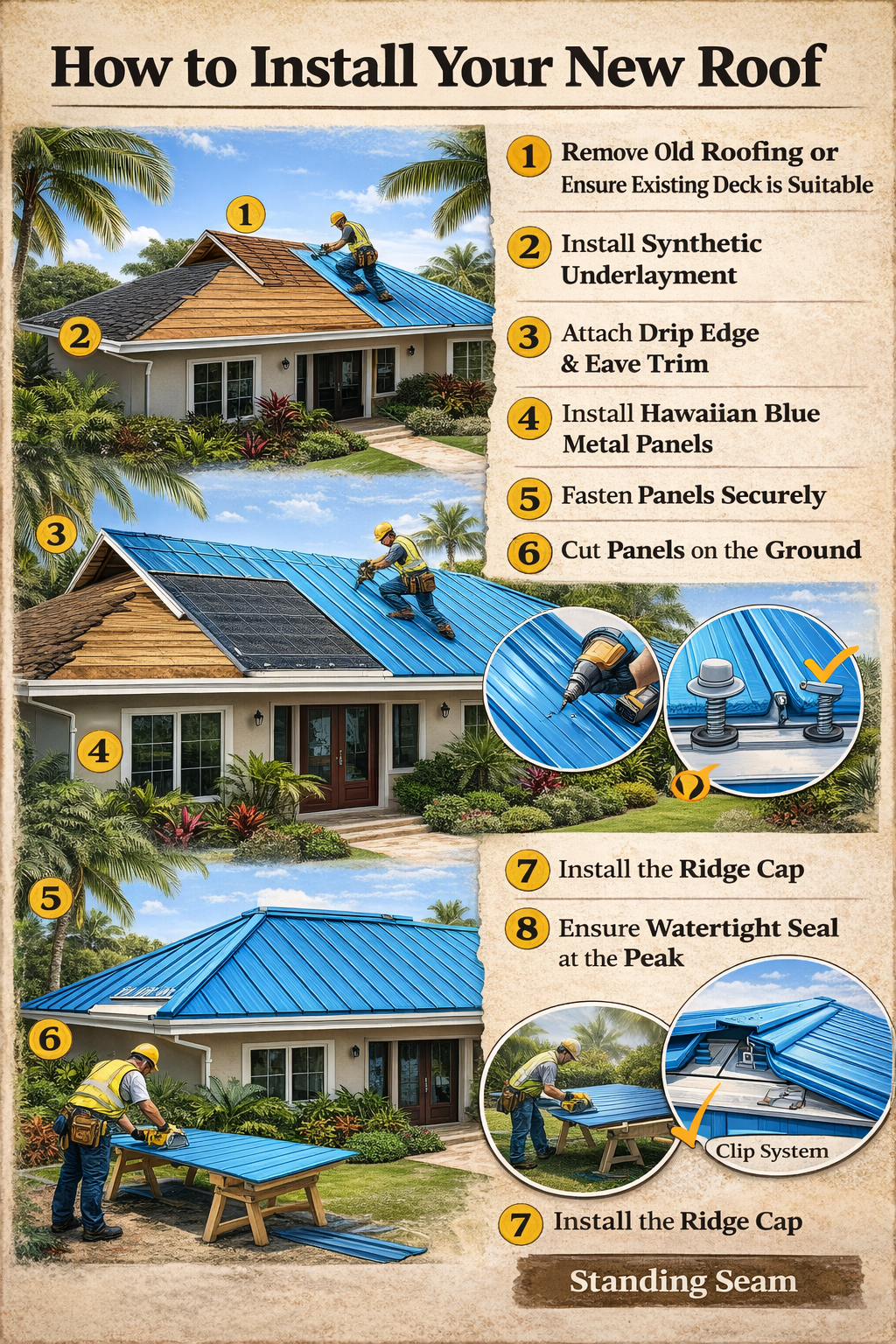
Installing a hawaiian blue roof is a precise process that begins with a solid deck. First, remove the old roofing or ensure the existing layer is suitable for a layover. Install a high-quality synthetic underlayment, which is critical for a hawaiian blue roof to prevent condensation issues. Next, install the drip edge and eave trim in a matching or complementary color to your hawaiian blue metal roof.
The panels of the hawaiian blue metal roof should be installed vertically, starting from the eaves and working up to the ridge. If you are using an exposed fastener system for your hawaiian blue roof, screw the fasteners through the rubber washers carefully to avoid over-tightening. For a standing seam hawaiian blue roof, use clips to secure the panels to the deck, allowing for thermal expansion. Always cut panels for your hawaiian blue metal roof on the ground to prevent hot metal shavings from damaging the paint finish. Finally, install the ridge cap to seal the peak of your hawaiian blue metal roof, ensuring a watertight barrier.
How to Clean and Maintain the Panels
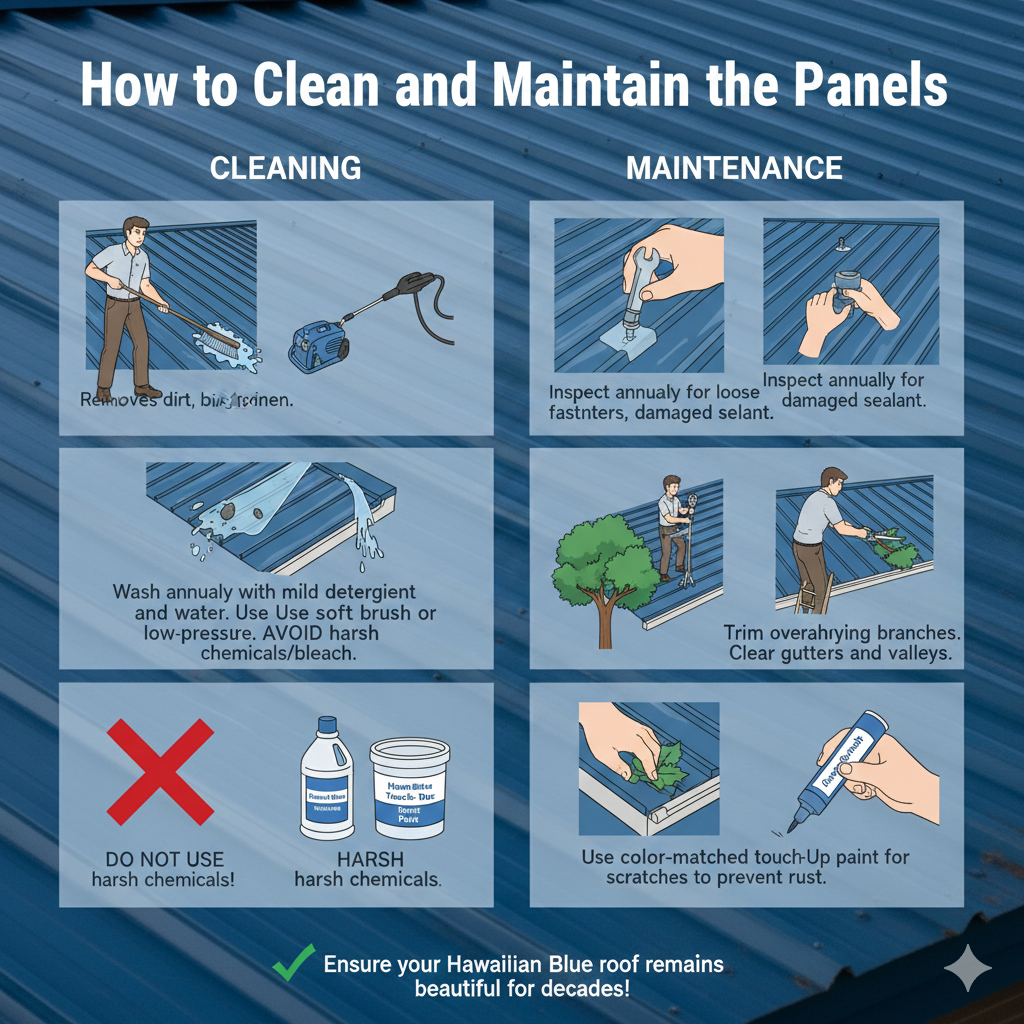
Maintenance for a hawaiian blue roof is relatively low, but regular cleaning is necessary to keep the color vibrant. You should wash your hawaiian blue metal roof at least once a year using a solution of mild detergent and water. Avoid using harsh chemicals or bleach, as these can damage the protective clear coat of your hawaiian blue roof. A soft-bristle brush or a low-pressure power washer is ideal for removing dirt, pollen, and bird droppings from a hawaiian blue metal roof.
Inspect your hawaiian blue roof annually for any loose fasteners or damaged sealant. If you have trees overhanging your home, keep branches trimmed to prevent them from scratching the surface of your hawaiian blue roof. Leaves and debris should be cleared from gutters and valleys to prevent moisture buildup on your hawaiian blue roof. If you notice a scratch on your hawaiian blue roof, use a manufacturer-approved touch-up paint pen specifically color-matched to “Hawaiian Blue” to seal the area and prevent rust. Taking these steps will ensure your hawaiian blue roof remains beautiful for decades.
Essential Terminology and Variations
When shopping for a hawaiian blue roof, you will encounter specific industry terms that refer to different product categories and visual styles. Understanding these terms helps in selecting the right materials for your project.
hawaiian blue metal siding
While often used for roofing, the same coil can be roll-formed into hawaiian blue metal siding. This is an excellent choice for accent walls, barns, or modern industrial home exteriors. hawaiian blue metal siding provides the same durability and weather resistance as roofing panels, creating a cohesive look when paired with neutral trim.
hawaiian blue metal roof pictures
Before making a final decision, you should browse online galleries for hawaiian blue roof pictures. These images help you visualize how the color interacts with different siding materials like brick, vinyl, or wood. High-quality hawaiian blue roof pictures can also reveal how the color shifts under different lighting conditions, from bright noon sun to overcast skies.
hawaiian blue metal roofing
This is the general category term you will use when searching for contractors. When you specify hawaiian blue roofing in your contract, ensure the brand and color code (often listed as ‘Hawaiian Blue’ on color charts) are explicitly stated to avoid receiving a generic blue substitute.
blue metal roof panels
This is a broader term, but for your specific needs, you want to ensure the blue metal roof panels you order are coated in the certified Hawaiian Blue pigment. Generic blue metal roof panels may lack the specific teal undertone or the solar reflectance rating of true Hawaiian Blue.
Visual Appeal and Picture Ideas
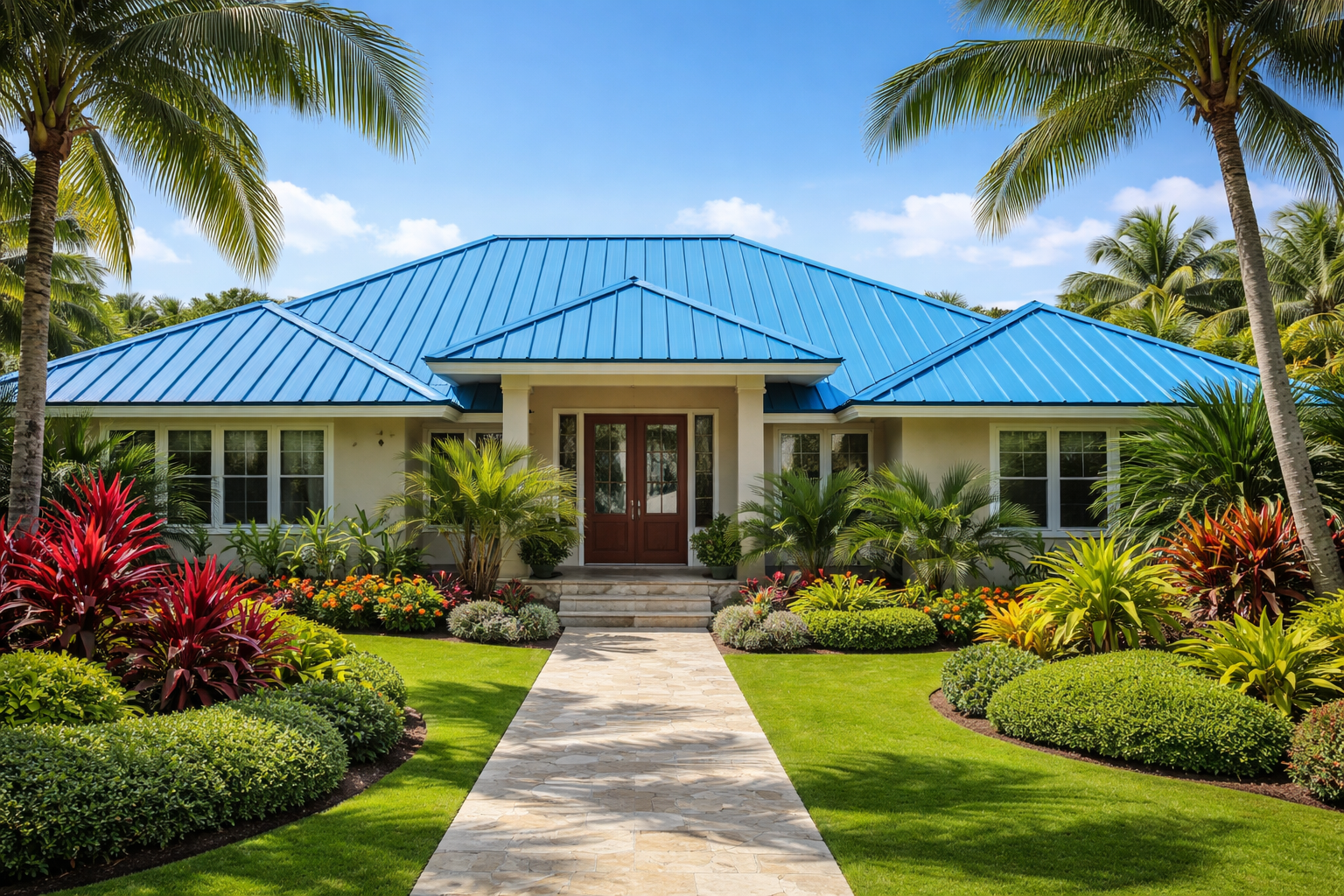
A hawaiian blue metal roof pairs exceptionally well with white or light gray siding, creating a crisp, nautical aesthetic. Many homeowners choose a hawaiian metal roof to complement yellow or cream-colored exteriors, resulting in a cheerful, welcoming facade. In log cabins or rustic homes, a hawaiian metal roof provides a stunning contrast to natural wood tones, modernizing the rustic look without losing its charm.
Landscaping also plays a role in enhancing the look of a hawaiian metal roof. Tropical plants, green lush lawns, and white picket fences frame a home with a hawaiian blue metal roof perfectly. When designing your exterior, consider using the color of your hawaiian blue metal roof as an inspiration for shutters or front door accents to tie the whole look together. The versatility of a hawaiian blue metal roof allows it to adapt to various architectural styles, from Victorian to modern farmhouse.
Summary of Value
In conclusion, investing in a hawaiian metal roof is a decision that pays dividends in both durability and design. The unique color sets your home apart, while the material offers superior protection against the elements. Although the initial cost of a hawaiian metal roof is higher than traditional materials, the long lifespan and energy savings make it a smart financial choice. By following the installation and maintenance tips outlined in this guide, your hawaiian metal roof will protect your family and enhance your home’s beauty for generations.
Whether you are drawn to the energy efficiency or the striking color, a hawaiian metal roof delivers on all fronts. Remember to source high-quality materials, hire experienced installers, and maintain your roof regularly. A hawaiian metal roof is not just a building material; it is a long-term upgrade that transforms the character of your entire property.
FAQ : hawaiian blue metal roof
Is a hawaiian blue metal roof more expensive than a standard color?
Typically, a hawaiian metal roof costs the same as other standard SMP colors. However, some manufacturers may classify it as a premium color depending on their stock, so it is best to check specific pricing for a hawaiian blue metal roof.
Will a hawaiian blue metal roof fade over time?
All metal roofs fade slightly, but a hawaiian blue metal roof with a high-quality Kynar or SMP finish is designed to resist fading for 30 years or more. Regular cleaning helps maintain the vibrancy of a hawaiian blue metal roof.
Can I install a hawaiian blue metal roof over my existing shingles?
Yes, in many cases, you can install a hawaiian blue roof over existing asphalt shingles using strapping or a synthetic underlayment, provided local building codes allow it.
Does a hawaiian blue metal roof make the house hot?
No, a hawaiian blue roof actually reflects solar heat, especially if it has a high solar reflectance index (SRI), helping to keep your home cooler than dark asphalt shingles would.
Where can I find a contractor for a hawaiian blue metal roof?
You can find a contractor for a hawaiian blue metal roof by searching for “metal roofing specialists” in your area and asking specifically if they have experience installing colorful panels like the hawaiian blue metal roof.
Conclusion
Choosing a hawaiian blue metal roof is a bold and practical decision for any homeowner. It combines the industrial strength of metal with a refreshing aesthetic that defies the ordinary. From the initial purchase of your hawaiian metal roof to the final installation screw, the process requires attention to detail and quality. By understanding the costs, maintenance needs, and design potential of a hawaiian metal roofing, you are well-equipped to transform your home into a standout property in your neighborhood. Enjoy the lasting beauty and protection that only a hawaiian blue metal roofing can provide.
Other Resources
Southeastern Building Products – Product page featuring 5V metal roofing panels in Sherwin-Williams Hawaiian Blue.
Deep South Metals – Color reference page showcasing Hawaiian Blue metal roofing options and profiles.
Green Tree Metals – Color gallery presenting blue metal roofing finishes and available panel styles.
Other Helpful Articles
Metal Roof Parts – Overview of common metal roofing components and their functions.
Metal Roof Snow Guards vs Snow Rails – Comparison explaining differences between snow guards and snow rails.
Signs of Roof Condensation – Guide identifying common signs and causes of roof condensation.
