
Mobile Home Roof Repair Cost: What Homeowners Should Expect
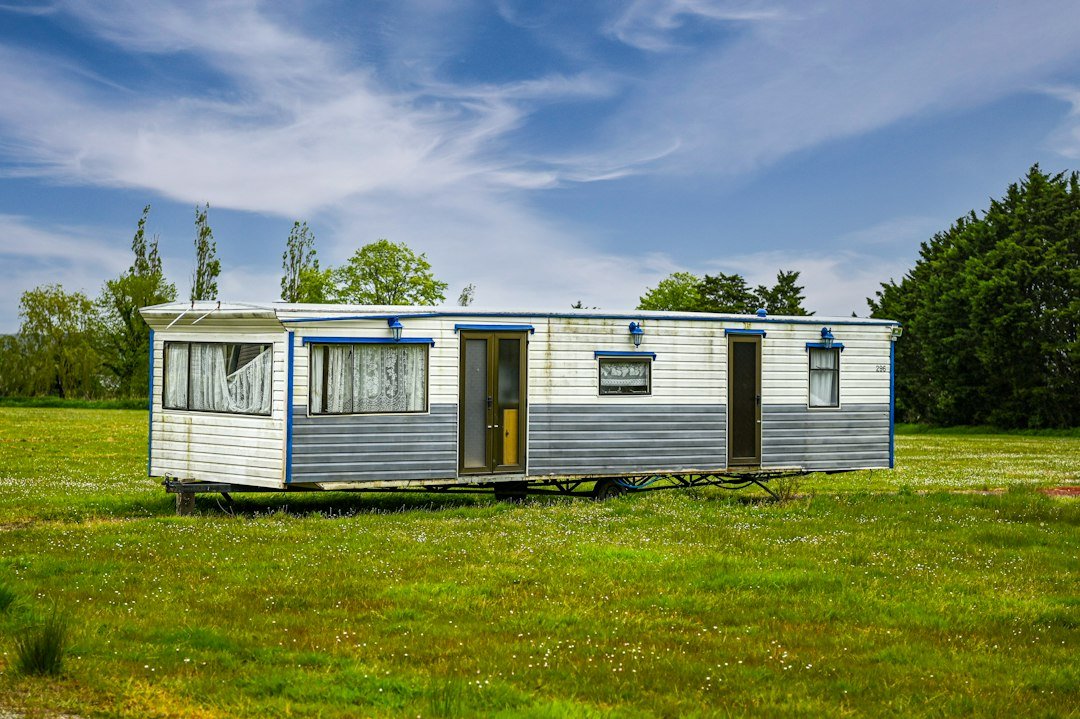
Two estimates for the same manufactured-home leak can be hundreds of dollars apart. That does not automatically mean one roofer is overcharging: one quote may cover a small flashing repair, while another includes wet decking or insulation that was not visible from the ground. Mobile home roof repair cost depends on what failed, how far water traveled, the roof material, and what the contractor finds once the area is opened.
Photo: Fotoliberta Bob via Unsplash.
What the published price range does—and does not—say
HomeGuide lists mobile-home roof repairs at about $150 to $1,000, or roughly $5 to $15 per square foot. Treat that as a broad reference point, not a local price list. A roofer may charge a minimum service or inspection fee even when the damaged patch is small. Travel distance, material availability, labor rates, and the condition of the layers below the roof can all change the total.
For example, sealing a single failed joint is a different job from removing a panel, replacing wet sheathing, and reinstalling the flashing. A quote near the lower end may be reasonable for a limited repair; it is not comparable to a bid that includes damaged wood, insulation, or interior cleanup. Ask what the figure covers before comparing it with another estimate.
Start with the leak, not the stain
Water often travels before it reaches a ceiling. The stain in a bedroom may sit several feet from the entry point, especially if water follows a seam, framing member, or the underside of a roof deck. Write down when the leak appears: during steady rain, only in wind-driven rain, after snowmelt, or even on a dry day when plumbing or condensation could be involved.
Take a photo of the ceiling mark and note the date. If you can safely see the underside of the roof from an accessible attic or service space, photograph any wet insulation or water trail. Do not climb onto a wet roof to look for the source. A metal or coated surface can be slippery, and a manufactured-home roof may not be designed for foot traffic.
Why a repair bill grows
The visible opening may be only one part of the work. A contractor may need to check a roof-to-wall transition, vent boot, skylight curb, panel fastener, or edge flashing. If water has reached the sheathing, the estimate should say whether removal and replacement are included. It should also identify any material that will be reused and explain how the repaired detail will shed water.
Access matters too. A low-slope roof with a nearby work area is easier to reach than a steep roof boxed in by trees, fences, or narrow park roads. Some materials require compatible sealants and fasteners; a generic tube of roof cement is not a universal fix. Ask the roofer to name the repair material and confirm that it suits the existing roof.
Repair, coating, roof-over, or replacement?
A local repair is worth discussing when the damage is limited and the surrounding roof remains sound. A coating can be appropriate on some assemblies, but the surface needs to be compatible, clean, and properly prepared. A roof-over adds a new layer above the existing one; it should not be used to hide active moisture or damaged framing. If leaks keep appearing in different locations, compare the cost and expected service life of a broader repair with replacement.
Our mobile home roof replacement cost guide covers the replacement decision separately. Keep that estimate distinct from a repair quote so you can compare the work, warranty, and expected lifespan on equal terms.
Make the estimates comparable
Ask each contractor to write down the suspected entry point, the repair method, materials, labor, disposal, and any decking or insulation allowance. If the estimate includes a price for hidden damage that cannot be confirmed yet, ask how the contractor will document it and get your approval before doing additional work.
- Is the price for diagnosis, repair, or both?
- Will the crew remove material to inspect the layers below?
- Does the bid include replacement of wet sheathing or insulation?
- What sealant, flashing, panel, or fastener will be used?
- What does the workmanship warranty cover, and for how long?
Suppose one bid is $350 and another is $780. The totals alone do not tell you which is better. The second may include replacing a damaged section of decking; the first may be a surface patch. Ask both companies to price the same scope, or request separate line items so you can see the difference.
Check the home paperwork before work starts
Look for the home’s manufacturer, model, roof material, and any prior coating or roof-over records. HUD’s manufactured-housing resources explain where owners can find care and warranty guidance and how to contact the retailer or manufacturer when a home has a performance issue. If the home is under warranty, ask whether the proposed repair method or contractor affects coverage.
For an active leak, protect belongings and keep people away from a bulging ceiling. If water is near a light fixture or wiring, do not touch it; contact a qualified electrician or emergency service. The safest repair is the one that stops water without creating a fall or electrical hazard.
Questions homeowners ask
Is a roof leak always a sign that the whole roof needs replacement?
No. A localized failure may be repairable. Repeated leaks, widespread corrosion, sagging, or soft decking call for a broader assessment before choosing a repair.
Can a coating fix every mobile-home roof?
No. Coatings are product-specific and cannot replace sound drainage, compatible materials, or repair of damaged layers. Ask for the manufacturer’s application instructions.
Sources
HomeGuide mobile-home repair and replacement cost guide; HUD manufactured-housing homeowner resources.
