
Mobile Home Roof Replacement Cost: Single-Wide and Double-Wide Factors
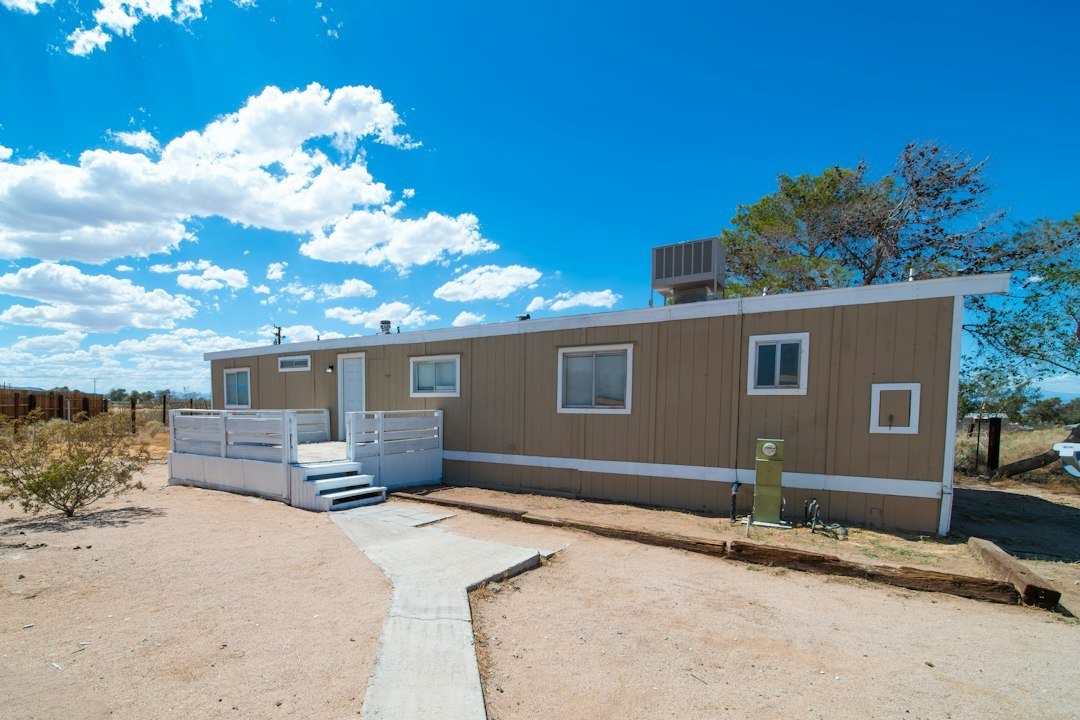
When a manufactured home needs a new roof, the first price you hear may be surprisingly far from the final quote. Roof area matters, but so do the existing deck, the roof shape, how the old covering comes off, and the details around vents and edges. If you are estimating the cost to replace a roof on a mobile home, compare the same scope of work across bids before deciding that one number is a bargain.
As a 2026 US reference, Angi estimates a national average of about $5,000 and a broad typical range of $1,900–$9,500. Its cited range for a single-wide is $1,300–$6,500; for a double-wide, $3,150–$9,500. These are editorial estimates, not bids for a particular home. They cannot tell you whether hidden decking damage, a different roof system, local permits, or unusual access will change your actual cost.
Why single-wide and double-wide prices differ
A double-wide generally has more roof area than a single-wide. The Manufactured Housing Institute describes single-section and multi-section homes as different layouts, with multi-section homes joined on site. That distinction helps explain why a double-wide roof often needs more material and labor, but the label alone is a poor measurement. A compact double-wide with a simple roof may be easier to work on than a single-wide with additions, skylights, and complicated edges.
The center marriage line on a multi-section home is also worth discussing with your roofer. Ask how the contractor will inspect and flash that area, especially if you have noticed a stain near the middle of the ceiling. The exact detailing depends on the existing assembly. A price estimate that uses only the floor area of the home may omit overhangs or the roof’s slope. Request a measured roof area and an explanation of waste allowance in the proposal.
For a single-wide, long uninterrupted runs can keep installation straightforward. Yet a low-slope roof, difficult access, or a roof-over system can alter the method and the price. The right comparison is between written plans for the actual home, rather than a generic “single-wide” and “double-wide” rate.
What a full replacement quote should include
Removal and disposal. Ask whether the contractor will remove the existing roof covering down to the deck or install a system over the old covering. Those are different projects. Removal exposes hidden deterioration and adds labor and disposal. A roof-over can sometimes be appropriate, but it requires an assessment of condition, attachment, weight, local rules, and the manufacturer’s installation instructions. Do not assume that the cheaper method is automatically approved for your home.
Deck inspection and repairs. Water can damage decking and insulation beneath a roof that looks merely worn from outside. Ask how the quote handles soft or damaged sections discovered after removal, including a unit price and photo documentation. The US Department of Energy’s manufactured-home roof insulation job aid specifically calls for confirming structural integrity and the absence of active leaks before roof-top insulation work. That principle is useful for replacement planning too: a new covering should not conceal an unresolved moisture problem.
Underlayment, flashing, and edges. The visible shingles or metal panels are only part of the water-control system. Vent pipes, skylights, end walls, eaves, and any roof-to-wall transition need compatible details. Ask which components will be replaced and which will be reused. The Insurance Institute for Business & Home Safety (IBHS) roof guide explains why edges and water barriers matter for weather resistance.
Labor, access, and permits. The roof’s height, slope, and safe working space affect setup time. Local permits and inspection requirements can differ. Have the contractor state whether those charges are included, who obtains the permit, and whether the proposal covers cleanup and a final walk-through.
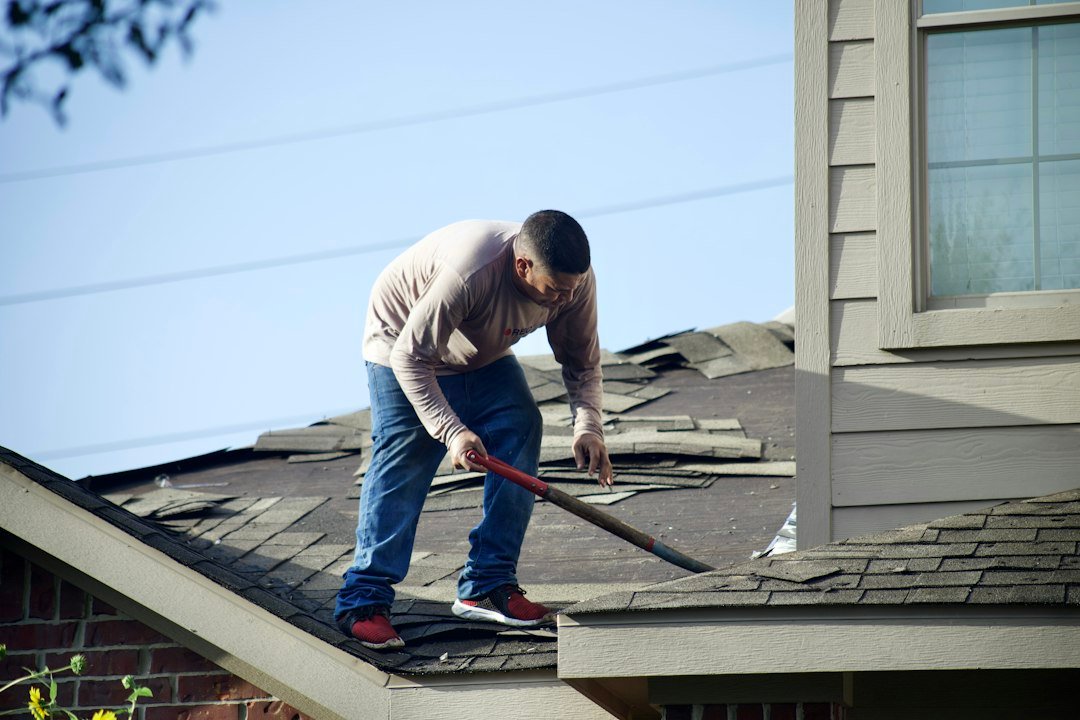
How the roofing material changes the estimate
Asphalt shingles, metal, and low-slope systems do not share one installation method or one price per square foot. A contractor should match the system to the roof’s slope and the existing structure. Shingles can be familiar and relatively economical on a suitable pitched roof, while metal can be appealing for durability and low weight when correctly detailed. Low-slope assemblies need products and drainage details designed for that slope. Avoid choosing by appearance or a quoted material price alone.
Compare the complete system: the product, underlayment, fasteners, flashing, edge treatment, and workmanship warranty. An inexpensive covering installed with weak transitions can be a costly roof. For a broader comparison of long-term value, see our metal roof versus shingle roof cost guide. If you are considering metal specifically, our metal roof cost calculator can help organize rough inputs, though a site visit remains necessary for a bid.
Ask whether the manufacturer permits the proposed installation on a manufactured home and whether wind requirements in your location affect fastening. IBHS notes in its metal roofing guidance that wind resistance and roof load influence fastener selection. A contractor should specify the applicable instructions and code, not improvise an attachment pattern.
Replacement versus repair: decide what problem you have
A few localized leaks do not always justify a complete replacement. If the roof is otherwise sound and the cause is a single failed penetration or flashing detail, a targeted repair may be reasonable. If the covering is at the end of its service life, leaks appear in several locations, or the deck has widespread damage, replacement may offer a more reliable outcome. Our separate mobile home roof repair cost guide discusses that narrower decision.
Ask the roofer to distinguish visible symptoms from the cause. A ceiling stain can be far from the entry point because water travels along framing. Document wet areas and past repair attempts, and have the contractor inspect safely. Roofing work presents fall and electrical hazards, so leave climbing and tear-off to trained crews.
How to compare two or three bids fairly
- Use the same scope. Give each contractor the same description of leaks, additions, and known damage. Ask each to measure the roof.
- Check removal and deck allowances. A bid that excludes disposal or assumes no damaged deck can rise after work begins.
- Ask for product details. The proposal should identify the roof system and key accessories, not only say “new roof.”
- Clarify changes in writing. Agree on the method for approving unforeseen repairs and their unit prices.
- Verify warranty and cleanup. Separate manufacturer coverage from workmanship coverage and ask who handles a leak after installation.
A useful bid gives you enough information to understand what you will receive and why. The lowest number is valuable only when it buys an appropriate system with the same essential work. If you need help translating roof size into a preliminary budget, use the measured roof area rather than the home’s advertised floor area.
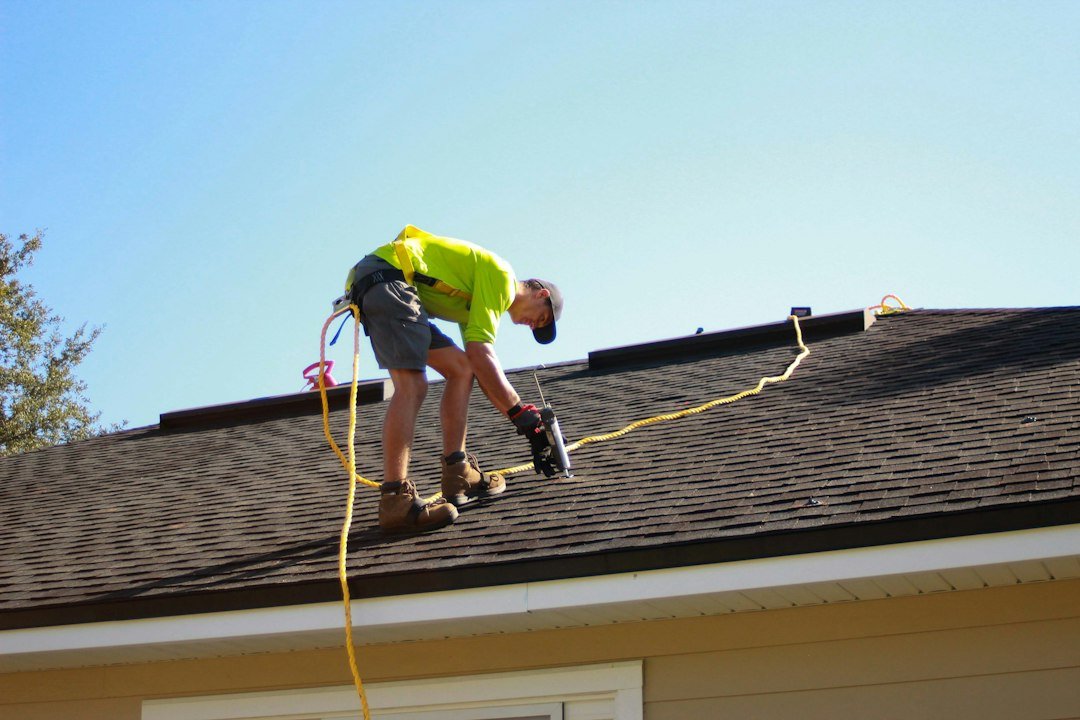
Questions to ask before signing
What will happen if the crew finds rotten sheathing? Where will water drain at the eaves? How will the contractor handle the marriage line, roof penetrations, and any attached porch roof? Is the quoted product rated for the actual slope? Who obtains the permit and arranges any required inspection? Who is responsible for interior damage if rain arrives while the roof is open? Clear answers to these questions make a quote more useful than a single per-square-foot figure.
Photograph the roof and any interior stains before work begins. Keep the signed scope, product information, change orders, and final invoice together. This record is helpful if you later need warranty service or sell the home.
FAQ
How much does it cost to replace a single-wide mobile home roof?
Angi’s 2026 US estimate is $1,300–$6,500 for a single-wide. The actual quote depends on roof size and shape, system, removal, hidden repairs, and local labor. Ask for a measured, written scope.
What is the cost of a double-wide mobile home roof replacement?
Angi lists a 2026 range of $3,150–$9,500 for a double-wide. The larger roof typically uses more material and labor, but condition and complexity can matter just as much as width.
Is a roof-over cheaper than a tear-off?
It may have a lower initial labor and disposal cost, but suitability depends on the existing roof, structural capacity, fastening, product instructions, and local requirements. Compare written proposals that explain these conditions.
Does replacing the roof include new decking?
Not automatically. Some bids include only the covering and a limited allowance for damaged deck. Ask how the contractor will inspect it and price extra replacement before work begins.
How long will the project take?
Time depends on roof size, weather, removal, deck repairs, and crew availability. Get an estimated schedule from the contractor and ask how the open roof will be protected if work pauses.
Sources and photo credits
- Angi: 2026 mobile home roof replacement cost estimates
- Manufactured Housing Institute: home types
- US Department of Energy: manufactured home roof insulation job aid
- IBHS: Roof 101
- IBHS: steep-slope metal roofing guidance
Photos are illustrative and used under the Unsplash License; photographers are credited in the captions.
