
What Is the Greenest Roofing? A Homeowner’s Guide to Eco-Friendly Choices
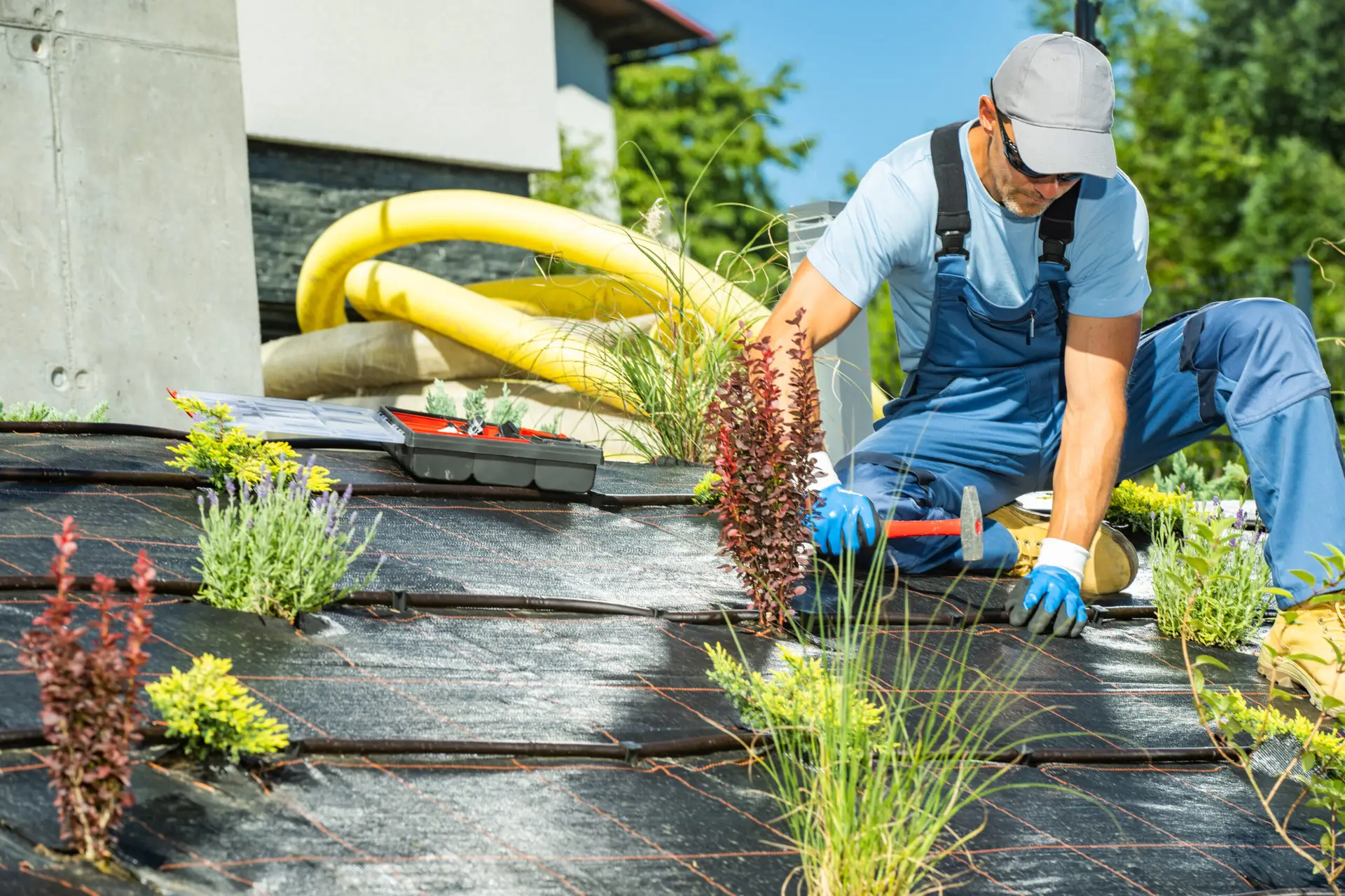
The Greenest Roofing Options for Your Home
If you’ve been thinking about replacing your roof and want to make a smarter, more planet-friendly choice — you’re not alone. More and more homeowners are asking the same question: what’s the greenest roofing option out there? And honestly, it’s one of the best questions you can ask before starting a roofing project.
Your roof covers your entire home. It affects how warm or cool you feel inside, how much energy you use, and even how much rainwater gets managed on your property. Choosing a greener option isn’t just about feeling good — it often means spending less on energy bills and dealing with fewer repairs over the years.
Let’s walk through everything you need to know, in plain language.
What Is “Greenest Roofing,” Exactly?
The term greenest roofing refers to roofing materials and systems that have the lowest environmental impact throughout their entire life — from production to installation to eventual replacement. This includes how much energy they save, how long they last, whether they can be recycled, and how they affect the environment around your home.
Quick answer (featured snippet): Greenest roofing refers to eco-friendly roofing materials and systems that minimize environmental impact by improving energy efficiency, using sustainable or recycled materials, reducing waste, and lasting longer than conventional options. Common examples include living green roofs, metal roofing, recycled shingles, and cool roofs.
It’s not just about having plants on your roof (though that’s one option). It’s a broader concept that includes everything from recycled metal panels to solar tiles.
Why Does Your Roofing Choice Actually Matter?
A lot of people think of a roof as just a protective cover. But in reality, it plays a huge role in your home’s energy use — and the environment.
Here’s the thing: traditional asphalt shingles are the most common roofing material in many countries, but they’re made from petroleum-based products, they heat up quickly in summer, and most of them end up in landfills when replaced. That’s a serious environmental cost most homeowners don’t think about.
On the other hand, choosing one of the greenest roofing options available can:
Lower your heating and cooling bills — sometimes significantly
Reduce your home’s carbon footprint
Extend your roof’s lifespan, meaning less waste over time
Improve air quality around your home
Increase your property’s value — especially as buyers look for eco-friendly homes
According to the EPA, green roofs alone can reduce nearby air temperatures by up to 20°F and lower cooling loads by as much as 70%. That’s not a small number.
The Top Greenest Roofing Options Explained
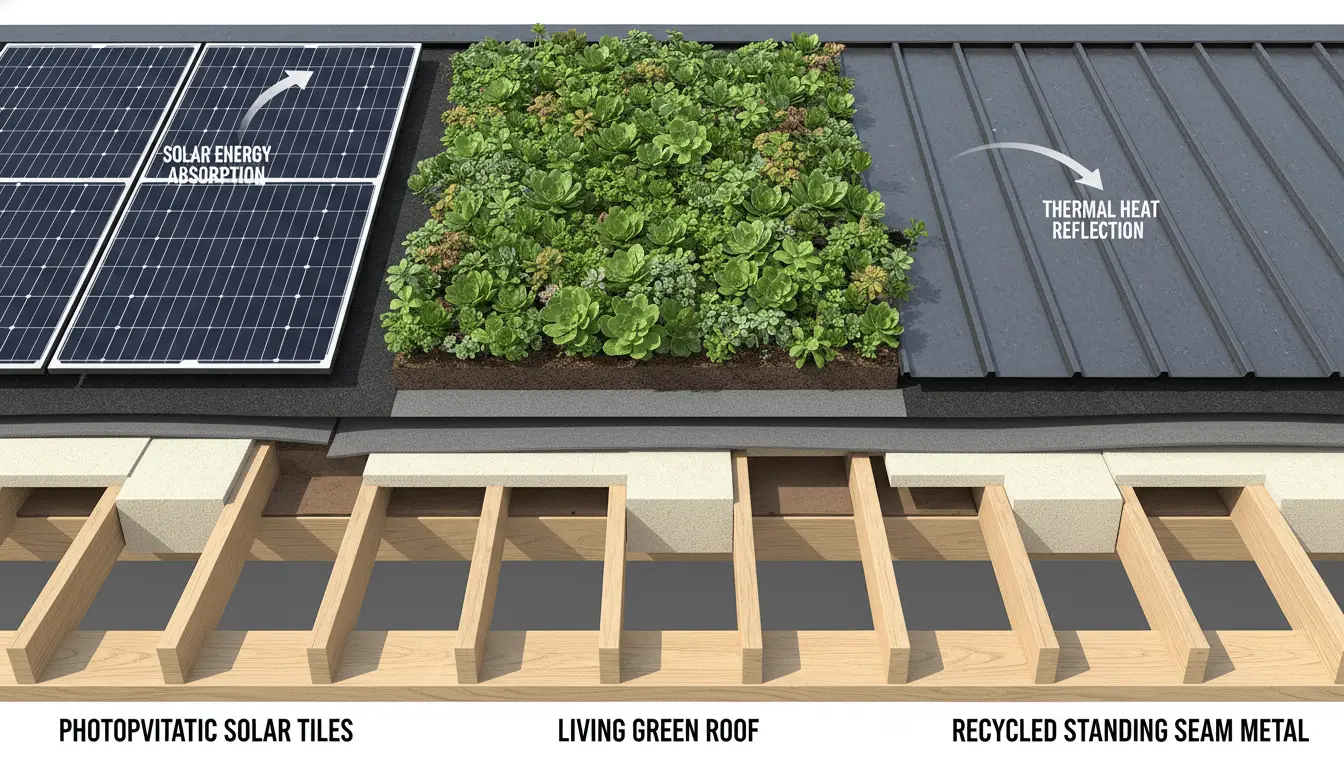
1. Living Green Roofs (Vegetated Roofs)
This is probably what most people picture when they hear “green roof” — a rooftop covered in soil and plants. And it really is one of the most eco-friendly roofing systems available.
Living roofs work by layering waterproof membrane, drainage systems, growing medium, and vegetation on top of your existing roof structure. The plants absorb rainwater, filter air pollutants, and act as natural insulation.
In summer, the plants absorb sunlight rather than letting it heat your home. In winter, the soil layer keeps warmth inside. Tests have shown up to a 15°C temperature difference between a vegetated roof surface and a bare one.
In cities like Casablanca, where urban heat and energy costs are growing concerns, living roofs are already being integrated into new building designs — and for good reason.
Best for: Flat or low-slope roofs, urban buildings, eco-conscious homeowners with moderate-to-large budgets.
2. Metal Roofing
Don’t let the word “metal” fool you — this is one of the greenest roofing choices on the market. Metal roofs are often made from recycled content and are 100% recyclable at the end of their life. They last 40 to 70 years, which means far less material ends up in landfills compared to traditional shingles.
Metal roofs also reflect sunlight rather than absorbing it, which keeps your attic cooler in summer and reduces air conditioning use. From experience, homeowners in warmer climates often notice the difference on their energy bills within the first full summer.
Best for: Almost any home style; great for hot or rainy climates.
3. Cool Roofs
A cool roof isn’t necessarily made of a special material — it’s more about the design. Cool roofs are engineered to reflect more sunlight and absorb less heat than standard roofs. They can be made from reflective paint, specially coated tiles, or reflective membranes.
In Mediterranean and hot-climate regions, sustainable roofing with cooling properties can reduce cooling energy requirements by up to 35%. That’s a significant saving for any household.
Best for: Hot climates, flat commercial or residential roofs.
4. Recycled Shingles
These are made from reclaimed materials like rubber, plastic, or wood fiber — often sourced from post-consumer waste. They look similar to traditional shingles but have a much smaller environmental footprint. Some are even made from recycled plastic roof tiles, which are seven times lighter than clay and equally durable.
Best for: Homeowners wanting a familiar look with greener credentials.
5. Solar Roofing Tiles
Solar tiles integrate photovoltaic cells directly into the roofing material — so your roof generates electricity while protecting your home. It’s one of the most forward-thinking greenest roofing solutions available today.
Yes, the upfront cost is higher. But over time, the energy savings and potential feed-in tariffs can offset the investment significantly. In Casablanca, solar self-consumption installations are already proving their value in both commercial and residential settings.
Best for: Homeowners looking for long-term ROI and energy independence.
How to Choose the Right Eco-Friendly Roof for Your Home
Choosing the greenest roofing option isn’t a one-size-fits-all decision. Here’s a simple process to help you narrow it down:
Assess your roof’s slope and structure — Living roofs need flat or low-slope surfaces; metal and solar tiles work on most angles
Consider your climate — Hot and sunny? Prioritize cool roofs or solar. Rainy? Living roofs manage stormwater beautifully
Set a realistic budget — Eco-friendly roofing often costs more upfront but saves money long-term
Check local building codes — Some green roof systems require structural reinforcement
Get multiple quotes — Ask specifically about sustainable materials and their certifications
Think about lifespan — A roof that lasts 50 years is almost always greener than one replaced every 15
How Much Does Eco-Friendly Roofing Cost?
Here’s a rough ballpark to give you a sense of what to expect:
In most cases, the higher upfront cost pays off over time — especially through energy savings and fewer replacement cycles.
Common Mistakes Homeowners Make
A common mistake is choosing a green roofing material purely based on looks or price without considering the full lifecycle. A cheap recycled shingle that needs replacing in 15 years may not be as eco-friendly as a pricier metal roof that lasts 60.
Other frequent missteps:
Skipping structural assessment before installing a living roof — the added weight of soil and plants can be substantial
Ignoring local climate — a green roof that thrives in rainy Northern Europe may need more irrigation in a hot, dry city
Not checking certifications — not all “eco-friendly” products are created equal; look for recognized sustainability certifications
Forgetting about maintenance — living roofs and solar tiles require regular upkeep to perform at their best
Pro Tips from the Field
💡 Pro Tip #1: If a full living roof is outside your budget, start with a cool roof coating. It’s one of the most cost-effective greenest roofing upgrades you can make — applied in a single day and immediately effective at reducing heat absorption.
💡 Pro Tip #2: When installing a metal roof, ask your contractor specifically about post-consumer recycled content. Some metal roofing products contain up to 95% recycled material — that’s a significant sustainability difference between brands.
Advantages and Challenges at a Glance
Advantages:
Lower energy bills year-round
Longer lifespan = less waste
Improved air quality and stormwater management
Higher property value
Reduced urban heat island effect
Challenges:
Higher upfront installation costs
Some systems (like living roofs) require structural upgrades
Maintenance requirements differ from traditional roofs
Not all contractors are trained in eco-friendly installations
[Insert image here: cross-section diagram of a living green roof system]
Internal Linking Opportunities
Related: How to Improve Your Home’s Energy Efficiency — connects naturally to the energy savings discussed here
Related: Roof Repair vs. Roof Replacement — Which One Do You Need? — helps readers decide whether to upgrade to a greener system
Related: Best Roofing Materials for Hot Climates — a logical next read for homeowners in warm regions
External references: Industry guidelines from the EPA on urban heat reduction and sustainable construction, and Mediterranean climate roofing studies on green roof energy savings.
FAQ — Greenest Roofing Questions Answered
What is the greenest roofing material available?
Living green roofs and recycled metal roofing are consistently ranked among the greenest options. Metal roofs use recycled content, last up to 70 years, and are fully recyclable. Living roofs improve air quality, manage rainwater, and provide natural insulation — making both strong choices depending on your home’s structure and climate.
Does eco-friendly roofing really save money?
Yes, in most cases it does — just not immediately. The savings come over time through lower energy bills, fewer repairs, and a longer lifespan. A cool roof alone can reduce cooling energy use by up to 35% in hot climates, which adds up significantly over a decade.
Is a living green roof suitable for any home?
Not quite. Living roofs work best on flat or low-slope structures and require the roof to support extra weight (typically 80–200 kg/m²). A structural engineer should assess your home before installation. However, lighter extensive green roofs with drought-tolerant plants are more accessible for standard homes.
How long do green roofing options last?
Most eco-friendly roofing options outlast traditional asphalt shingles. Metal roofs last 40–70 years, living roofs 40–50 years, and recycled shingles 30–50 years. Studies show that green roofs can last 2 to 3 times longer than conventional roofing.
Is solar roofing worth the investment?
For homeowners planning to stay in their home long-term, solar tiles are absolutely worth considering. The upfront cost is higher, but the combination of energy generation and roof protection can deliver strong returns — especially as electricity prices continue to rise.
Can I make my existing roof greener without replacing it?
Absolutely. Applying a cool roof coating, adding rooftop greenery in planters, or installing solar panels on your existing roof are all steps toward a greener setup without a full replacement.
Wrapping It Up
Making a smarter roofing choice doesn’t have to be complicated. Whether you go all-in with a living roof, choose durable recycled metal panels, or simply apply a reflective cool coat — every step toward the greenest roofing option is a step toward a more comfortable, cost-efficient, and environmentally responsible home.
The key takeaway? Don’t just think about the price tag today — think about what your roof costs you (and the planet) over the next 40 years. That’s where the real value of sustainable roofing shows up.
If you’re just getting started, a cool roof coating or metal roofing is often the easiest entry point. And if you’re ready to go further, a professional assessment for a living roof or solar tile system could be the best home investment you make this decade.
Other Resources
- scgmn.com – Explains various sustainable roofing materials and their environmental benefits.
- smartcitiesdive.com – Discusses eco-friendly roofing options and their role in sustainable building design.
- renoworks.com – Describes green roofing materials suitable for energy-efficient and environmentally conscious homes.
- instagram.com – Shares visual content related to sustainable roofing projects and materials.
Other Helpful Articles
- Elite Roof Panels – Provides information about elite roof panels, including their structure and applications.
- Clay Tile Roof Maintenance – Explains maintenance practices and considerations for clay tile roofing systems.
- Roof Drain with Overflow Guide – Describes how roof drain systems with overflow features function and are installed.
