
Metal Roof Cost vs. Shingle Roof Cost: Which Is Better Value?
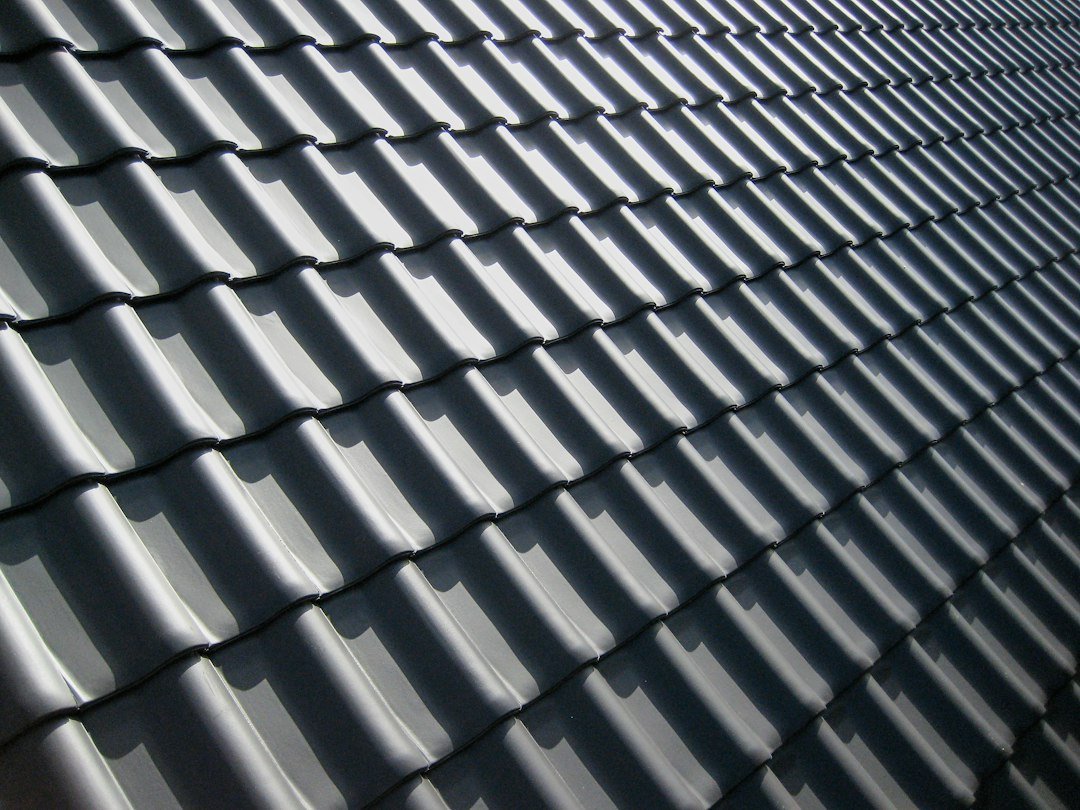
Homeowners comparing a metal roof with asphalt shingles usually start with the installation price. That matters, but the cheaper quote is not always the cheaper roof over time. Metal roofing often costs more at the beginning, while asphalt shingles are familiar, widely available, and easier to fit into a tight budget. The right choice depends on climate, roof design, ownership period, maintenance, and the value placed on longevity.

Metal roof cost vs. shingle roof cost at a glance
Asphalt shingles generally have the lower installed price. A complete project can include tear-off, underlayment, flashing, ventilation, labor, disposal, and permits. Metal roofing has many of the same cost categories, but panels, trim, fastening systems, and specialized labor can raise the starting price. Standing-seam systems usually cost more than exposed-fastener panels because the seams, clips, and detailing require greater precision.
The actual price depends on roof size and complexity rather than floor area alone. Valleys, dormers, skylights, chimneys, steep sections, regional labor rates, and delivery access can all change the estimate. Ask every contractor to show roof area, material grade, underlayment, flashing, ventilation, tear-off, and warranty separately.
Why asphalt shingles cost less initially
Asphalt shingles are produced in large volumes and installed by a large pool of contractors. Their standard sizes and familiar methods can reduce labor time. Repairs are also straightforward when matching shingles remain available.
The lower initial cost does not mean shingles are low quality. Architectural shingles can provide a practical service life when installed over a sound deck with proper ventilation. They are often sensible when a homeowner expects to sell within a few years, needs a specific appearance, or is replacing one roof section.
The main financial limitation is replacement frequency. Shingles are exposed to ultraviolet light, temperature cycling, wind, hail, and moisture. A roof that reaches the end of its useful life sooner may require a second installation during the period in which a well-maintained metal roof is still operating.
Why metal roofing costs more upfront
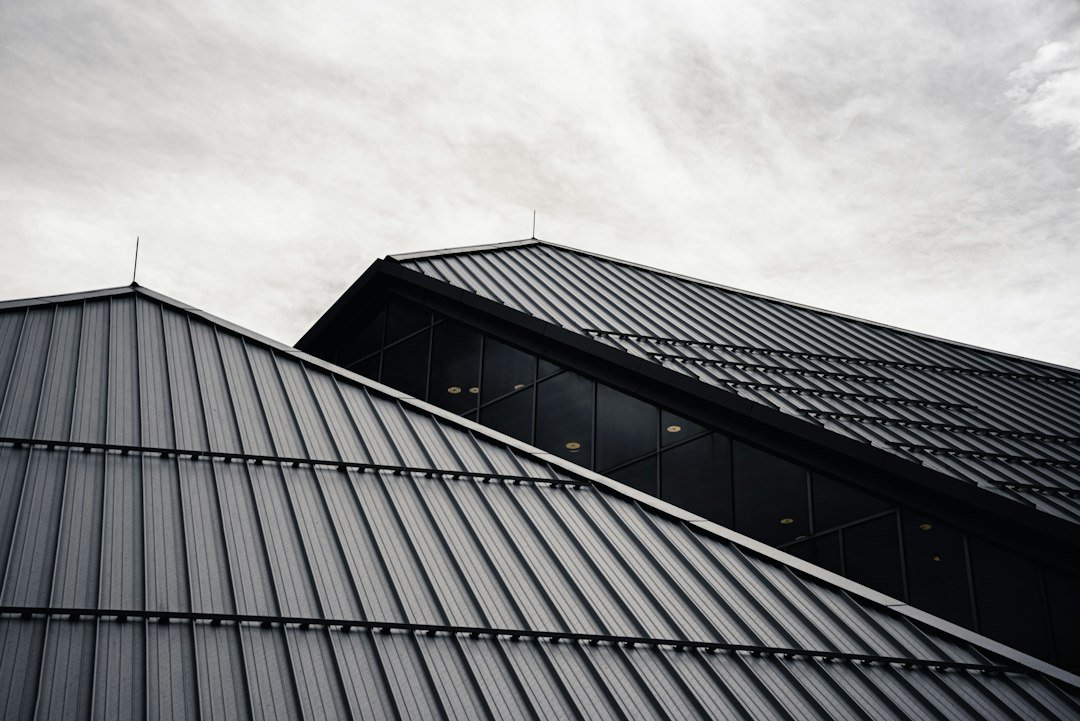
Metal roofing is not one product. Galvanized steel, aluminum, copper, exposed-fastener panels, and standing-seam systems have different prices and installation requirements. Gauge, coating, profile, color, trim, and warranty all matter.
Standing-seam panels attach with concealed clips or fasteners and allow movement as metal expands and contracts. Installers must plan valleys, penetrations, eaves, ridges, and wall transitions carefully. Exposed-fastener panels can cost less, but screws and washers become maintenance points that should be inspected over time.
Metal also needs compatible accessories: high-temperature underlayment, ice-and-water protection where required, snow guards, closure strips, special boots, and formed flashing. Cutting these from the quote can create a low price that is not a complete system.
Lifespan and replacement value
A roof’s service life is a financial issue, not just a technical specification. Asphalt shingle life varies with product, installation, ventilation, climate, and maintenance. Metal roofs can last for decades, but only when the substrate, fasteners, coatings, and details suit the building.
Compare cost per expected year rather than the first invoice. A lower-priced shingle roof may be the best short-term value if it lasts through your ownership period. A metal roof may be more attractive for a long-term owner who wants to avoid another tear-off and disposal bill.
No lifespan estimate is a guarantee. Coastal salt, standing water, severe hail, poor attic ventilation, and incompatible metals can shorten service life. Request written warranties and ask what maintenance is required to keep them valid.
Maintenance, repairs, and insurance
Shingle maintenance usually includes cleaning debris from valleys and gutters, replacing damaged shingles, checking flashing, and watching for granule loss or curling. A local repair is often inexpensive when caught early.
Metal roofing should be checked for loose fasteners, damaged coatings, open seams, corrosion, blocked drainage, and failed sealants. A panel may resist many impacts, but a strong impact can dent it. Matching a panel or trim later may be more complicated than replacing a common shingle.
Insurance premiums and deductibles vary. Ask the carrier directly whether impact-resistant materials qualify for different treatment. Wind and fire performance depends on the tested assembly and installation, not simply the word “metal.”
Energy performance and climate
Metal can perform well with a reflective coating and a properly designed roof assembly. The U.S. Department of Energy explains that cool-roof performance depends on solar reflectance and thermal emittance. Bare or dark metal is not automatically a cool roof, and a light-colored roof is not automatically efficient in every climate.
Attic insulation and air sealing often matter more than the visible covering. A contractor should inspect ventilation and insulation before promising dramatic energy savings. In hot climates, reflective colors may reduce heat gain. In mixed climates, the best result depends on the entire assembly and seasonal heating needs.
Snow, wind, rain, and hail should influence the choice. Metal panels can shed snow quickly, so snow guards may be necessary above walkways or entrances. Shingles may provide more friction, but their wind rating and fastening pattern must match local conditions.
How to compare quotes fairly
Get two or three detailed proposals. Each should state measured roof area and pitch; material type, thickness or grade, profile, and finish; underlayment, ice-and-water protection, flashing, and ventilation; deck repair allowance; tear-off or overlay method; labor, disposal, permits, cleanup; manufacturer and workmanship warranties; and payment and change-order terms.
Do not compare a complete standing-seam quote with a basic shingle quote that excludes flashing or deck repairs. Ask what happens if rotten sheathing is found. Confirm licensing where required and experience with the exact system proposed.
For related planning, see our guides to metal roof leaks in heavy rain, solar panels on a metal roof, and the metal roof cost calculator.
FAQ
Is a metal roof cheaper than shingles?
Usually not at installation. Metal typically has a higher starting price, while asphalt shingles usually have the lower installed cost. Long-term value can change when replacement, maintenance, and energy performance are included.
How much more does a metal roof cost?
There is no universal percentage. The difference depends on metal type, roof shape, labor market, tear-off, flashing, and accessories. Compare itemized proposals.
Does a metal roof increase home value?
It can improve durability, appearance, and buyer appeal, but the return depends on local market conditions and installation quality. Do not assume the entire premium will be recovered at resale.
Which roof is better in heavy rain?
Both can work when correctly installed. Metal sheds water efficiently, while shingles rely on overlapping courses and flashing. Leaks often begin at penetrations, valleys, edges, or poor transitions.
Can metal roofing go over shingles?
Sometimes, if code, the manufacturer, and the roof deck allow it. The existing roof must be dry, sound, and suitable. An inspection is still important.
Bottom line
Choose asphalt shingles when lower initial cost, easy repairs, and a familiar appearance are priorities. Choose metal when long service life, reduced replacement frequency, and climate performance justify the higher investment. Compare complete roof assemblies, not just materials.
Sources
- U.S. Department of Energy: Consumer Guide to Cool Roofs
- OSHA: Fall Protection in Residential Construction FAQ
- Roofing Cop: Metal Roof Cost Calculator
- Images: Michael Jasmund, Ryunosuke Kikuno, and Robin Kutesa via Unsplash.
