
Concrete Tile Roof vs. Clay Tile: How to Compare Them
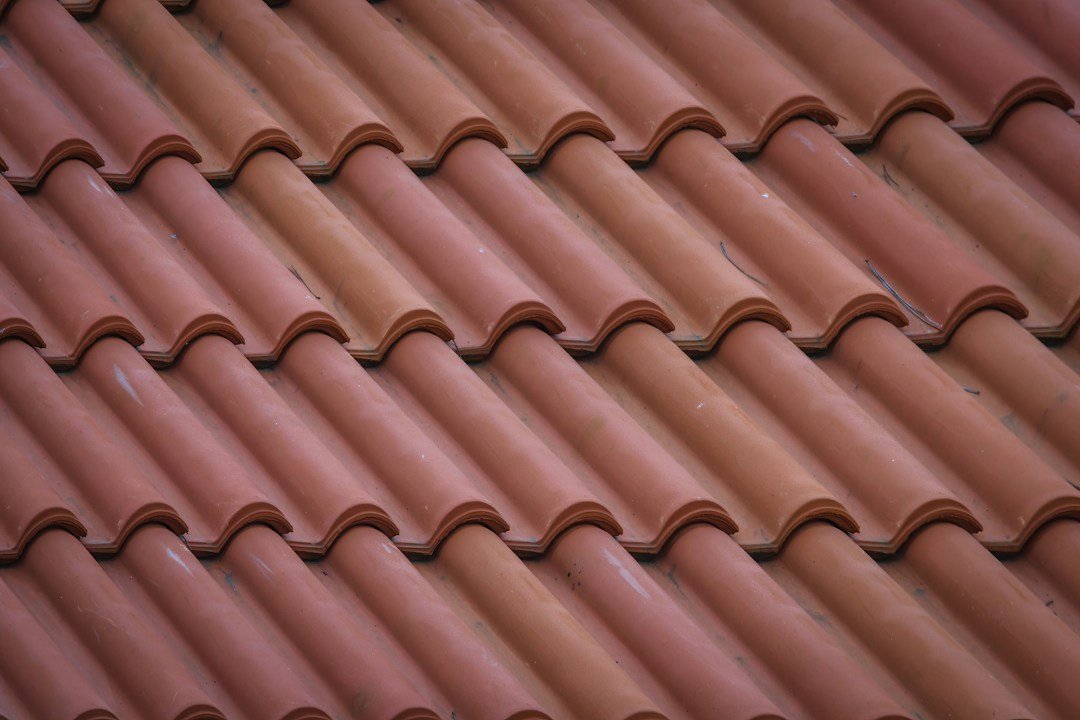
Concrete and clay tiles can look similar from the street, but the products underneath the color may differ in shape, weight, fastening, and repair needs. If you are comparing a concrete tile roof vs. clay tile, ask for the product model and installation details before choosing by appearance alone. The right option depends on the roof structure, local conditions, and what you value most in the finished roof.
Photo: Rocco Stoppoloni via Unsplash.
What separates the two materials?
Clay tiles are formed from natural clay and fired in a kiln. Concrete tiles are molded from a cement-based mixture, with finishes and colors that vary by manufacturer. There is no single “concrete tile” or “clay tile” specification: profiles, dimensions, surface treatments, and warranty terms differ from one product to another.
Ask suppliers for the technical sheet, installation guide, available profiles, and warranty. If you are repairing an existing roof, identify the original brand and shape first. A tile that looks close on a sample board may not interlock with the installed tile or fit the same fastening system.
Appearance is only one part of the decision
Both materials come in several colors and profiles. Concrete products can be molded into different shapes and surface textures; clay tiles may have natural variation from the firing process. A small sample can look different across an entire roof, especially in strong sun or shade. If color matters, look at a few full-size pieces or a completed installation before ordering.
Also compare the roof slope, wind exposure, underlayment, flashing, and local code requirements. The Tile Roofing Industry Alliance publishes installation guides for different tile systems and conditions. The product manufacturer’s manual remains the reference for the exact tile you select.
Weight changes the project
Tile is a substantial covering. The roof structure must carry the complete assembly, not just the tile: underlayment, battens where used, fasteners, and other components add to the load. The Tile Roofing Industry Alliance advises checking that the structure can support the selected tile, particularly when a home is changing from a lighter roof material.
Do not use a generic weight figure to decide whether your home can support tile. Ask a qualified professional to review the framing and load path against the specific product data and local design conditions. That check belongs early in the project, before material is ordered.
Repairs and maintenance look different over time
A damaged tile can often be replaced, but matching the original color and profile may take some searching. Ask the supplier whether the model is likely to remain available and whether spare tiles can be purchased with the roof. Keep a few matching pieces and the product information with the home records.
Walking on a tile roof without training can crack tiles and create a fall risk. Routine inspection, cleaning, and repair should be planned with safe access in mind. For ongoing care after installation, see our clay tile roof maintenance guide.
Compare the whole installed cost
There is no dependable price that applies to every concrete or clay tile roof. The estimate can include tear-off, underlayment, flashing, structural work, access, disposal, and the selected tile. Ask each contractor to break out those items instead of comparing only a total. If one proposal includes framing changes and another does not, they are not equivalent bids.
Long-term value also depends on repair access, product availability, warranty terms, and how well the installation suits the building. A material with a higher purchase price may still be the better fit for a particular home, but that decision should follow a structural review and a detailed quote.
Underlayment and flashing deserve attention because a tile roof depends on more than the visible surface. The underlayment helps protect the deck, while flashing handles edges and changes of direction. Ask the contractor which products are included and how the details match the tile profile. A lower bid that omits these items may not provide the same assembly as a higher quote.
Climate and exposure also affect the choice. Wind, freeze-thaw cycles, salt air, and heavy rain may change which installation details matter most. The manufacturer’s instructions and local code should guide those decisions.
Questions to settle before choosing
- What is the exact tile manufacturer, model, and profile?
- Has the roof structure been reviewed for this full assembly?
- Which underlayment and fastening pattern does the product require?
- What will tear-off, disposal, flashing, and any framing work cost?
- Can matching replacement tiles be ordered later?
- Who handles inspection and repair if a tile breaks?
Concrete is not automatically the practical choice, and clay is not automatically the premium choice. Compare actual products with the same roof conditions and written scopes. The sample, engineering review, and installation plan tell you more than a broad material label.
Common questions
Is concrete tile always heavier than clay?
No. Weight varies by profile and manufacturer. Compare the technical sheets for the exact products being considered.
Can tile be installed over an existing roof?
That depends on the existing assembly, structure, product instructions, and local rules. Have a qualified professional inspect the roof before assuming an overlay is suitable.
Sources
Tile Roofing Industry Alliance installation guides; TRIA guidance on roof weight; TRIA resources on durability and longevity.
