
Elastomeric Roof Coating: Best Ways to Save
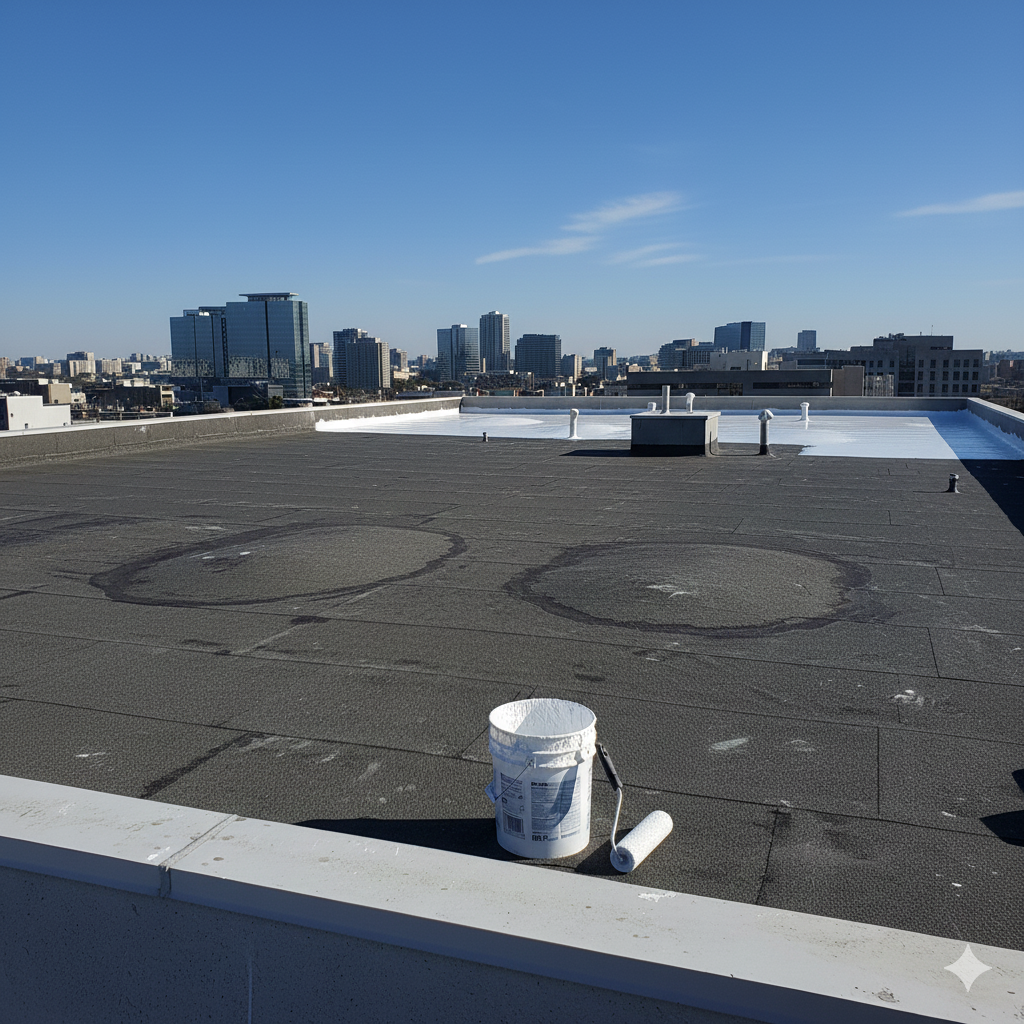
Elastomeric Roof Coating: Amazing Benefits
Property owners are constantly seeking methods to extend the lifespan of their building envelopes without incurring the massive expense of a full tear-off and replacement. In the world of modern roofing technology, few solutions offer the versatility and return on investment found in liquid-applied restoration systems. Specifically, applying an elastomeric roof coating has become the gold standard for restoring flat and low-slope roofs. This liquid membrane creates a seamless barrier that not only waterproofs the substrate but also reflects damaging UV rays, significantly lowering cooling costs.
Whether you are a facility manager overseeing a commercial warehouse or a homeowner with a flat roof extension, understanding the mechanics of an elastomeric roof coating is essential. It is not merely paint; it is a chemically engineered shield designed to expand and contract with the thermal movement of your building. This article will serve as a comprehensive guide, detailing exactly how to find, buy, install, and maintain these systems, while analyzing the costs and benefits associated with this robust roofing solution.
Understanding What an Elastomeric Roof Coating Is
To truly appreciate the value of this technology, one must first understand what an elastomeric roof coating actually is chemically. Unlike standard house paints which are brittle and prone to cracking when the surface beneath them moves, elastomeric coatings are formulated with high-grade acrylics, silicones, or urethanes that possess high elongation properties. “Elastomeric” refers to the elastic nature of the dried film. When the sun heats your roof, the materials expand; when night falls, they contract. A standard coating would fracture under this stress, but an elastomeric roof coating stretches—sometimes up to 600% of its original size—and then returns to its original shape without damage.
This elasticity is the primary defense against leaks. Most roof leaks occur at seams, fasteners, and flashings where movement is most severe. By applying an elastomeric roof coating, you are effectively encapsulating the entire roof in a monolithic (one-piece) rubber-like sheet. There are no seams to split open. Furthermore, these coatings are typically bright white, containing ceramic microspheres or titanium dioxide pigments that reflect solar radiation. This turns a standard hot roof into a “cool roof,” reducing the thermal shock the building experiences daily.
There are three main types of chemistry used in elastomeric roof coating products:
-
Acrylics: Water-based, cost-effective, and excellent for UV reflection, though they can struggle with ponding water.
-
Silicones: Highly water-resistant and excellent for roofs that do not drain perfectly, though they are more expensive and attract dirt.
-
Urethanes: Extremely durable and impact-resistant, often used in high-traffic areas, but generally harder to apply.

How to Find the Right Product
Finding the correct elastomeric roof coating for your specific situation requires more than a trip to the local big-box hardware store. While home improvement centers do stock basic acrylic varieties, professional-grade results often require professional-grade materials. To find the best products, you should look for roofing supply distributors that cater to contractors. These suppliers carry brands that offer higher solids content by volume.
The “solids content” is a crucial metric. It refers to the amount of material left on the roof after the solvents or water evaporate. A cheap elastomeric roof coating might be 50% water, meaning half the thickness disappears as it dries. A professional grade might be over 90% solids.
You can also find high-quality elastomeric roof coating options through online marketplaces dedicated to industrial construction materials. When searching, pay attention to the specific formulation relative to your existing roof type. For example, if you have an EPDM (rubber) roof, you need a coating chemically compatible with EPDM. If you have a modified bitumen roof, you may need a specific primer. Always read the Technical Data Sheet (TDS) before purchasing to ensure compatibility.
How to Buy and Negotiate Price
Once you have identified the right supplier, the process of how to buy elastomeric roof coating involves calculating your total surface area and understanding coverage rates. Most coatings are sold in 5-gallon pails or 55-gallon drums. Buying in bulk (drums) is almost always cheaper per gallon than buying pails, but shipping logistics can be complicated for residential addresses.
To buy smartly:
-
Calculate Square Footage: Measure length times width.
-
Determine Coverage Rate: Most manufacturers recommend 1.5 to 3 gallons per 100 square feet (often applied in two coats).
-
Factor in Waste: Add 10% for spillage and absorption into the roller.
When purchasing elastomeric roof coating, do not forget the accessories. You will likely need reinforcing fabric for seams, a high-quality primer, and specific cleaning agents. If you are buying a large quantity, contact the manufacturer’s sales representative directly. They can often direct you to a local distributor and may even authorize a volume discount that isn’t advertised on the shelf.
What is the Cost ?
Determining how much an elastomeric roof coating project costs depends heavily on whether you are hiring a professional or doing it yourself.
DIY Material Costs:
For a high-quality acrylic elastomeric roof coating, prices generally range from $25 to $45 per gallon. Silicone coatings are more expensive, ranging from $50 to $80 per gallon. If you have a 2,000 square foot roof and need to apply 3 gallons per square (100 sq. ft.) for a thick, 20-year warranty system, you need 60 gallons.
-
60 gallons x $35 (avg acrylic) = $2,100 for coating.
-
Primer and supplies = ~$500.
-
Total DIY Material Cost: ~$2,600.
Professional Installation Costs:
Contractors price by the square foot, including labor, insurance, and overhead.
-
Acrylic systems: $2.50 to $4.50 per square foot.
-
Silicone systems: $3.50 to $6.50 per square foot.
While the upfront cost of an elastomeric roof coating is significant, it is generally 30% to 50% cheaper than a complete roof replacement. Furthermore, the cost can be offset by energy savings. A reflective roof can lower roof surface temperatures by up to 50 degrees Fahrenheit, reducing the load on your HVAC system and cutting air conditioning bills by 15-30%.
Advantages of Elastomeric Systems
The popularity of elastomeric roof coating systems is driven by a robust list of advantages that go beyond simple waterproofing.
-
Energy Efficiency: As mentioned, the reflectivity helps combat the “Urban Heat Island” effect and lowers interior cooling costs.
-
Sustainability: By restoring a roof rather than replacing it, you prevent tons of roofing waste from entering landfills.
-
Seamless Protection: Unlike sheets of felt or rubber that have seams, a fluid-applied elastomeric roof coating is monolithic. It is a single, continuous membrane.
-
Ease of Maintenance: If the coating is damaged, it can often be repaired simply by cleaning the area and applying fresh coating with a brush.
-
Tax Incentives: In many jurisdictions, installing a cool roof qualifies for energy rebates or tax credits.
-
Minimal Disruption: Installing an elastomeric roof coating is quiet and odor-free (especially water-based acrylics), allowing businesses to operate without closing during the renovation.

Challenges and Disadvantages
Despite the benefits, an elastomeric roof coating is not a magic cure-all for every roof. There are specific challenges that property owners must acknowledge.
-
Ponding Water: Standard acrylic coatings will re-emulsify (break down) if water sits on them for more than 48 hours. If your roof has significant depressions where water collects, you must use a more expensive silicone elastomeric roof coating or fix the drainage issues first.
-
Application Conditions: You cannot install these coatings in the rain or when rain is imminent. Furthermore, temperatures must usually be above 50°F and rising. This limits the installation window in colder climates.
-
Surface Preparation: The coating will only stick as well as the surface is clean. If the roof is dirty or oily, the elastomeric roof coating will peel off in sheets.
-
Aesthetics: While white roofs are efficient, they can show dirt quickly. If the roof is visible from the ground or other windows, this might be an aesthetic concern.
How to Clean and Prepare the Roof
The most critical step in the entire process is how to clean the substrate. You cannot simply sweep the roof and start painting. The elastomeric roof coating requires a pristine surface for chemical adhesion.
-
Debris Removal: Clear all leaves, branches, and loose gravel.
-
Pressure Washing: Use a pressure washer (typically 2,000 to 3,000 PSI) to blast away embedded dirt, moss, and algae. Be careful not to damage the underlying roof material.
-
Chemical Cleaning: Use a specialized roof cleaner or a biodegradable detergent. Scrub stubborn areas with a stiff-bristle broom. This removes grease and oils that water alone cannot touch.
-
Rinse Thoroughly: Any soap residue will act as a bond breaker for the elastomeric roof coating. Rinse until the water runs clear.
-
Dry Time: The roof must be bone dry before application. Moisture trapped under the coating will vaporize in the sun and cause blisters.
Pro Tip: Perform an adhesion test before doing the whole roof. Apply the elastomeric roof coating to a small fabric strip on the clean roof. Let it cure for 3 days, then try to pull it up. If it pulls the roof material up with it, you have good adhesion. If it peels off cleanly, the roof is not clean enough.

Comprehensive Application Guide
This section details the critical aspects of the technology, covering four distinct pillars of knowledge regarding elastomeric roof coating systems.
1: What is Elastomeric Roof Coating
At its core, an elastomeric roof coating is a liquid-applied compound, typically comprising a polymer binder (acrylic, silicone, or polyurethane), pigments for color and reflection, and various additives for biocidal protection and viscosity. Unlike standard paints, it has a high volume of solids and is engineered for thermal shock. It provides a “breathable” membrane, meaning it prevents liquid water from entering but allows trapped water vapor to escape, preventing rot in the substrate.
2: How to Apply Elastomeric Roof Coating
Application requires a strategic approach. After cleaning and priming, all seams and penetrations (vents, skylights) must be detailed with a thick mastic or trowel-grade version of the elastomeric roof coating combined with reinforcing polyester mesh. Once details are cured, the field application begins. The coating is typically poured onto the roof in an “S” pattern and spread using a thick-nap roller or a squeegee. For large commercial projects, airless sprayers are used for speed and uniformity. It is vital to apply two coats in contrasting directions (e.g., North-South, then East-West) to ensure pinhole-free coverage.
3: Roof Elastomeric Paint
The term “roof elastomeric paint” is often used interchangeably with coating, but there is a distinction. Products labeled strictly as “paint” often have lower solids content and less elasticity. A true elastomeric roof coating builds a film thickness measured in mils (thousandths of an inch). When shopping, avoid generic exterior paints labeled “elastomeric” intended for stucco walls; they are not designed for standing water or the extreme heat of a horizontal roof surface.
4: Elastomeric Coating for Metal Roofs
Metal roofs face unique challenges due to extreme expansion and contraction at the seams and fasteners. An elastomeric roof coating for metal is specifically formulated with rust inhibitors. The application process on metal focuses heavily on treating the fasteners—often thousands of them—by dabbing a dollop of sealant over each screw head before the main coating is applied. This prevents the most common source of leaks in metal buildings.
How to Install Step-by-Step
Following the cleaning phase and the “how-to” overview above, here is the granular procedure for the installation of the elastomeric roof coating.
-
Tightening: Walk the roof and tighten any loose screws or fasteners.
-
Repairing: Patch any holes, blisters, or large cracks in the existing roof using roofing cement or repair tape.
-
Seam Taping: Apply a layer of elastomeric roof coating over all seams, embed a strip of polyester fabric, and apply another layer of coating on top. This is called “three-coursing.”
-
Base Coat: Apply the first layer of coating. If you are using a system with a base and top coat, the base coat is often grey. This helps you see coverage when you apply the white top coat later. Monitor your wet film thickness using a mil gauge.
-
Curing: Allow the base coat to dry completely. This usually takes 24 hours, depending on humidity.
-
Top Coat: Apply the second layer of elastomeric roof coating perpendicular to the first layer. This cross-hatch technique ensures no spots are missed.
-
Inspection: Once dried, inspect for pinholes or thin spots and touch up as necessary.
How Long Does it Last?
The longevity of an elastomeric roof coating is directly related to the thickness of the application. In the industry, warranties are often tied to the amount of material used.
-
10-Year Warranty: Usually requires 20 mils of dry film thickness (approx. 2 gallons per 100 sq. ft.).
-
15-Year Warranty: Usually requires 25 mils of dry film thickness.
-
20-Year Warranty: Usually requires 30+ mils of dry film thickness (approx. 3+ gallons per 100 sq. ft.).
Generally speaking, a well-installed acrylic elastomeric roof coating will last 10 to 15 years before needing a re-coat. Silicone coatings can last up to 20 years or more because they do not degrade under UV light as quickly as acrylics. However, durability also depends on the environment. A roof under heavy tree cover (constantly wet/debris-filled) will degrade faster than a roof in a dry, open climate.
Ongoing Maintenance
An elastomeric roof coating is low maintenance, but not “no maintenance.” To ensure the system reaches its full life expectancy, a maintenance plan is required.
-
Annual Cleaning: Wash the roof with low pressure and water once a year. Accumulated dirt darkens the roof, reducing its reflectivity and causing the elastomeric roof coating to absorb more heat, which accelerates aging.
-
Gutter Clearance: Ensure gutters and scuppers are clear. Standing water is the enemy of acrylic coatings.
-
Touch-ups: If a branch falls and gouges the roof, clean the spot and apply fresh coating immediately. Since the new coating bonds chemically to the old elastomeric roof coating, repairs are seamless.
-
Inspections: After major storms, inspect for physical damage or debris impact.
FAQ : Elastomeric roof coating
Can I apply an elastomeric roof coating over shingles?
Generally, no. While some products claim to work on shingles, it is ill-advised. Shingles need to breathe, and coating them can trap moisture, causing the wood deck to rot. Furthermore, the uneven surface makes it difficult to get a pinhole-free seal.
How do I know if I need a primer?
It depends on the substrate. Asphalt-based roofs (modified bitumen, built-up roofs) usually require a “bleed-blocking” primer to prevent the yellow oils from asphalt staining the white elastomeric roof coating. Single-ply membranes like TPO or PVC usually just need aggressive cleaning, but aged EPDM often requires a specific rinseable primer to promote adhesion.
Can I walk on an elastomeric roof coating?
Yes, you can walk on it for maintenance purposes. However, these coatings are not designed for heavy foot traffic or use as a patio deck. If you have a high-traffic path (e.g., to an HVAC unit), you should install walk pads or apply an extra thick layer of coating with embedded sand for traction and durability.
Is silicone better than acrylic?
Silicone is better for water resistance and longevity, making it superior for flat roofs that pond water. However, acrylic elastomeric roof coating is more cost-effective, stays cleaner longer, and is easier to recoat in the future. Silicone is also very slippery when wet, which poses a safety hazard during maintenance.
Does this coating stop leaks immediately?
Yes, once cured, it forms a waterproof barrier. However, it should not be applied to a wet surface. If you have an active leak during a rainstorm, you must use a wet-patch roofing cement for the emergency repair, then apply the elastomeric roof coating once the weather dries out.

Conclusion
investing in an elastomeric roof coating is one of the most prudent decisions a building owner can make. It bridges the gap between expensive roof replacement and simple maintenance, offering a restored, waterproof, and energy-efficient surface that can last for decades. By understanding the chemical makeup of these coatings, preparing the surface meticulously, and adhering to strict installation guidelines, you can achieve a professional-grade result. Whether you choose acrylic for its value and reflectivity or silicone for its ponding water resistance, the application of an elastomeric roof coating ensures your property remains dry, cool, and protected against the elements for years to come.
🔧 Other Resources
• Home Depot – Retail category page listing elastomeric roof coatings for commercial roofing applications.
• Kool Seal – Product page detailing a five-year elastomeric finish coat designed for roof protection.
• APOC – Manufacturer collection page presenting elastomeric roof coating products and system options.
• Lexis Coatings – Technical support page explaining elastomeric coatings, their properties, and usage guidelines.
🔎 Other Helpful Articles
• Roof Coating Sprayer Works, Cost, Installation – Informational article explaining how roof coating sprayers work, including costs and installation basics.
• Roof Coating – Educational overview describing roof coating types, functions, and common applications.
• Stone-Coated Metal Roofing – Informational article outlining stone-coated metal roofing systems and their characteristics.