
High Quality Roof Membrane Replacement: Best Tips
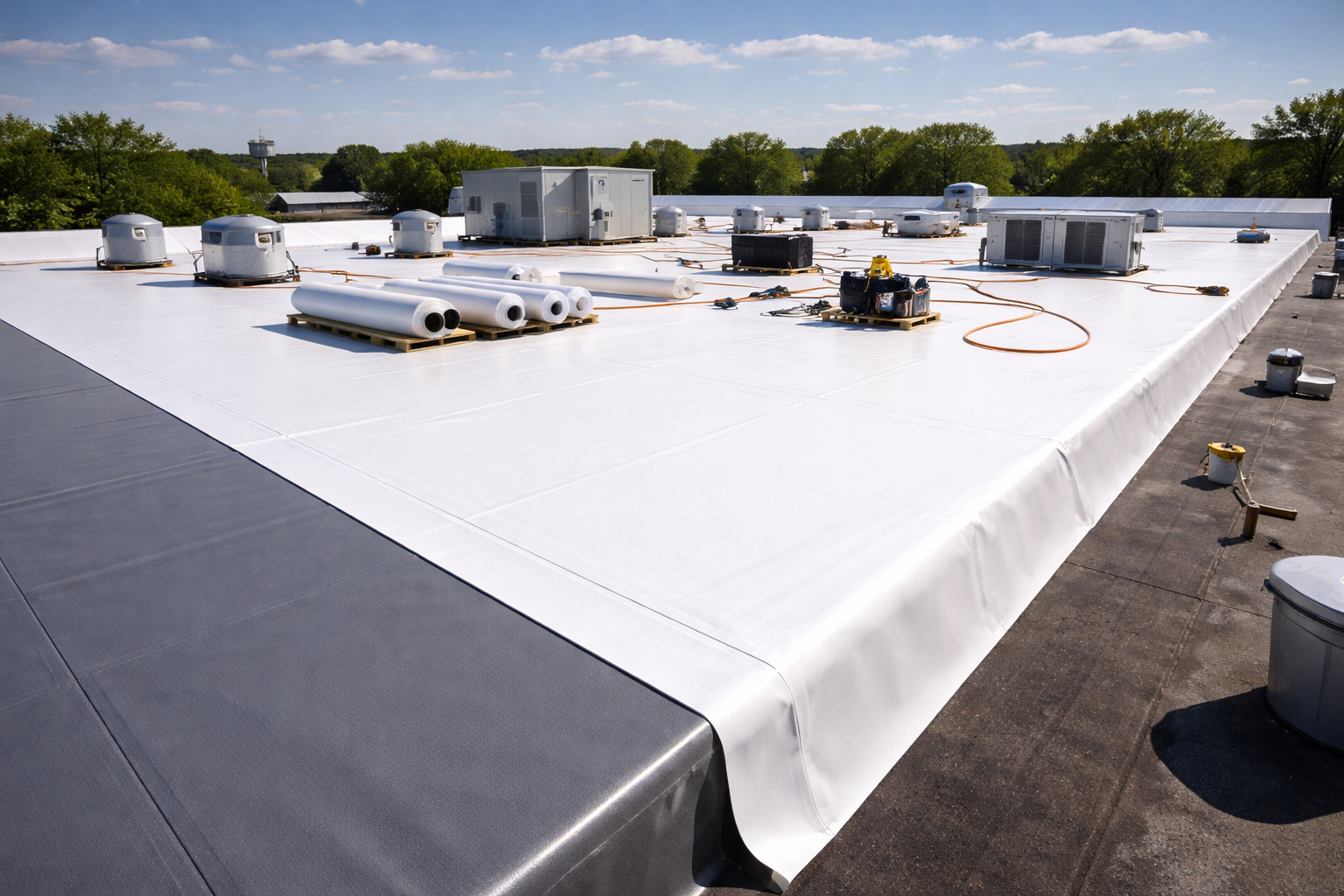
High Quality Roof Membrane Replacement: Best Tips
What Is a High Quality Roof Membrane Replacement?
When property owners notice leaks or damp spots on their ceilings, the immediate thought often drifts to patching a hole. However, a high quality roof membrane replacement is much more than a simple patch job. It is a comprehensive renovation process designed to completely secure the waterproof integrity of a flat or low-slope roof. Essentially, this process involves removing the old, degraded synthetic rubber or thermoplastic layer and installing a new, durable sheet that acts as a continuous barrier against the elements.
A high quality roof membrane replacement utilizes advanced materials like EPDM (Ethylene Propylene Diene Monomer), TPO (Thermoplastic Polyolefin), or PVC (Polyvinyl Chloride). Unlike traditional felt or asphalt roofs, these modern membranes are engineered to expand and contract with temperature changes without cracking. This flexibility is the hallmark of a high quality roof membrane replacement, ensuring that your building remains watertight during freezing winters and scorching summers.
The primary goal of a high quality roof membrane replacement is longevity. While standard repairs might last a year or two, a complete replacement done with premium materials can last anywhere from 20 to 30 years. It represents a significant investment in the structural health of a building. When you commit to a high quality roof membrane replacement, you are essentially buying peace of mind, knowing that the layer between your interior assets and the rain is robust and reliable.
Understanding the components is crucial. The system isn’t just the rubber sheet; it includes the insulation underneath, the vapor barrier, and the specific adhesives or fasteners used. A high quality roof membrane replacement pays attention to every single layer of this “roofing sandwich,” ensuring that moisture is managed correctly from the inside out, preventing issues like condensation and mold growth within the roof structure itself.
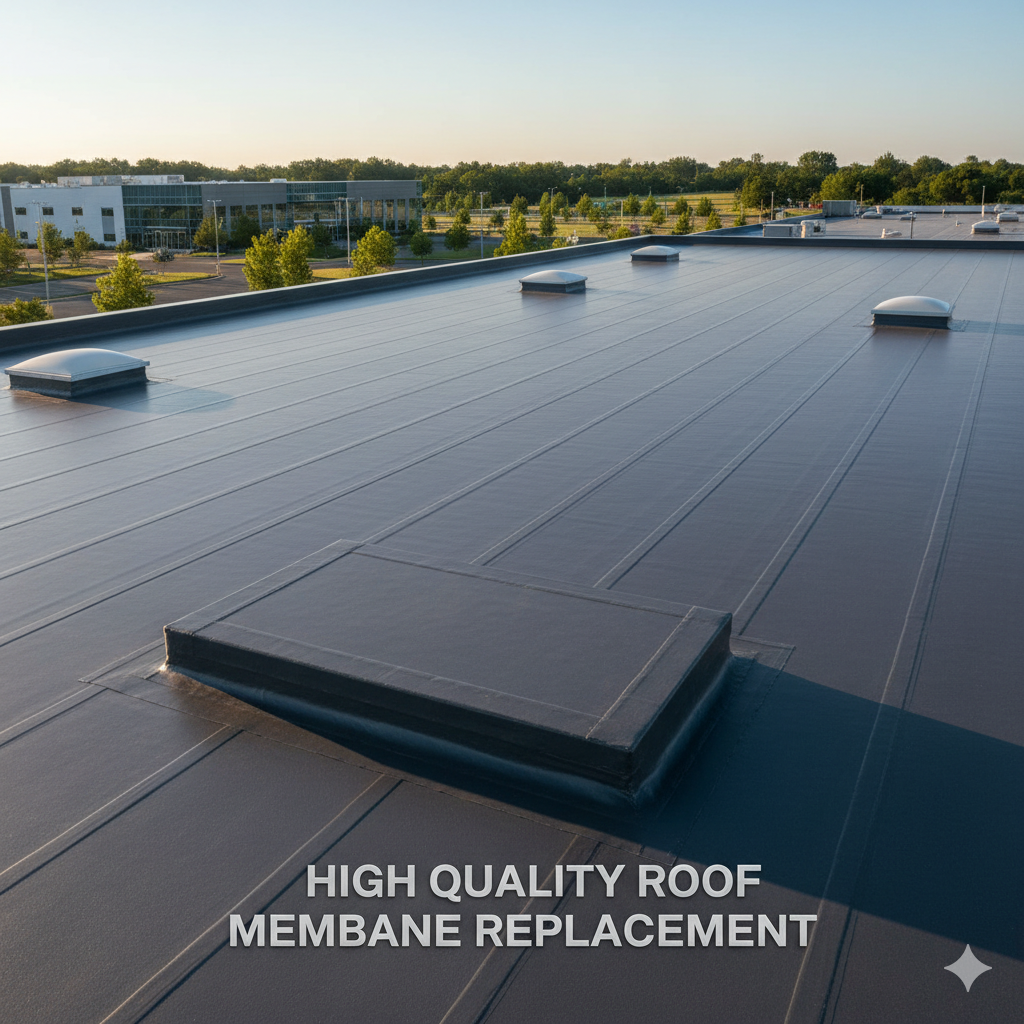
How to Do a High Quality Roof Membrane Replacement
Executing a high quality roof membrane replacement requires precision, patience, and strict adherence to safety protocols. While professional help is usually recommended, understanding the steps is vital for oversight. The process begins with a thorough inspection and preparation of the existing substrate. You cannot simply lay a new sheet over a rotting deck; a high quality roof membrane replacement demands a stable foundation.
-
Preparation and Demolition: The first step in a high quality roof membrane replacement is removing the old material. This must be done carefully to avoid damaging the decking below. All debris, nails, and old adhesive must be cleared away.
-
Substrate Repair: If the wood or concrete deck has water damage, it must be repaired immediately. A high quality roof membrane replacement will fail if the structure underneath is compromised.
-
Insulation Installation: Laying down rigid foam insulation is key for energy efficiency. This layer also provides a smooth surface for the membrane.
-
Positioning the Membrane: Roll out the chosen material (TPO, EPDM, or PVC) and let it relax. This “relaxing” phase prevents wrinkles, which is a sign of a high quality roof membrane replacement.
-
Adhering or Fastening: Depending on the system, the membrane is either glued down with bonding adhesive or mechanically attached. In a high quality roof membrane replacement, ensuring the edges are sealed perfectly is the most critical step.
A crucial aspect of how to do a high quality roof membrane replacement effectively involves the weather. You should never attempt this during rain or extreme humidity. Moisture trapped under the new layer will blister and ruin the installation. Therefore, timing your high quality roof membrane replacement for a stretch of dry, moderate weather is essential for the adhesive to cure properly and for the seals to hold tight.
Furthermore, detailing is where the amateurs are separated from the pros. Corners, pipes, and vents penetrating the roof require special attention. A high quality roof membrane replacement utilizes pre-molded boots and flashing tapes specifically designed for these tricky areas. Using generic caulk here is a mistake; specialized sealants are required to ensure the high quality roof membrane replacement remains watertight at its most vulnerable points.
How to Find High Quality Roof Membrane Replacement Contractors
Finding the right team to execute a high quality roof membrane replacement can feel daunting, but it is the most significant factor in the project’s success. The roofing industry is filled with generalists, but flat roofing is a specialty. To ensure a high quality roof membrane replacement, you need to look for contractors who specifically market themselves as flat roof or commercial roofing specialists, even for residential projects.
Start by checking manufacturer certifications. Companies like Firestone, Carlisle, or GAF certify contractors to install their products. If a roofer is certified, it means they have been trained to perform a high quality roof membrane replacement according to factory specifications. This certification often allows them to offer extended warranties that uncertified roofers cannot. A high quality roof membrane replacement backed by a manufacturer’s warranty is the gold standard of protection.
When interviewing candidates for your high quality roof membrane replacement, ask specific technical questions. Ask how they handle seams—are they taped or heat-welded? Heat-welded seams (common in TPO and PVC) are generally stronger and indicative of a high quality roof membrane replacement. Ask about their protocol for unexpected rain. Their answer will reveal their level of professionalism and preparedness.
Finally, do not choose solely based on price. A significantly lower bid often means corners are being cut, usually in the quality of the insulation or the thickness of the membrane. A high quality roof membrane replacement uses materials like 60-mil thickness rather than the cheaper 45-mil. Ensure the quotes you are comparing are “apples to apples” regarding material thickness and brand quality to truly secure a high quality roof membrane replacement.
How to Buy Materials for High Quality Roof Membrane Replacement
If you are managing the project yourself or purchasing materials for a contractor, knowing how to buy is critical for a high quality roof membrane replacement. You cannot typically find professional-grade roofing membranes at big-box home improvement stores. A high quality roof membrane replacement requires sourcing from specialized roofing supply distributors who sell to the trade.
When buying, the first decision is material type. EPDM is excellent for hail resistance and is easier for DIYers, but TPO is often preferred for energy efficiency due to its white, reflective surface. For a high quality roof membrane replacement, you must select the material that suits your climate. If you live in a very hot region, a white TPO membrane is ideal for a high quality roof membrane replacement because it reflects UV rays, lowering cooling costs.
A high quality roof membrane replacement relies on system compatibility. Do not mix a generic adhesive with a premium brand membrane. Manufacturers design their primers, tapes, and glues to work chemically with their specific sheets. Mixing brands is a recipe for failure and will likely void any warranty on your high quality roof membrane replacement. Always buy a “system” to ensure chemical bonding is secure.
Additionally, consider the thickness. Membranes typically come in 45, 60, and 90 mils. While 45 mil is cheaper, upgrading to 60 mil is a relatively small cost increase for a significant gain in durability. A high quality roof membrane replacement usually implies using at least a 60-mil membrane. This extra thickness provides better resistance to punctures from falling branches or foot traffic, ensuring your high quality roof membrane replacement lasts longer.
How Much Does High Quality Roof Membrane Replacement Cost?
The cost is often the primary concern for property owners. A high quality roof membrane replacement is an investment, and prices vary based on location, roof size, and material choice. generally, you can expect to pay significantly more for this than for simple coating repairs, but the value lies in the lifespan. A high quality roof membrane replacement prevents structural damage that would cost ten times more to fix.
On average, for a high quality roof membrane replacement, you might be looking at costs ranging from $7 to $12 per square foot installed. This price includes labor, tear-off of the old roof, insulation, and the new membrane. If your roof has many penetrations (vents, HVAC units, skylights), the labor cost will rise, as cutting and sealing around these requires time and skill, which are essential for a high quality roof membrane replacement.
It is important to budget for the unseen. Once the old roof is torn off, you may discover rotten decking. A high quality roof membrane replacement quote often includes a clause for wood replacement at a per-sheet rate. Do not be surprised by this; it is standard. Ensuring the deck is solid is a non-negotiable part of a high quality roof membrane replacement.
2. Labor Costs: Skilled labor for flat roofing is $4-$8 per sq. ft.
3. Disposal Fees: Removing old layers costs money.
4. Permits: Local building permits are required for a **high quality roof membrane replacement**.
While the upfront cost of a high quality roof membrane replacement seems high, calculate the cost per year of service. If a $10,000 roof lasts 25 years, the annual cost is $400. A cheap $5,000 repair that lasts 5 years costs $1,000 annually. Therefore, a high quality roof membrane replacement is actually the more improved financial decision in the long run.
How to Install High Quality Roof Membrane Replacement
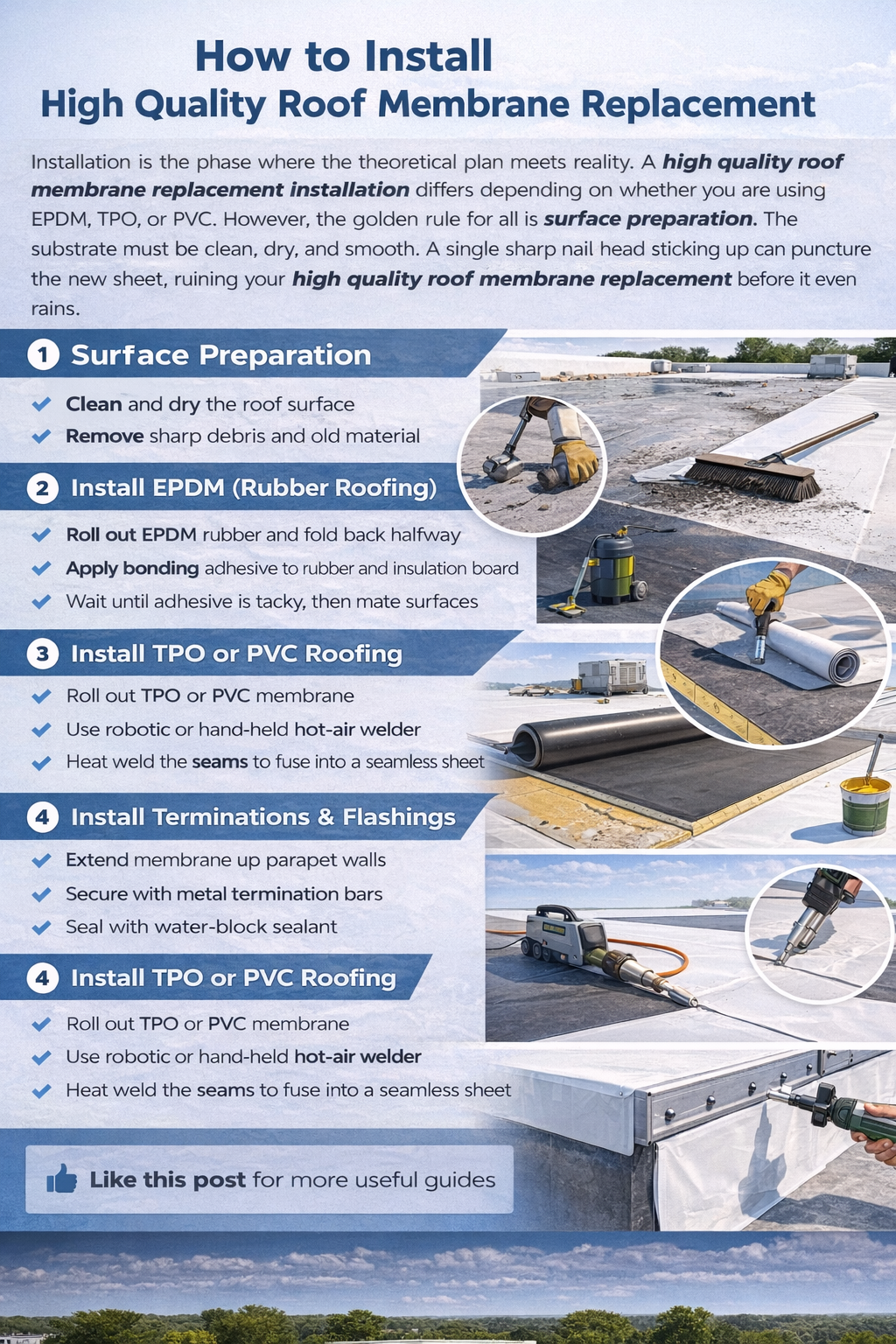
Installation is the phase where the theoretical plan meets reality. A high quality roof membrane replacement installation differs depending on whether you are using EPDM, TPO, or PVC. However, the golden rule for all is surface preparation. The substrate must be clean, dry, and smooth. A single sharp nail head sticking up can puncture the new sheet, ruining your high quality roof membrane replacement before it even rains.
For EPDM (rubber roofing), the most common method for a high quality roof membrane replacement is fully adhered. This involves rolling out the rubber, folding half back, and applying bonding adhesive to both the rubber and the insulation board. You wait for it to become “tacky” before mating the two surfaces. This contact bond is incredibly strong and creates a high quality roof membrane replacement that won’t lift in high winds.
TPO and PVC usually require hot-air welding. This is a technical skill requiring a robotic welder or a hand-held heat gun. The seams are superheated and fused together. A high quality roof membrane replacement using TPO creates a monolithic surface—essentially one giant sheet covering the building. If the welding is done at the wrong temperature, the seam will fail. This is why professional installation is preferred for a high quality roof membrane replacement using thermoplastics.
Detailed flashing work is the final hurdle. The membrane must extend up any vertical walls (parapets) and be terminated correctly with a metal termination bar. In a high quality roof membrane replacement, these termination bars are caulked with water-block sealant to prevent water from running behind the membrane. Neglecting this vertical detail is a common failure point that a high quality roof membrane replacement process must avoid.
How to Clean After High Quality Roof Membrane Replacement
Maintenance doesn’t end once the crew leaves. To maintain the aesthetics and function of a high quality roof membrane replacement, regular cleaning is advised. Debris like leaves and branches can accumulate, holding moisture against the membrane and promoting moss growth. A high quality roof membrane replacement performs best when water can flow freely to the drains.
Cleaning should be done gently. Use a broom with soft bristles or a leaf blower. Do not use sharp tools or metal shovels, as these can easily slice through the material, compromising your high quality roof membrane replacement. If washing is necessary, use a mild, non-abrasive detergent mixed with water. Harsh chemicals or petroleum-based solvents can degrade EPDM and TPO, destroying the integrity of your high quality roof membrane replacement.
Protecting the surface is key. If you have HVAC units on the roof that require servicing, install walkway pads. A high quality roof membrane replacement usually includes these pads in high-traffic areas. They protect the membrane from the boots of service workers. Keeping the roof clean allows you to spot potential issues early, ensuring your high quality roofing membrane replacement continues to perform as expected.
Critical Considerations for Roof Types and Costs
When diving deeper into the specifics of this renovation, there are four distinct areas that often confuse property owners. Understanding these nuances is essential for planning a successful project.
1: Roof Membranes Flat Roof
The term “flat roof” is a bit of a misnomer; all roofs need a slight pitch to drain. However, for these low-slope structures, the choice of material is vital. Standard shingles cannot be used. A high quality roofing membrane replacement on a flat roof must be impermeable. The most popular choices are EPDM (rubber), PVC, and TPO. EPDM is black and absorbs heat, which can be good in winter, while TPO is white and reflects heat. Selecting the right membrane for your specific flat roof climate is step one in a high quality roof membrane replacement.
2: High Quality Roof Membrane Replacement That Seals Nails
One of the specialized features of modern underlayments and membranes is self-sealing technology. When a fastener is driven through the membrane, the material tightens around the shank of the nail, preventing water entry. In a high quality roof membrane replacement, using a self-adhered or self-sealing base sheet can add an incredible layer of redundancy. This is particularly useful in areas prone to wind-driven rain. A high quality roofing membrane replacement that seals nails effectively acts as a gasket at every single penetration point.
3: Roofing Membrane
The “roofing membrane” itself is the hero of the story. It is the watertight skin of the building. In the context of a high quality roof membrane replacement, we aren’t talking about tar and gravel. We are talking about engineered synthetic sheets. These membranes are tested for tear strength, puncture resistance, and UV stability. A high quality roof membrane replacement prioritizes the technical specs of this sheet above all else. If the membrane degrades in five years, the replacement was not high quality.
4: High Quality Roof Membrane Replacement Cost
We touched on cost earlier, but it deserves a specific breakdown. The cost is driven by complexity. A wide-open warehouse roof is cheaper per square foot than a small residential roof with three chimneys and an HVAC unit. For a high quality roofing membrane replacement cost, you must factor in the “mobilization” costs of the crew. Small jobs have a higher per-square-foot price. Additionally, the thickness of insulation adds to the cost. However, increasing insulation during a high quality roof membrane replacement can drastically lower energy bills, offsetting the initial expense.
Advantages of High Quality Roof Membrane Replacement
Opting for a high quality roof membrane replacement brings immediate and long-term benefits that go beyond simply stopping a leak. The most obvious advantage is energy efficiency. Modern white membranes (TPO and PVC) reflect solar heat, significantly reducing the load on air conditioning systems. This “cool roof” effect is a major selling point for a high quality roofing membrane replacement in warmer climates.
Durability is another massive advantage. A high quality roofing membrane replacement utilizes materials resistant to ozone, UV radiation, and chemical exposure. Unlike asphalt, which dries out and cracks, synthetic membranes remain flexible. This flexibility accommodates building movement and thermal shock, ensuring the high quality roofing membrane replacement stays intact through the seasons.
-
Waterproofing Reliability: Seamless or welded systems offer superior protection.
-
Low Maintenance: A high quality roofing membrane replacement requires very little upkeep compared to gravel roofs.
-
Aesthetics: A clean, uniform roof looks professional and increases property value.
-
Environmentally Friendly: Many materials used in a high quality roofing membrane replacement are recyclable at the end of their life.
Furthermore, a high quality roofing membrane replacement can improve the indoor air quality of the building. By eliminating water infiltration, you stop mold and mildew at the source. This creates a healthier environment for tenants or family members. The peace of mind that comes with a warranty-backed high quality roofing membrane replacement allows property owners to focus on other things, knowing their investment is secure.
Challenges Connected to High Quality Roof Membrane Replacement
Despite the benefits, there are challenges associated with a high quality roofing membrane replacement. The foremost challenge is finding skilled labor. As mentioned, not all roofers are membrane specialists. Poor workmanship is the leading cause of failure in what should have been a high quality roofing membrane replacement. Improperly sealed seams or incorrect adhesive application can lead to leaks within weeks.
Weather dependence is another significant hurdle. You cannot install these systems in the rain or extreme cold. This can lead to scheduling delays. A high quality roofing membrane replacement project planned for November might get pushed to March if the weather turns. This unpredictability can be frustrating for building owners eager to complete their high quality roofing membrane replacement.
Finally, the initial capital outlay is a challenge. A high quality roofing membrane replacement is expensive. For commercial building owners, this is a CapEx (Capital Expenditure) item that requires planning. However, cutting costs by choosing inferior materials turns a potential high quality roofing membrane replacement into a liability. Navigating the balance between budget constraints and the need for premium materials is the most difficult decision in the process of a high quality roofing membrane replacement.
FAQ : high quality roof membrane replacement
How long does a high quality roof membrane replacement take to complete?
The duration depends on the size of the roof and the weather. A typical residential flat roof might take 2-3 days, while a large commercial project could take weeks. A high quality roof membrane replacement should not be rushed; ensuring the deck is dry and seams are perfect takes time.
Can I install a high quality roof membrane replacement over my old roof?
Sometimes, yes. This is called a “layover.” However, for a truly high quality roof membrane replacement, a complete tear-off is usually recommended. A layover can trap moisture from the old roof and adds significant weight to the structure.
Is a high quality roof membrane replacement covered by insurance?
If the damage necessitating the replacement was caused by a storm (wind, hail) or a fallen tree, your insurance may cover it. However, if the replacement is due to age or wear and tear, insurance typically does not cover a high quality roofing membrane replacement.
What is the best material for a high quality roof membrane replacement?
There is no single “best” material; it depends on your building. TPO is great for energy savings, EPDM is excellent for durability and hail resistance, and PVC is best for resistance to grease and chemicals. A consultation is needed to determine the right fit for your high quality roofing membrane replacement.
Will a high quality roofing membrane replacement lower my energy bills?
Yes, especially if you choose a light-colored membrane and add insulation during the process. A high quality roofing membrane replacement using white TPO can significantly reduce roof surface temperatures, lowering cooling costs in the summer.
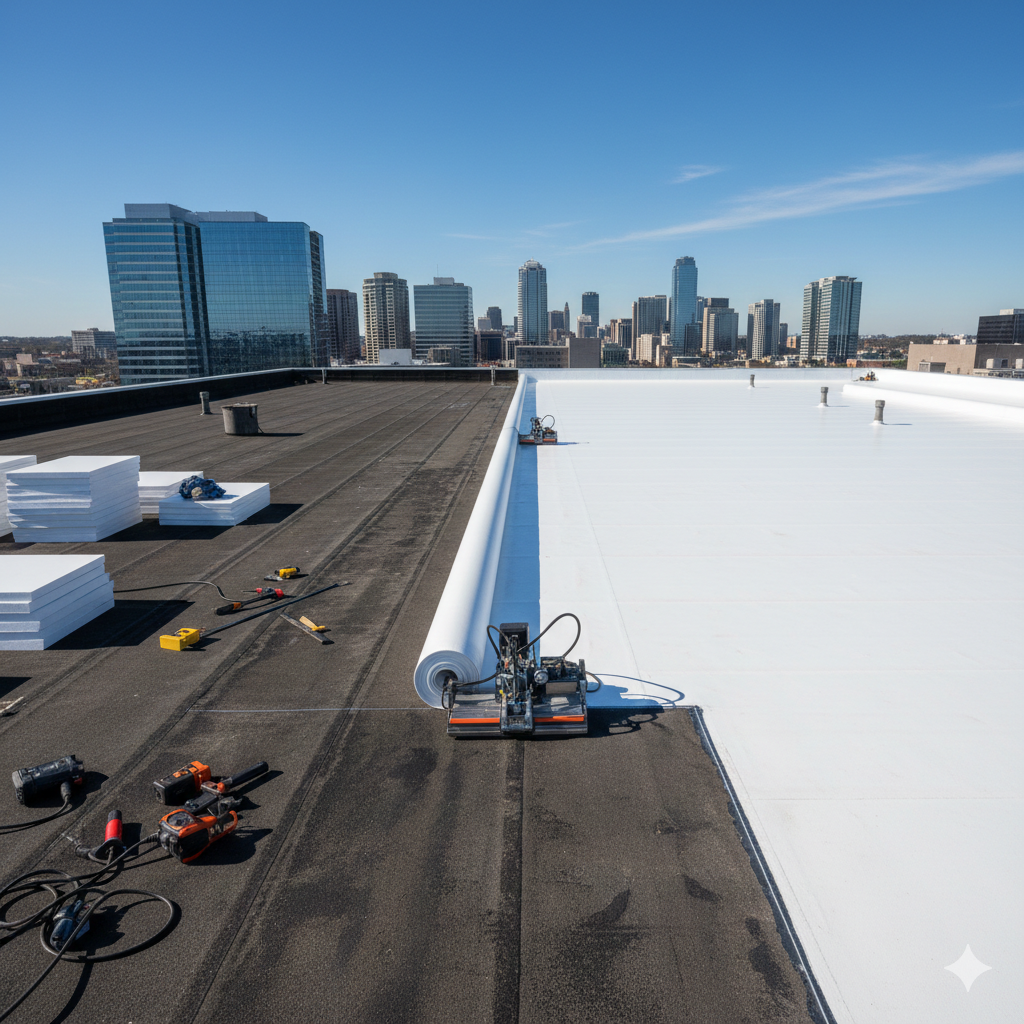
Conclusion
Investing in a high quality roof membrane replacement is one of the most prudent decisions a property owner can make. It transitions a building from a state of vulnerability to one of security and efficiency. While the process involves careful planning, finding specialized contractors, and a significant financial commitment, the return on investment is undeniable. A high quality roofing membrane replacement protects the structure, enhances energy efficiency, and improves the overall value of the property.
Whether you choose EPDM, TPO, or PVC, the key lies in the details—proper preparation, professional installation, and premium materials. By following the guidelines for finding contractors and understanding the costs involved, you can navigate the complexities of this project. Ultimately, a high quality roof membrane replacement is not just a construction project; it is a shield against the elements, ensuring your home or business remains dry, safe, and secure for decades to come.
Other Resources
iB Roof – Manufacturer website providing information on PVC roofing membrane systems and accessories.
Duro-Last – Product page detailing Duro-Last roofing membranes and their performance characteristics.
Insulation4US – Online collection offering various roofing membrane products and related materials.
Colony Roofers – Educational article explaining different types of roof membranes and their key differences.
Other Helpful Articles
Multi-Span vs Single-Slope Roof – Article comparing multi-span and single-slope roof designs and their applications.
Raking Snow From Roof – Guide explaining when and how to rake snow from a roof safely.
Roof Harness – Article describing roof harness systems and their role in fall protection.