
Modified Bitumen Roof: 8 Powerful Benefits Explained
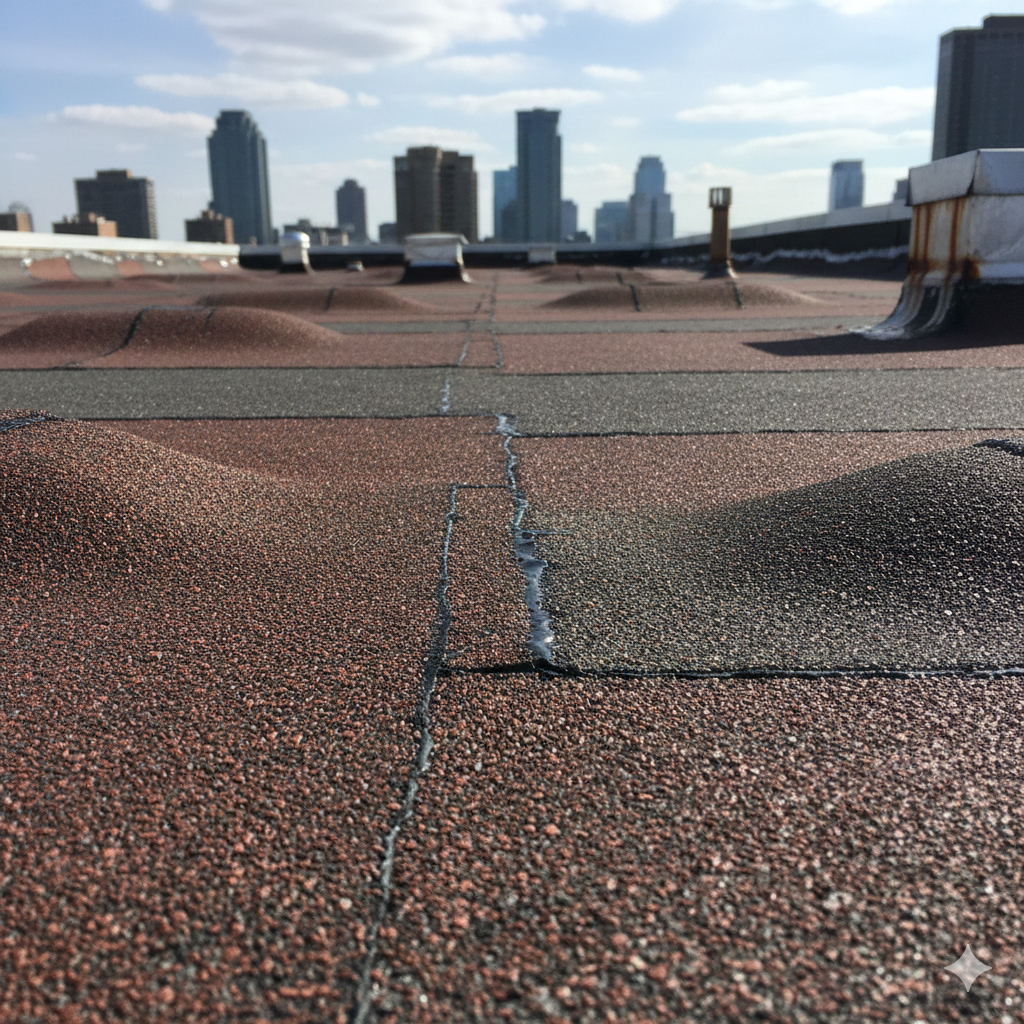
Modified Bitumen Roof: 8 Powerful Reasons to Choose It
A modified bitumen roof remains one of the most reliable solutions for flat and low-slope structures, combining durability, flexibility, and long-term weather resistance. Many commercial and residential property owners choose this system because it offers consistent performance in harsh climates, is relatively affordable, and can be installed using several methods depending on the project needs. This full guide explains what a modified bitumen roof is, how it works, how to install it, how much it costs, how long it lasts, and whether it’s the right choice for your property.
1-What Is a Modified Bitumen Roof?
A modified bitumen roof is a multi-layer roofing system made from asphalt that has been chemically enhanced with modifiers such as APP (Atactic Polypropylene) or SBS (Styrene-Butadiene-Styrene). These modifiers improve elasticity, UV protection, and resistance to extreme temperatures.
This roofing system typically includes:
- A base sheet
- A reinforced membrane
- A cap sheet
- Optional coatings or granules for extra protection
Its layered structure provides superior waterproofing and resilience, making it ideal for flat roofs exposed to heavy rainfall, UV rays, or foot traffic.
2-How to Install a Modified Bitumen Roof
Modified bitumen roofs can be installed using different application methods depending on budget, building structure, and climate.
1. Torch-Down Application
The membrane is heated with a roofing torch to bond it to the substrate.
✔ Highly durable
✔ Excellent waterproofing
2. Cold-Applied System
Adhesives are used instead of heat.
✔ Safer installation
✔ Ideal for buildings where open flame is restricted
3. Self-Adhered Membranes
These sheets come with a peel-and-stick backing.
✔ Simple installation
✔ Reduced labor cost
4. Hot Asphalt Application
Uses heated asphalt to adhere layers.
✔ Strong bond
✔ Traditional method used on many large commercial roofs
Each installation method must be performed by trained professionals to ensure proper adhesion, drainage management, and long-term performance.
3-How Much Does a Modified Bitumen Roof Cost?
The cost varies by region, installation method, membrane quality, and labor.
Average cost:
$4 to $8 per square foot installed
Influencing factors:
- Thickness of the membrane
- Type of modifier (APP or SBS)
- Number of layers
- Use of coatings or granules
- Accessibility of the roof
A larger commercial roof may receive lower cost per square foot due to economies of scale.

4-How Long Does a Modified Bitumen Roof Last?
A properly installed modified bitumen roof lasts between 20 and 30 years.
Lifespan depends on:
- Roof maintenance frequency
- Exposure to severe weather
- Foot traffic on the roof
- Quality of original installation
Applying a reflective coating can extend lifespan by 5–10 years and reduce heat absorption.
5-Advantages of a Modified Bitumen Roof
Strengths
✔ Highly durable — resists punctures, tears, and cracks
✔ Excellent waterproofing — ideal for rainy climates
✔ Flexible in extreme temperatures
✔ Multiple installation methods
✔ Low maintenance needs
✔ Energy-efficient when coated
✔ Cost-effective for large flat roofs
6-Challenges of a Modified Bitumen Roof
Despite its benefits, there are some drawbacks to consider:
✘ Requires professional installation
✘ Torch-down method poses fire risk
✘ May need periodic coatings to maintain reflectivity
✘ Limited aesthetic options compared to shingles
✘ Not ideal for steep-slope roofs
7-How to Maintain a Modified Bitumen Roof
Short, actionable steps:
- Inspect twice per year
- Clean debris regularly
- Check seams and flashing
- Apply protective coatings when needed
- Ensure drainage systems remain clear
Routine maintenance helps maximize lifespan and reduce repair costs.
8-FAQ – Modified Bitumen Roof
- 1. Is a modified bitumen roof good for commercial buildings?
- Yes. Its durability and layered construction make it highly suitable for commercial flat roofs.
- 2. Can homeowners use it?
- Absolutely. Many modern residential designs include flat or low-slope sections where this system performs exceptionally well.
- 3. Which is better: APP or SBS?
- APP offers superior UV protection, while SBS provides flexibility in cold climates. The best choice depends on weather conditions.
- 4. How long does installation take?
- Most roofs are completed in 1–3 days, depending on size and method.
- 5. Can you repair it?
- Yes. Small cracks or blisters can be easily patched by a roofing professional.
- 6. Does the roof need coating?
- Coatings are optional but recommended to improve reflectivity, waterproofing, and longevity.
Conclusion
A modified bitumen roof remains a highly dependable option for anyone seeking a strong, budget-friendly, and long-lasting roofing solution for flat or low-slope designs. Its versatility, ease of repair, and reliable waterproofing make it a top choice for both residential and commercial buildings. With proper installation and routine maintenance, it offers decades of performance and remarkable value.
Other Resources
Other Helpful Guides
-
Roofing COP – Roof Coating Sprayer Guide – How sprayers work, installation tips, and cost overview.
-
Roofing COP – Roofing Shingles Benefits & Costs – Pros, cons, and pricing factors for shingle roofs.
-
Roofing COP – Roof Leak Repairs – Common causes of leaks and repair solutions.