
Roof Rats Guide: Tips for a Safe Home

Roof Rats: Scary Facts You Must Know Now
Homeowners often face a variety of pest issues, but few are as destructive and agile as rodents that specialize in high-ground invasion. If you hear scratching noises above your ceiling at night, you might be dealing with a specific type of intruder. These pests are excellent climbers and prefer nesting in the upper parts of structures. Understanding the behavior of these animals is crucial for maintaining a safe and sanitary living environment. Ignoring the signs can lead to significant structural damage and health risks.
In this comprehensive guide, we will explore everything you need to know about this specific rodent problem. From identification to removal, and from costs to prevention, we cover it all. Whether you are looking for professional help or DIY solutions, this article provides the necessary insights to protect your property.
What Is a Roof Rat Infestation?
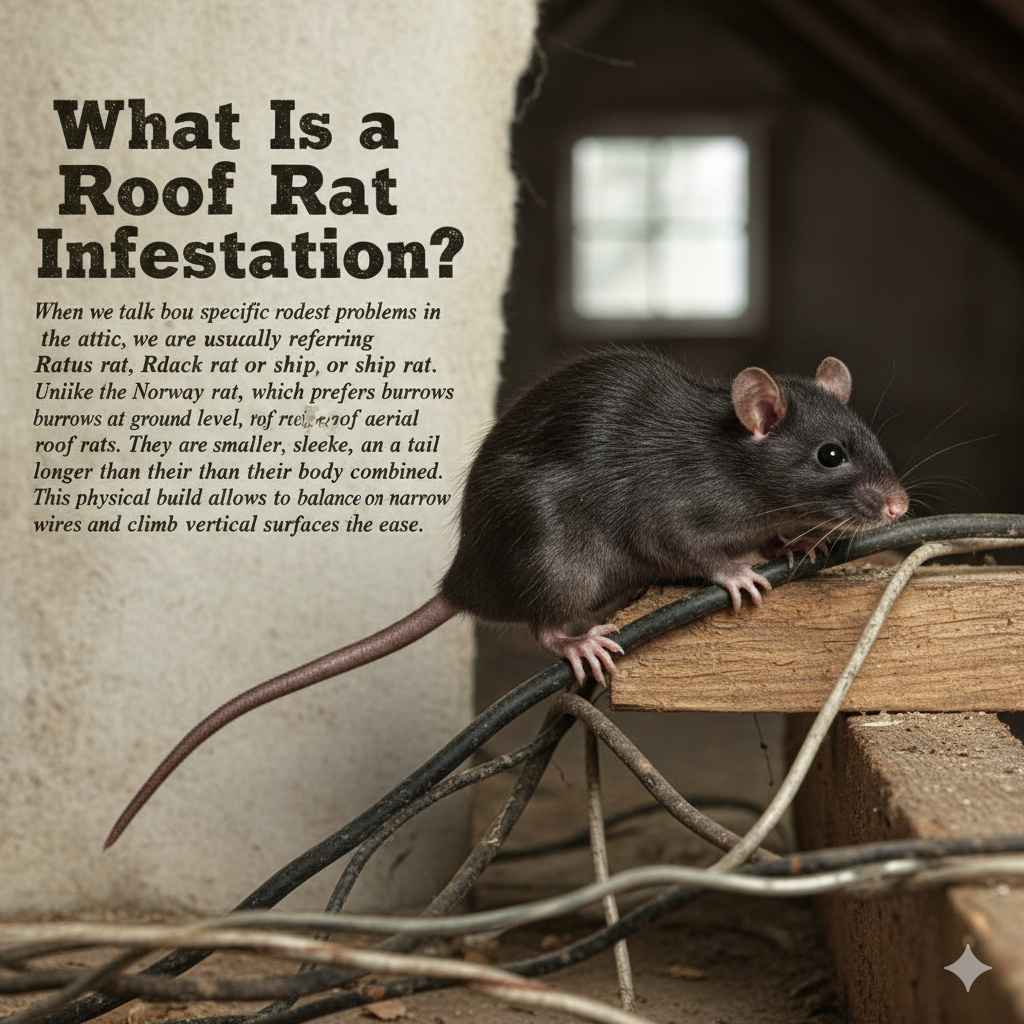
When we talk about specific rodent problems in the attic, we are usually referring to Rattus rattus, also known as the black rat or ship rat. Unlike the Norway rat, which prefers burrows at ground level, roof rats are aerial acrobats. They are smaller, sleeker, and possess a tail longer than their head and body combined. This physical build allows them to balance on narrow wires and climb vertical surfaces with ease.
An infestation occurs when these rodents find an entry point into your home’s upper levels. They are drawn to warmth, shelter, and food sources. Once inside, they reproduce rapidly, creating a colony that can destroy insulation and chew through electrical wiring. Identifying them early is key. They typically have large ears and a pointed nose, distinguishing them from their chunkier, ground-dwelling cousins.
How to Find Entry Points
Locating where these pests are entering is the first step in remediation. Because they are climbers, you must look up. Start by inspecting the roofline, eaves, and soffits. Roof rats can squeeze through holes as small as a quarter.
-
Check the Fascia: Look for rotting wood or gaps where the roof meets the walls.
-
Inspect Vents: Roof vents and attic fans are common entryways if the screening is damaged.
-
Tree Limbs: Overhanging branches act as bridges. If trees touch your house, pests have a direct highway to your roof.
Inside the attic, look for rub marks. These are greasy smudges left by the oils on their fur as they squeeze through tight spaces. You may also find droppings, which are spindle-shaped and pointed at the ends. Using a flashlight, scan the insulation for trails or tunnels.
How to Install Exclusion Barriers
Once you have identified the entry points, you must seal them to prevent roof rats from returning. This process is known as exclusion. It is a critical step that must be done correctly to be effective.
-
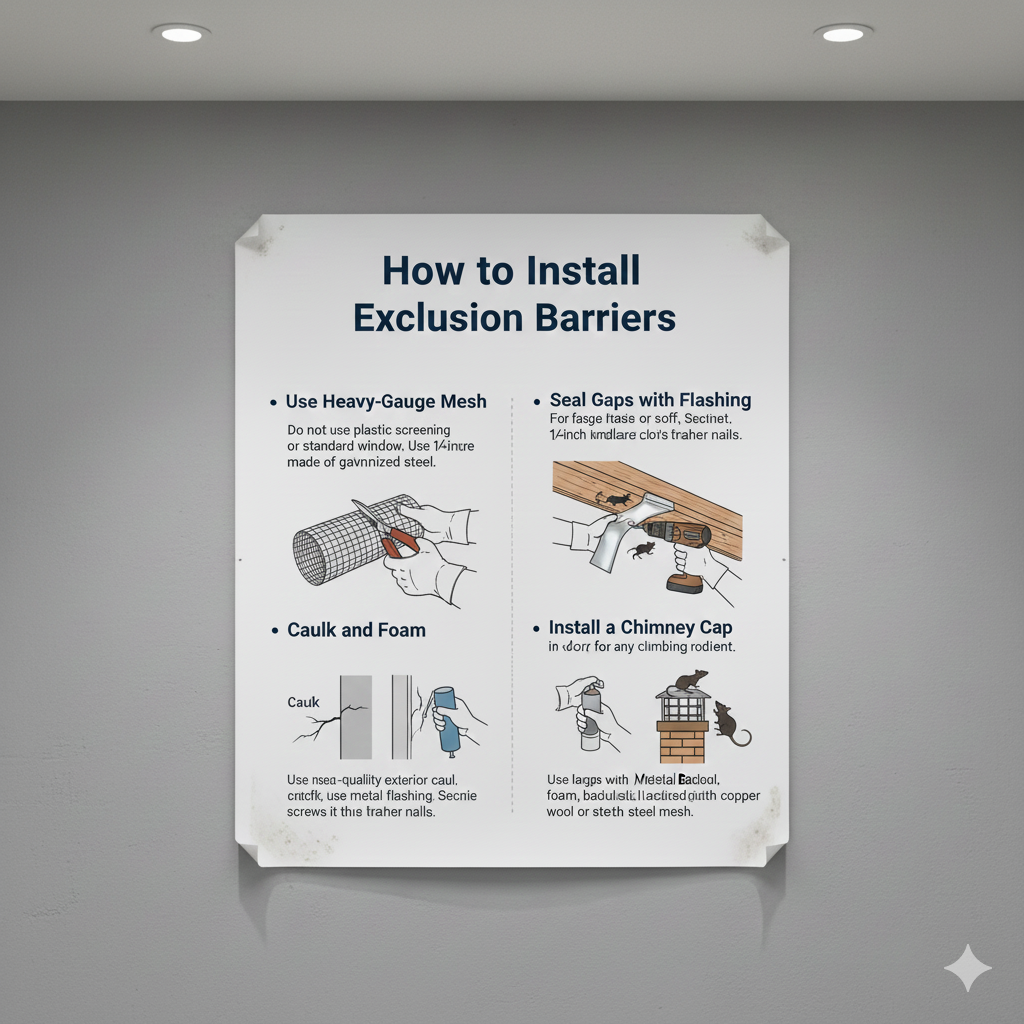
Use Heavy-Gauge Mesh: Do not use plastic screening or standard window screen. These rodents can chew right through it. Use 1/4-inch hardware cloth made of galvanized steel.
-
Seal Gaps with Flashing: For larger holes in the fascia or soffit, use metal flashing. Secure it with screws rather than nails to ensure it stays in place.
-
Caulk and Foam: Use a high-quality exterior caulk for small cracks. For larger gaps around pipes, use expanding foam, but always back it with copper wool or steel mesh. The metal prevents them from chewing through the foam.
Installing a chimney cap is also essential. An open chimney is an inviting open door for any climbing rodent looking for a warm place to nest.
How to Buy Traps and Bait
When shopping for supplies to combat roof rats, you will encounter a wide variety of options. Physical traps are generally preferred over poisons for residential use. Poisons can cause the rodent to die inside a wall cavity, leading to terrible odors.
Snap Traps: These are the most traditional and effective tools. When buying snap traps, ensure they are sized for rats, not mice. A mouse trap will not kill a rat and may only injure it. Look for traps with an expanded trigger pedal.
Electronic Traps: These traps use a high-voltage shock to kill the rodent instantly. They are more expensive but are easier to empty and safer around pets if the entrance is designed correctly.
Live Traps: If you prefer a humane approach, you can buy cage traps. However, you must have a plan for releasing the animal far away from your home, or it will simply return.
How to Clean After an Infestation
Cleaning up after roof rats is a hazardous task that requires protective gear. Their droppings and urine can carry diseases like Hantavirus, Leptospirosis, and Salmonella. Never sweep or vacuum dry droppings, as this releases dangerous particles into the air.
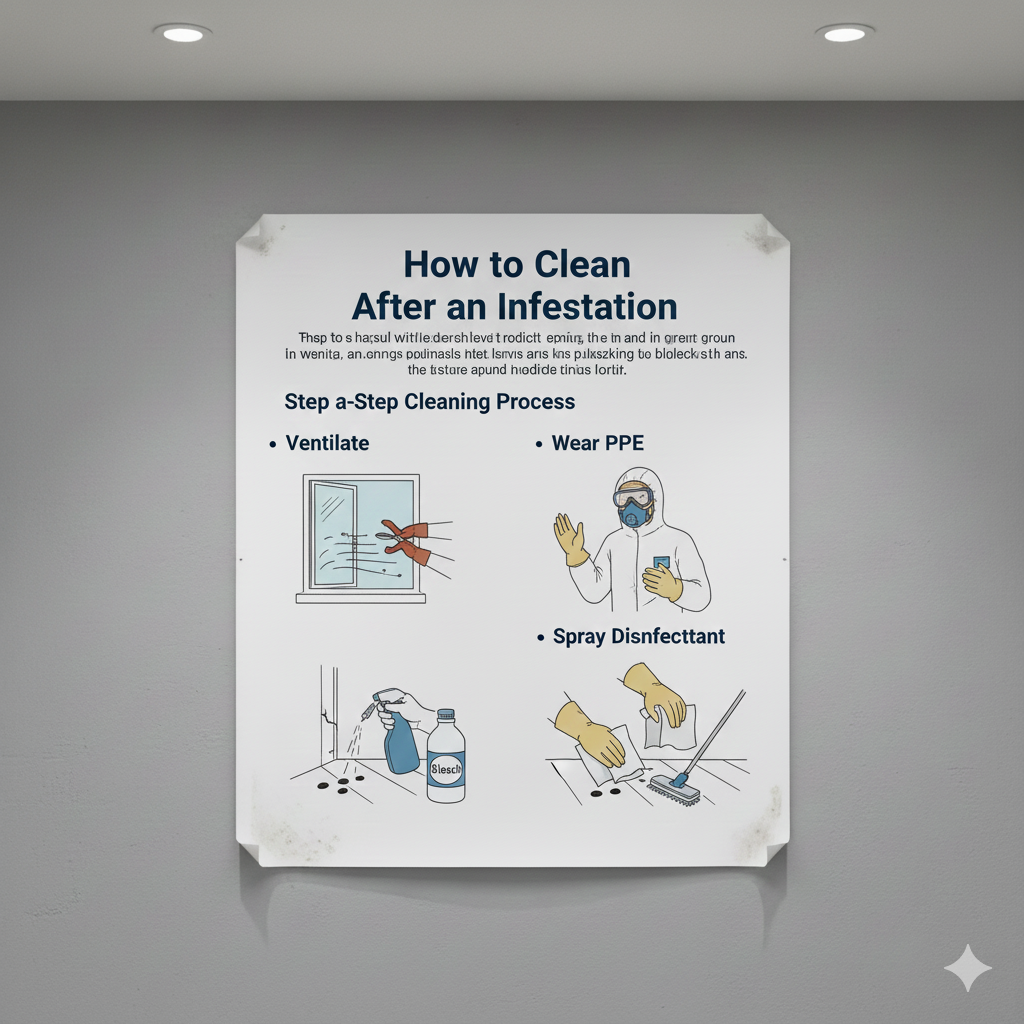
Step-by-Step Cleaning Process:
-
Ventilate: Open all windows and doors in the area for at least 30 minutes before starting.
-
Wear PPE: Put on rubber gloves, a mask (N95 or better), and protective eyewear.
-
Spray Disinfectant: Soak the droppings and urine stains with a commercial disinfectant or a mixture of bleach and water (1 part bleach to 9 parts water). Let it sit for 5 minutes.
-
Wipe Up: Use paper towels to pick up the waste and dispose of it in a plastic bag.
-
Sanitize: Mop or sponge the entire area with the disinfectant solution.
Dispose of all gloves and waste bags in an outdoor trash bin immediately. Wash your hands thoroughly with soap and warm water afterwards.
What Is the Cost of Professional Removal?
If the infestation is severe, you may need to hire professionals. The cost to get rid of roof rats varies significantly based on the size of the home and the extent of the problem.
On average, a professional inspection can cost between $100 and $300. This fee is often waived if you purchase their services. The actual removal process, including trapping and exclusion, typically ranges from $300 to $600 for a minor issue.
For severe infestations involving attic restoration, the price can skyrocket. If the insulation is heavily soiled with urine and feces, it must be removed and replaced. This service can cost anywhere from $1,500 to over $4,000. While this seems expensive, it is often covered by homeowners insurance if the damage was sudden and accidental, though maintenance issues are usually excluded.
Advantages and Challenges Connected to Roof Rats
It is difficult to find “advantages” regarding pests, but studying roof rats provides biological insights. They are incredibly intelligent and adaptable survivors. Their agility allows them to thrive in urban environments where ground space is limited. In a laboratory setting, their intelligence makes them subjects for behavioral studies, although the Norway rat is more commonly used.
The Challenges:
-
Disease Transmission: They are vectors for numerous diseases that affect humans and pets.
-
Fire Hazard: Their tendency to chew on electrical wires creates a significant fire risk in attics.
-
Structural Damage: They can gnaw through wood, lead pipes, and uncured concrete.
-
Noise: The nocturnal scratching and running sounds can cause sleep deprivation for homeowners.
-
Reproduction: A female can produce up to 40 offspring in a year, meaning a small problem becomes a major crisis very quickly.
Special Section: Deep Dive into the Rodent
We need to look closer at specific aspects of this pest to truly understand the threat.
1: How to get rid of roof rats
To effectively eliminate these pests, you must employ a multi-faceted approach. Sanitation is the first line of defense; remove food sources like fallen fruit in the yard and secure garbage cans. Next, trim tree branches back at least 6 to 8 feet from the roofline to cut off their access. Place snap traps along the rafters and near entry points, baiting them with dried fruit or nuts, which they prefer over cheese. Be patient, as these rodents are neophobic, meaning they are afraid of new objects. It may take a few days for them to approach a trap.
2: What is a roof rat
Scientifically named Rattus rattus, this rodent is an Old World rat that originated in Southeast Asia. It is smaller than the sewer rat but more agile. They prefer tropical and subtropical climates, making them common in coastal states. They are distinguished by their large eyes, large ears, and a tail that is longer than the rest of their body. They are strictly nocturnal and highly social, often living in colonies.
3: Are roof rats dangerous
Yes, they pose significant physical and health dangers. Physically, they compromise the integrity of a home by chewing through structures and wiring. Health-wise, they transmit pathogens through their droppings, urine, and bites. Ectoparasites like fleas and mites living on the rats can also transfer diseases to humans and pets.
4: Giant roof rats
While stories of “giant” rats often circulate, roof rats generally do not grow to the massive sizes of Nutria or large Norway rats. An adult typically weighs between 5 and 10 ounces and measures 16 to 18 inches including the tail. Reports of “giant” versions are usually misidentifications of other wildlife or the larger Norway rat species appearing in an attic.
How Long Does It Take to Remove Them?
Patience is a virtue when dealing with roof rats. Unlike insects that can be sprayed and killed instantly, rodents require a strategic approach. If you are using traps, it typically takes a few days for the rodents to become comfortable enough to approach them.
The timeline also depends on how well you have sealed the house. If exclusion is not performed correctly, new rodents will continue to enter, making the removal process indefinite. Regular monitoring is required even after you think they are gone.
How Much Food Do They Consume?
Understanding the dietary needs of roof rats helps in baiting them effectively. These animals are omnivores, but they have distinct preferences compared to other rodents. They are primarily vegetarians, preferring fruits, nuts, seeds, and berries.
-
Daily Intake: An adult rat consumes about 0.5 to 1 ounce of food per day.
-
Water Needs: They require up to 1 ounce of water daily, which is why they are often found near leaky pipes or A/C condensation lines.
Because they consume relatively small amounts, they often hoard food. You might find stashes of nuts, dog food, or citrus rinds hidden in your attic insulation. This hoarding behavior attracts insects and creates additional sanitation issues. When baiting traps, use peanut butter, dried fruit, or nuts tied to the trigger to encourage them to interact with the device.
How to Do a Monthly Inspection
Prevention is always cheaper than a cure. Performing a monthly inspection of your home’s exterior and attic can save you thousands of dollars. You do not need to be a professional to spot the early warning signs of roof rats.
Exterior Checklist:
-
Walk the perimeter and look for new gaps in the siding or foundation.
-
Check the roofline from the ground with binoculars for damaged fascia.
-
Ensure that all vent screens are intact.
-
Monitor vegetation growth and trim back any branches reaching toward the house.
Interior Checklist:
-
Pop your head into the attic and sniff for the smell of ammonia (urine).
-
Listen for scratching sounds.
-
Look for disturbed insulation.
-
Check storage boxes for chew marks.
Regular vigilance ensures that if a breach occurs, you catch it before a full colony establishes itself.
FAQ : Roof rats
What is the best bait for roof rats?
Dried fruits, nuts, berries, and peanut butter are the most effective baits because these mimic their natural diet in the wild.
Can roof rats climb up a wall?
Yes, they are excellent climbers and can scale rough exterior walls like stucco, brick, and wood siding with ease to reach the roofline.
Do roof rats bite people while sleeping?
While rare, it is possible. If the population is high and food is scarce, they may venture into living spaces and bite humans, usually on exposed extremities.
How do I know if I have mice or rats?
Look at the droppings. Mouse droppings are small like rice grains, while rat droppings are larger, about half an inch long, and spindle-shaped.
Will lights in the attic keep them away?
Strobe lights or constant lighting may deter them temporarily, but they usually adapt to the light and will eventually ignore it.
Does peppermint oil work?
Peppermint oil is a weak deterrent. While they dislike the smell, it evaporates quickly and is rarely enough to drive an established infestation out of a home.
Conclusion
Dealing with a rodent infestation is a stressful experience for any homeowner. The presence of roof rats threatens the safety, sanitation, and structural integrity of your house. By understanding their habits—how they climb, what they eat, and where they nest—you can take effective steps to remove them.
From installing heavy-gauge mesh barriers to selecting the right snap traps, every step matters. Whether you choose to handle the problem yourself or hire a professional, the key is to act fast. These pests reproduce quickly, and a small noise in the attic can turn into a major disaster in a matter of weeks. Remember to focus on exclusion; blocking their entry points is the only way to ensure they do not return. With diligence, patience, and the right techniques, you can reclaim your home and keep it rat-free.
🔧 Other Resources
• Wikipedia – Black Rat – Reference article providing biological and behavioral information about the black rat species.
• PestWorld – Roof Rats – Pest control guide explaining roof rat identification, habits, and risks.
• UC ANR – Roof Rats – Integrated pest management resource detailing roof rat behavior and control methods.
• Orkin – Roof Rats – Pest control information page describing roof rats and common prevention strategies.
🔎 Other Helpful Articles
• Roofing Quotation – Educational article explaining how roofing quotations are structured and reviewed.
• Roof Replacement Cost – Informational guide outlining factors that influence roof replacement costs.
• Flat Roof Repair – Technical article describing common flat roof repair methods and issues.