
roof ridge vent: Powerful Benefits
Roof Ridge Vent: Great Installation Facts
Proper attic ventilation is the unsung hero of a healthy home. While many homeowners focus on the aesthetic appeal of their shingles or the color of their siding, the real work happens underneath. Specifically, the ventilation system dictates how well your home breathes. Without it, heat builds up, moisture accumulates, and structural damage eventually follows. This is where a high-quality roof ridge vent becomes indispensable.
A roof ridge vent serves as the primary exhaust point for hot, stale air trapped in your attic. By utilizing natural convection, it allows warm air to rise and escape at the highest point of your house. When paired with soffit vents, which bring in cool, fresh air, you create a continuous cycle of airflow. This simple yet effective mechanism can drastically reduce cooling costs in the summer and prevent ice dams in the winter.
Understanding the mechanics of a roof ridge vent is crucial for anyone looking to replace a roof or improve energy efficiency. It is not just a plastic or metal strip; it is a vital component of the building envelope. Throughout this guide, we will explore everything you need to know about this system, from installation to maintenance, ensuring your home remains comfortable and protected for years to come.
What Is a Roof Ridge Vent?
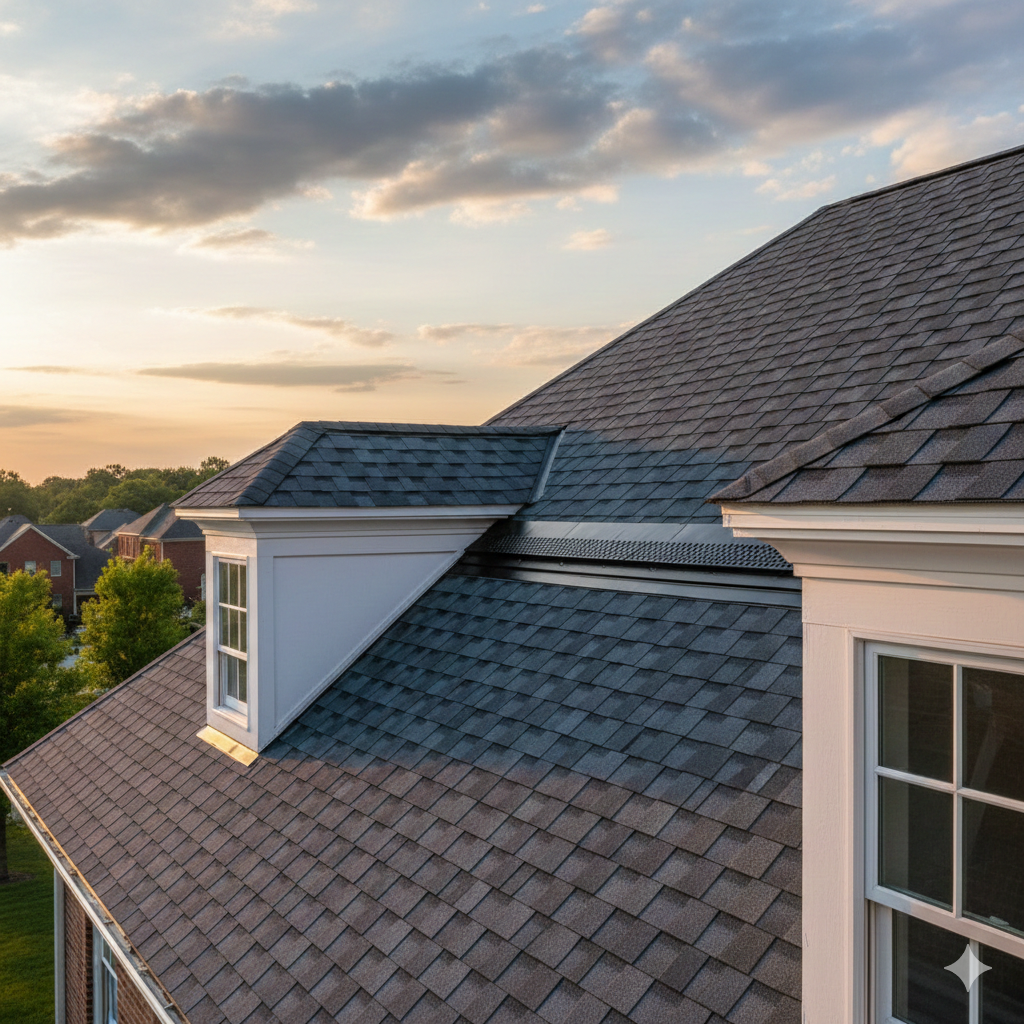
A roof ridge vent is a type of exhaust ventilation system installed along the peak, or ridge, of a sloped roof. Unlike box vents or turbines that are placed sporadically on the roof deck, this continuous vent runs the entire length of the horizontal ridge. It is covered by shingles or a metal cap, making it nearly invisible from the ground while maintaining a sleek roofline.
The primary function of a roof ridge vent is to facilitate the exchange of air. In the summer, attics can reach blistering temperatures, often exceeding 150 degrees Fahrenheit. This heat radiates down into living spaces, forcing air conditioners to work harder. In winter, warm air from the home leaks into the attic, causing condensation on cold surfaces. This moisture leads to mold growth and rotting wood.

How to Find the Right Product
Finding the correct roof ridge vent requires understanding your specific roof type and ventilation needs. Not all vents are created equal. Some are designed for asphalt shingles, while others are specifically engineered for metal or tile roofs. You must first measure the length of your roof peak to determine how much linear footage you need.
Start by visiting local hardware stores or specialized roofing supply distributors. Physical stores allow you to inspect the material quality. Look for a roof ridge vent that includes an external baffle. A baffle deflects wind over the vent, creating an area of low pressure that pulls air out of the attic more effectively. Without a baffle, strong winds can actually push air back into the attic, disrupting the airflow.
Online marketplaces are also excellent resources for finding a wide variety of brands. When searching online, check customer reviews regarding durability and ease of installation. Pay attention to the net free area (NFA) rating, which indicates how much airflow the vent permits. A higher NFA generally means better ventilation, provided you have adequate intake ventilation to match it.
How to Buy Smartly
When you decide to buy a roof ridge vent, quality should be your top priority. Cheaper models often lack internal weather filters, which keep rain, snow, and insects out of the attic. Investing in a premium product might cost slightly more upfront but will save you money on repairs down the line.
Consider the material of the roof ridge vent. Most modern vents are made from durable, high-impact polymers that resist cracking in extreme temperatures. However, if you have a metal roof, you might need a metal vent to match the thermal expansion properties of the roofing material. Ensure the product comes with long nails and end caps, or check if you need to purchase those separately.
2. Verify compatibility: Ensure the vent width matches your ridge cap shingles (usually 12 inches).
3. Compare bulk pricing: If you are roofing a large house, buying in bulk boxes is often cheaper than buying individual
4-foot sections.
How Much Does It Cost?
The price of a roof ridge vent varies based on the material, brand, and design features. Generally, these vents are sold in rigid 4-foot sections or flexible rolls ranging from 20 to 50 feet. A standard 4-foot rigid plastic section typically costs between $10 and $20. Therefore, a 40-foot ridge would require roughly $100 to $200 in materials alone.
Flexible rolls can be slightly more economical, costing around $40 to $60 for a 20-foot roll. However, rigid vents often provide a cleaner look and better airflow. High-end aluminum or specialized filter vents will be at the higher end of the price spectrum.
Labor is another factor if you are not installing it yourself. A professional roofer might charge between $400 and $600 to install a roof ridge vent on an existing roof. This price includes removing the old ridge caps, cutting the deck slot, installing the vent, and re-shingling. If the installation is part of a total roof replacement, the line-item cost for the vent is usually negligible compared to the total project.
How Long Does Installation Take?
The time required to install a roof ridge vent depends heavily on whether it is a new installation or a retrofit. For a new roof where the deck is already prepared, a professional crew can install the vent and cap shingles in usually less than two hours. It is a straightforward process of nailing down the vent and covering it.
Retrofitting an existing roof takes longer. The roofer must carefully remove existing cap shingles without damaging the surrounding shingles. Then, they must cut a slot in the wood decking on either side of the ridge beam. This process generates debris and requires precision.
How to Install a Roof Ridge Vent
Installing a roof ridge vent is a manageable project for experienced DIYers, but it requires adherence to specific steps to ensure weatherproofing. Before starting, ensure you have the necessary tools: a circular saw, chalk line, hammer, utility knife, and roofing nails. Safety harnesses are mandatory when working on a roof.
First, remove the old cap shingles along the ridge. Once the wood deck is exposed, snap a chalk line on both sides of the ridge beam. Usually, you need to cut about 1 inch of wood from each side of the peak, creating a 2-inch wide slot. Do not cut through the ridge beam (truss) itself; only cut the plywood decking. Stop the cut about 6 inches from the end walls or chimneys.
Next, place the roof ridge vent over the slot. Center it carefully. Fasten the vent to the deck using the nails provided, following the manufacturer’s nailing pattern. Ensure the ends are capped or sealed to prevent pests from entering. Finally, install new ridge cap shingles over the vent. Use longer roofing nails to penetrate through the shingle, the vent, and into the wood deck below.

Specific Variations and Systems
When exploring ventilation, you will encounter various terms and specific product types. Understanding these nuances helps in selecting the best system for your home.
Metal Roof Ridge Vent
A metal roof ridge vent is specifically designed for metal roofing systems. Unlike shingle roofs, metal roofs expand and contract significantly with temperature changes. These vents are often made of matching steel or aluminum and feature a unique profile to fit under the ridge cap of standing seam or corrugated panels. They are robust and fire-resistant.
Roof Peak Vent
The term roof peak vent is often used interchangeably with ridge vent. It refers to the location of the exhaust point. Placing the vent at the absolute peak ensures that the hottest air, which naturally rises to the highest point, has an immediate escape route. This efficiency makes the peak vent superior to gable vents located on the side walls.
What Is a Ridge Vent on a Roof?
If someone asks, “what is a ridge vent on a roof?”, the simplest answer is that it is a “lid” for your house that stays open. It is a covered gap running along the top spine of the roof. It is the most efficient passive ventilation device available because it utilizes the entire length of the roof for exhaust, rather than isolated spots.
Roof Ridge Vent System
A roof ridge vent system is not just the exhaust vent itself; it is the combination of the ridge vent and the intake vents (soffits). For the ridge vent to work, it must have intake air. Without soffit vents, the ridge vent acts like a straw in a sealed cup—no air will move. A balanced system has equal amounts of intake and exhaust ventilation.
How to Clean and Maintain
Maintenance is key to the longevity of your roof ridge vent. Over time, airborne dust, pollen, and spider webs can clog the external screen or internal filter. If the vent becomes clogged, the attic will overheat, negating the purpose of the installation.
To clean the vent, you generally do not need to remove the shingles. Use a soft-bristled brush or a leaf blower to clear debris from the exterior slots. If you have trees overhanging the roof, pine needles and leaves are common culprits that block airflow. Trim back branches to reduce debris accumulation.
What Is the Cost of Neglect?
Ignoring the need for a roof ridge vent or failing to maintain an existing one carries a high financial cost. The primary cost is energy inefficiency. When an attic traps heat, your air conditioning unit runs longer and harder, leading to higher monthly utility bills and premature HVAC failure.
The secondary cost involves structural damage. In winter, warm, moist air from the house rises into a poorly ventilated attic. This moisture condenses on the cold roof sheathing. Over time, this leads to wood rot, compromising the structural integrity of the roof deck. It also creates a perfect environment for mold, which can pose health risks to the inhabitants.
Furthermore, shingle manufacturers often void warranties if the roof does not have adequate ventilation. If your shingles blister or curl prematurely due to excessive heat, you might have no recourse if a proper roof ridge vent was not installed. The cost of a new roof far exceeds the cost of installing proper ventilation.
Advantages and Challenges
There are distinct advantages to using a roof ridge vent compared to other ventilation methods. The aesthetic appeal is a major plus; they are low-profile and blend seamlessly with the roof. They provide continuous airflow along the entire roof deck, preventing hot spots that can occur with spot vents. They are also silent, unlike power fans that can hum or vibrate.
However, challenges exist. Installation on complex rooflines with hips and valleys can be difficult, as the ridge length may be insufficient to provide enough exhaust. In regions with heavy snowfall, a roof ridge vent without a baffle can sometimes get covered by snow, temporarily blocking airflow. Additionally, if not installed with a filter, they can allow wind-driven rain to enter the attic during severe storms.
Despite these challenges, the consensus among roofing professionals is that a balanced ridge and soffit system is the most effective passive ventilation solution for the majority of residential homes.

FAQ : Roof ridge vent
Does a roof ridge vent leak during heavy rain?
If installed correctly with proper nails and shingles, a roof ridge vent should not leak. High-quality vents include internal weather filters and external baffles specifically designed to keep wind-driven rain out while still allowing air to flow freely.
Can I use a roof ridge vent with other types of vents?
It is generally recommended not to mix exhaust ventilation types. Using a roof ridge vent alongside gable vents or turbine vents can short-circuit the airflow. Air might enter the gable vent and exit the ridge vent without washing over the lower part of the roof deck, leaving heat trapped near the eaves.
Do I need a roof ridge vent if I have spray foam insulation?
If you have a “hot roof” assembly where spray foam is applied directly to the underside of the roof deck, you typically do not need a roof ridge vent. The attic is sealed and becomes part of the conditioned space. Always consult an insulation expert before altering ventilation in sealed attics.
How do I know if my roof ridge vent is working?
You can perform a simple smoke test. On a calm day, hold a smoke pen or incense stick near the soffit vents; smoke should be drawn in. Then, check the ridge; you shouldn’t necessarily see smoke pouring out fast, but the attic temperature should be noticeably cooler than an unventilated attic on a hot day.
Is a roof ridge vent better than a turbine vent?
Yes, in most cases. A roof ridge vent offers continuous ventilation along the entire peak, whereas turbines only ventilate specific areas. Turbines also rely on wind to spin and can rust or become noisy over time, while ridge vents are static and maintenance-free.
Conclusion
In the realm of home maintenance, few upgrades offer as much value as a properly installed roof ridge vent. It is a component that works silently day and night to protect your biggest investment. By expelling damaging heat and moisture, it extends the lifespan of your shingles, protects the wooden structure of your home, and improves overall energy efficiency.
From understanding the basic mechanics to navigating the costs and installation processes, this guide has covered the essential aspects of roof ventilation. Whether you are dealing with a simple gable roof or a complex architectural design, ensuring you have the right roof ridge vent is critical. It serves as the lungs of your home, and when your home breathes easily, it lasts longer.
Do not overlook the importance of balancing your system. A roof ridge vent is only half of the equation; without adequate intake from soffit vents, the system cannot function. Take the time to inspect your attic, consult with roofing professionals, and invest in quality materials. The comfort of your living space and the durability of your roof depend on it. Make the smart choice today and ensure your home is equipped with the best ventilation possible.
🔧 Other Resources
• GAF – What Is a Ridge Vent – Manufacturer blog article explaining what ridge vents are and when they are used in roofing systems.
• Home Depot – Ridge Vents – Retail category page listing ridge vent products for roof ventilation.
• This Old House – Ridge Vents – Informational guide describing ridge vents and how they function in attic ventilation.
• Reddit Roofing Community – Community discussion about roofing professionals’ recommendations regarding ridge vents.
🔎 Other Helpful Articles
• Roof Vent Cost – Informational article explaining typical costs associated with roof vent installation.
• Roof Vent Cap Installation – Technical guide describing steps to install a roof vent cap.
• Metal Roof Ridge Vent – Educational article outlining ridge vent use on metal roofing systems.