
Roofing Cement: 11 Techniques for Perfect Repairs
Roofing Cement: 11 Essential Secrets Every Homeowner Must Know
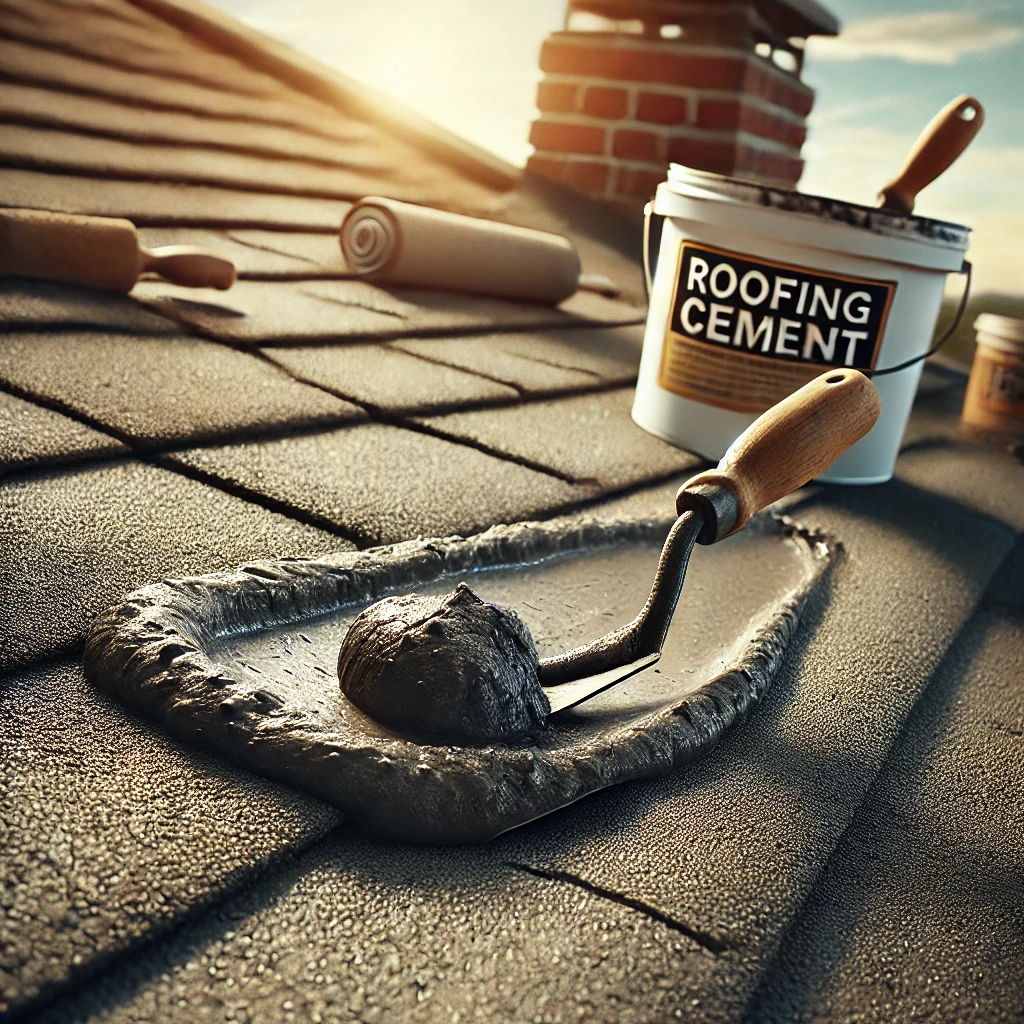
Roofing cement represents one of the most versatile and essential materials in any roofing professional’s toolkit, serving as the go-to solution for countless repair and installation scenarios. This black, sticky, highly viscous substance provides immediate waterproofing capabilities and strong adhesion to multiple roofing surfaces, making it indispensable for emergency repairs and routine maintenance. Whether you’re dealing with minor leaks around flashing or securing loose shingles before a storm, roofing cement delivers reliable performance when properly selected and applied.
The material’s composition typically includes cutback asphalt mixed with mineral stabilizers and reinforcing fibers, formulated to remain workable during application while curing into a durable, weather-resistant seal. Understanding the different types of roofing cement, proper application techniques, and appropriate usage scenarios empowers homeowners and contractors to achieve professional-quality results that withstand challenging weather conditions for years.
What Is Roofing Cement and Its Primary Functions
Roofing cement is an asphalt-based adhesive and sealant specifically formulated for roofing applications, containing approximately 40% to 60% asphalt, 20% to 30% solvent, and 10% to 20% inert mineral fillers. The material also includes 5% to 10% cellulose or fiberglass fibers that provide reinforcement and prevent excessive flow during application. This composition creates a thick, workable consistency that can be easily applied with a trowel or caulking gun while providing excellent adhesion to compatible roofing materials.
The primary functions of roofing cement include:
-
Sealing gaps and cracks in existing roofing materials
-
Adhering flashing around chimneys, vents, and skylights
-
Repairing small holes and damaged shingle sections
-
Bonding rolled roofing materials during installation
-
Providing temporary waterproofing until permanent repairs can be completed
Roofing cement remains soft and workable inside sealed containers, but once exposed to air, the solvents begin evaporating, causing the material to cure into a durable, weather-resistant seal. This curing process typically takes several hours to complete, depending on temperature, humidity, and application thickness.
How to Find Quality Roofing Cement for Your Project
Finding quality roofing cement requires understanding the different formulations available and matching product characteristics to your specific application requirements. Professional-grade products typically contain reinforcing fibers that stabilize the material and prevent sagging on steep slopes, making them superior to economy versions lacking this critical feature. The best roofing cement products clearly list their composition, intended applications, and compatibility with various roofing materials on the label.
When evaluating roofing cement products, consider these factors:
-
Fiber content: Fibered formulations offer superior performance
-
Modification level: Polymer-modified versions provide enhanced durability
-
Compatibility: Verify the product works with your specific roofing material
-
Temperature range: Some formulations perform better in extreme conditions
-
Manufacturer reputation: Established brands typically deliver consistent quality
Professional contractors often prefer polymer-modified roofing cement for critical applications due to its superior flexibility, aging characteristics, and overall performance despite slightly higher costs. The minimal price difference between standard and premium products is easily justified by the enhanced longevity and reliability of polymer-modified formulations.
How to Buy Roofing Cement at Competitive Prices
Purchasing roofing cement involves balancing cost considerations with quality requirements to ensure you receive reliable performance without overpaying for features you don’t need. Roofing cement typically comes in one-gallon containers, three-gallon pails, and five-gallon buckets, with per-gallon costs decreasing as container size increases. Professional roofing supply stores often offer better pricing than retail home improvement centers, particularly for contractor-grade products.
To secure the best value when buying roofing:
-
Calculate total material requirements before shopping
-
Compare per-gallon costs across different container sizes
-
Ask about contractor discounts if purchasing multiple units
-
Check for manufacturer rebates or seasonal promotions
-
Consider buying in bulk with neighbors for volume discounts
-
Verify product shelf life to avoid purchasing expired materials
Standard asphalt-based roofing cement typically costs $15 to $30 per gallon, while premium polymer-modified versions range from $25 to $50 per gallon depending on brand and features. Though polymer-modified products cost more upfront, their superior performance and longevity often make them more economical for permanent repairs and critical applications.
How Much Does Roofing Cement Cost for Various Applications
Understanding Total Project Expenses
The total cost of roofing cement projects varies dramatically depending on the application scope, material selection, and whether you hire professionals or undertake DIY repairs. A typical one-gallon container of quality roofing cement covers approximately 40 linear feet when applied 4 inches wide at 1/8-inch thickness, though actual coverage varies based on surface porosity and application method. For small repairs involving flashing or minor leaks, material costs may represent only $20 to $50 of the total project expense.
Professional roof cement application labor adds significantly to total costs when hiring contractors. Roofers typically charge $45 to $95 per hour for repair work, with simple roofing cement applications taking 30 minutes to 2 hours depending on complexity.
Here’s a cost breakdown for common roofing applications:
-
Flashing repair around chimney: $75 to $250 materials and labor
-
Sealing loose shingles: $100 to $300 for multiple locations
-
Valley repair with reinforcement: $150 to $400 complete
-
Vent pipe flashing replacement: $125 to $350 installed
-
Emergency leak patching: $200 to $500 temporary fix
Material costs for roofing cement remain relatively modest compared to labor expenses and the potential damage costs from unaddressed leaks. Investing in quality roofing cement and proper application techniques prevents minor issues from escalating into major repairs requiring extensive roof work.

How Long Does Roofing Cement Last After Application
Expected Lifespan and Durability Considerations
The longevity of roofing applications depends on multiple factors including product quality, application technique, environmental exposure, and whether the repair serves as a permanent or temporary solution. Standard asphalt-based roof cement typically provides 3 to 7 years of reliable performance when properly applied to compatible materials and protected from extreme UV exposure. Polymer-modified formulations offer significantly extended lifespans, often lasting 10 to 20 years or more in appropriate applications.
Factors affecting roofing cement lifespan include:
-
Product quality: Premium polymer-modified formulations outlast basic products
-
Application thickness: Adequate material depth prevents premature failure
-
Surface preparation: Clean, dry surfaces ensure optimal adhesion
-
UV exposure: Direct sunlight accelerates degradation
-
Temperature extremes: Frequent freeze-thaw cycles reduce effectiveness
Roofing cement used for temporary repairs before comprehensive roof work typically needs replacement within 1 to 3 years as the material deteriorates. Professional contractors often recommend roofing cement as an interim solution while homeowners plan and budget for permanent repairs that address underlying structural issues.
How to Install Roofing Cement: Professional Application Methods
Step-by-Step Application Techniques
Installing roofing cement correctly requires proper surface preparation, appropriate application tools, and adherence to manufacturer specifications to ensure optimal adhesion and longevity. The process begins with thoroughly cleaning the repair area, removing all loose debris, dirt, oil, and deteriorated roofing materials that could prevent proper bonding. The surface must be completely dry before roofing cement application, as moisture trapped beneath the material creates future adhesion failure and accelerates deterioration.
Follow these steps for professional roofing cement application:
-
Clean the surface thoroughly with a wire brush and remove all debris
-
Dry completely ensuring no moisture remains in cracks or gaps
-
Apply primer if specified by the manufacturer for enhanced adhesion
-
Load trowel with adequate roofing cement for the repair area
-
Spread evenly using smooth, consistent pressure to eliminate air pockets
-
Build thickness to at least 1/8 inch for adequate protection
-
Feather edges to create smooth transitions preventing water pooling
-
Allow curing for the time period specified by the manufacturer before exposure
For caulking gun applications, cut the nozzle at a 45-degree angle to create the desired bead width. Apply steady pressure while moving at a consistent speed to achieve uniform coverage. Roofing cement can also be applied by brush for thin coatings or by trowel for thicker applications requiring superior waterproofing.
How to Clean Tools and Surfaces After Using Roofing Cement
Cleaning roofing cement from tools and surfaces requires prompt action before the material cures, as dried asphalt-based products become extremely difficult to remove without solvents. Fresh roofing cement can be wiped from tools using rags soaked in mineral spirits or paint thinner, though these solvents must be used with proper ventilation and safety precautions. The solvent content in roofing cement evaporates quickly once exposed to air, beginning the curing process that makes cleanup progressively more challenging.
For effective roofing cement cleanup:
-
Wipe excess from tools with disposable rags before it begins curing
-
Use mineral spirits to dissolve remaining residue from metal tools
-
Scrub with wire brush to remove stubborn deposits from textured surfaces
-
Rinse with water after solvent cleaning to remove chemical residues
-
Dry thoroughly to prevent rust formation on metal tools
-
Dispose properly of contaminated rags according to local regulations
Roofing cement stains on clothing or skin should be addressed immediately with appropriate solvents or specialized cleaners designed for asphalt removal. Once roofing cement fully cures, mechanical removal becomes the only practical option for most surfaces. Store partially used containers with lids tightly sealed to prevent premature curing of remaining material.
What Is the Cost Comparison: Different Roofing Cement Types
Basic Asphalt Roofing Cement Economics
Standard asphalt-based roof cement represents the most economical option for temporary repairs and non-critical applications where long-term performance isn’t paramount. These products typically cost $15 to $25 per gallon and provide adequate performance for 3 to 5 years when properly applied. Basic formulations work well for emergency repairs, minor flashing touch-ups, and situations where the roofing system will be replaced within several years. The lower cost makes standard roof cement attractive for budget-conscious homeowners addressing immediate leak concerns.
Premium Polymer-Modified Product Pricing
Polymer-modified roof cement commands premium pricing ranging from $25 to $50 per gallon due to its enhanced performance characteristics and extended lifespan. These advanced formulations remain flexible across wider temperature ranges, resist UV degradation more effectively, and maintain adhesion longer than basic products. The 50% to 100% price premium over standard roofing cement is justified by polymer-modified products lasting two to three times longer while providing superior waterproofing performance. Professional contractors prefer polymer-modified roofing cement for permanent repairs, critical flashing installations, and applications where failure would cause significant property damage.
Specialized Formulation Costs
Rubber-based and specialty roofing cement formulations designed for specific applications or roofing materials typically cost $30 to $60 per gallon depending on performance features. These products target niche applications where standard asphalt-based roof cement may not provide optimal compatibility or performance. Cold-weather formulations, rapid-cure versions, and products designed for specific membrane types all command premium pricing reflecting their specialized nature. The additional cost ensures optimal results in challenging applications where standard products might fail.
Long-Term Value Analysis
When comparing roofing cement costs, consider the total lifecycle expense rather than just initial material prices. A $20 gallon of basic roof cement requiring reapplication every 3 years costs more over a 12-year period than a $40 gallon of polymer-modified product lasting 12 years. Factor in labor costs for repeated applications, potential leak damage from premature failure, and the inconvenience of recurring repairs when evaluating true product value. Premium roof cement often represents the most economical choice for permanent repairs despite higher upfront costs.
Advantages and Challenges Connected to Roofing
Evaluating Benefits and Limitations
Primary Advantages of Roof Cement
Roof cement offers exceptional versatility, adhering effectively to asphalt shingles, metal, concrete, masonry, and most traditional roofing materials. The material provides immediate waterproofing capabilities during application, making it ideal for emergency repairs during active leaks or before impending storms. Unlike many roofing products requiring perfect weather conditions, roof cement can be applied in less-than-ideal circumstances, though optimal results require dry surfaces.
The cost-effectiveness of roof cement makes professional-quality repairs accessible to budget-conscious homeowners. A single gallon costing $20 to $40 can address multiple small repairs that might otherwise require expensive contractor visits. The material requires minimal specialized tools or training for basic applications, empowering DIY enthusiasts to handle routine maintenance tasks confidently.
Operational Challenges and Limitations
Despite its advantages, roof cement presents certain limitations that users must understand to avoid inappropriate applications. The material should not be considered a substitute for proper roof replacement when systemic issues exist, as excessive roof cement use often masks underlying problems requiring comprehensive attention.
Compatibility concerns arise with certain roofing materials, particularly synthetic underlayments, flexible PVC, factory-coated metals, and some membrane systems. The solvents in roof cement can damage incompatible materials, making manufacturer consultation essential before application to unfamiliar surfaces. Over-reliance on roof cement for repeated repairs indicates deeper structural issues that require professional assessment rather than continued temporary patching.
Understanding Asphalt Roofing Cement Applications
Asphalt roof cement represents the traditional formulation that has served the roofing industry for decades, consisting primarily of cutback asphalt mixed with mineral stabilizers and reinforcing fibers. This black, viscous material provides reliable adhesion and waterproofing for common roofing applications at an economical price point. The asphalt base creates natural compatibility with asphalt shingles, rolled roofing, and modified bitumen membranes, making it the logical choice for repairs on these materials.
The manufacturing process involves thinning asphalt with petroleum-based solvents to achieve workable consistency, then adding mineral fillers and fibers to enhance performance characteristics. These additives increase the material’s resistance to flow on steep roofs while improving its ability to bridge small gaps and cracks. Professional-grade asphalt roof cement contains between 5% and 10% cellulose or fiberglass fibers that prevent sagging and stabilize the material during curing.
Asphalt roof cement excels at sealing flashing around chimneys and vents, repairing damaged shingles, and bonding patches to existing roofing materials. The material cures through solvent evaporation rather than chemical reaction, typically achieving surface dryness within several hours while reaching full cure over 24 to 48 hours depending on temperature and humidity. This gradual curing allows repositioning during initial application stages if needed.
Exploring Roof Cement Options and Selection
Roof cement encompasses various formulations designed for specific roofing applications and material types, ranging from basic asphalt products to advanced polymer-modified versions. Understanding the distinctions between these categories helps contractors and homeowners select optimal products for their specific needs and budget constraints. The roof cement market includes traditional asphalt-based formulations, rubber-based alternatives offering enhanced flexibility, and premium polymer-modified products delivering superior longevity.
Basic roof cement products prioritize affordability and adequate performance for temporary repairs or non-critical applications. These formulations contain standard asphalt binders with minimal additives, providing reliable short-term waterproofing at the lowest price point. Mid-range roof cement products incorporate reinforcing fibers and improved stabilizers that enhance durability without dramatically increasing costs.
Premium roof cement formulations utilize polymer modification to dramatically improve flexibility, UV resistance, and overall longevity compared to basic products. The polymer additives prevent the brittleness and cracking that plague conventional asphalt-based products, particularly in regions experiencing extreme temperature fluctuations. Professional roofers increasingly specify polymer-modified roof cement for permanent repairs and critical applications where superior performance justifies the price premium.
Cement Roof Tiles: Installation and Maintenance
Cement roof tiles represent a distinct roofing category separate from roof cement, consisting of concrete tiles manufactured specifically for permanent roofing installations. These durable tiles combine portland cement, sand, and water to create solid roofing components offering exceptional longevity and weather resistance. Cement roof tiles typically last 40 to 50 years or more when properly installed and maintained, making them a premium roofing choice for homeowners seeking permanent solutions.
The cost of cement roof tiles ranges from $40 to $120 per square meter depending on quality, style, and finish options. Installation expenses add $50 to $80 per square meter for professional work, bringing total project costs to $7,500 to $15,000 or more for average residential roofs. Despite higher initial costs compared to asphalt shingles, cement roof tiles deliver superior value through extended lifespan and minimal maintenance requirements.
Roof cement plays a critical role in cement tile installations, particularly for sealing ridge caps, securing tiles in high-wind areas, and repairing cracked or damaged tiles. Contractors apply roof cement beneath ridge tiles to prevent water infiltration and use it to seal gaps where tiles meet flashing or penetrations. Repairs to cement roof tiles often involve removing old, failed sealant and applying fresh roof cement to restore waterproof integrity.
Plastic Roof Cement: Modern Formulation Benefits
Plastic roof cement refers to pliable, workable roof cement formulations that remain flexible throughout their service life rather than hardening into rigid seals. This terminology can cause confusion, as “plastic” describes the material’s consistency and working properties rather than indicating polymer or synthetic composition. Professional-grade plastic roof cement combines select asphalt, solvents, and reinforcing fibers to create a tough, all-purpose patching compound suitable for various roofing applications.
The plastic consistency allows roofing cement to accommodate normal building movement and thermal expansion without cracking or losing adhesion. This flexibility proves particularly valuable around flashing, penetrations, and joints where rigid sealants would fail from repeated stress cycles. Plastic roof cement maintains its pliability across wide temperature ranges, preventing the brittleness that causes traditional products to crack during cold weather.
Quality plastic roof cement products utilize fiber reinforcement to enhance stability and prevent excessive flow on steep roofs. The fibers—typically cellulose or fiberglass—increase the material’s resistance to sagging while improving its ability to bridge gaps and fill voids. Contractors prefer fibered plastic roof cement for applications requiring substantial thickness or exposure to foot traffic during installation.

Frequently Asked Questions
What exactly is roofing cement and when should I use it on my roof?
Roofing cement is a thick, asphalt-based adhesive and sealant formulated specifically for roofing repairs and installations, containing asphalt, solvents, mineral fillers, and reinforcing fibers. You should use roof cement for repairing small holes and cracks, sealing flashing around chimneys and vents, securing loose shingles, and bonding roofing materials. It’s ideal for emergency repairs and temporary fixes but should not replace proper roof replacement when systemic problems exist.
How do I choose between regular and polymer-modified roofing cement for my project?
Choose regular asphalt-based roofing cement when working with tight budgets on temporary repairs or projects where the roof will be replaced within a few years. Select polymer-modified roof cement for permanent repairs, critical applications, extreme weather conditions, or situations where superior flexibility and longevity justify higher costs. Consider factors like climate conditions, expected repair lifespan, compatibility with existing materials, and whether you’re performing temporary or permanent work.
Can I apply roof cement myself or should I hire a professional roofer?
DIY roof cement application is possible for simple repairs like sealing small leaks, securing loose shingles, or minor flashing work if you have basic home improvement skills and proper safety equipment. However, hire professional roofers for complex repairs, extensive damage, steep roofs requiring specialized equipment, or situations where improper application could cause significant property damage. Professionals ensure proper surface preparation, adequate material application, and adherence to building codes.
How long does roof cement last after I apply it to my roof?
Standard asphalt-based roof cement typically lasts 3 to 7 years when properly applied to compatible surfaces and protected from extreme UV exposure. Polymer-modified formulations offer significantly extended lifespans of 10 to 20 years or more, justifying their higher costs for permanent repairs. Longevity depends on product quality, application thickness, surface preparation, UV exposure, temperature extremes, and whether the repair serves as temporary or permanent solution.
How much roof cement do I need for my repair project?
One gallon of roof cement covers approximately 40 linear feet when applied 4 inches wide at 1/8-inch thickness, though actual coverage varies based on surface porosity and application method. For small repairs involving flashing or minor leaks, one gallon typically suffices for multiple applications. Calculate material requirements by measuring the linear feet of repairs needed and accounting for recommended thickness specifications, then purchase 10% to 20% extra to accommodate waste and unexpected additional repairs discovered during the project.
Conclusion
Roofing cement stands as an essential material for maintaining and repairing roofing systems, offering versatile solutions for everything from emergency leak repairs to permanent flashing installations. Understanding the different roof cement formulations—from basic asphalt-based products to premium polymer-modified versions enables informed decisions that balance cost considerations with performance requirements.
🛠️ Other Resources
Explore these trusted resources to learn more about roof cement, patch materials, and when to use them safely:
-
Home Depot – Roof Cement – Wide selection of roof cements for repairs and flashing.
-
Roofr – When to Use Roof Cement – Expert guidance on when roof cement is helpful—and when it can cause issues.
-
Home Depot – Roofers Choice Cement Caulk – Easy-apply roof cement for small cracks, leaks, and patches.
-
Tropical Roofing Products – Rubberized Flashing Cement – High-performance, all-weather flashing and repair cement.
🔎 Other Helpful Articles
-
Rubber Roofing – Overview of EPDM and rubber roofing systems.
-
Roll Roofing Installation – Step-by-step guide to installing roll roofing.
-
Roofing Felt Paper – Understanding felt underlayment and its uses.