
Stone Coated Metal Roofing: 1 Powerful Guide
Stone Coated Metal Roofing: 1 Powerful Guide to Everything You Must Know
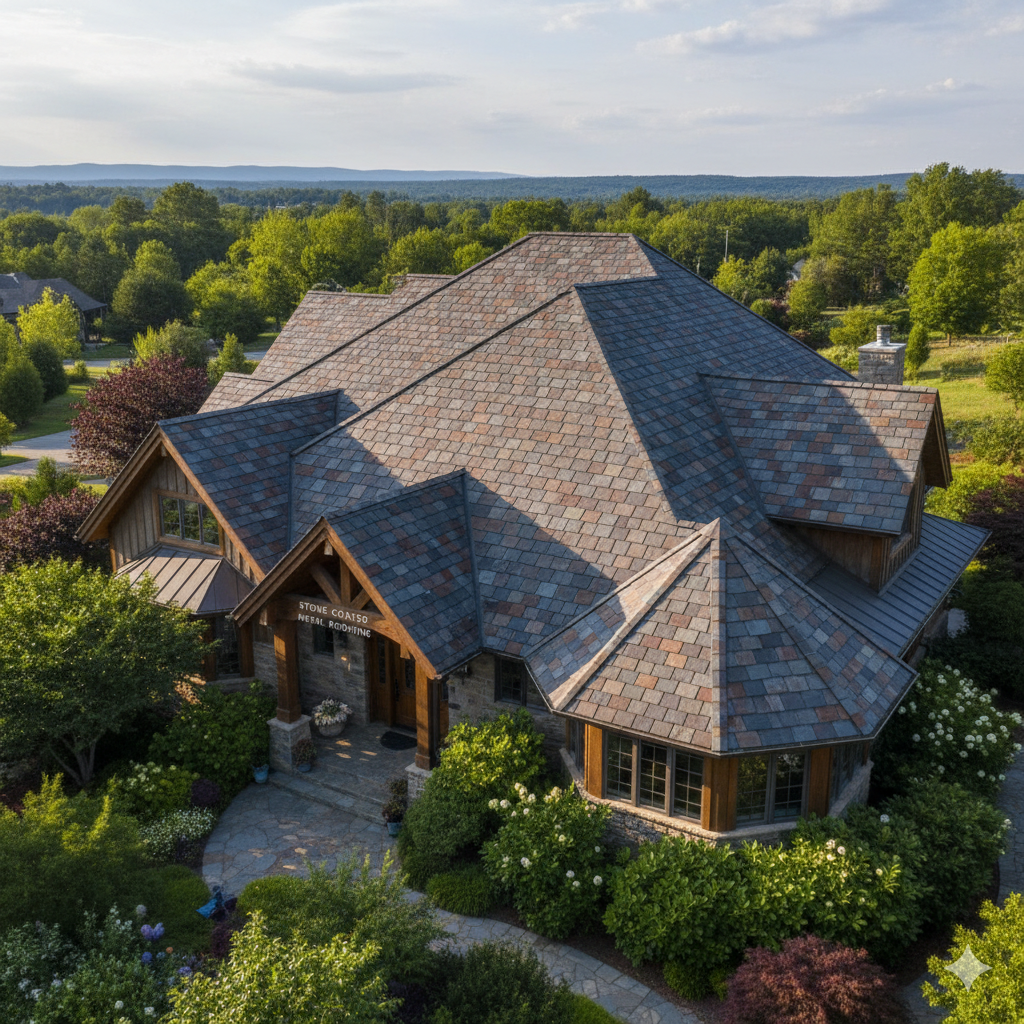
Homeowners are constantly searching for materials that blend durability with aesthetic appeal, and stone coated metal roofing has emerged as a premier solution. This innovative roofing style bridges the gap between industrial strength and traditional beauty. Unlike standard metal sheets that might look out of place in a residential neighborhood, this material mimics the look of clay tiles, asphalt shingles, or wood shakes while providing superior protection.
In this guide, we will explore exactly what this material is, how to purchase it, and the intricacies of installation and maintenance. Whether you are building a new home or replacing an old roof, understanding stone coated metal roofing is essential for making an informed investment.
What Is Stone Coated Metal Roofing?
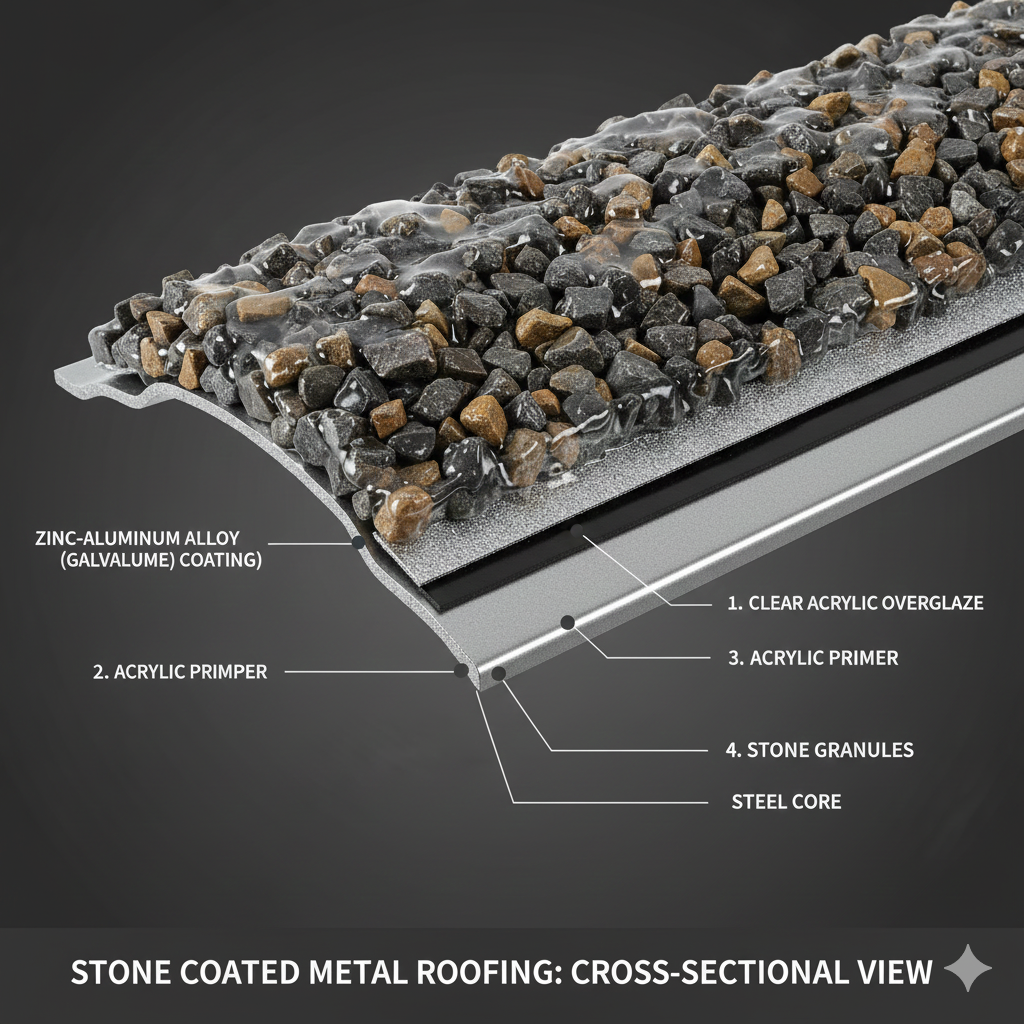
To understand stone coated metal roofing, you must look past the surface. At its core, this roofing system consists of steel sheets that are coated with stone granules. The base is typically a high-grade steel, often treated with an alloy of zinc and aluminum (Galvalume) to prevent rust and corrosion.
The manufacturing process involves several layers. First, the steel is stamped into shapes resembling traditional roofing materials. Then, an acrylic base coat is applied, followed by the stone chips that give the roof its color and texture. finally, a clear overglaze seals the granules in place. The result is stone coated metal roofing that looks like high-end masonry or wood but weighs a fraction of those materials.
Furthermore, the stone granules provide more than just looks; they offer protection against UV rays and help dampen the sound of rain, which is a common complaint with traditional metal roofs.
How to Find Reliable Suppliers
Finding high-quality stone coated metal roofing requires due diligence. You cannot simply walk into a generic hardware store and expect to find a wide selection of professional-grade profiles. You need to look for specialized roofing supply distributors.
Start by searching online for “distributors of stone coated metal roofing near me.” Manufacturer websites often have a “Where to Buy” locator tool. Brands like Decra, Tilcor, and Gerard are industry leaders, so looking for their authorized dealers is a smart first step.
When vetting suppliers, ask for:
-
Product warranties (look for 50-year options).
-
Sample tiles to check the stone adhesion.
-
References from local contractors who buy from them.
It is also wise to visit local home shows. Exhibitors there often display full mockups of stone coated metal roofing, allowing you to see how the light interacts with the stone granules in person.
How to Buy the Right Product
Once you have located a supplier, the buying process involves selecting the right profile and color for your architecture. Stone coated metal roofing is not a “one size fits all” product. You must choose a profile that complements your home’s style.
If you have a Mediterranean-style home, look for high-barrel tile profiles. For a rustic cabin, a shake profile is ideal. For modern suburban homes, a shingle profile works best. When you order stone coated metal roofing, you are usually buying by the “square” (a 10×10 foot area), not by the individual tile.
Make sure to order accessories as well. A complete stone coated metal roofing system requires:
-
Ridge caps.
-
Valley trays.
-
End caps.
-
Specialized fasteners (screws or nails depending on the system).
Always purchase 10% to 15% more material than your roof’s actual square footage to account for cutting and waste during installation.
How Much Does a Stone Coated Metal Roof Cost?
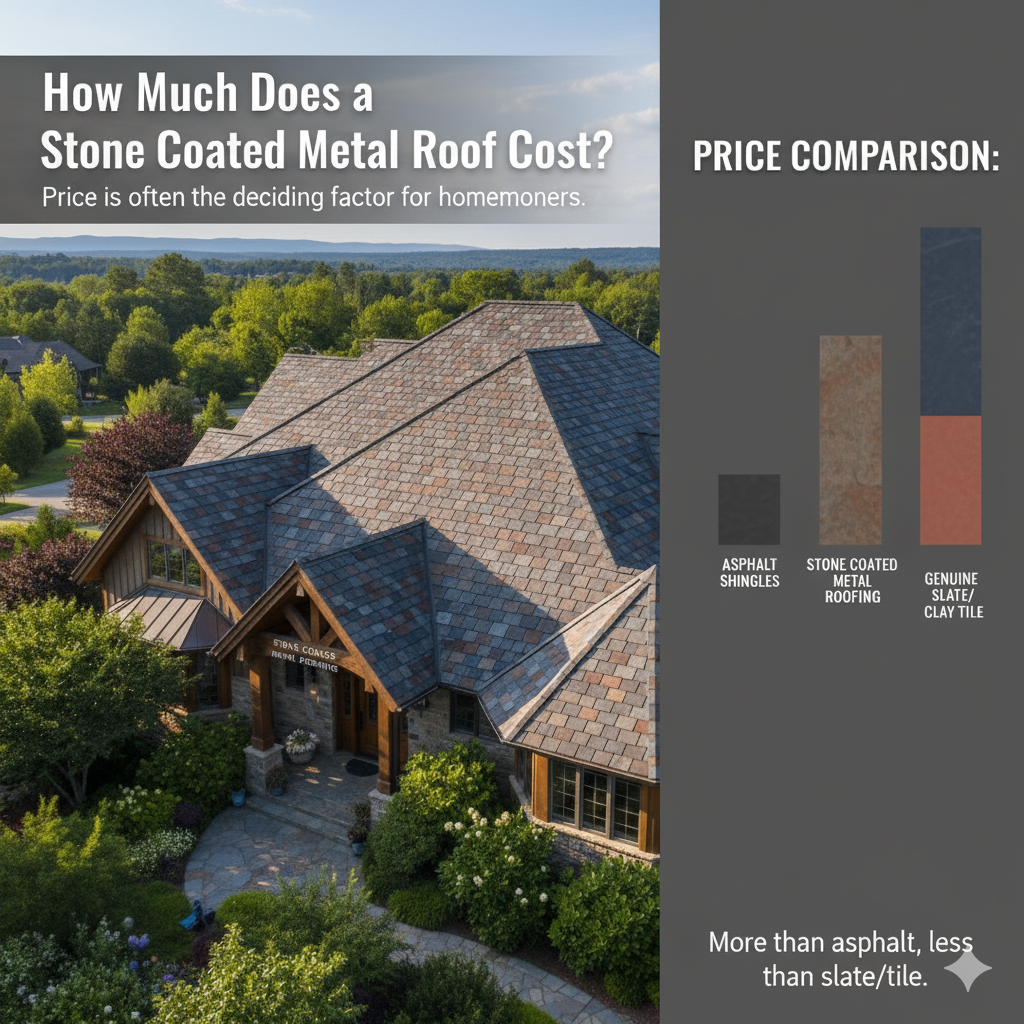
Price is often the deciding factor for homeowners. Stone coated metal roofing is a premium product, meaning it costs more than asphalt shingles but generally less than genuine slate or clay tile.
When budgeting, remember that the initial cost is an investment in longevity. A cheaper asphalt roof might need replacement in 15 years, whereas stone coated metal roofing can last 50 years or more.
Detailed Cost Breakdown and Installation Types
How Much Does a Stone Coated Metal Roof Cost
The material cost typically ranges from $4.00 to $6.00 per square foot. However, the installed cost is higher. You should expect to pay between $9.00 and $13.00 per square foot for a fully installed stone coated metal roofing system. For an average 2,000 square foot roof, the total project could cost between $18,000 and $26,000. Factors affecting this price include the complexity of your rooflines, the pitch of the roof, and local labor rates.
Stone Coated Metal Roof Shingles
These profiles mimic architectural asphalt shingles but offer the strength of steel. They are popular because they blend in well with most neighborhoods. Homeowners rarely face HOA issues with stone coated metal roofing in shingle profiles because they do not look “industrial.” They provide a dimensional look that adds curb appeal and value to the property.
Stone Coated Steel Roof Tiles
This variation is designed to replicate Mediterranean clay tiles or Spanish barrel tiles. Traditional clay is heavy and brittle, cracking easily under hail. Stone coated metal roofing in a tile profile offers the same stunning aesthetic without the weight or fragility. It is an excellent choice for homes in hurricane-prone areas because the panels interlock to resist high winds.
How to Install Stone Coated Metal Roofing
Installation requires a batten system or direct-to-deck application. In a batten system, wood strips are nailed horizontally across the roof deck, and the stone coated metal roofing panels are fastened to these battens. This creates an air gap that improves energy efficiency. The panels are installed from the ridge down or eaves up, depending on the specific product design. Panels are interlocked and screwed or nailed into place, ensuring a watertight seal.
How Long Does It Last?
One of the primary selling points of stone coated metal roofing is its lifespan. While traditional asphalt shingles may begin to curl, crack, or lose granules after 15 to 20 years, stone coated steel is engineered for the long haul.
Most manufacturers offer a 50-year limited warranty. In reality, a well-installed stone coated metal roofing system can last upwards of 40 to 70 years. The steel substrate is extremely durable, and the stone coating protects the metal from physical damage and UV degradation.
Durability factors include:
-
Wind Resistance: Many systems are rated for winds up to 120 mph or more.
-
Fire Resistance: Steel is non-combustible, giving it a Class A fire rating.
-
Impact Resistance: It carries a Class 4 impact rating, meaning it can withstand hail that would destroy other roofs.
How to Install Stone Coated Metal Roofing: The Basics
While we touched on installation in the specialized section above, it is important to understand the general flow of the project. Installing stone coated metal roofing is a technical job that is best left to professionals, but knowing the steps helps you supervise the work.
Preparation:
The old roof usually needs to be removed, though some stone coated metal roofing systems can be installed over existing asphalt shingles if local codes permit. The deck must be inspected for rot and repaired.
Underlayment:
High-quality synthetic underlayment is essential. It acts as a secondary water barrier.
Layout:
Contractors will snap chalk lines to ensure the panels remain straight. If using a batten system, the spacing of the battens is critical and must match the exposure of the stone coated metal roofing panels exactly.
Fastening:
Unlike standard metal roofs that use exposed fasteners with rubber washers (which can dry out), many stone coated metal roofing systems use concealed fasteners. This means the screws or nails are covered by the next row of panels, protecting them from the elements.
Detailing:
The most complex parts are the flashings around chimneys, vents, and valleys. These areas rely on the malleability of the steel. Installers often use a bending tool to shape the stone coated metal roofing panels to fit these tight areas perfectly.
How to Clean Your Roof
Maintenance is low, but not non-existent. Over time, algae or moss might grow on the rough surface of the stone granules, or dirt may accumulate. Cleaning stone coated metal roofing requires care to avoid damaging the coating.
Do Not Use High Pressure:
Never use a high-pressure power washer. The intense stream can strip the granules off the steel base, ruining the aesthetic and exposing the base coat.
Soft Wash Method:
The best way to clean stone coated metal roofing is a soft wash approach.
-
Mix a solution of mild detergent or a specialized roof cleaner with water.
-
Apply it gently with a low-pressure sprayer.
-
Let it sit for about 15 to 20 minutes to break down the grime.
-
Rinse with a garden hose.
Walking on the Roof:
Be extremely careful. While steel is strong, the panels can dent if you walk on the wrong spots. Always step on the “nose” of the panel where it overlaps the batten or the structural support. If possible, hire a professional to clean your stone coated metal roofing.
What Is the Cost of Maintenance?
Because stone coated metal roofing is so durable, maintenance costs are significantly lower than other roofing types. You won’t be replacing cracked tiles or blown-off shingles after every storm.
Routine Inspections:
You should budget for a professional inspection every 3 to 5 years, which might cost $200 to $400. The inspector checks flashings and sealant integrity.
Cleaning Costs:
If you hire a professional specifically to clean stone coated metal roofing, expect to pay between $0.30 and $0.60 per square foot. This is an occasional expense, perhaps once every few years depending on your climate and tree coverage.
Repairs:
Repairing a dented panel or a leak is generally straightforward but requires a skilled technician. Because the panels interlock, removing a damaged section of stone coated metal roofing in the middle of the roof can be labor-intensive, potentially costing $500 to $1,000 for minor repairs.
Advantages of Stone Coated Metal Roofing
The benefits of this material are extensive, making it a favorite among roofing contractors and homeowners alike.
-
Aesthetic Versatility:
It comes in a variety of colors and textures. Whether you want charcoal grey, deep timber brown, or terracotta red, there is a stone coated metal roofing option for you. -
Energy Efficiency:
Metal reflects heat. Even with the stone coating, these roofs can reduce cooling costs by creating an “Above Sheathing Ventilation” (ASV) space, especially when installed on battens. This prevents heat transfer into the attic. -
Sustainability:
Steel is one of the most recycled materials on earth. Your stone coated metal roofing likely contains recycled content, and at the end of its very long life, it is 100% recyclable. -
Resale Value:
Homes with metal roofs often see a higher resale value. Buyers appreciate knowing they won’t have to replace the roof for decades.
Challenges Connected to Stone Coated Metal Roofing
Despite the benefits, there are challenges you must consider before committing to stone coated metal roofing.
Initial Cost:
The upfront price is the biggest barrier. It costs two to three times more than asphalt shingles. You must plan to stay in the home long enough to see the ROI, or prioritize the increased home value.
Noise (Myth vs. Reality):
Some people worry about rain noise. While the stone coating dampens sound better than bare metal, stone coated metal roofing can still be louder than thick asphalt shingles during a heavy downpour if adequate insulation is not present in the attic.
Granule Loss:
Over time, some loose granules may wash off, similar to asphalt shingles. However, excessive granule loss on stone coated metal roofing can indicate a manufacturing defect or damage from improper foot traffic.
Installation Expertise:
You cannot hire a standard “shingle banger” crew. Incorrect installation leads to leaks. Finding a certified installer for stone coated metal roofing is crucial and can sometimes be difficult in rural areas.
How to Choose the Right Contractor
Your roof is only as good as the installer. To ensure your stone coated metal roofing performs as advertised, follow these hiring guidelines.
Check Certifications:
Ask the contractor if they are certified by the manufacturer of the specific brand you chose. Manufacturers offer training programs to teach the nuances of interlocking panels and bending steel.
Portfolio Review:
Ask for addresses of past projects. Go look at them. Does the stone coated metal roofing look straight? are the valleys clean? Do the hips and ridges look uniform?
Insurance and Licensing:
This is standard for any construction, but vital here. Ensure they have liability insurance and worker’s compensation. Roofing is dangerous, and you don’t want to be liable for accidents.
Final Thoughts on Metal Roofing ROI
When you look at the total cost of ownership, stone coated metal roofing is often cheaper than asphalt. If you replace an asphalt roof every 15 years, you will buy three roofs in the time one metal roof lasts.
You are buying peace of mind. You are buying a system that withstands hurricanes, hail, and fire. You are buying a roof that enhances the beauty of your home rather than just capping it.
FAQ
Is stone coated metal roofing noisy when it rains?
Generally, no. The stone granules create a textured surface that breaks up rain droplets, and combined with proper attic insulation and solid decking, stone coated metal roofing is not noticeably louder than asphalt shingles.
Can I walk on my stone coated metal roof?
Yes, but you must be careful. You should walk on the “nose” of the panels where they overlap and are supported by the structure beneath. Avoid walking on the raised areas of the profile to prevent denting the stone coated metal roofing.
Does the stone coating come off?
Minor granule loss is normal over decades, but significant loss is not. High-quality stone coated metal roofing uses an acrylic overglaze to bond the stones tightly to the steel base.
Will stone coated metal roofing rust?
The steel core is treated with a zinc-aluminum alloy (Galvalume) which is incredibly rust-resistant. The stone and acrylic coatings provide further layers of protection, making rust highly unlikely on quality stone coated metal roofing.
Can this roofing be installed over old shingles?
In many cases, yes. Because stone coated metal roofing is lightweight, building codes often allow it to be installed over one layer of existing asphalt shingles, saving on tear-off costs and keeping waste out of landfills.
Conclusion
Choosing a roof is a significant decision that impacts your home’s safety, efficiency, and curb appeal. Stone coated metal roofing offers a compelling blend of industrial strength and architectural beauty. By understanding how to buy, install, and maintain this material, you can ensure your home remains protected for generations.
From the initial cost analysis to the specific installation techniques required for stone coated metal roofing, it is clear that this is a system designed for the discerning homeowner. It requires a higher upfront investment, but the returns in durability, energy savings, and aesthetics are unmatched. If you are ready to upgrade your home, stone coated metal roofing is a solution that promises to perform as beautifully as it looks.
🪨 Other Resources
Explore these trusted sources to learn more about stone-coated metal roofing, its durability, style options, and installation:
-
DECRA Roofing Systems – Industry-leading manufacturer of stone-coated steel roofing products.
-
Reddit – Stone-Coated Roof Discussions – Real homeowner and roofer opinions on performance and longevity.
-
McElroy Metal – Stone-Coated Steel Shingles – High-strength metal shingles with stone-coated finishes.
-
Modernize – Stone-Coated Steel Roofing Guide – Overview of costs, benefits, and installation details.
🔎 Other Helpful Articles
-
Step Flashing Roof – Proper step flashing installation to prevent leaks.
-
FORTIFIED Roof Program – Standards for storm-resistant roofing systems.
-
Can You Paint a Metal Roof? – Guide to painting and maintaining metal roofs.