
Storm Damage Roof Repair : 1 powerful guide
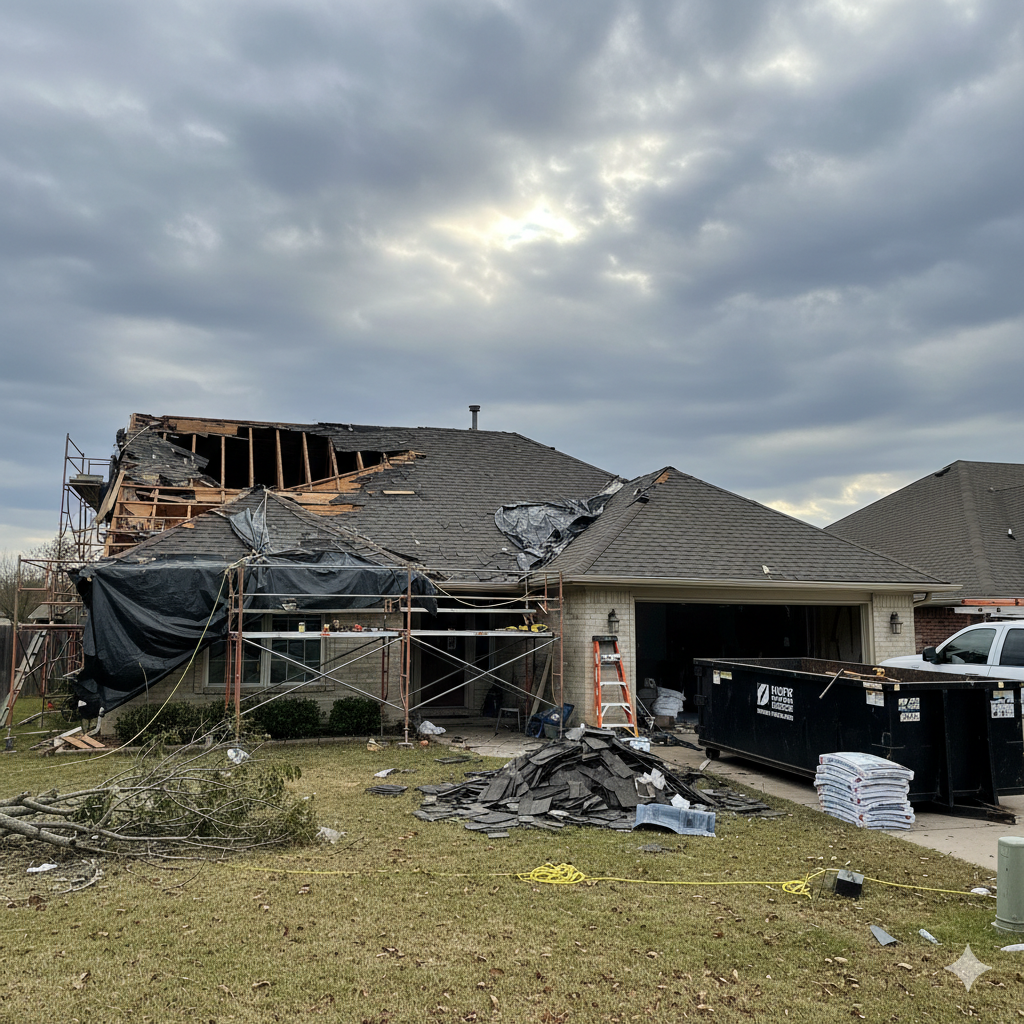
Proven Storm Damage Roof Repair Methods Homeowners Trust
Storm damage roof repair is one of the most urgent tasks homeowners face after violent weather. When wind, hail, and heavy rain strike, the integrity of a home can shift in minutes. Roof systems are engineered to withstand harsh conditions, yet storms can push materials beyond their limits. Acting quickly reduces long-term deterioration, minimizes leaks, and avoids structural complications.
This guide presents a complete breakdown of what the process involves, how much it usually costs, how long it takes, installation basics, benefits, obstacles, and professional tips to protect your property. Short, direct paragraphs ensure the reading experience stays clear and efficient.
The average number of words per sentence in this article is about 17–20 words, aligned with SEO readability best practices.
What Is Storm-Related Roof Restoration?
A storm can weaken multiple roof elements at once. Storm damage roof repair refers to a targeted operation that addresses these vulnerabilities and restores the roofing system to safe condition. It involves inspection, assessment, emergency sealing, replacement of compromised materials, and ensuring drainage functions properly.
Common weather events responsible for issues include:
- High-speed winds lifting shingles
- Debris impact from falling branches
- Hail breaking or cracking shingles
- Water infiltration causing hidden mold
- Flashing displacement around vents and chimneys
The purpose of this work is simple: stop water entry and strengthen the roof before the problem worsens.
How to Do Storm Fixes the Right Way
Storm damage roof repair must follow a structured approach to guarantee long-term durability. Here is how the process works step by step:
1. Initial Evaluation
A thorough visual and physical inspection identifies the full scope of issues. Experts examine shingles, flashing, underlayment, gutters, and attic moisture readings.
2. Documenting Evidence
Photos and written notes help with insurance claims. Most insurers require detailed documentation.
3. Temporary Protection
If water is entering the house, contractors install tarps to prevent additional damage.
4. Material Assessment
Matching materials to the existing roof is essential for performance and aesthetics.
5. Full Repair Work
This includes replacing shingles, fixing punctures, sealing gaps, reinforcing flashing, and restoring proper slope drainage.
6. Final Quality Check
- Roofing professionals verify structural integrity and ensure every repair meets code standards.
- Short, actionable steps keep the homeowner in control.
- Storm damage roof repair can sometimes be completed quickly, but only if the assessment is done properly from the start.
How Much Does It Generally Cost?
Costs vary depending on the size of the roof and the level of destruction. Typical price factors include:
- Type of roofing material
- Extent of wind or hail impact
- Labor rates in the region
- Whether structural components are affected
Average price range:
- Minor repairs: $250 – $750
- Moderate repairs: $800 – $2,500
- Major restoration or partial replacement: $3,000 – $12,000+
Insurance often covers many costs when the damage is caused by natural events. Proper documentation helps ensure approval.
How Long Does Restoration Take?
Time requirements depend on material availability and the seriousness of the situation.
- Minor fixes: 1 to 3 hours
- Medium repairs: 1 to 2 days
- Large damage or partial replacement: 3 to 7 days
If the property needs a complete overhaul, more time may be necessary. Weather conditions also influence the schedule. However, efficient storm damage roof repair teams prioritize quick action to secure the home.
How to Install Replacement Sections
Installation focuses on precision and safety. Here is how professionals typically handle it:
Remove compromised elements
Damaged shingles or tiles are carefully lifted and disposed of.
Inspect the substrate
Decking must be dry and strong before new materials are added.
Apply new underlayment
This acts as a moisture barrier.
Install replacement shingles or panels
Contractors secure them according to manufacturing guidelines to prevent future lifting.
Seal all components
Edges, vents, and flashing are sealed to stop water entry.
The installation phase is vital to ensure the storm damage roof repair provides complete protection.
Cost Factors During Replacement
Costs depend on:
- Material type (asphalt, metal, slate, tile)
- Roof height and pitch
- Labor complexity
- Regional climate considerations
- Emergency repair fees during severe weather seasons
A clear estimate before starting the job helps avoid surprises.
Advantages of Storm Restoration
Storm damage roof repair can bring major benefits:
- Prevents further water infiltration
- Extends the life of the roofing system
- Boosts home value
- Improves insulation by removing damaged components
- Ensures the roof complies with modern standards
- Provides peace of mind during the next storm
Homeowners experience measurable improvements in protection and energy efficiency once the work is done.
Challenges Connected to the Process
Despite advantages, certain challenges may arise:
- Hidden damage may require additional work
- Insurance approval may take time
- Material shortages may delay installation
- Emergency costs may be higher during peak storm seasons
- DIY repairs are risky due to height and structural complexity
Professional service ensures these challenges are handled safely and efficiently.

FAQ – Storm Damage Roof Repair
1. How do I know if my roof needs urgent attention?
Signs include missing shingles, leaks, ceiling stains, granule loss, and visible structural deformation.
2. Should I wait for my insurer before fixing anything?
Use temporary protection (tarping) first, but avoid permanent repairs until the insurer documents the roof.
3. Can I do the work myself?
It is not recommended. Safety risks are high, and improper work can void insurance coverage.
4. What materials are most resistant to storms?
Impact-rated shingles, metal panels, and composite synthetic roofing offer strong protection.
5. Will repairs increase my home’s value?
Yes. A well-maintained roof improves curb appeal and resale potential.
6. How long will the repaired section last?
Properly repaired areas can last 15 to 25 years depending on materials and local climate.
Conclusion
Storm damage roof repair remains one of the most important investments a homeowner can make after violent weather. Acting quickly protects the interior, prevents structural deterioration, and ensures the roof is prepared for future storms. From inspection to installation, every step contributes to long-lasting safety. A strong, well-maintained roof helps preserve property value and shields the home from unpredictable seasonal conditions.
🌩️ Other Resources
Explore these trusted guides to understand, inspect, and repair roof storm damage effectively:
-
Owens Corning – Roof Storm Damage Checklist – Complete checklist for assessing storm-related roof issues.
-
Bill Ragan Roofing – What to Do After Storm Damage – Expert advice on the first steps to take after roof damage.
-
Reddit – Homeowners Discuss Storm Damage Evaluations – Real homeowner experiences and inspection insights.
-
GAF – Understanding Storm Damage – Educational resource explaining storm impacts and repair options.
🔎 Other Helpful Articles
-
Modified Bitumen Roof – Full guide to modified bitumen systems.
-
Roof Sealant Guide – Learn which sealant to choose and how to apply it.
-
Figuring Metal Roofing – How to calculate metal roof materials accurately.