emergency roof repair: Fast Fixes That Save Thousands
Emergency Roof Repair: Expert Solution
When disaster strikes your roof, immediate action becomes critical to protect your home and belongings from extensive water damage. Emergency roof repair situations arise unexpectedly, whether from severe storms, fallen trees, or sudden structural failures. Understanding how to respond quickly and effectively can mean the difference between minor repairs and catastrophic property loss.
Homeowners face urgent roofing emergencies more frequently than expected, with weather-related incidents accounting for the majority of cases. Knowing when to call professionals versus handling temporary fixes yourself requires proper knowledge and preparation. This comprehensive guide covers everything you need to know about emergency roof repair, from initial assessment to final restoration.
The financial and structural implications of delayed emergency roof repair can escalate rapidly. Water infiltration damages insulation, promotes mold growth, and compromises structural integrity within hours. By understanding the processes, costs, and solutions available, you can make informed decisions when facing roofing emergencies.
What Is Emergency Roof Repair
Emergency roof repair refers to urgent intervention required to prevent immediate damage to your property when your roof is compromised. This type of repair addresses sudden failures caused by storms, accidents, or deterioration that creates immediate threats to your home’s interior and structural components.
Unlike scheduled maintenance or planned renovations, emergency roof repair demands immediate response regardless of time or weather conditions. These situations typically involve active leaks, missing shingles, structural damage, or exposed areas that allow water penetration. The primary goal is stabilizing the situation to prevent further damage until permanent repairs can be completed.
Emergency roof repair encompasses both temporary protective measures and permanent fixes depending on the severity and accessibility of damage. Professionals classify emergencies based on urgency, safety risks, and potential for property damage. Understanding this classification helps homeowners communicate effectively with contractors and insurance companies.
The scope of emergency roof repair ranges from simple tarp installations to complex structural reinforcements. Weather conditions, time of day, and extent of damage all influence the approach taken. Most emergency situations require professional intervention to ensure safety and effectiveness.

How Emergency Roof Repair Works
The emergency roof repair process begins with immediate damage assessment to identify all compromised areas. Professionals inspect the roof’s surface, underlayment, decking, and interior for signs of water intrusion or structural weakness. This initial evaluation determines whether temporary measures suffice or immediate permanent repairs are necessary.
Once assessment is complete, contractors implement protective measures to stop ongoing damage. Common emergency roof repair techniques include:
-
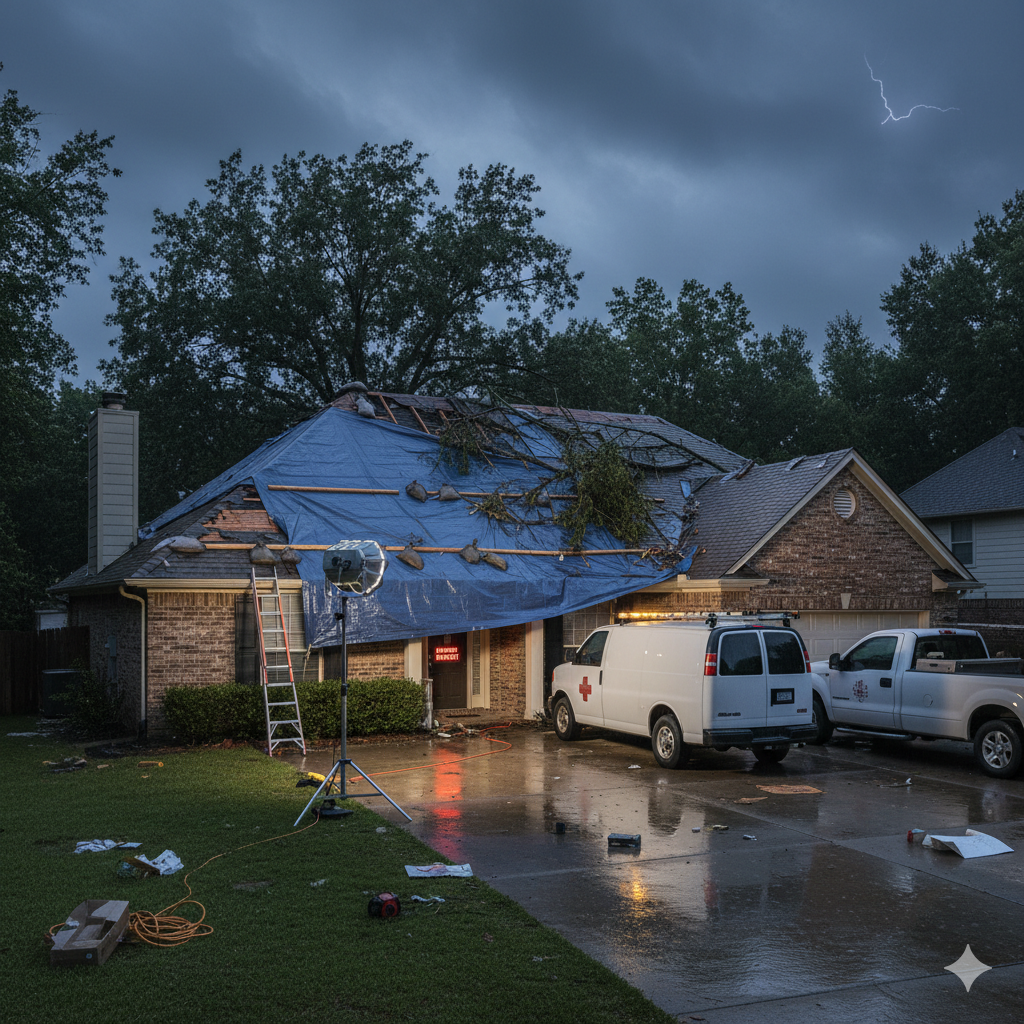
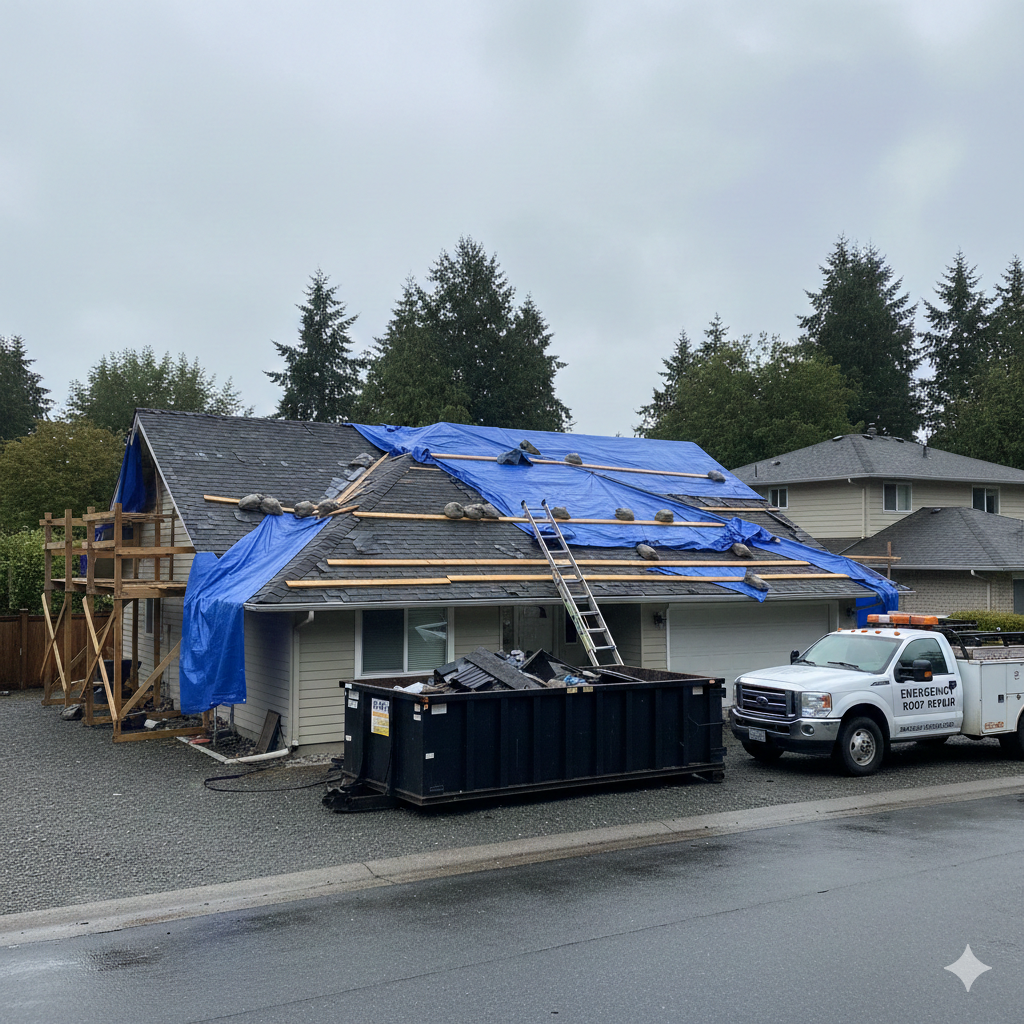
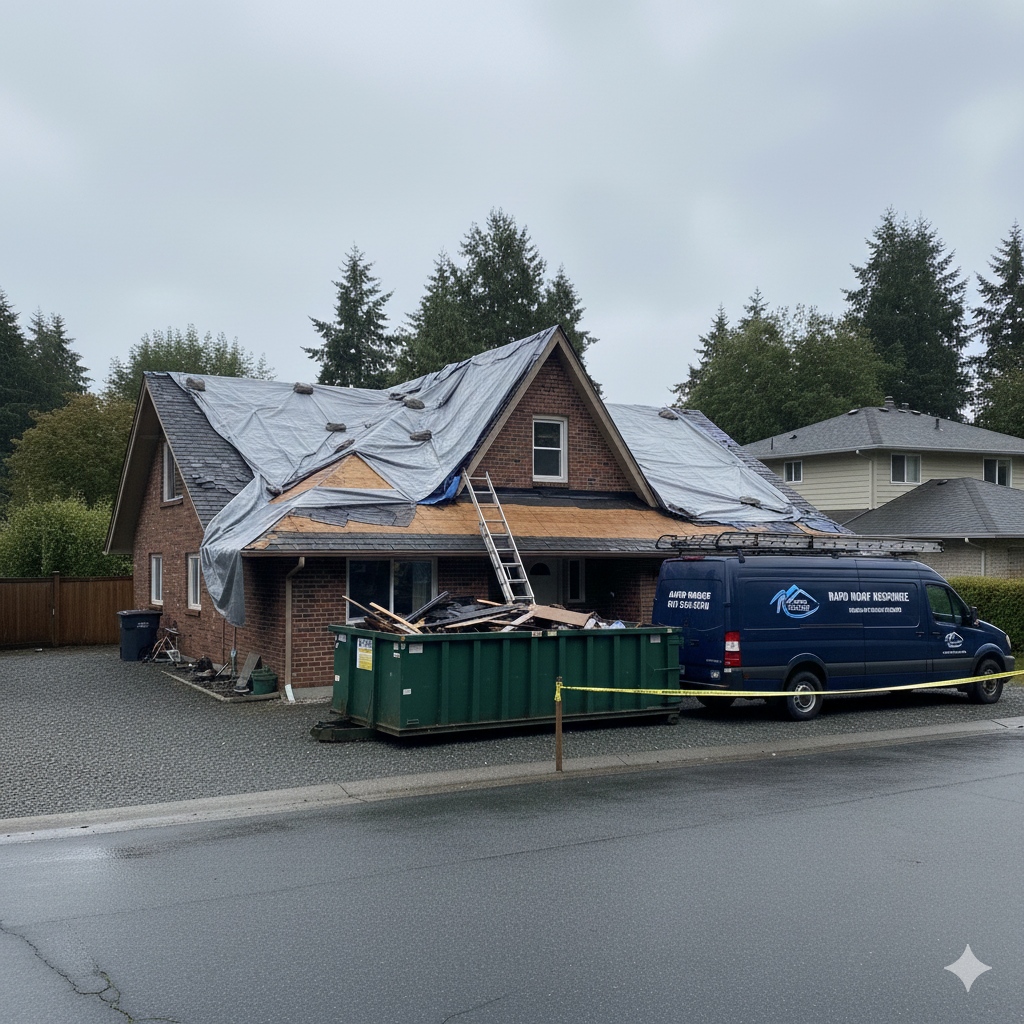
Installing heavy-duty tarps secured with boards and fasteners
-
Applying emergency sealants to active leak points
-
Removing debris and clearing drainage pathways
-
Boarding up exposed areas to prevent weather infiltration
-
Stabilizing loose or damaged structural components
After stabilization, professionals develop a comprehensive repair plan addressing both immediate and underlying issues. This plan includes material requirements, timeline estimates, and cost projections. Many emergency situations reveal hidden problems that require attention beyond the visible damage.
The repair execution phase involves removing damaged materials and replacing them with weather-resistant components. Contractors work systematically to restore the roof’s protective barrier while maintaining safety protocols. Emergency roof repair often proceeds in stages, with critical areas addressed first before moving to less urgent sections.
Quality emergency roof repair includes thorough cleanup and final inspection to verify all issues have been resolved. Professionals document the work performed, materials used, and any recommendations for future maintenance. This documentation proves valuable for insurance claims and warranty purposes.
How to Find Emergency Roof Repair Services
Finding reliable emergency roof repair services requires preparation before disasters occur. Start by researching licensed roofing contractors in your area and saving their contact information for quick access. Look for companies that specifically advertise 24/7 emergency services and rapid response capabilities.
Verify credentials through your state’s licensing board and check for proper insurance coverage including liability and workers’ compensation. Reading online reviews and testimonials provides insight into contractors’ emergency response quality and customer service. Pay particular attention to reviews mentioning emergency situations and after-hours service.
Professional associations like the National Roofing Contractors Association (NRCA) maintain directories of qualified members who adhere to industry standards. Local building supply stores often maintain lists of reputable contractors they work with regularly. These recommendations typically come from businesses that value quality workmanship and customer satisfaction.
When emergency strikes, contact multiple contractors to compare response times and initial assessments. Reputable companies providing emergency roof repair should offer free initial inspections and detailed estimates. Be wary of contractors who demand full payment upfront or pressure you into immediate decisions without proper documentation.
Establish relationships with roofing professionals during non-emergency periods through regular maintenance services. This proactive approach ensures you have trusted contacts when emergencies arise. Many contractors prioritize existing customers for emergency roof repair services during high-demand periods following major storms.
How to Perform Temporary Emergency Roof Repair
Temporary emergency roof repair measures help minimize damage until professional assistance arrives. Safety must be your first priority when attempting any roof work. Never access your roof during active storms, high winds, or when surfaces are wet and slippery.
For minor leaks, you can create temporary patches using roofing cement and plastic sheeting. Clean the area around the leak thoroughly and apply a generous layer of roofing cement extending several inches beyond the damaged area. Press the plastic sheeting firmly into the cement and apply another layer on top for better adhesion.
Tarp installation provides effective protection for larger damaged areas. Use heavy-duty polyethylene tarps rated for outdoor use and UV resistance. Proper tarp installation for emergency roof repair involves these steps:
-
Measure the damaged area and add at least four feet on all sides
-
Position the tarp so it extends over the roof ridge if possible
-
Secure edges with wooden boards and screws rather than nails
-
Ensure water can drain off the tarp without pooling
-
Check and adjust the tarp regularly until permanent repairs occur
Interior emergency measures include placing buckets to catch dripping water and moving furniture and valuables away from affected areas. Use plastic sheeting to protect floors and remaining furnishings from water damage. Document all damage with photographs for insurance purposes before making temporary repairs.
Remember that temporary solutions for emergency roof repair are stopgap measures only. They do not replace professional repairs and may fail under severe weather conditions. Schedule permanent repairs as quickly as possible to prevent additional damage and maintain your home’s structural integrity.
Emergency Roof Repair Service Options
Emergency roof repair service providers offer various response levels depending on company size and capabilities. Large roofing companies typically maintain dedicated emergency response teams available around the clock. These teams carry equipment and materials necessary for immediate intervention regardless of the hour.
Small to medium-sized contractors may offer emergency services through on-call arrangements where technicians respond from home during off-hours. While response times might be slightly longer, these contractors often provide more personalized service and competitive pricing. Understanding service level differences helps set realistic expectations during stressful situations.
Specialized emergency roof repair service providers focus exclusively on urgent situations and disaster response. These companies often deploy during major weather events and handle multiple properties simultaneously. Their expertise in triage and rapid stabilization proves valuable when immediate action is critical to prevent catastrophic damage.
Service packages for emergency roof repair vary significantly between providers. Some companies include emergency services as part of comprehensive maintenance contracts, offering priority response for annual maintenance customers. Others charge premium rates for after-hours and weekend emergency calls, with standard rates applying during business hours.
Geographic coverage affects emergency roof repair service availability, particularly in rural areas where contractor density is lower. Urban and suburban homeowners typically have more options and faster response times. Consider service area coverage when selecting contractors to ensure they can reach your property quickly during emergencies.

Emergency Roof Leak Repair Techniques
Emergency roof leak repair requires quick identification of water entry points and immediate action to stop infiltration. Active leaks often appear distant from their source due to water traveling along rafters and decking before dripping through ceilings. Tracing leaks to their origin is essential for effective emergency roof repair.
Common leak sources include damaged or missing shingles, compromised flashing around chimneys and vents, and deteriorated sealant at roof penetrations. Ice dams during winter months create another frequent emergency requiring specialized approach. Each leak type demands specific repair techniques for effective resolution.
Immediate emergency roof leak repair actions include:
-
Applying roofing cement to seal small holes and cracks
-
Installing temporary flashing over damaged areas
-
Securing loose shingles with roofing adhesive
-
Clearing gutters and downspouts to prevent water backup
-
Using emergency patches designed for wet surface application
Professional emergency roof leak repair utilizes advanced moisture detection equipment to identify hidden water damage. Thermal imaging cameras reveal temperature differences indicating moisture presence behind walls and ceilings. This technology ensures comprehensive repairs addressing all affected areas, not just visible damage.
Valley leaks present particularly challenging emergency roof repair situations due to high water volume concentration. Professionals often install additional underlayment and metal flashing to create redundant water barriers. These enhanced systems provide superior protection in areas most vulnerable to future leaks.
Addressing emergency roof leak repair promptly prevents secondary damage including mold growth, insulation degradation, and electrical system hazards. Even small leaks can cause extensive damage over time, making rapid response crucial. Professional assessment ensures all compromised areas receive appropriate attention.
How to Choose an Emergency Roof Repair Company
Selecting the right emergency roof repair company requires evaluating multiple factors beyond availability and price. Start by verifying the company maintains proper licensing for roofing work in your jurisdiction. Licensed contractors follow building codes and carry insurance protecting you from liability if accidents occur during repairs.
Insurance coverage represents a critical consideration when choosing an emergency roof repair company. Verify contractors carry both general liability insurance and workers’ compensation coverage. Request certificates of insurance and confirm coverage remains current by contacting the insurance provider directly. This protection shields you from financial responsibility if workers are injured on your property.
Experience with emergency situations distinguishes exceptional contractors from average ones. Ask potential emergency roof repair companies about their typical response times and how they prioritize multiple emergency calls. Companies with dedicated emergency teams and standardized response protocols typically provide more reliable service during high-demand periods.
Pricing transparency is essential when selecting emergency roof repair services. Reputable companies provide detailed written estimates outlining labor costs, materials, and any additional charges for after-hours service. Be cautious of unusually low bids that may indicate substandard materials or incomplete work. Similarly, extremely high quotes may not reflect actual market rates.
References and portfolio reviews offer valuable insights into contractor capabilities. Request contact information for recent emergency repair customers and ask about their experiences with response time, work quality, and communication. Online reviews and Better Business Bureau ratings provide additional perspective on company reliability and customer satisfaction.
Communication style and professionalism during initial contact often predict overall service quality. Professional emergency roof repair companies answer questions thoroughly, explain processes clearly, and provide realistic timelines. They should also discuss warranty coverage for emergency repairs and integration with future maintenance or replacement plans.
Understanding Emergency Roof Repair Cost Factors
Emergency roof repair cost varies significantly based on damage extent, materials required, and timing of service. Average emergency repairs range from $300 for minor patches to $5,000 or more for extensive structural damage. Understanding cost components helps homeowners budget appropriately and evaluate contractor estimates effectively.
Labor costs for emergency roof repair typically include premium charges for after-hours, weekend, or holiday service. These premiums range from 25% to 100% above standard rates depending on timing and local market conditions. Despite higher costs, immediate response prevents additional damage that could result in significantly higher total expenses.
Material costs depend on matching existing roofing systems and quality of replacement components. Emergency roof repair often requires expedited material sourcing, potentially increasing prices compared to standard purchases. However, using appropriate materials ensures repairs blend seamlessly with existing roofing and maintain warranty compliance.
Key cost factors affecting emergency roof repair pricing include:
-
Extent of damaged area requiring immediate attention
-
Roof pitch and accessibility challenges
-
Time of day and day of week when service is needed
-
Distance traveled by emergency response teams
-
Specialized equipment requirements for safe repair completion
-
Need for temporary protective measures before permanent repairs
Geographic location substantially influences emergency roof repair costs due to regional labor rates and material availability. Urban areas with higher living costs generally see elevated service prices compared to rural regions. However, rural locations may face additional charges due to longer travel distances for emergency contractors.
Insurance coverage significantly impacts out-of-pocket emergency roof repair expenses for homeowners. Most homeowners policies cover sudden, accidental damage but may exclude maintenance-related issues or gradual deterioration. Understanding your policy coverage before emergencies occur helps manage expectations regarding reimbursement potential.
How Much Does Emergency Roof Repair Cost
Average emergency roof repair cost ranges from $500 to $3,000 for typical residential situations requiring immediate attention. Small leak repairs addressing isolated damage points typically cost between $300 and $800, including materials and labor. These repairs involve patching small areas, replacing several shingles, or sealing minor flashing issues.
Moderate emergency roof repair situations involving multiple damaged areas or larger sections cost $1,000 to $2,500 on average. This price range covers damage from fallen tree branches, significant storm impact, or multiple leak sources requiring coordinated repairs. Complex access requirements or steep roof pitches increase costs within this range.
Extensive emergency roof repair addressing major structural damage or large compromised areas costs $3,000 to $7,000 or more. These situations often involve tarp installation over significant portions of the roof, temporary structural supports, and planning for eventual complete section replacement. Insurance claims frequently cover these higher-cost emergency interventions.
Emergency service premiums add 50% to 100% to standard repair costs when requiring after-hours or weekend response. A repair costing $1,000 during business hours might reach $1,500 to $2,000 for emergency service. Despite premium charges, immediate response typically saves money by preventing additional water damage to interior components.
Specific emergency roof repair costs by situation type include:
-
Tarp installation: $500-$1,500 depending on size and complexity
-
Emergency leak patching: $300-$900 per leak location
-
Storm damage repairs: $1,200-$4,000 for typical residential damage
-
Tree impact repairs: $2,000-$6,000 depending on penetration depth
-
Ice dam removal and repair: $800-$2,500 including prevention measures
Hidden costs in emergency roof repair may include interior damage restoration, mold remediation, and insulation replacement. Water infiltration often affects areas beyond immediate roof damage, requiring additional specialist services. Comprehensive damage assessment during initial emergency response helps identify these potential additional costs early.
How Long Emergency Roof Repair Takes
Emergency roof repair duration depends on damage severity, weather conditions, and repair complexity. Simple temporary measures like tarp installation typically take two to four hours from arrival to completion. These protective measures stabilize situations until permanent repairs can be scheduled and completed safely.
Permanent emergency roof repair for minor damage covering small areas generally requires four to eight hours of work. This timeframe includes removing damaged materials, preparing surfaces, installing new components, and ensuring proper integration with existing roofing. Favorable weather conditions and good accessibility allow faster completion.
Moderate emergency roof repair projects addressing multiple areas or complex damage take one to three days to complete properly. Contractors must coordinate material delivery, ensure adequate crew size, and work around weather conditions. Some repairs require multiple visits as materials cure or additional damage becomes apparent during work progression.
Extensive emergency roof repair involving significant structural damage may require one to two weeks for complete restoration. These projects often proceed in phases, with temporary protective measures followed by systematic permanent repairs. Contractors must secure building permits, order specialized materials, and coordinate with structural engineers when necessary.
Response time from initial call to contractor arrival averages 30 minutes to two hours for true emergency roof repair situations. Established companies with dedicated emergency teams typically respond faster than smaller operations. During major storm events affecting many properties simultaneously, response times may extend to several hours or even days based on damage triage priorities.
Weather significantly impacts emergency roof repair timelines by limiting safe working conditions. Heavy rain, high winds, extreme temperatures, and snow prevent contractors from performing certain repairs safely. Temporary protective measures allow work to proceed during better conditions, but may extend overall project duration.
Advantages of Professional Emergency Roof Repair
Professional emergency roof repair provides immediate protection through trained experts equipped with proper materials and safety equipment. Experienced contractors quickly assess damage extent and implement effective solutions preventing further property deterioration. Their expertise ensures repairs meet building codes and maintain roof warranty compliance.
Safety represents a primary advantage of professional emergency roof repair services. Roofing work involves significant fall risks, especially during emergency conditions with wet surfaces and compromised structures. Professional crews use proper harnesses, scaffolding, and safety protocols that most homeowners lack. This professional approach prevents injury and liability issues.
Quality materials and proper installation techniques ensure emergency roof repair longevity and effectiveness. Professionals source commercial-grade materials designed for emergency applications and understand proper installation methods for various roofing systems. This expertise prevents repair failures that could cause additional damage.
Insurance claim support provides substantial value when using professional emergency roof repair services. Contractors document damage thoroughly with photographs and detailed reports supporting insurance claims. Many companies work directly with insurance adjusters to ensure appropriate coverage and compensation for necessary repairs.
Additional advantages of professional emergency roof repair include:
-
Warranty coverage on labor and materials used
-
Proper integration with existing roofing systems
-
Identification of hidden damage not visible to untrained observers
-
Access to specialized equipment for complex repairs
-
Knowledge of local building codes and permit requirements
-
Ability to handle unexpected complications safely
Long-term cost savings result from properly executed professional emergency roof repair. Quality repairs last longer and prevent recurring issues requiring repeated intervention. Professional documentation and warranty coverage provide protection against defective workmanship or material failures.
Challenges in Emergency Roof Repair
Weather conditions present the most significant challenge in emergency roof repair situations. Contractors must balance urgency against safety concerns when working during adverse conditions. Rain, wind, and extreme temperatures limit repair options and may force reliance on temporary measures until permanent repairs become feasible.
Material availability can delay emergency roof repair completion, particularly for older or uncommon roofing systems. Matching existing materials ensures aesthetic consistency and proper integration with remaining roof sections. Supply chain disruptions or discontinued products sometimes necessitate creative solutions or partial roof replacements.
Access difficulties complicate emergency roof repair on steep slopes, multi-story structures, or properties with limited surrounding space. Special equipment requirements increase costs and extend timelines. Some situations require crane rental or specialized scaffolding systems for safe worker access to damaged areas.
Hidden damage discovered during emergency roof repair often expands project scope and costs beyond initial estimates. Water infiltration may have compromised structural decking, insulation, or interior components requiring additional repairs. These discoveries necessitate revised estimates and extended timelines affecting homeowner planning.
Common challenges encountered during emergency roof repair include:
-
Coordinating multiple trades for comprehensive damage restoration
-
Obtaining emergency building permits from municipal authorities
-
Managing insurance claim documentation and approval processes
-
Securing properties against theft or vandalism during repairs
-
Communicating effectively with stressed homeowners during crisis situations
-
Balancing multiple emergency calls during major weather events
Contractor availability becomes critically limited following widespread storm damage affecting entire regions. Emergency roof repair demand surges dramatically, creating scheduling challenges and extended wait times. Homeowners may face difficult decisions regarding contractor selection when preferred options cannot respond immediately.
Quality control maintenance during emergency roof repair requires attention despite time pressures and urgent conditions. Rushed repairs may overlook important details or skip crucial steps in proper installation sequences. Professional contractors balance speed with quality assurance to deliver effective solutions under challenging circumstances.

Frequently Asked Questions
What qualifies as a roofing emergency requiring immediate repair?
Situations requiring emergency roof repair include active leaks causing interior water damage, large sections of missing shingles exposing underlayment, structural damage creating collapse risks, and holes penetrating the roof deck. Any condition allowing weather to enter your home or threatening structural integrity qualifies as an emergency.
Can I file an insurance claim for emergency roof repair?
Most homeowners insurance policies cover sudden, accidental damage requiring emergency roof repair. Storm damage, falling trees, and similar unexpected events typically qualify for coverage. However, damage from neglected maintenance or gradual deterioration may not be covered. Contact your insurance provider immediately after discovering damage to initiate the claims process.
Should I attempt DIY emergency roof repair or call professionals?
Minor temporary measures like placing buckets or moving valuables are safe DIY actions. However, accessing the roof for repairs poses significant safety risks and may cause additional damage if done improperly. Professional emergency roof repair services provide safer, more effective solutions and include insurance coverage protecting you from liability.
How quickly should emergency roof repair be addressed?
Emergency roof repair should begin within hours of damage discovery to prevent additional property deterioration. Even temporary protective measures significantly reduce damage progression. Contact emergency roofing services immediately upon discovering problems, as response time directly impacts total damage extent and repair costs.
Does emergency roof repair cost more than scheduled repairs?
Yes, emergency roof repair typically costs 25% to 100% more than standard repairs due to after-hours service, immediate response requirements, and rush material sourcing. However, addressing emergencies promptly prevents substantially higher costs from progressive water damage, mold growth, and structural deterioration that result from delayed repairs.
What should I do while waiting for emergency roof repair services?
While awaiting professional emergency roof repair, place containers to catch leaking water, move valuables away from affected areas, and document damage with photographs. If safe, cover damaged areas with tarps from inside your home. Do not attempt to access your roof in dangerous conditions or without proper safety equipment.
Will emergency roof repair void my existing roof warranty?
Professional emergency roof repair performed according to manufacturer specifications typically does not void warranties. However, DIY repairs or work by unlicensed contractors may invalidate coverage. Always inform emergency contractors about existing warranties and verify they follow procedures maintaining warranty compliance.
Can emergency roof repair be performed in rain or snow?
Limited emergency roof repair work can occur during precipitation using specialized materials and techniques. However, most permanent repairs require dry conditions for proper material adhesion and curing. Contractors often install temporary protective measures during bad weather, then return for permanent repairs when conditions improve.
Conclusion
Emergency roof repair situations demand immediate attention to protect your home from escalating damage and costly repairs. Understanding the process, costs, and available options empowers you to make informed decisions during stressful circumstances. From initial damage assessment through final restoration, professional contractors provide essential expertise ensuring effective, safe repairs.
Preparation proves invaluable when roofing emergencies strike. Researching qualified emergency roof repair contractors before disasters occur, understanding your insurance coverage, and knowing basic temporary protective measures all contribute to minimizing damage and stress. The investment in professional emergency services consistently proves worthwhile compared to risks and costs of delayed or inadequate repairs.
Your roof represents your home’s primary defense against weather and environmental hazards. Treating emergency roof repair with appropriate urgency and utilizing qualified professionals ensures your property remains protected. Regular maintenance and prompt attention to minor issues prevent many emergencies, but when disasters occur, swift action makes all the difference.
🔧 Other Resources
• IKO – Educational blog guide explaining steps to take when dealing with emergency roof repair situations.
• Angi – Consumer-focused article outlining how homeowners should handle emergency roof repairs.
• AmeriPro Roofing – Service information page describing emergency roof repair scenarios and response practices.
• PJ Fitzpatrick – Informational service page explaining emergency roofing repair options and processes.
🔎 Other Helpful Articles
• CNC Machine to Cut Roofing – Technical article explaining CNC machines used for cutting roofing materials.
• Wind Damage Roof – Informational article describing how wind damage affects roofing systems.
• Elastomeric Roof Coating – Educational overview explaining elastomeric roof coatings and their applications.