
Boral Roof Tile: Identification and Replacement Guide
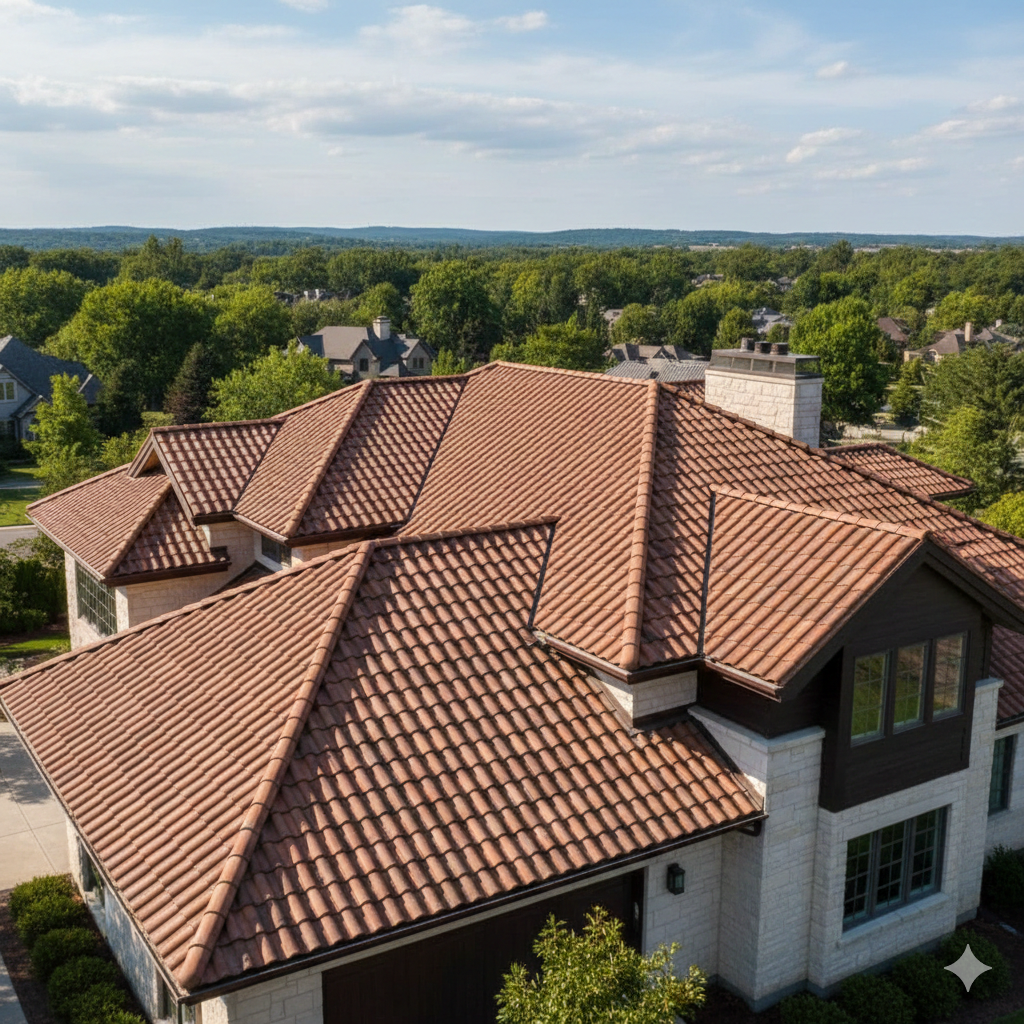
Boral Roof Tile: Identifying Your Existing Roof
Looking for a replacement Boral roof tile? Start with the profile, dimensions and any markings on an existing tile. In the United States, the former Boral North America roofing lines are now part of Westlake Royal Roofing. Ask a supplier to confirm the exact product and its availability before ordering; a similar color does not establish a compatible fit.
What Is a Boral Roof Tile?
For a replacement tile, identify the material and exact profile before comparing colors. Older Boral-branded roofs may use concrete or clay tiles with different shapes and fitting details.
The former Boral North America roofing portfolio is now within Westlake Royal Roofing. See the manufacturer’s brand announcement for the transition. A current product with a similar appearance is not automatically interchangeable with an older tile.
Ask a roofer to document the profile, underside markings, length, width and interlocking edges. Send those details to the supplier and request confirmation of the proposed replacement before ordering.
How to Buy the Best Tile for Your Home
Purchasing a boral roof tile is not as simple as walking into a big-box hardware store. This is a professional-grade material that requires navigating a specialized supply chain.
Determine Your Architectural Style:
The first step is aesthetic alignment. If your home features a French Country design, a flat, slate-textured tile in charcoal or grey is appropriate. For a Californian bungalow, a high-profile barrel tile in terracotta blends perfectly.Locate a Distributor:
Manufacturers generally do not sell directly to the public. You will need to purchase your boral roof tile through a dedicated roofing supply house. Companies like ABC Supply, SRS Distribution, or Beacon Building Products are the standard channels. Visiting their showrooms allows you to see physical samples, which is crucial because catalogs and screens cannot accurately convey the depth and texture of the concrete or clay.Understand Lead Times:
Unlike asphalt shingles which are often stocked in massive quantities, specific profiles of boral roof tile may be made-to-order or produced in batch cycles. It is not uncommon for popular colors to have lead times ranging from 4 to 12 weeks. Always verify stock availability before signing a contract with your installer.Calculate Waste and Overage:
Roofing is an imperfect art. Tiles must be cut to fit valleys, hips, and rakes. It is industry standard to order 10% to 15% more material than the raw square footage of your roof. This overage accounts for breakage during shipping and installation, and provides you with a crucial “attic stock” of matching boral roof tile for future repairs.
How to Find Discontinued Boral Roof Tiles
One of the most frustrating challenges for homeowners is dealing with a broken tile on an older roof. Manufacturers periodically retire molds and colors, making an exact off-the-shelf replacement impossible to find.
Visit Roof Tile Salvage Yards:
Often referred to as “boneyards,” these businesses specialize in collecting old roofing materials. They are the best source for finding a vintage boral roof tile that matches the weathering and dimensions of your existing roof.The “Harvest and Hide” Technique:
If you cannot find a replacement, the most effective solution is to “rob” a tile from a less visible section of your own roof (such as a rear slope or behind a chimney). You can then install a new, closely matching boral roof tile in that hidden spot, and use the harvested original tile for the repair in the visible area.Digital Networking:
Utilize platforms like Craigslist or specialized roofing forums. Contractors often have leftover pallets from previous jobs sitting in their yards. Posting a photo of the underside of your tile (which usually bears the mold number or brand mark) can help experts identify the specific boral roof tile profile you need.
How Much Does a Boral Roof Tile Cost?
Budgeting for a tile roof requires a shift in perspective from short-term expense to long-term investment. While the upfront cost is higher than asphalt, the lifecycle cost is often lower due to the material’s longevity.
Material Expenses:
The cost for the boral roof tile material itself typically ranges from $300 to $500 per square (100 square feet). Premium clay options or specialty blends can rise to $600 – $900 per square.
Installation Labor:
This is where the costs diverge significantly from standard roofing. Installing a heavy boral roof tile requires skilled craftsmanship. Labor rates can fluctuate between $500 and $1,200 per square, depending on the complexity of the roof (steep pitches and many valleys increase the price).
Total Investment:
For a standard 3,000 square foot roof, the total cost for a new boral roof tile system usually falls between $25,000 and $55,000. However, high-end clay installations on complex custom homes can easily exceed $80,000. It is vital to get three detailed quotes that separate material and labor to ensure you are paying a fair market rate.
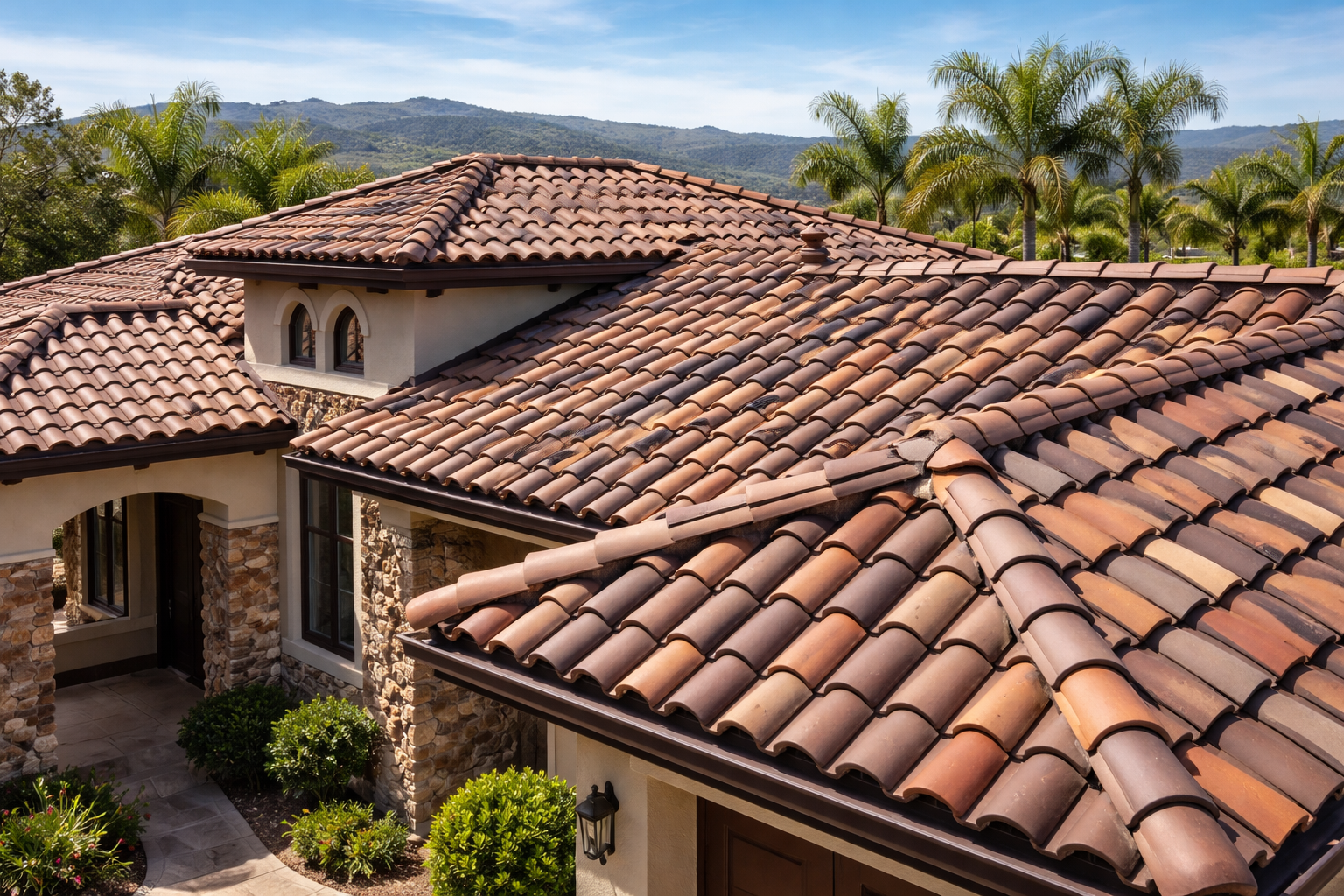
How to Install: Structural Prep and Underlayment
Before changing roof coverings, have the existing structure assessed for the proposed assembly. Use the selected tile’s published weight and the complete system requirements rather than a generic weight range.
Underlayment, flashing, slope and fastening requirements must follow the applicable product instructions and local building requirements. A single underlayment recommendation cannot cover every tile roof or climate.
Ask the installer to identify the tile product, underlayment, flashing materials and relevant installation documents in the quote. Do not assume that the tile surface alone makes the entire roof watertight.
How to Install: Battening and Layout
Proper layout is what separates a professional job from an amateur one. A boral roof tile roof should look symmetrical and uniform.
Batten System:
In many climates, tiles are installed on elevated wooden strips called battens (1x2s or 2x2s). This creates an air gap between the tile and the deck, which is critical for two reasons: it allows water to drain freely, and it creates a thermal barrier that reduces heat transfer into the attic.Vertical and Horizontal Alignment:
Roofers snap chalk lines to ensure the courses remain straight. The layout must be calculated so that the top row near the ridge does not end with a tiny sliver of tile.Fastening Requirements:
Building codes vary by region. In high-velocity hurricane zones (like Florida), a boral roof tile may need to be secured with two screws per tile or set in a bed of expanding poly-foam adhesive. In other regions, the weight of the tile combined with a single nail is sufficient. Always reference the specific manufacturer’s installation manual for your wind zone.
Comprehensive Guide: Sourcing and Installation Specifics
This section addresses four specific topics critical to the successful implementation of your roofing project.
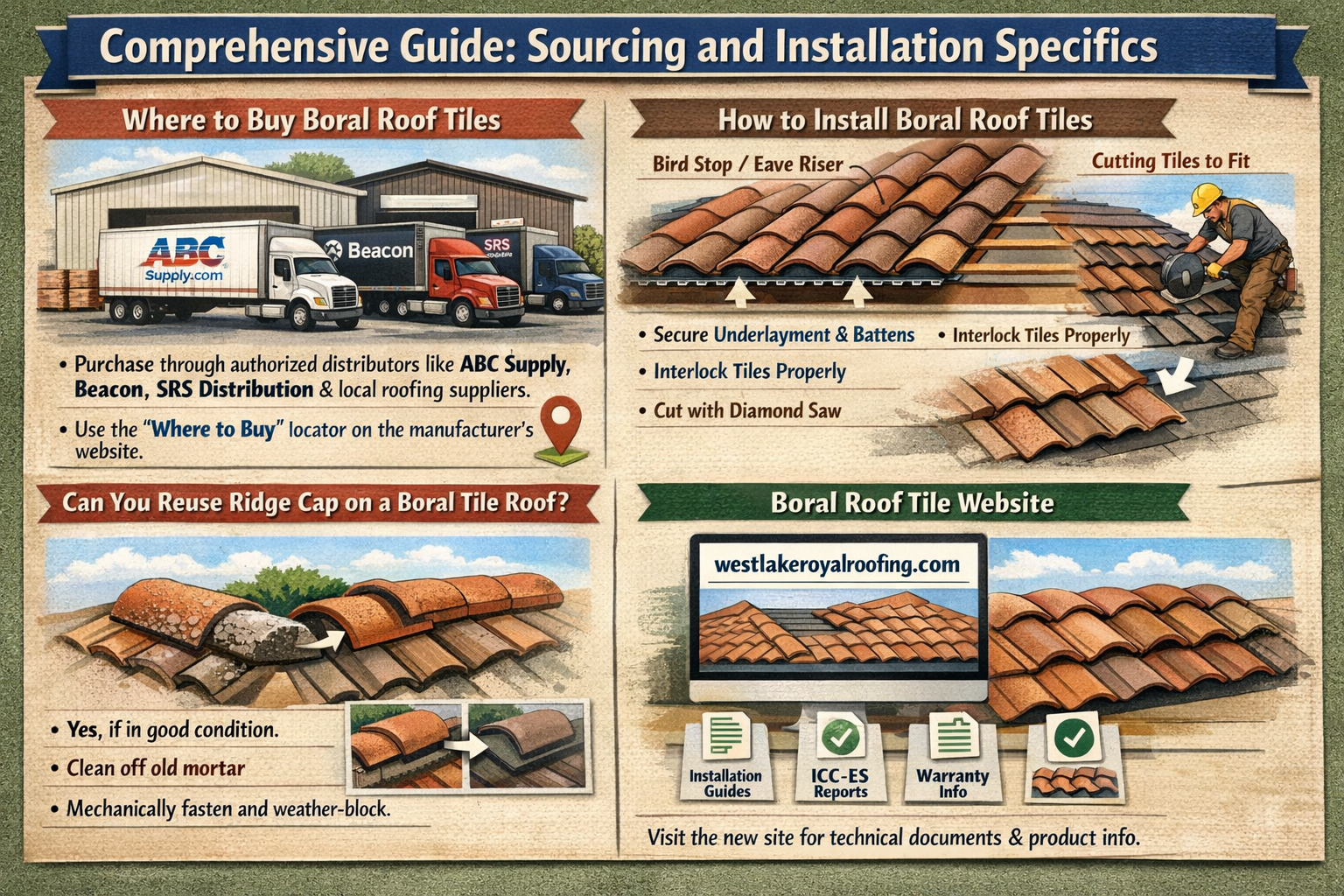
Where to Buy Boral Roof Tiles
You cannot purchase these products directly from the factory. To buy a boral roof tile, you must go through authorized distribution channels. National suppliers such as ABC Supply, Beacon, and SRS Distribution are the primary vendors. Additionally, independent regional roofing supply yards often carry specific profiles popular in their local area. It is highly recommended to use the “Where to Buy” locator on the manufacturer’s website to find a certified distributor near you who can also recommend qualified installers.
How to Install Boral Roof Tiles
Installation is a systematic process. After the underlayment and battens are secure, the crew begins at the eave. A specialized metal strip called a “bird stop” or “eave riser” is installed first to elevate the bottom edge of the first course, ensuring it matches the angle of the subsequent rows. The boral roof tile courses are then laid from right to left (or left to right depending on the lock), working up the roof. Interlocking the side laps correctly is non-negotiable for water resistance. Tiles must be cut with a diamond-blade saw to fit around vents and valleys, and dust management is required to protect the installers.
Can You Reuse Ridge Cap on a Boral Tile Roof
Yes, reusing the ridge cap is a common practice during “lift and relay” projects (where the underlayment is replaced but the tiles are saved). However, this depends on the condition of the caps. The mortar used to bed the original ridge caps often adheres strongly; removing them can cause breakage. If the ridge caps can be salvaged intact, they must be cleaned of old mortar before re-installation. Modern codes often require these caps to be mechanically fastened to a ridge board and then weather-blocked with a flexible pointing compound rather than rigid cement.
Boral Roof Tile Website
Following the acquisition by Westlake, the digital home for these products is westlakeroyalroofing.com. While old URLs like boralroof.com may still redirect, the new site is the central hub for all technical documentation. Here you can find ICC-ES reports, installation guides, warranty registration portals, and digital brochures for every boral roof tile profile currently in production.
How to Clean and Maintain Your Roof
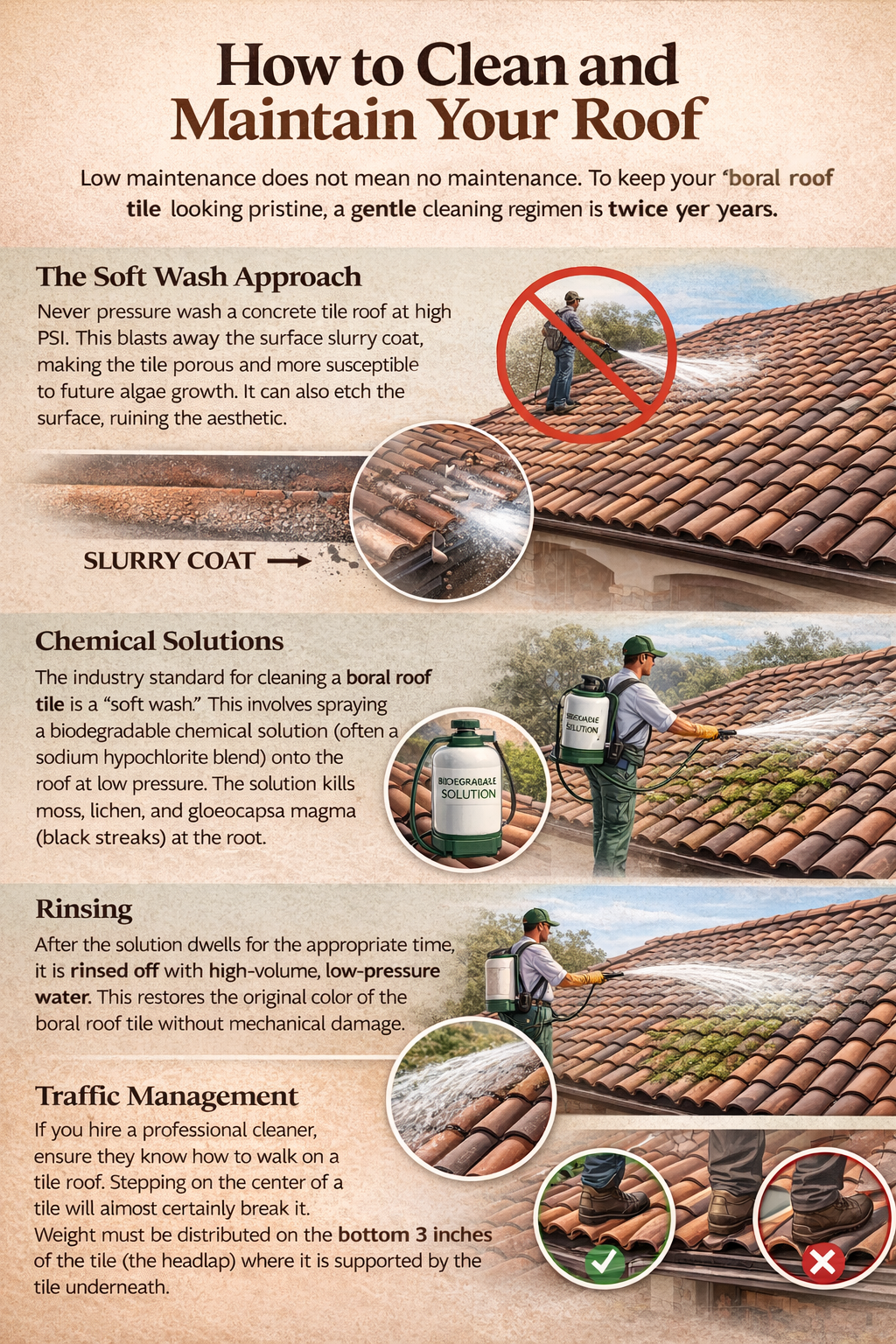
Low maintenance does not mean no maintenance. To keep your boral roof tile looking pristine, a gentle cleaning regimen is recommended every few years.
The Soft Wash Approach:
Never pressure wash a concrete tile roof at high PSI. This blasts away the surface slurry coat, making the tile porous and more susceptible to future algae growth. It can also etch the surface, ruining the aesthetic.Chemical Solutions:
The industry standard for cleaning a boral roof tile is a “soft wash.” This involves spraying a biodegradable chemical solution (often a sodium hypochlorite blend) onto the roof at low pressure. The solution kills moss, lichen, and gloeocapsa magma (black streaks) at the root.Rinsing:
After the solution dwells for the appropriate time, it is rinsed off with high-volume, low-pressure water. This restores the original color of the boral roof tile without mechanical damage.Traffic Management:
If you hire a professional cleaner, ensure they know how to walk on a tile roof. Stepping on the center of a tile will almost certainly break it. Weight must be distributed on the bottom 3 inches of the tile (the headlap) where it is supported by the tile underneath.
Advantages and Benefits
Why do homeowners and builders continue to choose the boral roof tile despite the higher cost? The answer lies in performance.
Extreme Durability: Concrete and clay tiles are impervious to rot and insect damage. They can withstand wind speeds of up to 150 mph when properly fastened.
Thermal Efficiency: The “thermal mass” of a boral roof tile creates a delay in heat transfer. During the day, the tile absorbs heat, preventing it from immediately entering the attic. This can lower cooling costs significantly in hot climates.
Aesthetic Versatility: From the rustic charm of the “Saxony” shake to the clean lines of the “Moderna” slate, there is a profile for every taste.
Eco-Friendly: Made from natural raw materials, a boral roof tile is 100% recyclable at the end of its life, which can be crushed and used for road base.
Challenges to Consider
It is important to be realistic about the potential downsides of this roofing system.
Weight Load: A square of asphalt shingles weighs roughly 250 lbs; a square of boral roof tile can weigh over 1,000 lbs. This necessitates a robust framing structure.
Fragility Under Foot: While they can stop a hailstone, tiles are brittle when walked on. Servicing AC units or cleaning gutters requires extreme care.
Complex Leak Detection: If a leak occurs, the water often travels along the underlayment and enters the home far from the actual break in the tile. This makes diagnostics difficult and often requires removing a large section of the roof to find the source.
Color Batches: Concrete tiles can vary slightly in color from batch to batch. If you need a repair 10 years later, the new boral roof tile may stand out until it weathers to match.
FAQ : Boral roof tile
Is a boral roof tile fireproof?
Yes, both concrete and clay tiles carry a Class A fire rating, the highest available. This makes them an excellent choice for areas prone to wildfires, as they will not combust from ember showers.
How long does the underlayment last?
Historically, organic felts lasted only 20 years, far less than the tiles. However, modern synthetic and modified bitumen underlayments used with a boral roof tile are designed to last 40 to 50 years, matching the lifespan of the tile itself.
Can I paint my boral roof tile?
Yes, concrete tiles can be painted or sealed if they have faded over time. Special acrylic roof coatings are available that bond to the concrete, restoring the color and adding a layer of UV protection.
What is the warranty coverage?
Westlake Royal Roofing provides a Limited Lifetime Warranty for the original owner of a boral roof tile system. This warranty is typically transferable to a second owner, which is a strong selling point if you list your home.
Do tiles break easily in hail?
A boral roof tile is much more resistant to hail than asphalt or metal. Concrete tiles can typically withstand hail up to 2 inches in diameter without cracking, protecting the underlayment below.
Conclusion
A boral roof tile system offers a unique combination of old-world charm and modern engineering resilience. While the initial investment is significant, the dividends are paid out over decades in the form of lower energy bills, minimal maintenance, and unmatched curb appeal. By prioritizing proper installation techniques and choosing the right materials, you are building a shelter that will likely outlast your tenure in the home. Whether you are drawn to the earthy tones of clay or the structural strength of concrete, this roofing solution remains a benchmark for quality in the construction industry.
Other Resources
Roofle – Product catalog page displaying Boral clay and concrete roofing tile options.
Westlake Royal Roofing – Manufacturer website providing information on clay, concrete, and composite roofing systems.
Roofing Wholesale Company – Product guide PDF outlining clay and concrete roof tile specifications and selection criteria.
Other Helpful Articles
Modified Bitumen Roof Repair – Article discussing repair methods for modified bitumen roofing systems.
Flat Roof Vents – Guide explaining flat roof vent types and ventilation considerations.
Arched Metal Roof – Article describing arched metal roof designs and common applications.
