
Roof Snow Melt Systems: Options and Maintenance
Roof snow melt systems: Easy Ways to Save
Winter brings a serene beauty to the landscape, but for homeowners, it often brings the hidden danger of ice dams and structural damage. If you live in a colder climate, you have likely looked up at your eaves with concern, seeing massive icicles forming. This is where roof snow melt systems come into play as an essential home defense mechanism. These systems are not merely a luxury; they are a functional necessity for preserving the integrity of your roof and the safety of the people below.
Many people struggle with the accumulation of heavy snow, which can lead to leaks, warped gutters, and even interior water damage. By implementing high-quality roof snow melt systems, you can mitigate these risks significantly. This comprehensive guide will walk you through every aspect of the technology, from the initial purchase to the final installation and maintenance. We will explore exactly what these systems are, how to find the best vendors, and the specific steps required to keep them running efficiently for years.
The market for roof snow melt systems has expanded rapidly, offering various solutions ranging from simple zig-zag cables to advanced conductive mats. Understanding the nuance between these products is critical. We will delve deep into the mechanics of how to do the installation correctly, how to buy the right materials, and how to clean around the delicate components. If you are ready to secure your home against the harshness of winter, reading about roof snow melt systems is your first step toward peace of mind.
What Is a Roof Snow Melt System?
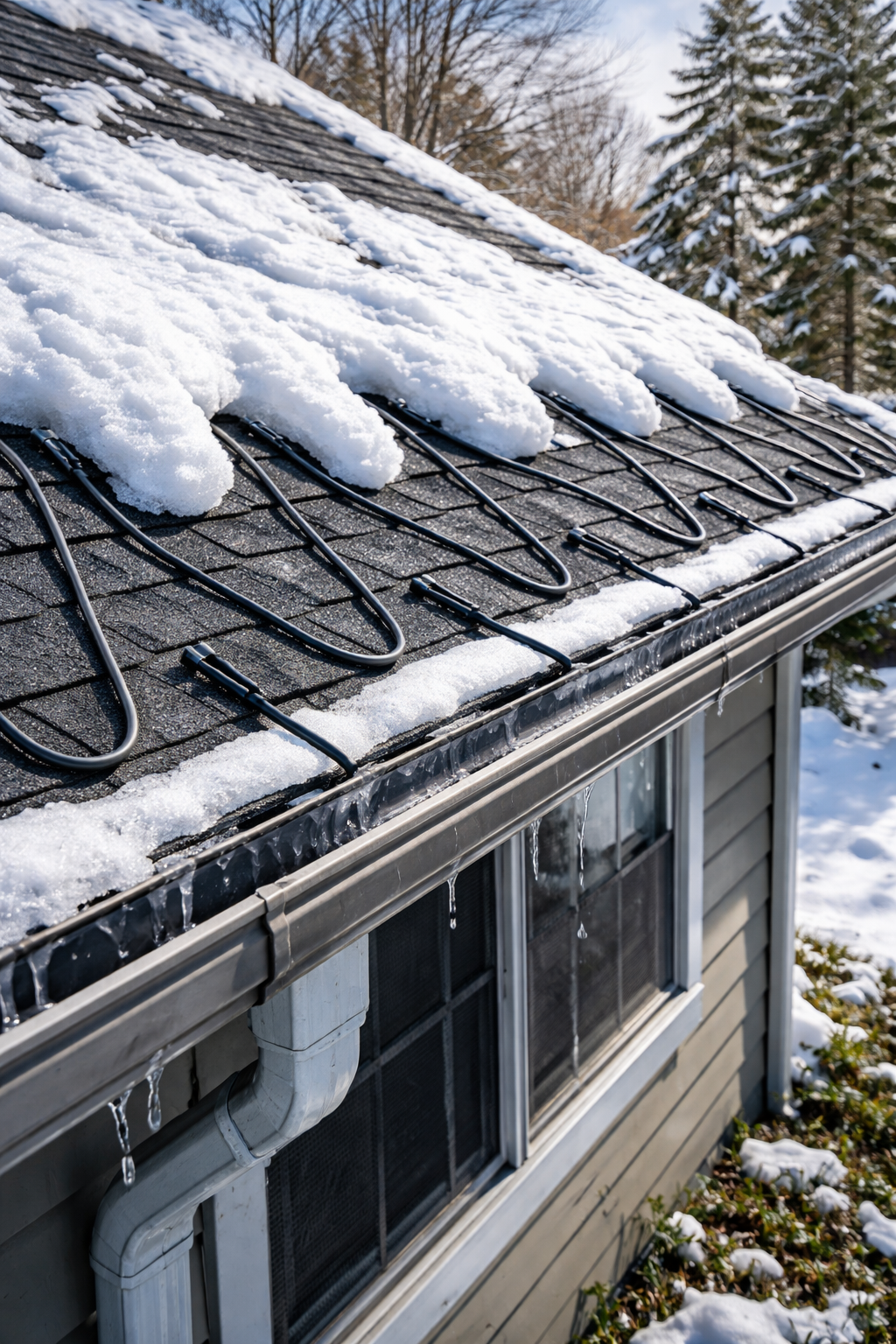
At its core, a roof snow melt system is a heating solution designed to prevent the formation of ice dams and facilitate the proper drainage of water from your roof. Ice dams occur when the snow on the upper, warmer parts of your roof melts and runs down to the colder eaves, where it refreezes. This dam prevents subsequent water from draining, forcing it to back up under shingles. The primary function of roof snow melt systems is to maintain a channel for this water to flow freely into the gutters and downspouts.
Most roof snow melt systems utilize electric heating cables or specialized hydronic tubing, though electric versions are far more common for residential retrofits. These cables are resistant to ultraviolet light and extreme weather conditions. When activated, the roof snow melt systems generate a moderate amount of heat—just enough to break the bond of the snow and ice or melt pathways through the accumulation. It is important to note that these systems are not designed to clear the entire roof of snow, as that would be prohibitively expensive and energy-intensive.
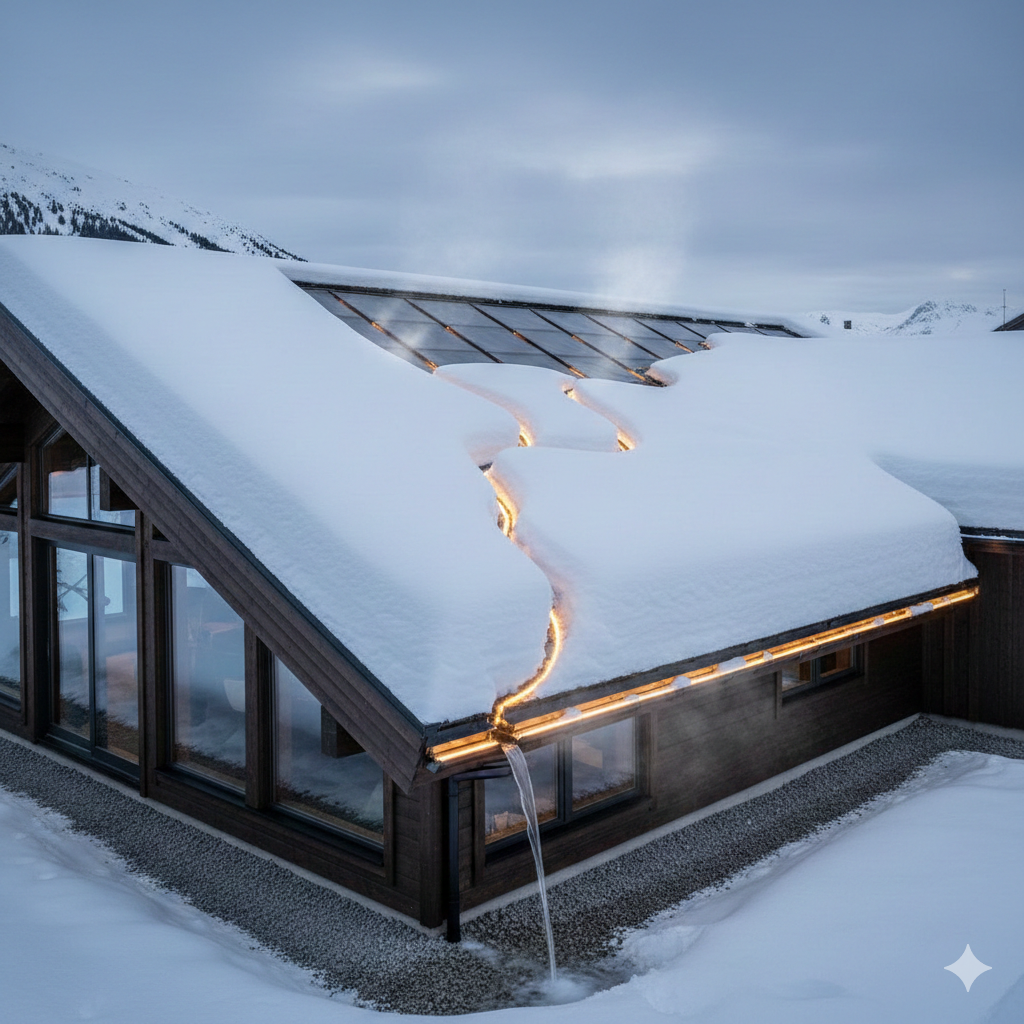
Instead, efficient roof snow melt systems focus on the critical areas: the roof edge, valleys, gutters, and downspouts. By keeping these areas clear, the system ensures that when the rest of the snow melts naturally or via the system’s influence, the water has a clear exit route. Modern roof snow melt systems can be automated with sensors that detect moisture and temperature, turning on only when conditions are right for ice formation, thereby saving energy and reducing manual oversight.
How to Find the Right System for Your Home
Finding the appropriate roof snow melt systems for your specific property requires a bit of research and an understanding of your roof’s architecture. Not all roofs are created equal, and a system that works for a steep asphalt shingle roof may not be suitable for a flat membrane roof. Start by assessing your problem areas. Do you get ice dams across the entire eave, or just in shaded valleys? Identifying the scope of the problem is the first step in finding the right roof snow melt systems.
*Local Roofing Contractors: Often, the best way to find a reliable system is to ask a local roofer. They have likely installed dozens of roof snow melt systems in your area and know which brands hold up against the local climate. They can also tell you which systems are compatible with your specific roofing material.
*Electrical Wholesalers: While big-box stores carry basic kits, electrical wholesalers often stock professional-grade roof snow melt systems. These units often have longer warranties and more durable jacket materials compared to the consumer-grade versions found in general hardware stores.
When you are looking for roof snow melt systems, pay attention to the voltage requirements. Some systems operate on standard 120V outlets, while more robust systems require 240V hardwiring. Ensuring your home’s electrical panel can handle the additional load is a crucial part of the “how to find” process. Always look for UL or CSA certifications on any roof snow melt systems you consider to ensure they meet safety standards.
Specialized Solutions: Flat and Metal Roofs
When discussing de-icing technology, we must address specific architectural needs. There is a distinct difference between standard residential solutions and specialized applications. Here, we analyze four specific categories that require attention when selecting your equipment.
First, flat roof snow melt systems present unique challenges because they lack the help of gravity for drainage. On a flat roof, pooling water is a significant enemy. These systems often utilize a more extensive coverage layout or specialized mats rather than simple cables to ensure that drainage paths remain completely open to the scuppers or internal drains. Without a dedicated flat roof solution, standing water can refreeze and damage the roof membrane.
Second, the electric ice melt roof approach is generally preferred over hydronic systems for retrofits. An electric ice melt roof system is easier to control and install. It provides immediate heat to the affected area without the risk of leaking glycol fluids. These electric setups are highly responsive, often integrating with smart home controllers to activate only when necessary.
Third, the broader category of roof melting systems encompasses both preventative and reactive solutions. While some homeowners look for chemicals, mechanical roof melting systems (heating cables) are superior because they do not damage the shingles or pollute the runoff water. These systems provide a permanent infrastructure solution rather than a temporary chemical fix.
Finally, metal roof snow melt systems require different installation hardware. You cannot nail clips into a metal roof without compromising its waterproofing. Therefore, metal roof snow melt systems usually adhere with specialized high-strength glue or clamp onto the standing seams of the metal panels. This ensures the cables stay in place despite the slick surface of the metal, where snow slides are frequent and heavy.
Advantages and Challenges You Must Know
Investing in roof snow melt systems brings a wealth of benefits, but like any home improvement project, there are challenges to consider. The primary advantage is the protection of your property. By preventing ice dams, roof snow melt systems save you from the potential of thousands of dollars in water damage repairs. They also protect pedestrians from falling icicles, which is a significant liability issue for homeowners. Furthermore, they reduce the need for dangerous manual snow removal, keeping you off the ladder in slippery conditions.
However, the challenges of roof snow melt systems should not be ignored. The installation process can be meticulous, requiring work at heights. Energy consumption is another factor; if not managed with a thermostat or sensor, these systems can increase your electric bill. Additionally, aesthetics can be a concern for some. While modern cables are sleek, they are still visible on the roof. However, many homeowners find the trade-off of having visible roof snow melt systems worth the protection they provide.
Another challenge is the compatibility with existing gutters. If you have plastic gutters, you must ensure the roof snow melt systems you choose are rated for use with them, as some cables can get hot enough to warp lower-quality materials. Despite these challenges, the consensus among experts is that the advantages of preserving the roof structure far outweigh the installation and operational hurdles.
How to Buy: A Step-by-Step Purchasing Guide
Knowing how to buy the correct components for roof snow melt systems is just as important as the installation itself. You do not want to end up with a cable that is too short or a controller that is incompatible.
2. Select the Cable Type: Decide between constant wattage and self-regulating cables. Self-regulating roof snow melt systems are highly recommended because they are energy efficient and safer, as they cannot overheat even if the cable overlaps itself.
3. Choose the Control Method: You can buy a simple manual switch, but an automatic sensor is better. Automated roof snow melt systems detect moisture and temperature, turning the system on only when ice is likely to form, which saves money in the long run.
4. Buy Installation Accessories: Do not forget the clips, spacers, and adhesive tape. Many first-time buyers of roof snow melt systems forget that they need specialized clips to attach the cable to the shingles or standing seams.
When you are ready to purchase roof snow melt systems, check the warranty. A good cable should have a warranty of at least 10 years. Buying from a reputable dealer ensures that if a component of your roof snow melt systems fails, you have recourse for a replacement.
How Much Do These Systems Cost?
The cost of roof snow melt systems varies widely based on the size of the roof and the complexity of the installation. For a standard residential home, the materials for a DIY kit might range from $300 to $800. This usually covers the heating cables, clips, and a basic controller. However, for professional-grade roof snow melt systems installed by a certified electrician and roofer, the price can range from $1,500 to over $4,000.
The operational cost is another factor to consider when asking “how much.” Since roof snow melt systems run on electricity, your utility bill will increase during the winter months. A typical system might use between 5 to 8 watts per foot of cable. If you have 200 feet of cable running for 24 hours, the usage adds up. This is why investing in automated controllers for your roof snow melt systems is financially prudent—they limit the runtime to only the necessary hours.
It is also worth noting that the cost of roof snow melt systems is significantly lower than the cost of repairing water damage caused by ice dams. A single instance of water infiltrating your walls and destroying insulation can cost thousands to remediate, making the upfront investment in roof snow melt systems a wise financial decision for long-term home maintenance.
How to Install Your De-Icing System
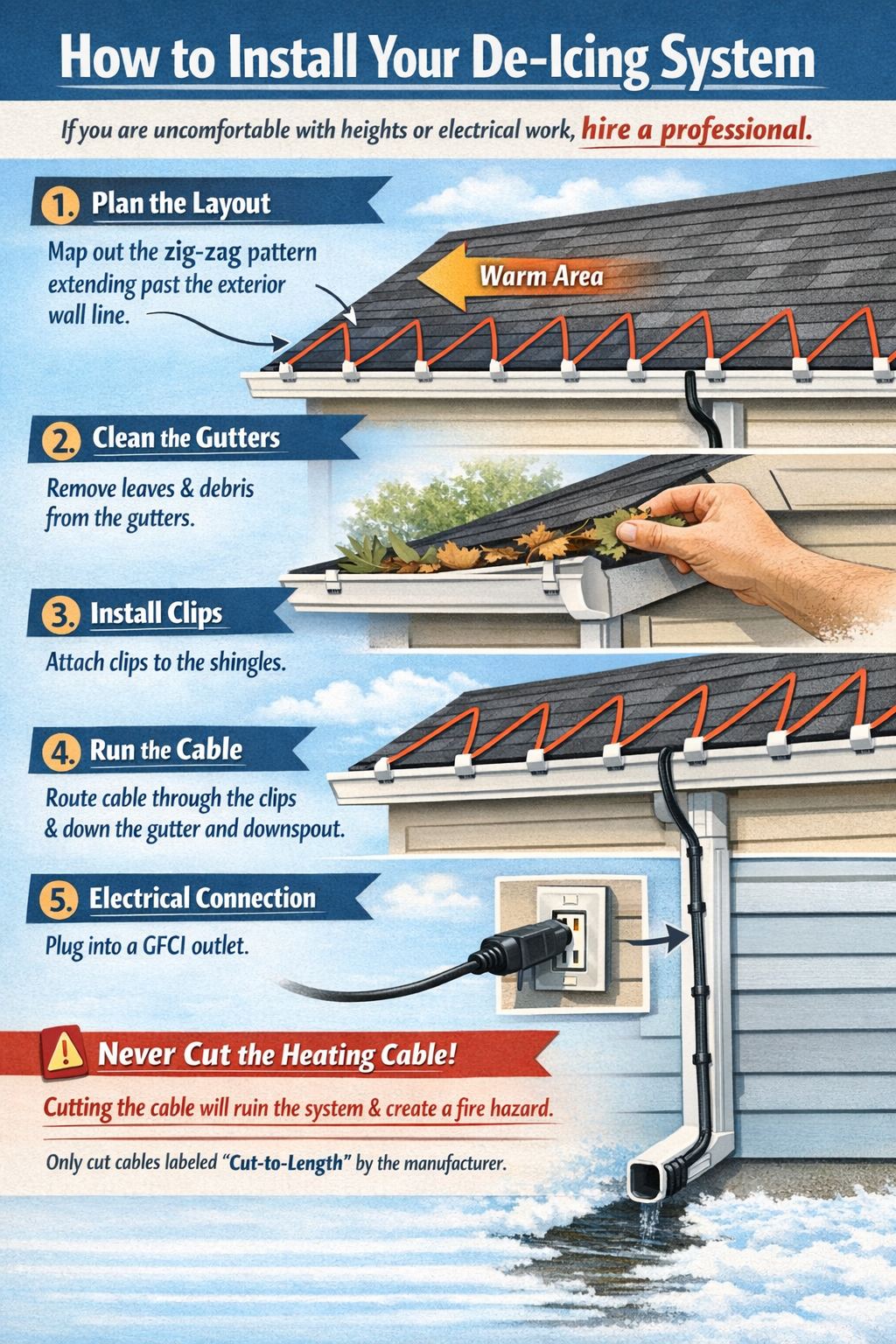
Installing roof snow melt systems is a task that can be done by a handy homeowner, but it requires strict adherence to safety and electrical codes. If you are uncomfortable with heights or electrical work, it is best to hire a professional.
2. Clean the Gutters: You must install the cable in clean gutters. Remove all leaves and debris so the roof snow melt systems can sit flush against the bottom of the gutter trough.
3. Install Clips: Attach the clips to the shingles or standing seams. Be careful not to damage the roof integrity. For asphalt roofs, clips usually slide under the shingle.
4. Run the Cable: Loop the cable through the clips in the zig-zag pattern. Then, run the cable down into the gutter and all the way down the downspout. It is crucial that roof snow melt systems extend to the bottom of the downspout so the melted water has a place to exit.
5. Electrical Connection: Plug the system into a GFCI-protected outdoor outlet. If hardwiring, have an electrician make the final connection.
Never cut the heating cable of roof snow melt systems unless the manufacturer specifically states it is a “cut-to-length” product. Cutting a constant wattage cable will ruin the entire system and create a fire hazard.
How to Do Routine Maintenance
Maintenance is key to the longevity of roof snow melt systems. These systems are durable, but they are exposed to the harshest elements nature can offer. The best time to perform maintenance is in late autumn, before the first snow falls.
Start by visually inspecting the cables. Look for any signs of cracking, cuts, or animal damage. Squirrels and raccoons sometimes chew on roof snow melt systems. If you find damage, the compromised section must be repaired or the cable replaced. Next, check the clips. Wind and shifting ice can loosen the clips that hold the roof snow melt systems in place. Re-secure any loose clips to ensure the proper zig-zag pattern is maintained.
Clear the gutters of leaves and twigs. Debris can insulate the cable, causing it to work inefficiently, or it can trap water, which defeats the purpose of the roof snow melt systems. Finally, test the system. Turn it on for a short period to ensure it is generating heat. If you have an automatic controller, test the sensors to ensure they are reading temperature and moisture levels accurately.
How to Clean Around Heating Cables
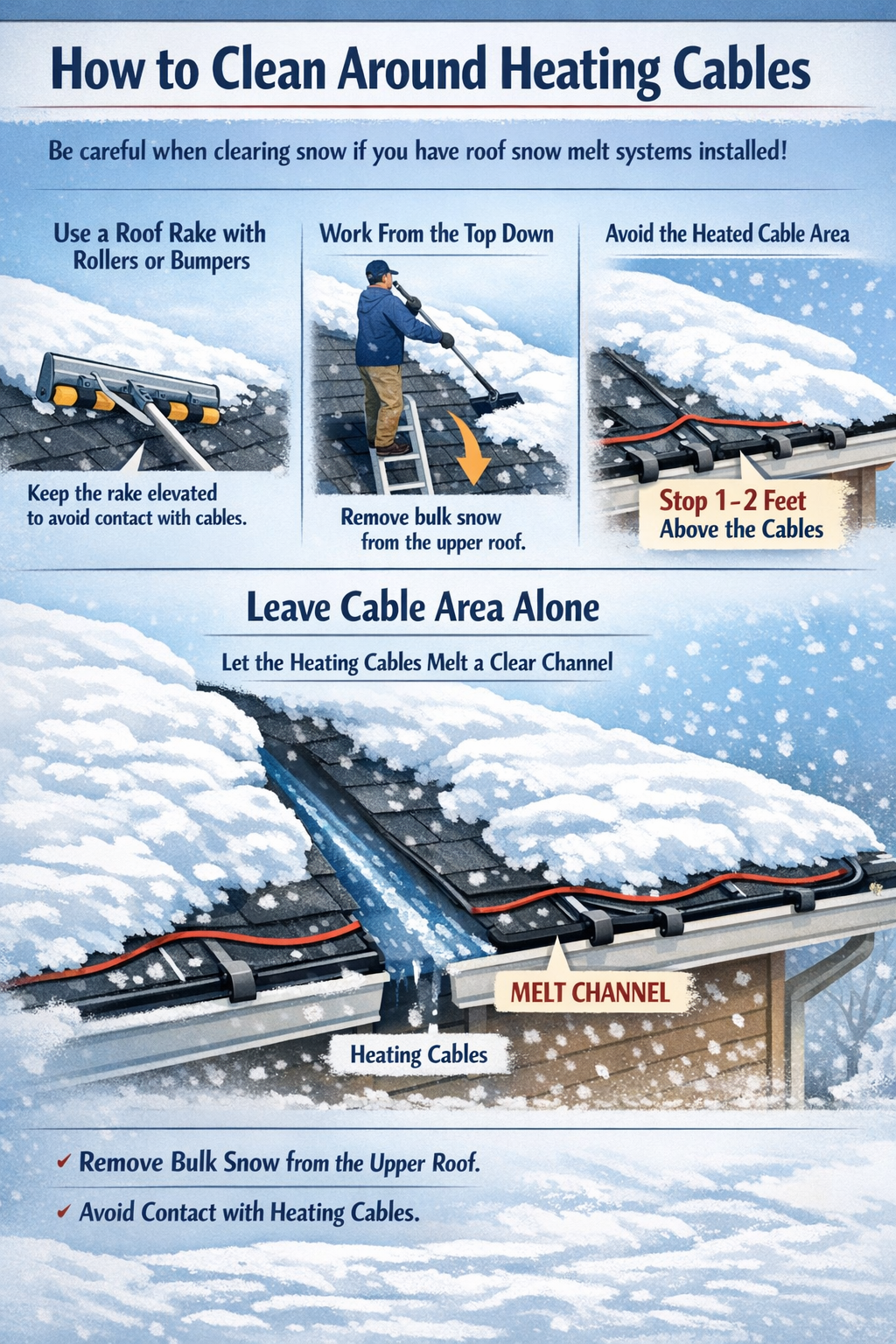
Knowing how to clean your roof when you have roof snow melt systems installed is vital. You cannot simply aggressively rake the roof as you might have done in the past. A roof rake can easily snag on a heating cable and rip it loose, or worse, slice through the insulation jacket.
When using a roof rake near roof snow melt systems, you must be incredibly gentle. Use a rake with specialized rollers or bumpers that keep the blade elevated slightly off the shingle surface. It is often better to leave the snow that is directly on top of the cables alone; let the roof snow melt systems do their job. The system is designed to melt a channel, not to remove every inch of snow.
If you must remove bulk snow, work from the top down and stop a foot or two before you reach the eaves where the roof snow melt systems are installed. Manual removal of the bulk snow above the cables can help the system work more efficiently by reducing the volume of meltwater it has to handle, but direct contact with the cables should be avoided to prevent accidental damage.
Why Electric Ice Melt Roof Options Win
We briefly touched on electric options earlier, but it is worth expanding on why electric roof snow melt systems are the dominant choice for residential applications. Hydronic systems, which pump heated fluid through tubing, are incredibly efficient for driveways or new construction floors, but they are heavy, complex, and prone to leak risks when installed on a roof.
Electric roof snow melt systems are lightweight and require minimal modification to the existing roof structure. The self-regulating technology available in modern electric cables is a game-changer. It means the cable senses where the roof is cold and needs heat, and where it is warm (perhaps due to sun exposure) and needs less heat. This “smart” output makes electric roof snow melt systems surprisingly energy efficient.
Furthermore, the maintenance of electric roof snow melt systems is far simpler than hydronic ones. There are no pumps to fail, no fluids to change, and no boilers to service. For the average homeowner looking for a retrofit solution to prevent ice dams, electric roof snow melt systems offer the best balance of cost, ease of installation, and reliability.
Common Myths About Roof Melting Systems
There are several misconceptions surrounding roof snow melt systems that often deter homeowners from installing them. One common myth is that they will ruin the roof shingles. In reality, modern roof snow melt systems are designed to operate at safe temperatures that do not damage asphalt or metal. In fact, they prevent the damage caused by prying ice dams off with a shovel.
Another myth is that roof snow melt systems are incredibly expensive to run. While they do use electricity, they are not meant to run 24/7 all winter. With proper sensors, they run only during the specific conditions when ice dams form (snow melting temps around freezing). The cost of operation is a fraction of the cost of structural repairs.
A final myth is that roof snow melt systems are ugly. While early versions were bulky and stark black, many modern cables come in lighter colors or can be installed discreetly. The minimal visual impact is a small price to pay for the protection offered. By debunking these myths, we can see that roof snow melt systems are a practical, safe, and effective tool for winter home maintenance.
FAQ : Roof snow melt systems
Can I leave my roof snow melt systems plugged in all winter?
It is not recommended to leave manual systems plugged in constantly. It wastes electricity and burns out the cable faster. Use a thermostat or sensor.
Do roof snow melt systems work in extreme sub-zero temperatures?
These systems are most effective between 15°F and 35°F. In extreme sub-zero cold, snow usually doesn’t melt naturally to form ice dams, so the system is less critical then.
Can I install roof snow melt systems on an old roof?
Yes, providing the shingles are not brittle or crumbling. If the roof is due for replacement soon, it is better to wait and install the system with the new roof.
How long do roof snow melt systems last?
With proper maintenance, high-quality cables can last 15 to 20 years.
Do roof snow melt systems prevent all icicles?
No, they prevent ice dams. Some small icicles may still form, but the dangerous buildup that causes leaks will be prevented.
Are roof snow melt systems safe for plastic gutters?
You must check the manufacturer’s specifications. Some cables are rated for plastic gutters, while others get too hot.
Conclusion
Winter should be a season of enjoyment, not a season of worry about your home’s structural integrity. Ice dams are a formidable enemy, capable of causing significant damage in a short amount of time. Fortunately, roof snow melt systems provide a reliable, effective solution to this pervasive problem. By understanding what these systems are, how to choose the right one for your specific roof type, and how to maintain them properly, you can safeguard your investment.
Whether you opt for a DIY kit or a professionally installed system, the key is to take action before the snow begins to fall. The peace of mind that comes from knowing your eaves are clear and your drainage is flowing is invaluable. Roof snow melt systems are not just an expense; they are an investment in the longevity and safety of your home. As you prepare for the coming winter, consider the benefits outlined in this guide and make the choice to install roof snow melt systems to keep your home warm, dry, and secure.
Other Resources
ThermoSoft – Product page detailing roof and gutter snow melting cable systems.
Heated Roof Systems – Company website providing heated roof solutions for ice and snow management.
Edge Melt Systems – Manufacturer site describing roof edge and gutter snow melting systems.
Therma-HEXX – Informational page explaining snow melting solutions designed for flat roof applications.
Other Helpful Articles
Raking Snow From Roof – Guide explaining safe practices for removing snow from roofs.
Roof Harness – Article describing roof harness systems and their role in fall protection.
High-Quality Roof Membrane Replacement – Guide outlining considerations for replacing roof membranes with durable materials.
