
Metal roof ice dam: Expert Way
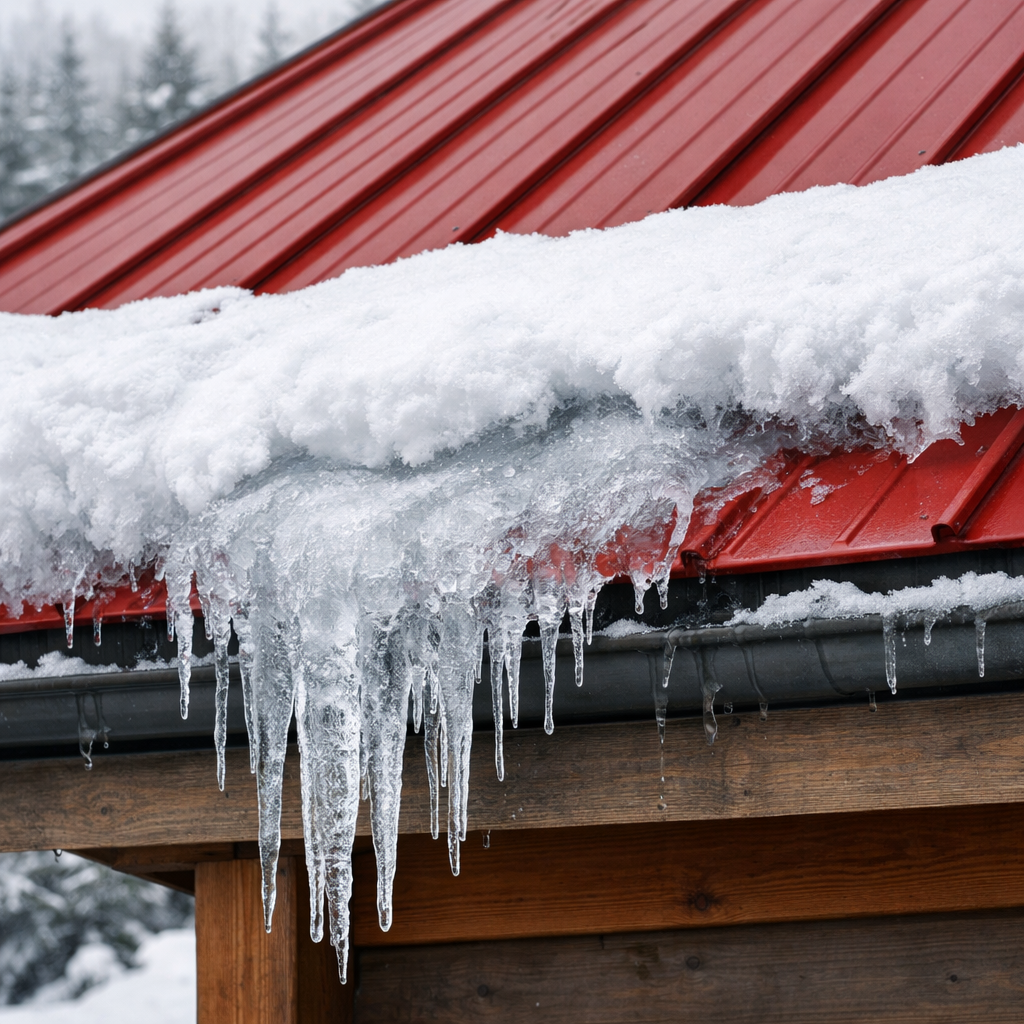
Metal roof ice dam: Critical Tips
Winter brings a serene beauty to the landscape, but for homeowners, it also brings specific anxieties regarding structural integrity and water damage. One of the most pervasive issues facing those living in colder climates is the formation of a metal roof ice dam. While metal roofing is renowned for its durability and snow-shedding capabilities, it is not immune to the laws of thermodynamics that create these icy barriers. Understanding the mechanics behind a metal roof ice dam is the first step toward securing your home against water infiltration, rot, and insulation damage.
A metal roof ice dam forms when heat from the interior of your home escapes into the attic, warming the roof deck and melting the snow sitting on top. This meltwater runs down the slope of the roof until it reaches the cold eaves, where it refreezes. Over time, this ice builds up, creating a ridge that traps subsequent meltwater, forcing it to back up under the roofing materials. Dealing with a metal roof ice dam requires a comprehensive approach that includes identifying the root causes, implementing immediate removal strategies, and investing in long-term prevention.
What Is a Metal Roof Ice Dam and Why It Occurs
To effectively combat a metal roof ice dam, one must first understand exactly what it is. Essentially, it is a ridge of ice that forms at the edge of a roof and prevents melting snow (water) from draining off the roof. On a metal surface, this dynamic is slightly different than on asphalt shingles, but the result is the same. The water backs up behind the dam and can leak into a home and cause damage to walls, ceilings, insulation, and other areas. The creation of a metal roof ice dam is usually the result of a complex interaction between heat loss from the house, snow cover, and outside temperatures.
The primary driver of a metal roof ice dam is uneven roof surface temperatures. When the upper portion of the roof is above freezing (32°F) due to escaping heat from the living space, the snow melts. As the water flows down to the eaves—which are not over the heated living space and are therefore at the ambient outdoor temperature—it freezes. This cycle repeats, building the metal roof ice dam higher and higher.
Furthermore, the design of the metal panels can influence how a metal roof ice dam impacts the structure. Standing seam roofs, for instance, have vertical ribs that can channel water, but if the ice dam grows high enough, it can encompass these seams. If the hydrostatic pressure becomes great enough, the water pooled behind the metal roof ice dam can be forced up and over the seams or through the fasteners on exposed fastener systems, leading to significant interior leaks.

How to Do a Proper Inspection for Ice Issues (H3)
Knowing how to do a thorough inspection is vital for catching a metal roof ice dam before it causes catastrophic damage. The inspection process should begin from the ground. You do not always need to climb a ladder to spot the early warning signs. Look closely at the eaves of your home. If you see large icicles hanging from the gutters or the edge of the roof, this is a strong indicator that a metal roof ice dam is forming or has already formed.
However, the presence of icicles alone does not confirm a leak; it only confirms the thermal conditions that create a metal roof ice dam. To do a more thorough check, you must inspect the interior of your home. Go into your attic during the day. Look for water stains on the underside of the roof sheathing. If you see wet spots, frost accumulation, or water trails, the metal roof ice dam has likely breached the exterior barrier.
Another crucial step in how to do this inspection involves checking your exhaust fans. Ensure that bathroom and kitchen fans are vented directly to the outside and not into the attic. If they vent into the attic, they are dumping warm, moist air directly onto the underside of the roof, accelerating the formation of a metal roof ice dam. Correcting these ventilation issues is often the most effective way to do away with the problem permanently.
How to Find the Right Professionals for Help
If you have identified a severe metal roof ice dam, knowing how to find the right professional assistance is critical. Not all roofing contractors are equipped to handle metal roofing specifically, and even fewer specialize in safe ice dam removal. Using the wrong techniques on metal can scratch the finish, dent the panels, or compromise the watertight integrity of the system.
To find a qualified expert to handle your metal roof ice dam, start by searching for contractors who are certified by major metal roofing manufacturers. These certifications indicate that the contractor understands the specific installation and maintenance requirements of metal systems. When interviewing potential companies, ask specifically about their methods for removing a metal roof ice dam.
Online reviews can also be a helpful resource when trying to find help for a metal roof ice dam. Look for reviews that mention winter services specifically. A contractor might be excellent at installing roofs in the summer but lack the expertise or equipment to safely remove a metal roof ice dam in freezing conditions. Verify their insurance as well; working on an icy metal roof is dangerous, and you need to ensure that the workers are covered by workers’ compensation and liability insurance to protect yourself from litigation should an accident occur.
How to Buy Prevention Products
Learning how to buy the right products to prevent a metal roof ice dam can save you thousands of dollars in repairs. The market is flooded with various gadgets and systems, but for metal roofs, your options generally fall into two categories: snow retention systems and heating systems. Buying the wrong product can sometimes exacerbate the issue or damage the roof coating.
When looking to buy snow guards to help manage the snow load (which indirectly helps manage the metal roof ice dam by preventing massive slides that block gutters), choose guards that clamp onto the seams if you have a standing seam roof. Avoid glue-on guards if possible, as they have a higher failure rate over time. For exposed fastener roofs, ensure the guards are installed into the structural members of the roof deck, not just the sheeting.
When you buy heat cables, ensure they are rated for metal roofs. Some cables can overheat or react poorly with metal surfaces. You will also need to buy the appropriate clips to attach the cables. Never drill holes through the metal panels to attach cables. Instead, buy clips that adhere to the panels or clamp to the seams. A metal roof ice dam cannot form if the path for the water is kept open by a high-quality heating cable system.
Common Myths and Realities of Metal Roofing
There is a significant amount of misinformation regarding how metal roofs interact with winter weather. It is essential to address these nuances to fully understand the metal roof ice dam phenomenon.
1: Do metal roofs prevent ice dams?
The short answer is no. While metal is slippery, it does not change the thermal dynamics of the building envelope. If heat escapes your attic, it will melt the snow regardless of the roofing material. A metal roof ice dam forms just as easily as an asphalt one if the attic is poorly insulated. The material itself is not an insulator; in fact, metal transfers heat very efficiently, which can sometimes speed up the melting process if the deck is warm.
2: Ice dam metal roof
The interaction between an ice dam metal roof setup is unique because of the potential for sliding ice. Unlike asphalt, where the ice locks into the granules, ice on metal can slide suddenly. This can be dangerous for pedestrians below but also helpful for clearing the roof. However, if the ice dam is anchored at the gutter, the sliding snow creates massive pressure against that dam, potentially bending the metal eaves.
3: Can you get ice dams with a metal roof?
Yes, can you get ice dams with a metal roof is a question with a definitive affirmative. If the outdoor temperature is below freezing and the roof surface temperature is above freezing, you will get melting and refreezing. The presence of metal does not negate the physics of heat transfer. The metal roof ice dam is a symptom of the building’s energy efficiency, not necessarily a failure of the roof covering itself.
4: Ice dam prevention metal roof
Effective ice dam prevention metal roof strategies rely on “the cold roof” principle. This means keeping the roof deck temperature as close to the outdoor temperature as possible. This is achieved not by changing the metal, but by sealing air leaks in the attic floor and adding insulation. If the heat stays in the living room, the snow on the roof stays frozen, and the metal roof ice dam never forms.
How Much Do Solutions Cost?
Homeowners often ask how much it costs to deal with a metal roof ice dam. The costs vary wildly depending on whether you are paying for emergency removal or long-term prevention. Emergency removal of a metal roof ice dam using steam is a labor-intensive process. Companies typically charge an hourly rate for a two-man crew.
Emergency Removal: You can expect to pay between $300 and $600 per hour. Since a severe **metal roof ice dam** can take several hours to melt safely, a total bill of $1,000 to $2,000 is not uncommon.
Prevention (Heat Cables): Installing a high-quality heat cable system to prevent a **metal roof ice dam** generally costs between $15 and $30 per linear foot installed.
Prevention (Insulation):Upgrading attic insulation and ventilation to address the root cause of the **metal roof ice dam** can cost between $1,500 and $4,000, depending on the size of the attic and the current state of the insulation.
While the upfront cost of fixing the ventilation seems high, it is a one-time expense that solves the metal roof ice dam problem permanently and lowers energy bills. In contrast, paying for removal is a recurring cost that does not solve the underlying issue. Therefore, when asking how much it costs, consider the lifecycle cost of the solution.
How Long Does Remediation Take?
The duration of time required to fix or remove a metal roof ice dam depends on the severity of the buildup and the chosen method. If you are hiring a professional to steam off a metal roof ice dam, the process is relatively slow because the goal is to melt the ice without overheating the metal coating.
For an average-sized home with a moderate metal roof ice dam along the eaves, the removal process can take between 3 to 6 hours. This includes setup time, the actual steaming, and clearing the snow from the roof to prevent immediate reformation. If the metal roof ice dam has extended into the valleys or covers the entire roof surface, the process can take multiple days.
Regarding prevention installation, installing heat cables usually takes one day. However, fixing the insulation and ventilation to permanently stop the metal roof ice dam from forming can take 1 to 2 days depending on whether baffles need to be installed, old insulation needs to be removed, or new soffit vents need to be cut. It is a time investment, but one that pays off by eliminating the metal roof ice dam risk.
How to Install Prevention Systems
If you choose to install a heat cable system to manage a metal roof ice dam, doing it correctly is paramount. Improper installation can damage the cable or the roof.
-
Plan the Layout: Determine the path of the meltwater. The cable needs to create a channel through the metal roof ice dam area and down into the gutter and downspout.
-
Clean the Surface: Ensure the metal is clean and dry. Adhesives used for clips will not stick to a dirty or icy roof.
-
Attach Clips: For a standing seam roof, attach the clips to the seams. Do not penetrate the roof deck. Space the clips according to the cable manufacturer’s instructions.
-
Run the Cable: Weave the cable in a zigzag pattern along the eaves where the metal roof ice dam usually forms. The height of the zigzag should extend past the exterior wall line of the house.
-
Drop into Gutters: Run the cable along the bottom of the gutter and down the inside of the downspout. This ensures that once the metal roof ice dam melts, the water has a liquid path to the ground.
Installing snow guards is different. These are usually clamped or screwed in rows to prevent snow slides. While they don’t stop a metal roof ice dam, they keep the snow mass in place, which can sometimes help insulating the roof deck from outdoor cold, although this is a secondary effect. The primary focus for metal roof ice dam prevention is the heat cable installation or attic sealing.

How to Clean and Maintain Your Roof
Regular maintenance is the proactive way to avoid a massive metal roof ice dam. How to clean the roof safely involves using the right tools. A roof rake is the homeowner’s best friend in this scenario. Using a roof rake with small wheels or bumpers prevents the rake head from scraping the paint off the metal panels.
If a metal roof ice dam has already formed, cleaning becomes more difficult. Do not use salt or calcium chloride pucks on a metal roof. These chemicals are highly corrosive to metal and can cause premature rusting and failure of the panel finish. If you must use a chemical melt, ensure it is specifically labeled as safe for metal roofs, but even then, use it sparingly. The safest way to clean an existing metal roof ice dam is with warm water or steam.
What Is the Cost of Neglect?
Ignoring a metal roof ice dam can lead to financial consequences that far exceed the cost of prevention. The most immediate cost is interior water damage. When water backs up behind a metal roof ice dam, it seeps through the roof deck, saturates insulation (rendering it useless), and ruins drywall. Repairing a water-damaged ceiling and repainting can easily cost $500 to $1,000 per room.
Structural damage is another hidden cost. The sheer weight of a metal roof ice dam can tear gutters off the fascia. In extreme cases, the weight can deform the metal panels or even compromise the structural integrity of the eaves. Replacing a section of metal roofing is significantly more expensive than asphalt; you cannot simply patch a shingle. You may have to replace entire panels that run from the eave to the ridge.
Furthermore, a metal roof ice dam can lead to mold growth in the attic and wall cavities. Mold remediation is a specialized and expensive process, often costing thousands of dollars. The health risks associated with mold add a non-monetary cost that is equally severe. Therefore, the cost of neglecting a metal roof ice dam is simply too high to risk.
Advantages and Challenges
There are distinct advantages and challenges when managing a metal roof ice dam.
Advantages:
-
Shedding Ability: Metal roofs shed snow much better than asphalt. If the conditions are right, the snow may slide off before a metal roof ice dam can form.
-
Durability: Metal is impervious to water. While a metal roof ice dam can force water under the panels, the panels themselves will not absorb water or rot like wood shakes.
-
Ease of Heating: Installing heat cables on metal is often easier because of the defined seams which provide excellent anchor points without penetration.
Challenges:
-
Thermal Conductivity: Metal conducts cold very well. This means any meltwater that hits the cold eave will freeze instantly, potentially forming a metal roof ice dam faster than on other materials.
-
Slippery Surface: Trying to remove a metal roof ice dam manually is dangerous. The metal is incredibly slick, especially when wet or icy, making DIY removal hazardous.
-
Damage Sensitivity: Metal panels can be dented by falling ice or improper tool usage during metal roof ice dam removal, affecting the aesthetic and value of the home.
FAQ : Metal roof ice dam
Does a steep pitch prevent a metal roof ice dam?
A steeper pitch helps snow slide off, reducing the volume of snow available to melt. However, if the attic is poorly insulated, a metal roof ice dam can still form on a steep roof, though it is less likely than on a low-slope roof.
Can I use a pressure washer to remove a metal roof ice dam?
No, you should not use a pressure washer. The high pressure can force water under the panels and damage the seals. Steam is different; it uses high heat and low pressure to melt the metal roof ice dam gently.
Will gutter guards prevent a metal roof ice dam?
Generally, no. Gutter guards keep leaves out, but they can sometimes freeze over, providing a base for a metal roof ice dam to start. In some cases, they can make the problem worse by bridging the gap over the gutter.
Is it safe to chip away a metal roof ice dam?
It is never recommended to chip away ice on a metal roof with mechanical force. You risk puncturing the metal, scratching the paint (leading to rust), or loosening fasteners.

Conclusion
Dealing with a metal roof ice dam is an integral part of maintaining a home in a northern climate. While metal roofs offer superior longevity and snow-shedding capabilities, they are not a magic cure for ice issues. The formation of a metal roof ice dam is fundamentally a building science issue related to insulation, ventilation, and air sealing. By understanding the mechanism behind the metal roof ice dam, homeowners can take proactive steps such as upgrading attic insulation, installing heated cables, and performing regular snow removal.
Ignoring the signs of a metal roof ice dam can lead to devastating water damage and costly repairs. Whether you choose to tackle the problem through long-term structural improvements or immediate management techniques like roof raking, the key is consistency. A vigilant homeowner who understands the risks and remedies for a metal roof ice dam ensures their property remains safe, dry, and valuable for decades to come. Don’t wait for the leak to appear; assess your risk of a metal roof ice dam today and take action.
🔧 Other Resources
• Reddit HomeImprovement Community – Community discussion addressing concerns about ice dams on metal roofing systems.
• Sheffield Metals – Educational article explaining what ice dams are and how they form on roofs.
• Ice Dam Removal Guys – Informational resource discussing whether ice-dam-proof roofing solutions exist.
• GNMC USA – Technical article outlining methods to prevent and manage ice dams on metal roofs.
🔎 Other Helpful Articles
• Roof Repair Estimate – Informational article explaining how roof repair estimates are calculated.
• Roof Replacement Estimate – Educational guide outlining factors that affect roof replacement estimates.
• Roof Ridge Vent – Technical article describing roof ridge vents and their role in roof ventilation.