
Ultimate Roll Roofing Guide: 12 Things You Must Know
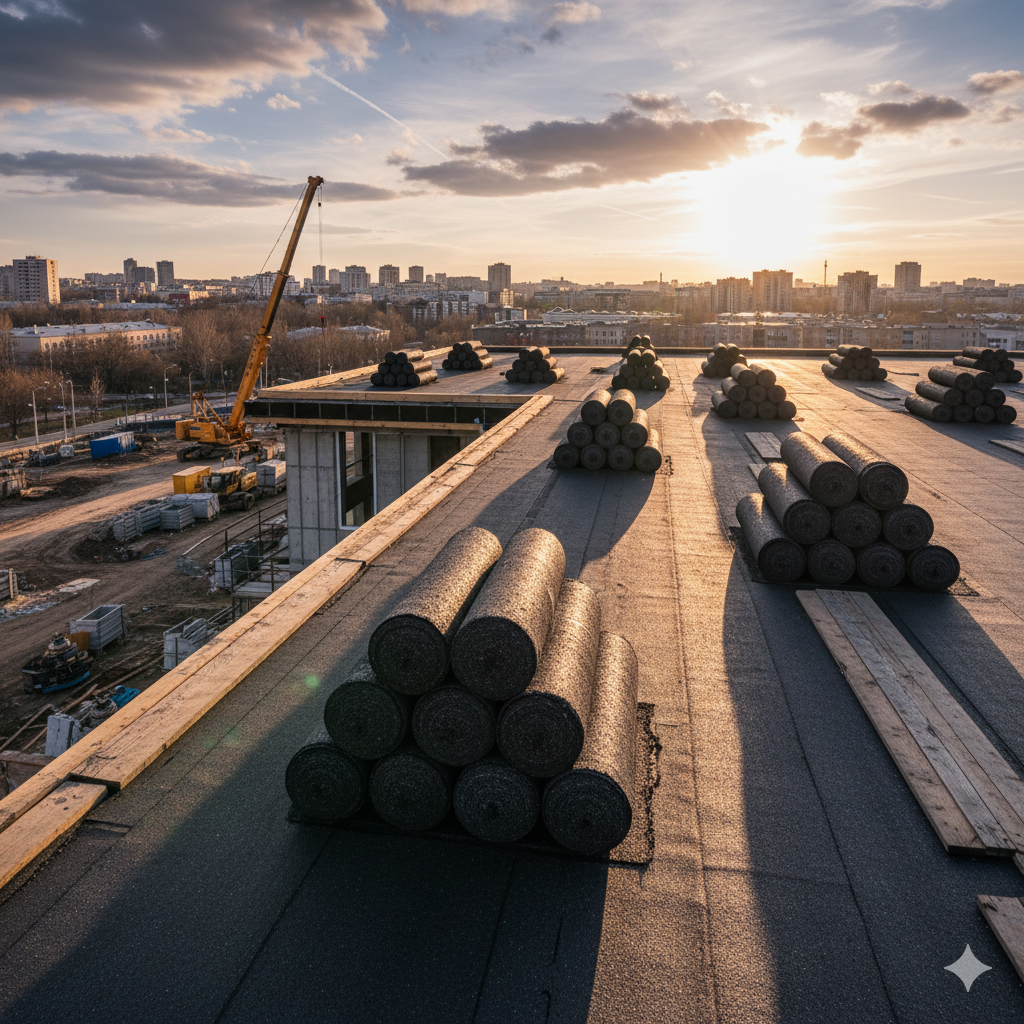
Ultimate Roll Roofing Guide: 12 Things You Must Know
Roll roofing stands as one of the most cost-effective and practical roofing solutions available for homeowners and contractors seeking budget-friendly protection for low-slope structures. This innovative roofing material consists of large sheets or rolls made from asphalt-based composition that provides reliable waterproofing at a fraction of the cost of traditional roofing systems.
Roll roofing has gained significant popularity among DIY enthusiasts and professional contractors who need quick installation for sheds, garages, workshops, and other auxiliary buildings where aesthetics take a back seat to functionality and affordability.
Understanding What Roll Roofing Is and Its Core Characteristics
Roll roofing represents a specialized roofing product manufactured from asphalt-saturated organic or fiberglass felt materials that are coated with mineral granules on one side. The material comes in continuous rolls, typically measuring 36 inches wide and 36 feet long, covering approximately 100 square feet per roll. Unlike traditional shingles that require individual piece installation, roll roofing offers continuous coverage that simplifies the application process significantly. The mineral surface provides protection against ultraviolet radiation and weather elements while adding minimal aesthetic variation compared to dimensional shingles. This roofing solution works exceptionally well for structures with low-slope or flat roofs, generally those with pitches between 2:12 and 4:12. The single-layer construction creates a smooth, uniform appearance that lacks the textured depth of architectural shingles but compensates with unmatched installation speed and material economy.
How to Properly Install Roll Roofing Step-by-Step
Professional Installation Techniques for Lasting Results

Installing roll roofing requires systematic preparation and careful execution to ensure waterproof performance and maximum longevity. Begin by thoroughly cleaning the roof surface, removing all dirt, debris, old roofing materials, and any protruding nails that could puncture the new material. Accurate measurements prove essential for determining material quantities and establishing proper layout lines that guide installation. Mark a chalk line 35 inches from the bottom edge of the roof to create a reference point for positioning the first row of roll roofing. This initial guideline ensures straight alignment that prevents unsightly waves or misalignment throughout the entire installation process.
Apply roofing cement along the roof edges using a trowel, creating a layer approximately one-quarter inch thick and four inches wide. This adhesive base secures the roofing material and creates a waterproof seal at vulnerable edge areas. Cut the roll roofing to the appropriate length using a sharp utility knife, ensuring clean, straight cuts that fit precisely from one end of the roof to the other. Position the first piece along the chalk line, pressing it firmly into the wet roofing cement while smoothing out any wrinkles or air bubbles. Secure the material with roofing nails spaced at 10-inch intervals along the edges, starting from one side and working systematically across.
The overlapping technique forms a critical component of proper roll roofing installation. Each subsequent row should overlap the previous row by at least three inches at the sides and ends to create water-resistant seams. Apply roofing cement beneath overlapped sections to bond layers together and prevent water infiltration at seams. Use a push broom to firmly press each applied sheet, ensuring complete adhesion between the roofing material and the substrate. Continue this process row by row until reaching the roof peak, maintaining consistent overlap measurements throughout.
Key Installation Steps Summary:
-
Clean and prepare the roof surface thoroughly
-
Measure dimensions and mark chalk lines for alignment
-
Apply roofing cement to edges and seam areas
-
Cut roll roofing materials to required lengths
-
Position and secure each section with proper overlap
-
Nail at recommended intervals for secure attachment
-
Press materials firmly to ensure complete adhesion
-
Inspect completed installation for gaps or weak points
How to Find Quality Roll Roofing Materials and Suppliers
Identifying Reliable Sources for Roofing Products
Finding quality roll roofing materials begins with researching reputable suppliers that offer products meeting industry standards and performance specifications. Major home improvement retailers like Lowe’s and Home Depot stock various roll roofing options from established manufacturers, providing convenient access to materials with consistent quality. These retailers typically carry asphalt-based roll roofing products with adhesive backing and mineral coatings that provide weather protection. Local roofing supply companies often maintain broader selections of specialized products, including different weights, colors, and formulations designed for specific applications.
When evaluating roll roofing products, examine the material weight and composition carefully. Standard roll roofing typically weighs between 50 and 90 pounds per square, with heavier products generally offering improved durability and weather resistance. Check for mineral surface consistency, ensuring uniform granule distribution without bare spots or inconsistencies that might compromise performance. Read product specifications to verify compatibility with your roof slope, climate conditions, and expected service requirements. Quality manufacturers provide detailed installation instructions, warranty information, and technical support to help ensure successful project outcomes.
Factors to Consider When Selecting Suppliers:
-
Product quality certifications and standards compliance
-
Availability of various weights and specifications
-
Pricing competitiveness and volume discounts
-
Return policies and damaged material replacement
-
Technical support and installation guidance
-
Delivery options and scheduling flexibility
-
Warranty coverage and claim processes
-
Customer reviews and reputation history
How to Buy Roll Roofing at the Best Prices
Smart Shopping Strategies for Budget-Conscious Projects
Purchasing roll roofing at optimal prices requires strategic planning and comparison shopping across multiple suppliers. Calculate your exact material requirements before shopping by measuring the roof area and adding 10 percent for waste, overlaps, and trimming. This accurate quantity determination prevents both material shortages that delay projects and excess purchases that waste money. Request quotes from at least three different suppliers, comparing not only base prices but also delivery charges, taxes, and any additional fees that affect total costs.
Timing your purchase strategically can yield significant savings on roll roofing materials. Many suppliers offer seasonal discounts during slower periods, typically in late fall or winter when roofing activity decreases. Watch for clearance sales when retailers liquidate discontinued colors or overstock inventory at reduced prices. Consider purchasing in bulk if you have multiple structures requiring roofing, as volume discounts can reduce per-square-foot costs substantially. Some suppliers offer contractor pricing to qualified buyers, providing professional-level discounts even for DIY projects if you establish an account.
How Much Does Roll Roofing Cost for Different Projects
Comprehensive Pricing Analysis for Budget Planning
Roll roofing costs significantly less than most alternative roofing materials, making it the most economical choice for budget-conscious property owners. Material prices typically range from $1.50 to $2.00 per square foot, with a standard 100-square-foot roll costing approximately $30 to $50 depending on quality and brand. For a typical 1,000-square-foot garage or shed, expect material costs between $200 and $300 for basic coverage, plus additional expenses for roofing cement, nails, and edge flashing. Professional installation adds $1.50 to $3.00 per square foot in labor charges, bringing total installed costs to approximately $3.00 to $5.00 per square foot.
Project-specific factors influence final roll roofing expenses considerably. Roof accessibility affects labor costs, with difficult-to-reach areas requiring additional time and equipment that increase overall expenses. Existing roof removal and disposal add $1.00 to $2.00 per square foot if old materials must be stripped before installing new roll roofing. Roof repairs, including decking replacement or structural reinforcement, can substantially increase total project costs beyond basic material and installation charges. Geographic location impacts pricing through regional labor rate variations and material transportation costs that differ across markets.
Cost Comparison Breakdown:
-
Material only: $1.50-$2.00 per square foot
-
DIY installation: $2.00-$3.00 per square foot total
-
Professional installation: $3.00-$5.00 per square foot total
-
Old roof removal: Additional $1.00-$2.00 per square foot
-
Repairs/preparation: $2.00-$5.00+ per square foot affected
How to Clean and Maintain Roll Roofing Properly

Essential Maintenance Procedures for Extended Performance
Maintaining roll roofing requires regular cleaning to remove debris that traps moisture and accelerates material deterioration. Use a soft-bristle broom or leaf blower to clear leaves, branches, dirt, and other accumulation from the roof surface at least quarterly. Avoid using pressure washers that can damage the mineral surface coating or force water beneath seams where it causes hidden damage. For stubborn dirt or organic growth, gently scrub affected areas with a mild detergent solution and soft brush, then rinse thoroughly with a garden hose at low pressure.
Annual inspections form the cornerstone of effective roll roofing maintenance programs. Examine the entire roof surface for signs of cracking, blistering, curling edges, or areas where the mineral surface has worn away exposing the underlying felt. Check all seams carefully for separation or lifting that could allow water infiltration. Inspect fasteners to ensure they remain tight and haven’t created puncture points where moisture can enter. Look for standing water or areas with inadequate drainage that might indicate slope problems requiring attention.
Address minor problems immediately to prevent escalation into major failures. Seal small cracks or separated seams using roofing cement compatible with the existing material. Secure lifting edges by applying fresh adhesive beneath raised sections and weighting them until the bond sets completely. Replace severely damaged sections by cutting out the compromised area and patching it with new roll roofing material using proper overlap and adhesive techniques. Keep detailed records of maintenance activities, repairs, and observations to track deterioration patterns and plan for eventual replacement before catastrophic failure occurs.
What Is the True Cost of Roll Roofing Over Time
Long-Term Financial Analysis and Value Assessment
The true cost of roofing extends beyond initial purchase and installation expenses to encompass maintenance, repairs, and eventual replacement throughout the material’s service life. While roll roof offers the lowest upfront investment among roofing options, its shorter lifespan necessitates more frequent replacement compared to premium materials. A 1,000-square-foot structure might cost $2,000-$3,000 for initial roll roofing installation, but require replacement every 8-10 years, totaling $6,000-$9,000 over 30 years. By comparison, architectural shingles costing $5,000-$7,000 initially might last 25-30 years, potentially offering better long-term value despite higher upfront costs.
Maintenance costs for roll roofing remain relatively modest when performed regularly. Annual inspections by professionals cost $100-$300, while DIY inspections require only time investment. Minor repairs using roofing cement and patching materials typically cost $50-$200 per incident when handled promptly. However, deferred maintenance allowing small problems to escalate can result in extensive water damage costing thousands in structural repairs beyond simple roofing replacement. Energy costs represent another consideration, as roll roofing’s dark colors absorb heat, potentially increasing cooling expenses compared to reflective roofing materials in warm climates.
30-Year Cost Projection Comparison:
-
Roll Roofing: 3-4 replacements at $2,500 average = $7,500-$10,000
-
Asphalt Shingles: 1-2 replacements at $6,000 average = $6,000-$12,000
-
Metal Roofing: 0-1 replacement at $12,000 = $12,000-$24,000
-
Maintenance Costs: $100-$500 annually regardless of material type
Major Advantages of Choosing Roll Roofing
Compelling Benefits for Specific Applications
Roll roofing delivers exceptional affordability that makes it the most budget-friendly roofing option available for property owners with limited financial resources. Material costs averaging $1.50-$2.00 per square foot represent substantial savings compared to $3.00-$5.00 for basic asphalt shingles or $10.00-$16.00 for metal roofing.
This cost advantage proves particularly valuable for covering large auxiliary structures like storage buildings, workshops, or agricultural facilities where roofing expenses might otherwise constitute prohibitive portions of total construction budgets. The material’s lightweight composition reduces structural load requirements, potentially allowing lighter framing that further reduces overall building costs.
Installation simplicity represents another significant advantage driving roll roofing popularity among DIY enthusiasts and professional contractors seeking efficient project completion. The large roll format covers substantial areas quickly without the tedious individual piece placement required for shingle installation.
Basic tools including utility knives, hammers, measuring tapes, and trowels suffice for complete installation without specialized equipment. Straightforward techniques allow homeowners with minimal experience to achieve satisfactory results, saving hundreds or thousands in professional labor charges. Professional crews complete roll roofing installations faster than shingle projects of equivalent size, reducing labor costs and project duration.
Additional Roll Roofing Advantages:
-
Lightweight and easy to transport to installation sites
-
Minimal waste generation during cutting and fitting
-
Compatible with various substrate materials
-
Available immediately from most building supply retailers
-
Suitable for emergency repairs and temporary coverage
-
Repairable with simple patching techniques
-
Recyclable at end of service life
-
Low maintenance requirements compared to complex systems
Significant Challenges Associated with Roofing
Important Limitations to Consider Before Selection
Limited aesthetic appeal constitutes the primary disadvantage preventing roll roofing adoption for residential primary structures where curb appeal significantly impacts property values. The smooth, uniform surface lacks the dimensional texture and shadow lines that make shingle roofs visually interesting. Available color options remain restricted to basic blacks, whites, and earth tones without the diverse palette offered by architectural shingles.
This aesthetic limitation relegates roll roofing primarily to auxiliary structures, commercial buildings, and situations where functionality supersedes appearance. Homes with roll roofing may experience reduced resale values compared to similar properties featuring more attractive roofing materials.
Shortened lifespan compared to alternative roofing materials creates long-term cost considerations that offset initial savings advantages. The 5-10 year service expectation means property owners face replacement projects more frequently than with shingles lasting 20-30 years or metal roofing performing 50+ years. This frequent replacement cycle increases lifetime costs when accounting for multiple installations over extended ownership periods. Each replacement involves project disruption, disposal expenses, and potential risks of installation errors that compromise performance. Properties requiring long-term roofing solutions without regular maintenance interventions may find better value in premium materials despite higher initial investments.
Durability limitations restrict roll roofing suitability for certain applications and environments. The single-layer construction offers less impact resistance than multi-layered shingle systems, making roll roofing vulnerable to damage from falling branches, hail, or foot traffic. Wind resistance proves marginal, with edges and seams susceptible to lifting during storms unless properly secured with adequate adhesive and fasteners. The material performs poorly on steep slopes where gravitational stress and water velocity exceed its design parameters. Extreme temperature fluctuations cause expansion and contraction that stresses seams and accelerates deterioration in harsh climates.
Understanding Rolled Roofing as a Distinct Product Category
Specific Characteristics of Rolled Roofing Materials
Rolled roofing represents a specialized classification within the broader roll roofing category, specifically describing products with mineral surface granules on one side and smooth backing on the other. This configuration distinguishes rolled roofing from smooth roll products used as underlayment or base layers in multi-ply systems. The mineral surfacing provides ultraviolet protection and weather resistance while creating slight texture that enhances grip during installation.
Rolled roofing typically comes in standard 36-inch-wide by 36-foot-long dimensions, though some manufacturers offer custom sizes for specialized applications. The product works exceptionally well for flat or low-slope roofs on sheds, porches, and small residential or commercial structures requiring economical weather protection. Installation techniques for rolled roofing emphasize proper overlap, adequate adhesive application, and secure fastening to ensure waterproof performance throughout the expected 5-10 year service life. Property owners selecting rolled roofing benefit from its combination of affordability, ease of installation, and adequate performance for temporary or auxiliary structure applications.
Exploring Roll of Roofing Material Options and Varieties
Comprehensive Overview of Available Product Types
Roll of roofing material encompasses various product formulations designed for different applications and performance requirements beyond basic rolled roofing. Modified bitumen represents a premium roll of roofing material featuring polymer-enhanced asphalt that delivers improved flexibility, durability, and weather resistance compared to standard products. These advanced formulations typically cost more but extend service life to 15-20 years under favorable conditions. Rubber membrane products, particularly EPDM (ethylene propylene diene terpolymer), provide another roll of roofing material option offering excellent weathering resistance and longevity for flat commercial applications. Peel-and-stick varieties featuring factory-applied adhesive backing simplify installation by eliminating separate adhesive application steps.
These self-adhesive products prove particularly valuable for repair applications and small projects where mixing and applying separate roofing cement becomes impractical. Some roll of roofing material products incorporate reflective surfaces that reduce heat absorption, improving energy efficiency in warm climates. Understanding the complete range of available roll of roofing material options empowers buyers to select products optimally matched to their specific performance requirements, budget constraints, and installation preferences.
Examining Roll Shingle Roofing as a Hybrid Solution
Innovative Product Combining Roll and Shingle Characteristics

Roll shingle roofing represents an innovative product category attempting to bridge the gap between economical roll roofing and aesthetically pleasing traditional shingles. These specialized products feature factory-applied patterns that simulate individual shingle appearance while maintaining the installation efficiency of continuous roll format. The manufacturing process creates dimensional texture and shadow lines resembling installed shingles but without requiring individual piece placement during installation. Roll shingle roofing typically costs more than standard roll roofing but substantially less than premium architectural shingles, positioning it as a middle-market option for budget-conscious buyers seeking improved aesthetics. Installation follows similar techniques to standard roll roofing with added attention to pattern alignment ensuring the simulated shingle appearance remains consistent across the entire roof surface.
Performance characteristics generally match conventional roll roofing regarding durability, weather resistance, and expected lifespan in the 8-12 year range. Roll shingle roofing applications include residential auxiliary structures, mobile homes, and commercial buildings where improved appearance justifies modest cost premiums over basic roll products. Property owners considering roll shingle roofing should evaluate whether the aesthetic enhancement provides sufficient value to justify increased material costs while recognizing the product still lacks the true dimensional quality of individual shingles.
Analyzing Asphalt Roll Roofing Composition and Performance
Technical Details of Asphalt-Based Roll Products
Asphalt roll roofing constitutes the most common roll roofing formulation, utilizing petroleum-derived asphalt as the primary waterproofing component bonded to organic felt or fiberglass mat reinforcement. The manufacturing process saturates the base mat with hot asphalt, then applies additional asphalt coating to one or both sides depending on product specifications. Mineral granules embedded in the surface coating provide ultraviolet protection, weather resistance, and color while creating texture that aids installation handling. Asphalt roll roofing weight ranges from 50 to 90 pounds per square, with heavier products generally offering improved durability and tear resistance during installation and service. The material’s flexibility allows conforming to slight substrate irregularities without cracking or compromising waterproof integrity.
Temperature sensitivity represents a key characteristic of asphalt roll roofing, becoming more pliable in warm conditions that facilitate installation but potentially allowing sagging, while cold temperatures cause brittleness that complicates handling and increases cracking risk. Modern asphalt roll roofing formulations incorporate polymer modifiers that improve low-temperature flexibility and high-temperature stability compared to traditional straight asphalt products. Understanding asphalt roll roofing composition helps users select appropriate products for their climate conditions and performance expectations.
Frequently Asked Questions About Roll Roofing
Can roll roofing be installed over existing roofing materials?
Roll roofing can sometimes be installed over one layer of existing roofing if the current surface remains smooth, dry, and structurally sound. However, most roofing professionals recommend complete removal of old materials to ensure proper adhesion and maximize new roof performance. Installing over existing materials adds weight that may stress structural framing and creates an uneven substrate that compromises roll roofing appearance and waterproof integrity. Multiple layers also complicate future replacement by increasing removal labor and disposal costs significantly.
Is roll roofing suitable for residential homes?
Roll roofing works adequately for residential auxiliary structures like sheds, garages, and covered porches but rarely represents the optimal choice for primary residence roofs due to aesthetic limitations. The smooth, uniform appearance lacks the visual interest that enhances curb appeal and property values on residential homes. Most lending institutions and homeowner associations discourage or prohibit roll roofing on primary residences, recognizing its temporary nature and negative impact on property values. However, roll roofing serves well for budget-conscious homeowners covering utility buildings where functionality supersedes appearance.
What tools are needed for DIY roll roofing installation?
Basic installation requires relatively simple tools that most homeowners already possess or can acquire inexpensively. Essential equipment includes a sharp utility knife with replacement blades for cutting roofing material, a hammer for driving roofing nails, a measuring tape for accurate dimension checking, a chalk line for marking straight installation guidelines, and a trowel for spreading roofing cement. Additional helpful items include a push broom for pressing materials firmly against substrate, safety equipment like harnesses and non-slip footwear for roof work, and a ladder providing safe roof access. Some installers prefer roofing nail guns that speed fastener installation compared to manual hammering.
How much does professional roofing installation cost?
Professional Installation typically costs $1.50 to $3.00 per square foot for labor, added to material costs of $1.50 to $2.00 per square foot for total installed pricing of $3.00 to $5.00 per square foot. A typical 1,000-square-foot shed or garage would cost $3,000 to $5,000 for complete professional installation including materials and labor. Prices vary based on geographic location, roof accessibility, existing material removal requirements, substrate repairs needed, and contractor experience levels. Obtaining quotes from multiple contractors helps ensure competitive pricing while maintaining quality workmanship standards that extend roll roofing performance and longevity.
Conclusion
Roll roofing stands as the most economical roofing solution available for property owners seeking budget-friendly protection for low-slope structures including sheds, garages, workshops, and auxiliary buildings. This practical material delivers adequate weather resistance at minimal cost, making it ideal for temporary installations, emergency repairs, or situations where financial constraints prevent investment in premium roofing systems. The straightforward installation process empowers DIY enthusiasts to complete professional-quality projects using basic tools and techniques, saving substantial labor expenses while gaining valuable hands-on experience.
🏚️ Other Resources
-
Home Depot – Large selection of roofing materials for residential and commercial projects.
-
Lowe’s – Affordable roofing products for DIY and professional installation.
-
Wikipedia – Asphalt – Overview of materials, uses, durability, and installation basics.
-
The Spruce – Rolled Roofing Guide – Practical guide explaining when and how to use rolled roofing.
🔎 Other Helpful Articles
-
Roof Coating Guide – Learn how roof coatings extend roof lifespan.
-
How to Install Metal Roofing – Step-by-step installation guide.
-
Rubber Roofing – Pros, cons, and applications of rubber roof systems.