
Roof stand: Essential Wins for Safer Work

Roof stand: Essential Wins for Safer Work
Maintaining the structural integrity of a commercial or residential building requires a deep understanding of heavy equipment management. When facility managers and property owners need to mount air conditioning units, solar panels, or extensive plumbing networks, they must utilize a dedicated roof stand to ensure the underlying surface remains completely undamaged. Without this crucial infrastructure, heavy machinery can easily puncture waterproofing layers, leading to catastrophic leaks and incredibly expensive repairs.
The implementation of a modern roof stand is no longer just an optional upgrade; it is a fundamental requirement dictated by modern building codes and strict manufacturer warranties. Elevating your essential building systems protects them from pooling water, extreme temperatures, and debris accumulation.
Throughout this comprehensive guide, we will explore every single aspect of this vital equipment. From understanding the core materials used in manufacturing to mastering the intricate details of long-term maintenance, you will discover why a roof stand is considered one of the most important investments for facility preservation. We will also dive deeply into exact pricing models, safety regulations, and the most effective purchasing strategies available in the current market.
What Is A Roof Stand?
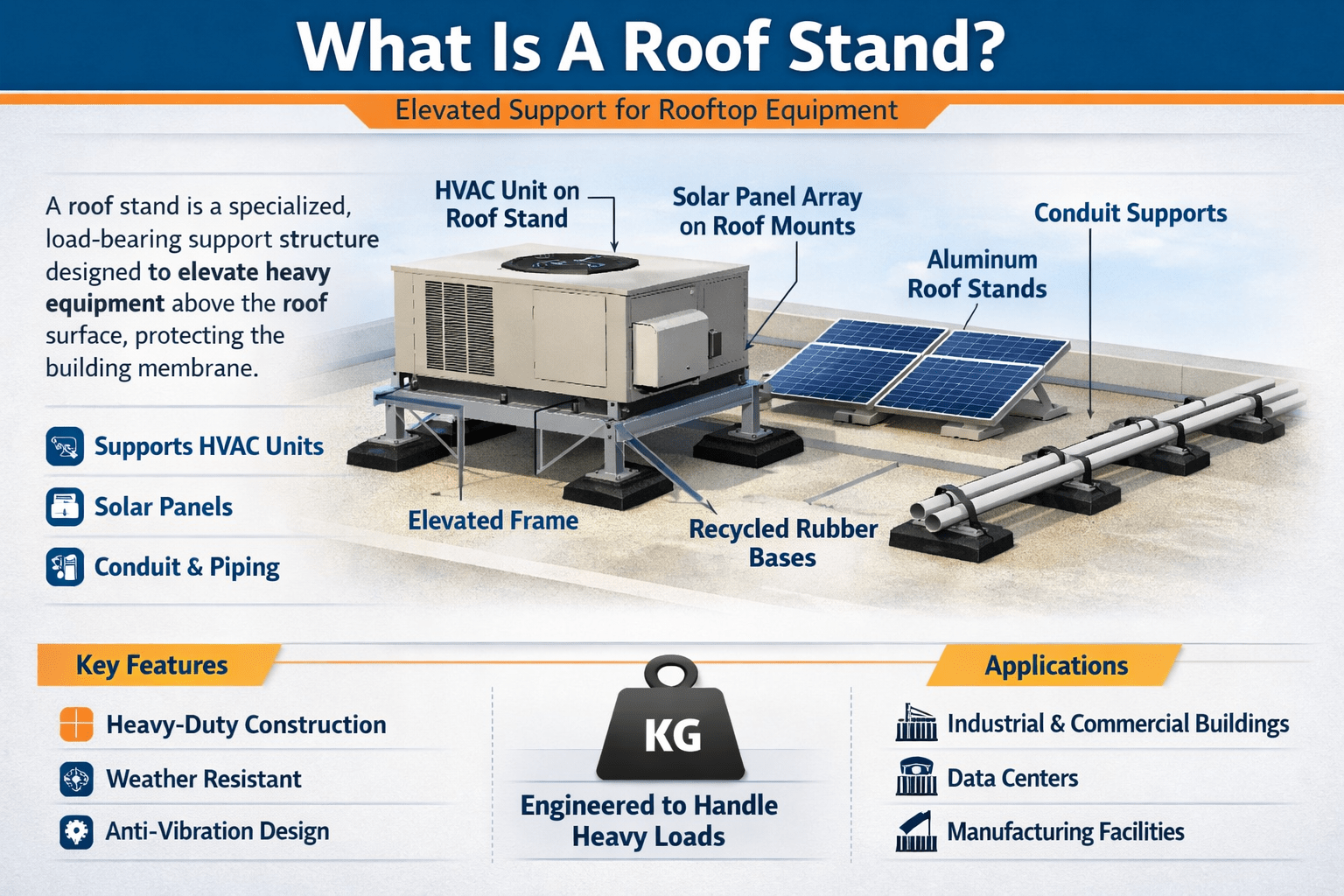
Understanding exactly what a roof stand is can completely transform how you approach your long-term building maintenance and infrastructure planning. At its core, this equipment is a specialized, load-bearing support structure designed specifically to elevate heavy machinery above the delicate membrane of a building’s top layer.
The modern roof stand provides an incredibly stable, safe, and highly durable platform for heavy HVAC components, complex solar arrays, and lengthy conduit runs. By utilizing these advanced support systems, property managers can ensure that massive weights are distributed evenly across a wide surface area, drastically reducing the risk of localized stress and structural failure.
Most industrial-grade models are constructed from robust, weather-resistant materials to guarantee decades of reliable performance. You will frequently find systems manufactured from heavy-gauge galvanized steel or extruded aluminum, often paired with high-density recycled rubber bases that provide excellent anti-vibration properties.
Choosing the correct roof stand for your specific application requires matching the weight of your equipment to the load rating of the support structure. Manufacturers engineer these bases to withstand high wind loads, seismic activity, and severe thermal expansion, ensuring that your critical infrastructure remains perfectly secure regardless of the environmental conditions outside.
How To Do Roof Stand Preparations
Before you can safely place any heavy equipment on top of your building, you must execute a series of meticulous preparatory steps to ensure the environment is ready. Proper preparation is the key to preventing long-term damage and ensuring that your roof stand functions exactly as engineered by the manufacturer.
If you ignore the specific area where the roof stand will eventually sit, you risk trapping sharp debris, moisture, or dirt beneath the base, which will rapidly accelerate the degradation of your waterproofing membrane through continuous friction and pressure.
To begin your preparation phase, you must conduct a thorough structural assessment of the intended installation zone. The deck beneath the membrane must be completely solid and free from any underlying rot or structural fatigue.
Professional Tip: Always consult with a licensed structural engineer before finalizing the placement of heavy machinery. They can verify that the joists and beams below can handle the concentrated load that the roof stand will transfer to the building framework.
Here are the essential steps for proper site preparation:
- Sweep the entire installation area meticulously to remove all loose gravel, dirt, and sharp debris.
- Inspect the waterproofing membrane for existing micro-tears, blisters, or signs of severe UV degradation.
- Wash the contact zone with a manufacturer-approved mild detergent and allow it to dry completely.
- Verify all measurements against your architectural blueprints to ensure the roof stand will be perfectly aligned with incoming pipes or ductwork.
How To Find A Roof Stand
Knowing exactly where to locate a reliable roof stand is vital for the success of your commercial or residential contracting project. Because these are highly specialized structural components, you will rarely find the best industrial-grade models sitting on the shelves of your local consumer hardware store.
Instead, professionals must turn to dedicated commercial roofing suppliers, industrial HVAC distributors, and specialized online manufacturing marketplaces. When searching for a heavy-duty roof stand, it is highly recommended to seek out manufacturers who focus exclusively on rooftop support structures and load distribution engineering.
Not every roof stand is created equal, so your search must be guided by strict technical specifications rather than just convenience or immediate availability. You must look for suppliers who provide comprehensive load testing data, wind resistance ratings, and clear warranty information directly on their catalog pages.
You can also ask experienced contractors where they prefer to source their roof stand systems. Industry networking often reveals the most durable brands and the most responsive distributors. Furthermore, many top-tier manufacturers offer custom fabrication services, allowing you to find a perfect fit even if your machinery features highly irregular dimensions or unusual weight distribution profiles.
How To Buy A Roof Stand
The actual purchasing process for a structural roof stand demands careful attention to detail and a thorough understanding of your project’s precise mechanical requirements. Buying the wrong size or load rating can lead to immediate building code violations and severe safety hazards for maintenance personnel.
Before you commit to buying a new roof stand, you must compile a complete list of specifications, including the exact weight of the machinery, the required elevation height, and the specific material composition of your building’s top layer.
A massive, heavy-duty roof stand might require specialized freight shipping, which must be factored into your purchasing timeline and overall budget. Because these items are bulky and heavy, standard parcel delivery is rarely an option, so coordinating with logistics companies is a necessary part of the buying process.
When you are ready to process the transaction for your roof stand, always request bulk pricing if you are outfitting a large commercial facility with multiple HVAC units or long runs of gas piping. In the end, taking the time to carefully review technical data sheets before buying ensures that your chosen equipment will perform flawlessly and keep your warranties fully intact for years to come.
How Much Is A Roof Stand?
When budgeting for facility upgrades, project managers frequently ask exactly how much a new support system will impact their bottom line. Prices vary wildly depending on the size, material quality, and specific load-bearing capacity of the unit in question. A basic, lightweight roof stand designed solely for small conduit pipes or minor electrical boxes might be incredibly affordable.
However, a highly engineered, industrial roof stand designed to support a multi-ton commercial chiller unit will require a significantly larger financial investment. To understand the pricing landscape, it helps to break the market down into distinct tiers based on application and durability.
An economy-class roof stand, typically made from basic plastics or thin metals, generally ranges from thirty to one hundred dollars per unit. While cost-effective, these cheaper models may not survive harsh winters or extreme UV exposure over a long period.
Conversely, a premium, custom-fabricated roof stand built from heavy-gauge galvanized steel with adjustable height mechanisms and integrated vibration dampening can easily cost anywhere from five hundred to over two thousand dollars. The price you pay ultimately reflects the level of engineering, the quality of the raw materials, and the peace of mind that comes with superior structural reliability.
How To Install A Roof Stand
The physical installation of a commercial roof stand requires absolute precision, strict adherence to safety protocols, and a clear understanding of structural weight distribution. Rushing this process can lead to misaligned equipment, compromised structural integrity, and immediate voiding of expensive manufacturer warranties.
First and foremost, safely hoisting the components to the top of the building requires proper lifting equipment, such as a crane or a heavy-duty material hoist. Once the materials are elevated, you must carefully position the roof stand exactly where the architectural blueprints indicate, ensuring it aligns perfectly with the structural joists below.
Many professional installers utilize thick, protective rubber pads beneath the base of the roof stand to provide an extra layer of defense against membrane friction and vibration damage. It is an absolute rule of the trade that you must never drag a heavy roof stand across a delicate waterproofing membrane, as this will instantly cause deep gouges and catastrophic leaks.
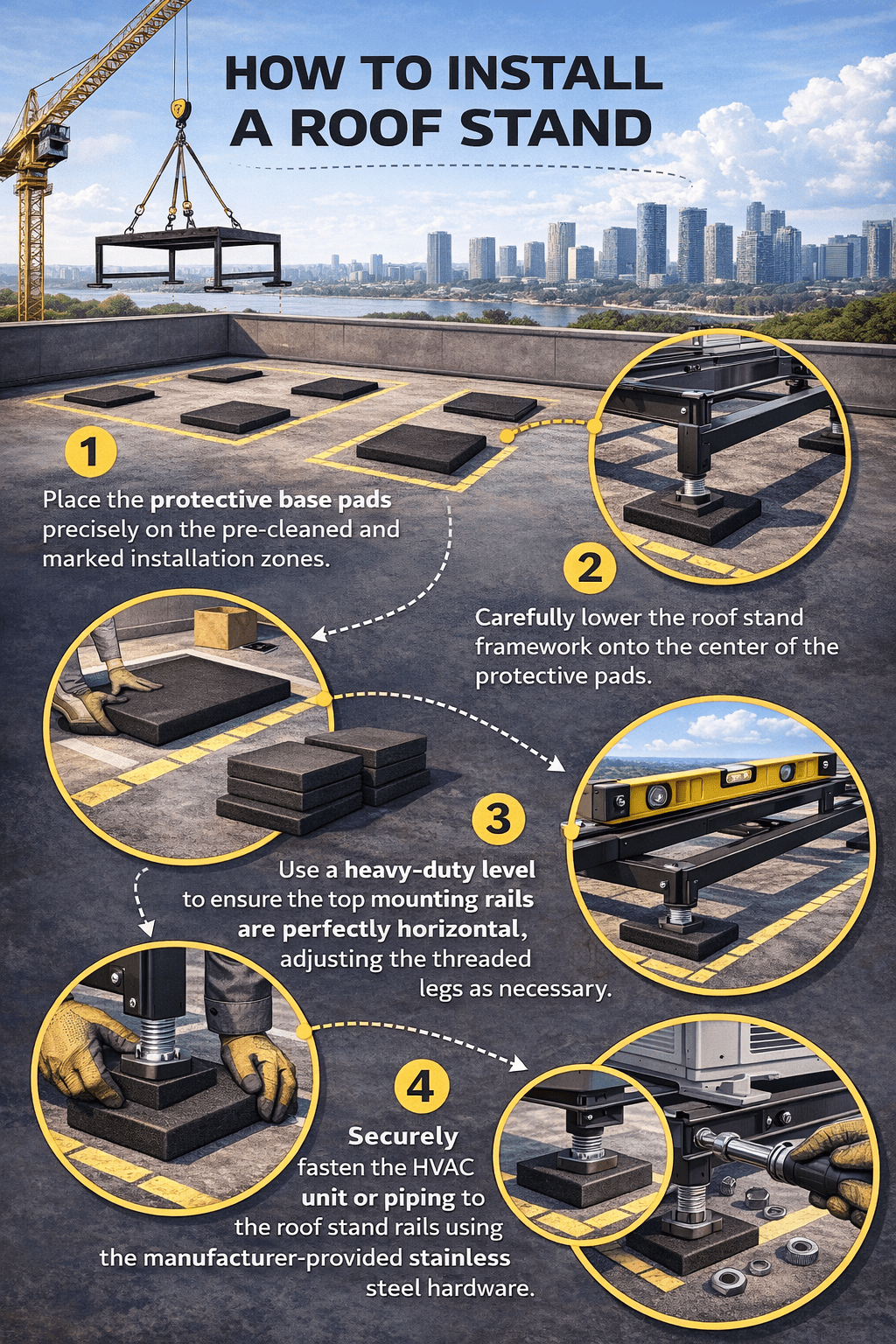
Follow these crucial steps for a flawless installation:
- Place the protective base pads precisely on the pre-cleaned and marked installation zones.
- Carefully lower the roof stand framework onto the center of the protective pads.
- Use a heavy-duty level to ensure the top mounting rails are perfectly horizontal, adjusting the threaded legs as necessary.
- Securely fasten the HVAC unit or piping to the roof stand rails using the manufacturer-provided stainless steel hardware.
How To Clean A Roof Stand
Routine maintenance and diligent cleaning are absolute requirements if you want to maximize the lifespan of your rooftop infrastructure. Regularly cleaning your roof stand prevents the insidious buildup of rust, corrosion, and biological growth that can compromise the structural integrity of the metal framework.
A heavily soiled or neglected roof stand can easily hide dangerous stress fractures, loose bolts, or deteriorating rubber bases from the eyes of your maintenance team. Therefore, implementing a strict, scheduled cleaning protocol is essential for long-term facility safety.
When selecting cleaning agents, you must be incredibly careful not to use harsh, highly acidic, or caustic chemicals. Always use a gentle, pH-neutral soap on your roof stand to prevent chemical reactions that could strip the galvanized coating or melt the rubber components.
Additionally, maintenance crews must frequently clear away organic debris, such as fallen autumn leaves, heavy branches, and bird nests, which trap moisture against the metal. A perfectly clean and well-maintained roof stand not only looks highly professional but also guarantees that your expensive machinery will remain safely elevated and fully supported for many decades into the future.
What Is The Cost Of A Roof Stand?
While we previously discussed the retail purchase price of the hardware itself, calculating exactly what is the cost of a comprehensive roof stand installation project requires a much broader financial perspective. The true economic impact encompasses the hardware, professional labor, engineering consultations, specialized permits, and long-term maintenance allocations.
When facility managers ask about the total cost of a project, they must realize that the physical hardware is often only a fraction of the final invoice. The skilled labor required to safely hoist and install a heavy roof stand adds a significant amount to the overall budget.
A highly complex, multi-unit roof stand layout that involves navigating around existing pipes and sloping surfaces dramatically increases the required labor hours. Contractors must spend extra time leveling each individual leg and securing specialized vibration dampeners.
Thus, the absolute true cost of a complete roof stand deployment includes shipping fees, crane rental costs, structural engineering reports, and potential roof membrane reinforcements. By accounting for all of these diverse variables from the very beginning, property owners can avoid unpleasant financial surprises and accurately forecast their capital expenditure budgets for the fiscal year.
Advantages And Challenges Connected To Roof Stand
In the realm of commercial construction and facility management, there are numerous distinct advantages and challenges connected to roof stand applications that must be carefully weighed. A major, undeniable benefit is that a high-quality roof stand elevates sensitive electrical and mechanical equipment out of standing water, preventing catastrophic short circuits and deep corrosion.
By floating the machinery above the surface, these supports also allow for completely unobstructed water drainage toward the scuppers and gutters. Furthermore, an elevated system grants maintenance technicians easy, ergonomic access to the underside of the machinery for rapid repairs and inspections.
However, implementing these structures is not entirely without potential drawbacks. A massive, industrial-grade roof stand can add a tremendous amount of localized weight to the building’s framework, which may necessitate highly expensive structural reinforcements.
Additionally, elevating machinery creates a higher profile that is significantly more susceptible to extreme wind resistance during severe storms or hurricanes. An improperly secured or un-engineered roof stand might literally blow over in high winds, causing massive destruction to the property. Understanding this delicate balance between protection and wind load vulnerability is the hallmark of an experienced facility manager.
Essential Commercial Roofing Elements
Beyond just securing the proper support framework, facility managers must deeply understand the diverse architectural surfaces they are working with to ensure total compatibility. For instance, many property owners frequently ask what is a standing seam metal roof when evaluating their building’s core architecture and long-term durability. This specific design is a premium, highly durable metal panel system featuring prominent raised seams that completely conceal the fastening hardware, providing exceptional, long-lasting weather resistance and a sleek, modern aesthetic.
Knowing exactly how to install standing seam metal roof systems requires highly specialized, advanced training, as the process involves carefully locking the metal panels together with specialized tools while precisely allowing for natural thermal expansion and contraction without ever compromising the waterproof seal. Another very frequent question in the commercial construction sector is what does tpo roofing stand for, which specifically refers to Thermoplastic Polyolefin. This is an incredibly popular, single-ply reflective rubber membrane used heavily in modern commercial real estate specifically for its superior energy efficiency and cost-effectiveness.
Whether your facility utilizes a classic, traditional standing seam roof or a modern, flat TPO membrane, you must protect these incredibly expensive surfaces from the crushing weight of heavy machinery. Using a properly sized roof stand on these specialized, delicate surfaces actively prevents severe damage, guarantees proper weight distribution across the joists, and keeps your valuable long-term warranties completely intact. Without implementing an engineered roof stand, the massive, concentrated heavy load could easily puncture the soft membrane or permanently warp the expensive metal panels, leading to devastating leaks.
Final Maintenance Strategies
Long-term care and strategic oversight for your building’s infrastructure requires constant vigilance and meticulous record-keeping. To guarantee absolute safety, your dedicated roof stand must be thoroughly inspected at least twice annually, ideally during the gentle spring and autumn seasons.
A forgotten or neglected roof stand is a massive liability that can slowly degrade over time, eventually leading to a sudden, catastrophic collapse of your critical HVAC or solar infrastructure. During these audits, technicians must specifically look for signs of advanced metal fatigue, degrading rubber pads, and loose locking nuts.
It is highly recommended to hire unbiased, third-party structural professionals to conduct these vital audits. They have the specialized tools required to detect microscopic stress fractures that an untrained eye might easily miss.
Ultimately, maintaining detailed, chronological records of your comprehensive roof stand inspections is a fundamental best practice in commercial facility management. These permanent logs not only prove regulatory compliance to safety inspectors but also significantly increase the overall resale value of your commercial property by demonstrating a clear history of proactive, responsible building maintenance.
Frequently Asked Questions
What exactly does a roof stand do for a commercial property?
This equipment functions as a critical, load-bearing intermediary between heavy mechanical machinery and the delicate waterproofing layers of a building. By taking the massive weight of HVAC units, extensive conduit, and solar arrays, the roof stand actively distributes the downward pressure across a much wider surface area. This completely eliminates harsh, localized stress points that would otherwise easily punch right through the insulation and membrane, causing devastating internal water damage.
Can I legally build my own roof stand from scrap materials?
While it might seem like a tempting way to save money, constructing a homemade support structure is extremely dangerous and almost universally violates strict commercial building codes. A certified roof stand undergoes incredibly rigorous laboratory testing to prove it can withstand hurricane-force winds, massive snow loads, and constant thermal shifting. Using unverified scrap materials heavily risks a sudden structural collapse, which can severely injure workers and instantly void your multi-million dollar property insurance policies.
How often should I proactively replace an aging roof stand?
The operational lifespan of these support structures heavily depends on the specific manufacturing materials and the harshness of the local climate. A premium, hot-dipped galvanized steel unit paired with UV-resistant rubber bases can easily last well over twenty to thirty years with proper seasonal cleaning. However, you should immediately replace any roof stand that exhibits deep, flaking rust, severely cracked rubber components, or visible structural warping, regardless of its actual chronological age.
Will using this equipment void my existing waterproofing warranty?
When properly executed, it actually does the exact opposite. Most major membrane manufacturers explicitly demand that all heavy rooftop equipment be permanently elevated using an approved, non-penetrating support system. By utilizing a properly engineered roof stand equipped with authorized protective barrier pads, you actively protect the membrane from abrasions and fulfill the strict requirements needed to keep your comprehensive, long-term roofing warranties fully active and legally binding.
Conclusion
Successfully managing a complex building requires making intelligent, forward-thinking decisions about how you support and protect your most valuable mechanical assets. In conclusion, choosing the perfectly engineered roof stand completely protects your massive financial investment by preventing horrific water damage and ensuring your machinery operates smoothly.
We highly recommend taking the necessary time to accurately assess your specific weight distribution needs and structural limits before ever buying a new roof stand. By prioritizing quality materials, strict installation protocols, and consistent seasonal maintenance, you will guarantee that your facility remains entirely safe, perfectly dry, and structurally sound for decades to come.
Other Resources
- diversitech.com – Provides product information about pitched roof stands designed to support HVAC equipment on sloped roofing surfaces.
- protechonline.net – Lists rooftop air conditioning stands used to support and elevate HVAC units above roof surfaces.
- metalshop.org – Displays aluminum condenser stands designed for mounting and stabilizing outdoor HVAC equipment.
- isatts.com – Shows a service stand used to support rooftop equipment and improve technician access during maintenance.
Other Helpful Articles
- Scaffolding on a Roof Installation – Explains methods and safety considerations for installing scaffolding on roof structures.
- Stainless Steel Roofing Screws – Describes the characteristics and uses of stainless steel screws in metal roofing installations.
- UPVC Roof Sheet Install Fast – Provides guidance on installing UPVC roof sheets quickly and correctly.
- Amish Metal Roofing – Explains the characteristics and construction approach commonly associated with Amish metal roofing.