
The Homeowner’s Guide To Overflow Roof Drains
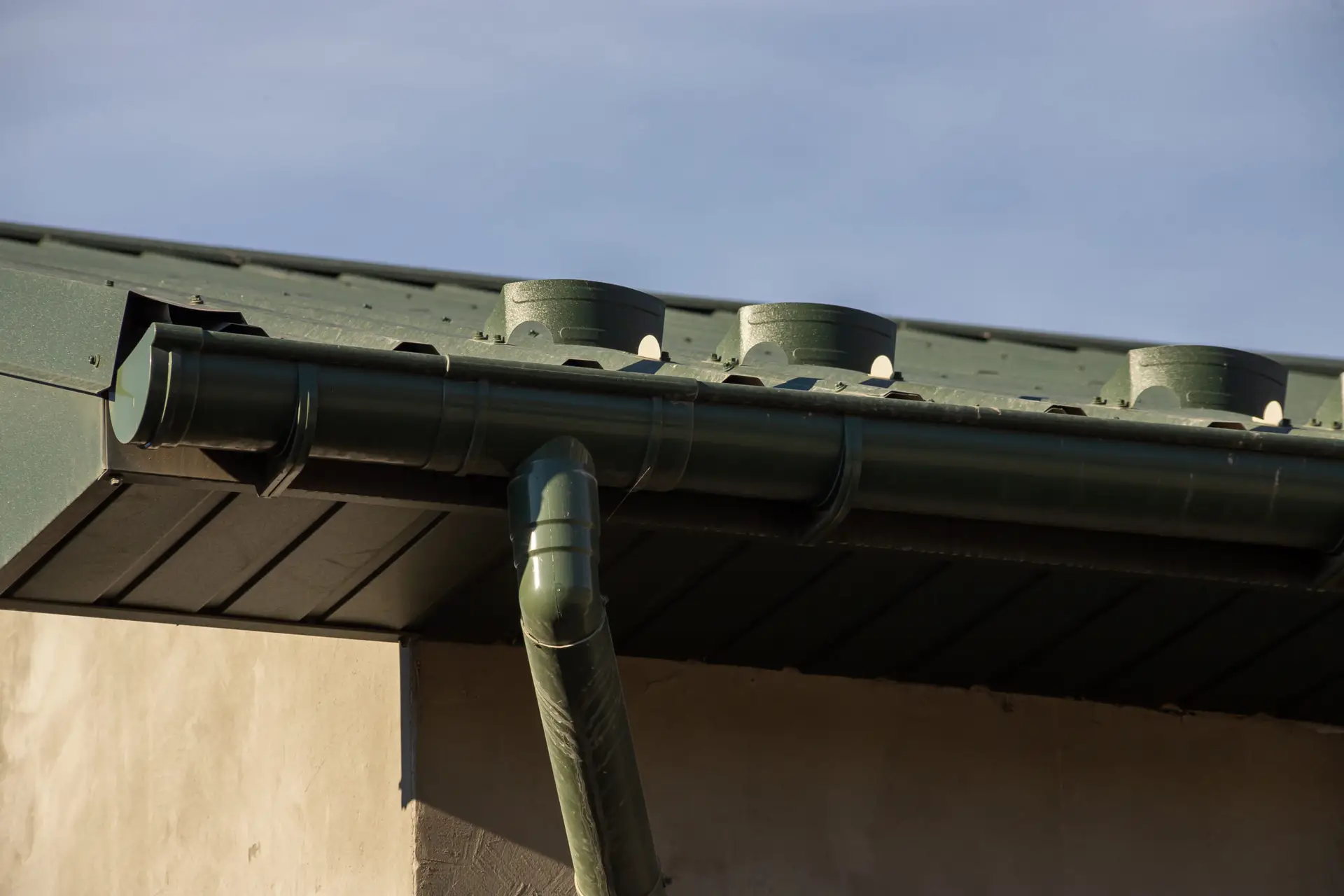
A Guide To Overflow Roof Drains
Quick Summary
A roof drain with overflow is a two-part drainage system designed for flat or low-sloped roofs. It features a primary drain for normal rainfall and a slightly elevated secondary drain. If the main drain clogs, the overflow kicks in to prevent heavy water pooling, saving your roof from structural damage and expensive leaks.
What Is An Overflow Drain?
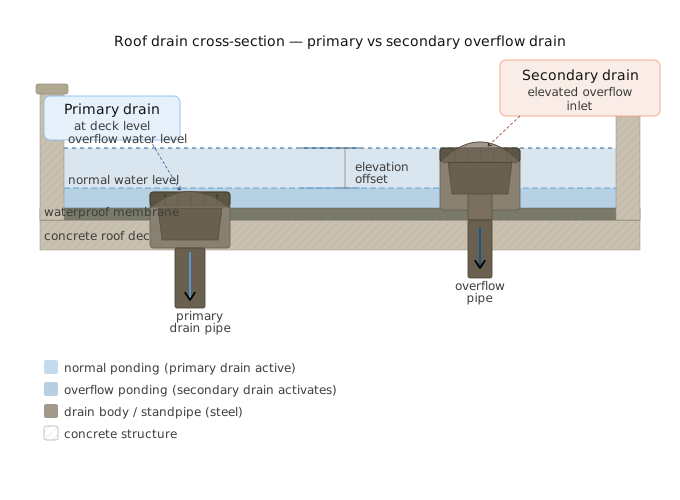
A roof drain with overflow is a specialized plumbing fixture used primarily on flat or low-slope commercial and residential roofs. It consists of a standard primary drain that handles everyday rainfall, paired with a secondary backup drain. This secondary drain sits slightly higher than the primary one, acting as a fail-safe.
When debris blocks the main channel, water begins to rise on the roof. Once the water level reaches the elevated lip of the secondary pipe, it safely flows out. This simple but brilliant design guarantees that water always has an escape route off your property.
Without this system, your flat roof basically turns into a swimming pool during a heavy storm. Water is incredibly heavy, and a standard roof is not designed to hold standing water for long periods.
Why Your Roof Needs One
Water accumulation is the biggest enemy of any flat roof. Unlike sloped roofs where gravity naturally pulls moisture away, flat roofs rely entirely on their internal plumbing. When that plumbing fails, the consequences are immediate and severe.
The primary reason you need a roof drain with overflow is to prevent structural collapse. A single inch of water covering a 10-foot by 10-foot area weighs over 500 pounds. If a severe storm hits and your main drain is choked with autumn leaves, thousands of pounds of water can accumulate in hours.
Beyond structural integrity, standing water destroys roofing membranes. Constant moisture breaks down sealants, promotes mold growth, and eventually leads to interior leaks. An overflow system acts as your ultimate insurance policy against these hidden dangers.
Advantages and Challenges
Advantages include structural protection, extended roof lifespan, prevention of interior water damage, and peace of mind during heavy storms.
Challenges involve higher initial installation costs, the need for slightly more complex plumbing, and requiring regular debris removal around the dual drain heads.
Flat Roof Maintenance Checklist
How The System Works
The mechanics behind a roof drain with overflow are remarkably simple and rely entirely on gravity and elevation. The system uses a dual-pipe setup, often housed within the same metal or plastic drain bowl.
The primary drain sits flush with the lowest point of the roof surface. It is covered by a strainer dome that catches large debris. During a normal rainstorm, water flows toward this low point and down the primary pipe, entering your home’s main stormwater system.
The overflow drain is installed right next to it, but its opening features a vertical lip, known as a water dam. This dam is usually 2 inches taller than the roof surface. Under normal conditions, the overflow drain stays completely dry.
Real-Life Scenario
Imagine a heavy thunderstorm in late autumn. Pine needles and leaves have washed into the primary drain’s strainer, creating a dam. Rainwater begins to pool on the roof. Instead of rising endlessly and threatening the roof joints, the water hits the 2-inch mark and spills over the water dam into the secondary drain. This secondary pipe often discharges in a highly visible area, like over a walkway, visually alerting the homeowner that the main drain is clogged.
Simple Step By Step Maintenance
Keeping your roof drain with overflow in perfect working condition does not require a degree in plumbing. Regular, basic maintenance is all it takes to keep your home safe.
Clear the primary strainer dome by removing leaves, twigs, and plastic bags by hand or with a small brush.
Inspect the water dam on the secondary drain to ensure no dirt or sludge has built up around its base.
Check the clamping rings that hold the roofing membrane tightly against the drain bowl to ensure they are fully secured and rust-free.
Flush both drains with a garden hose during dry weather to confirm the pipes are clear of internal blockages.
Pro Tip 1: Always schedule your roof drain inspections twice a year. Do one check in late autumn after the leaves have fallen, and another in early spring to clear out any winter debris.
Common Mistakes To Avoid
A common mistake is assuming that because you have an overflow drain, you do not need to clean your roof. The overflow is an emergency backup, not a substitute for regular maintenance.
Another frequent error is covering the drain heads with inappropriate materials like wire mesh or window screens. While homeowners do this thinking it will block smaller debris, it actually causes the drains to clog much faster with dirt and pollen. Stick to the manufacturer-provided cast iron or heavy-duty plastic strainer domes.
Finally, do not ignore the warning signs. If you see water actively pouring out of the secondary drain pipe onto the ground below, it is not just heavy rain. It means your primary system is completely blocked and requires immediate attention.
Average Costs And Pricing
In most cases, installing a new roof drain with overflow is a job for a professional roofing contractor or a specialized plumber. The cost can vary based on your roof’s material and how accessible your plumbing is.
For the parts alone, a high-quality dual drain assembly typically ranges from $150 to $400. These units are usually made from durable cast iron or coated aluminum.
When you factor in labor, expect to pay between $400 and $900 per drain installation. If the contractor needs to run entirely new secondary piping through your walls to the outside, the project cost can easily exceed $1,500. However, compared to the tens of thousands of dollars required to repair a collapsed roof, this is a minor investment.
Practical Tips For Homeowners
From experience, the best way to manage flat roof drainage is to be proactive rather than reactive. Walk your roof after every major storm, if it is safe to do so, just to see how the water is behaving.
Pro Tip 2: If your property has a lot of tall trees, consider installing a specialized drain guard. These are larger, perforated metal boxes that sit over the entire drain assembly, increasing the surface area for water to enter even if a thick layer of leaves falls.
Always ensure the termination point of your overflow pipe is visible. If the pipe connects directly into the underground sewer line like the primary drain, you will never know when the primary drain fails. Let it discharge over a patio, driveway, or garden bed so you immediately notice the issue.
Frequently Asked Questions
Can I install an overflow drain myself?
Unless you have extensive plumbing and roofing experience, DIY installation is not recommended. Improperly sealing the drain bowl to the roofing membrane is the number one cause of severe interior leaks.
How many drains does my roof need?
The number depends on the square footage of your roof and your local rainfall rates. Generally, a roof drain with overflow is required for every 10,000 square feet, but most residential flat roofs will do perfectly fine with one or two strategically placed dual drains.
Does the overflow connect to the main pipe?
No, the secondary drain must have its own separate piping system. If it connected to the primary pipe and that pipe became clogged lower down in the wall, both drains would fail simultaneously.
Why is my overflow drain leaking inside?
If water is dripping inside your ceiling around the drain area, the clamping ring seal has likely failed. The rubber gasket connecting the roof membrane to the drain bowl degrades over time and may need to be replaced.
Can an overflow drain freeze in winter?
Yes, standing water inside the bowl can freeze. To prevent ice dams from blocking the drains, keep the area perfectly clean of debris before the first freeze, and consider installing roof de-icing cables around the drain perimeter.
Final Thoughts On Roof Drainage
Protecting a flat roof requires a little extra vigilance, but understanding your drainage system makes the job much easier. A roof drain with overflow is an essential safety feature that acts as a reliable backup when nature throws its worst at your home.
By taking the time to understand how this dual-pipe setup works, you can save yourself from the nightmare of structural damage and interior flooding. Remember that regular visual inspections and simple cleaning are your best defenses.
Your practical takeaway is simple: next time it rains heavily, grab an umbrella and step outside. Find where your secondary drain empties. If you see water coming out of it, grab your ladder and clear your primary drain as soon as the storm passes.
Other Resources
- zurn.com – Provides specifications for combination primary and overflow roof drains used in commercial drainage systems.
- roofdrainexpress.com – Lists overflow roof drain assemblies and components designed to prevent water accumulation on flat roofs.
- thunderbirdproducts.com – Displays roof drains with integrated overflow features for improved roof water management.
Other Helpful Articles
- Flat Roof Bubble Repair – Explains methods for identifying and repairing bubbles in flat roofing membranes.
- Flat Roof Scupper Installation Steps – Describes step-by-step installation of scuppers for effective flat roof drainage.
- Ventilation Systems for Flat Roofs – Provides information about ventilation solutions designed for flat roof structures.
