
Roof Types: 10 Best Styles for Your Home
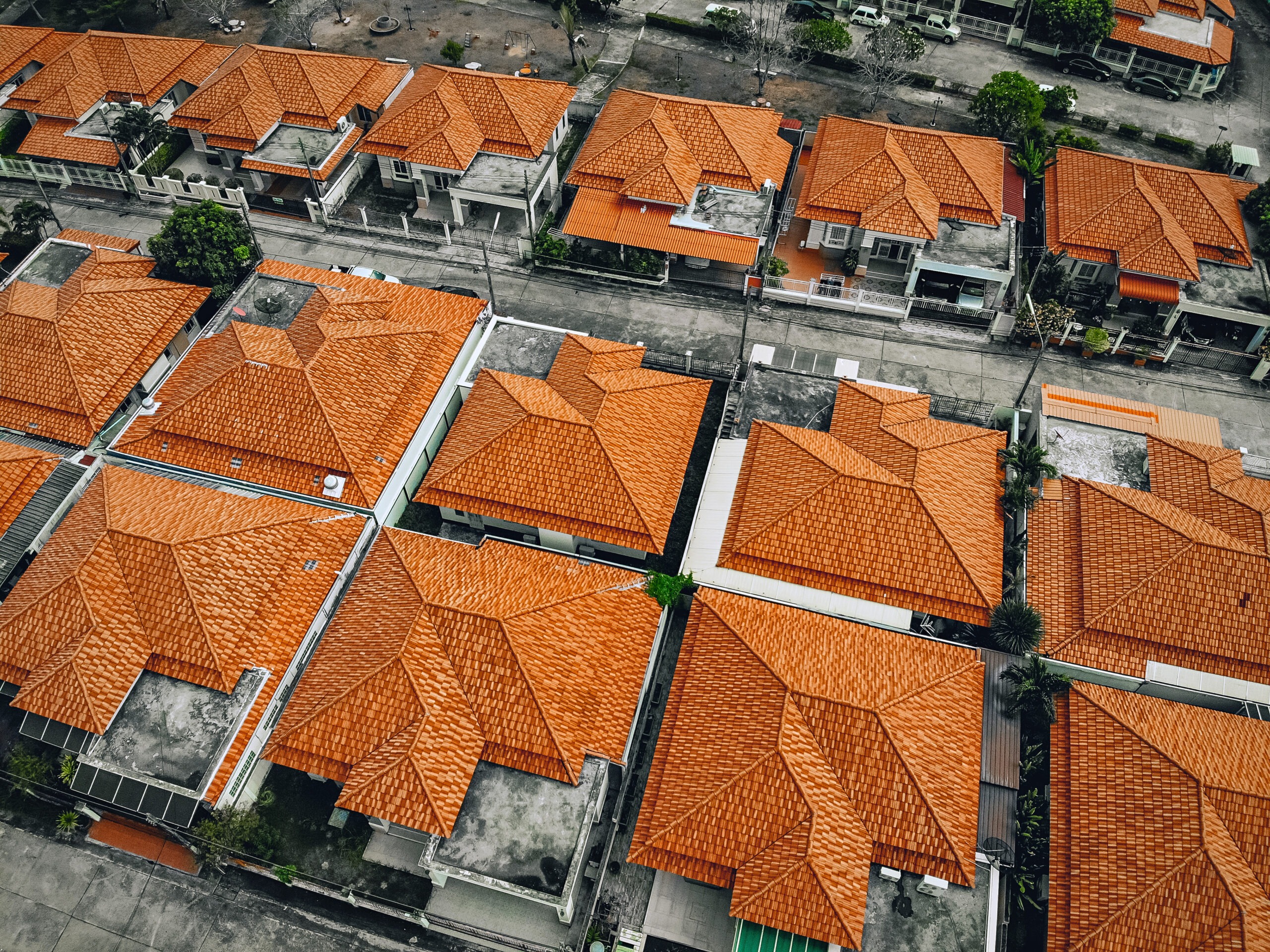
Roof Types: 10 Best Styles for Your Home
One of the most important things a homeowner can do is pick the right roof. There are many different kinds of roofs, and choosing the wrong one could mean having to pay a lot of money to fix it later. Knowing about all the different types of roofs that are available today will help you a lot, whether you are building a new home or replacing an old one. This guide tells you everything you need to know about roofs, from the different types to how to buy, install, and clean them. This way, you can make a smart choice with confidence.
What Are Roof Types?
Roof types are the different ways that buildings are covered and protected, including the materials and designs used. There are many different types of roofs that homes and businesses use, and each one has its own set of pros and cons. The shape of your roof not only changes how your home looks, but it also changes how well it sheds rain and snow, how much attic space you have, and how long your building will last.
Gable, hip, flat, mansard, gambrel, shed, butterfly, and pyramid roofs are all common types of roofs. There are also differences in each design category based on the materials used, like asphalt shingles, clay tiles, metal panels, and wood shakes. Before you buy or install a roof, you need to know both the structural and material aspects of different types of roofs.
Popular Roof Types: An Overview
There are dozens of recognized roofing types, but a handful dominate the residential market. Here is a numbered list of the ten most common:
- Gable roof — The classic triangular shape, easy to build and highly effective at water drainage.
- Hip roof — Slopes on all four sides, offering superior wind resistance.
- Flat roof — Common in commercial buildings and modern homes, requires careful waterproofing.
- Mansard roof — A French-inspired design with two slopes on each side, popular for adding attic space.
- Gambrel roof — Often seen on barns and colonial-style homes, features two different slopes.
- Shed roof — A single-slope design commonly used on additions and modern homes.
- Butterfly roof — A V-shaped design that collects rainwater; popular in eco-friendly architecture.
- Pyramid roof — Similar to a hip roof but ends at a point; great for small structures.
- Skillion roof — A steep single-pitch roof used in contemporary designs.
- Sawtooth roof — Multiple ridges, often used in industrial buildings to allow natural light.
Each of these roof types serves specific architectural and climatic needs. Identifying which one matches your local weather and aesthetic goals is the first step.
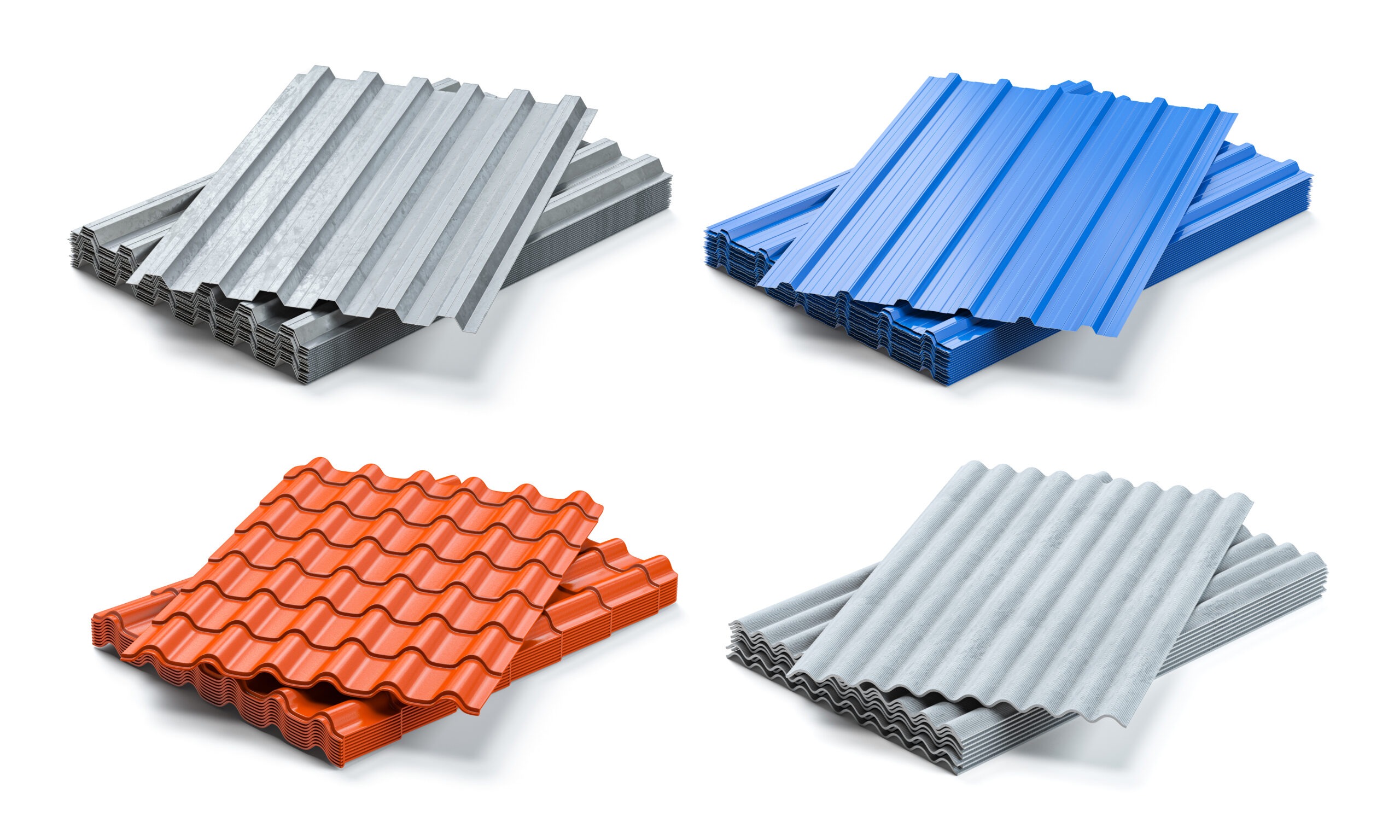
Roof Types Shingles, Modern Design, Semi-Detached & Tiles
This special section looks at four specific types of roofs that builders and homeowners often look for.
Shingle roofs are one of the most popular types of roofs in North America. Asphalt shingles are the most popular type of roof because they are cheap, easy to put up, and come in a wide range of colors and textures. The most affordable shingles are three-tab shingles. Architectural (dimensional) shingles, on the other hand, last longer and look nicer. Most home styles can use shingle-based roofs, which last 20 to 30 years with the right care.
Today’s roof designs focus on straight lines, flat or low-slope profiles, and using materials that are good for the environment. These roofing types are common in modern architecture. They often have green roofing systems, solar-panel-ready panels, metal cladding, and cool-roof coatings that reflect sunlight to lower energy costs. More and more homeowners are choosing modern roof types because they look good and last a long time.
Semi-detached homes with two roofs on the same wall can be hard to work on because they may have different roofing systems. Gable roofs and hip roofs are the most common types of roofs for semi-detached homes. It is very important to match the materials and colors of both halves of the building because they need to look the same. Sometimes, repair work on one side can affect the other, so you need to work with your neighbor.
Roof tiles, whether they are clay, concrete, or slate, last a long time—often more than 50 years. Clay tile roofs are very common in Mediterranean and Spanish-style buildings. Concrete tiles are less expensive than clay tiles, but they are heavier. Slate tile roofs are the best choice because they look natural and last for a hundred years. All types of tile roofs need a strong roof structure to hold them up.
How to Choose the Right Roof Types for Your Home
Selecting the best roof types for your property depends on several factors:
- Climate — Areas with heavy snowfall need steeply pitched roof types to prevent accumulation. Hot, dry climates benefit from tile-based roof types that resist heat.
- Budget — Asphalt shingle roof types are the most cost-effective, while slate and metal roof types represent premium investments.
- Home style — Colonial homes suit gambrel or gable roof types, while modern homes pair well with flat or skillion roof types.
- HOA regulations — Some neighborhoods restrict which roof types are permitted based on aesthetics.
- Longevity goals — If you plan to stay in your home for decades, investing in durable roof types like metal or tile pays off over time.
Consulting with a licensed roofing contractor before committing to any of the available roof types is always a smart move.
How to Find Reputable Contractors for Roof Types Installation
Finding qualified professionals to work with specific roofing types is not always straightforward. Here are steps to help:
- Search for contractors who specialize in the specific roof types you have chosen.
- Check reviews on Google, Yelp, and the Better Business Bureau.
- Ask for proof of licensing and insurance before signing any contract.
- Request at least three quotes to compare pricing across different roof types services.
- Ask for a portfolio of previous work involving your preferred roof types.
- Look for photos of completed projects.
- Confirm experience with your specific roofing material.
- Verify warranties offered on both materials and labor.
- Word-of-mouth recommendations from neighbors who have had similar roof types installed are also highly reliable.
How to Buy the Best Roof Types Materials
Purchasing materials for roof types requires research and planning. Follow these steps:
- Identify the exact roof types design and material you need.
- Compare suppliers — both local roofing supply stores and online distributors.
- Calculate the square footage of your roof to estimate material quantities.
- Measure length × width of each roof section.
- Add 10–15% for waste and cuts.
- Check manufacturer ratings and certifications for quality assurance.
- Look for energy-efficient options, particularly for flat or metal roof types.
- Buy from suppliers that offer delivery and return policies.
Purchasing directly from a manufacturer or certified distributor often yields better pricing on bulk roof types materials compared to retail outlets.
How Much Do Roof Types Cost?
The cost of roofing types varies significantly based on material, slope complexity, and labor rates in your region. Here is a general breakdown:
- Asphalt shingle roof types — $3.50 to $5.50 per square foot installed.
- Metal roof types — $7 to $14 per square foot installed.
- Clay tile roof types — $10 to $18 per square foot installed.
- Slate roofing types — $15 to $30 per square foot installed.
- Flat roofing types (TPO or EPDM) — $5 to $10 per square foot installed.
- Wood shake roofing types — $6 to $11 per square foot installed.
For a standard 2,000-square-foot home, total installation costs for common roof types typically range from $7,000 to $60,000 depending on material selection. Labor costs typically account for 40–60% of the total budget. Always get itemized quotes that separate material costs from labor to compare different roof types options accurately.
How to Install Roof Types Step by Step
Installing roof types is a complex process best handled by licensed professionals, but understanding the steps helps you supervise the project effectively:
Remove old roofing material — Tear off existing shingles, tiles, or panels down to the decking.
Inspect and repair the decking — Replace any rotted or damaged wood before proceeding.
Install underlayment — A moisture barrier applied across the deck to protect against leaks.
Add drip edges — Metal strips along roof edges to direct water away from the fascia.
Install flashing — Metal pieces around chimneys, vents, and valleys to prevent water intrusion.
Apply roofing material — Install your chosen material according to manufacturer guidelines for your specific roof types.
- For shingles, start from the bottom edge and work upward.
- For tiles, begin at the eaves and overlap each row.
- For metal panels, align carefully and secure with screws.
Seal ridges and hips — Cap strips or ridge tiles finish the peak of most roof types.
Final inspection — Check for lifted edges, exposed nails, and proper flashing seals.
How to Clean and Maintain Different Roof Types
Regular cleaning extends the life of all roof types significantly. Here is how to maintain the most common ones:
- Asphalt shingle roofing types — Use a low-pressure wash or a soft-bristle brush with a diluted bleach solution to remove moss and algae. Avoid high-pressure washing, which strips granules.
- Tile roofing types — Rinse with water and use a soft brush to dislodge debris. Apply a moss inhibitor annually.
- Metal roofing types — Clean with mild soap and water. Inspect for scratches and touch up with rust-inhibiting paint as needed.
- Flat roofing types — Remove standing water and debris after each storm. Inspect seams and membrane integrity twice yearly.
- Wood shake roofing types — Apply a preservative treatment every few years and remove leaves and organic debris regularly. General maintenance tips for all roofing types:
- Inspect after every major storm.
- Keep gutters clear to prevent water backup.
- Trim overhanging tree branches.
- Schedule a professional inspection every two to three years.
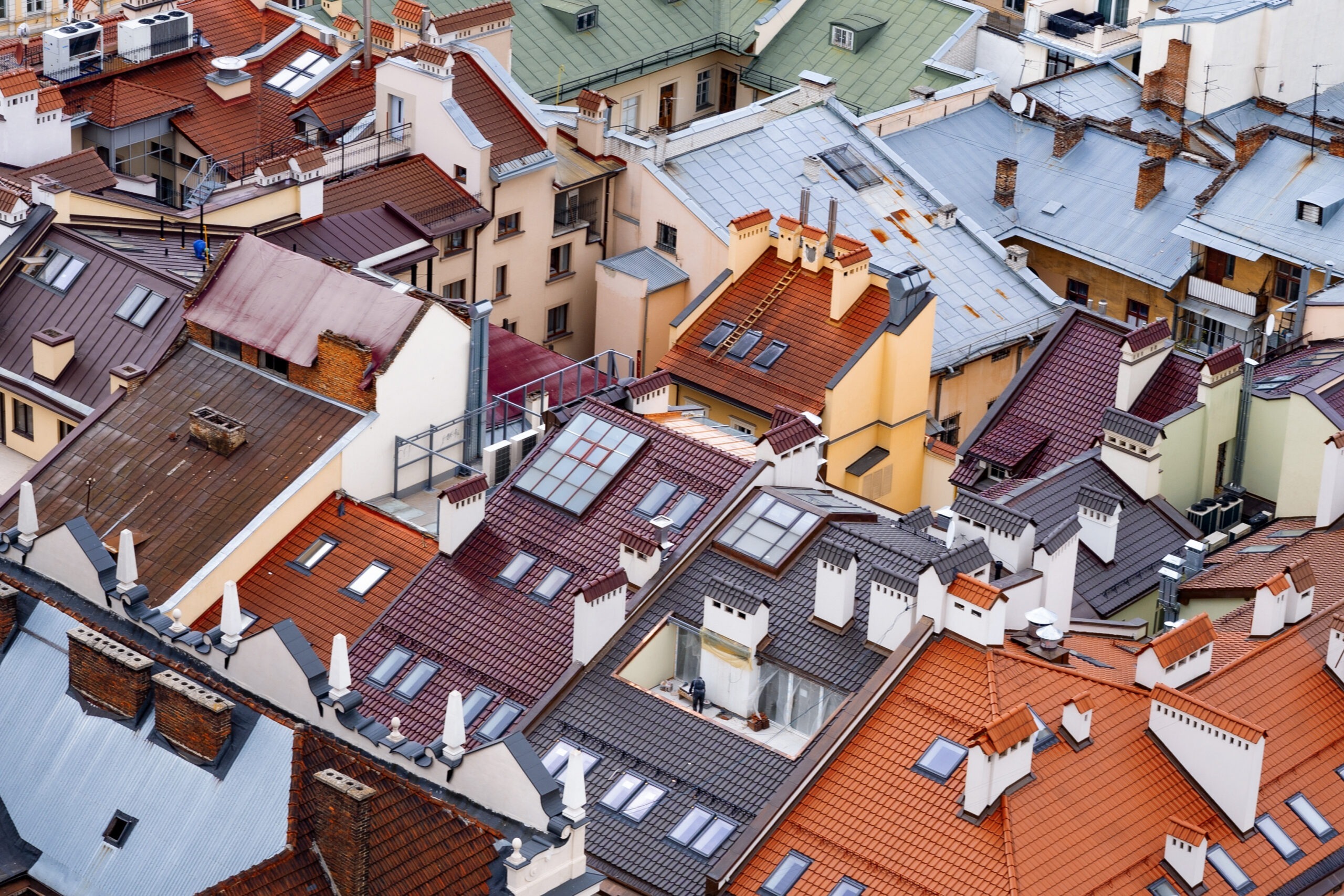
Advantages and Challenges of Different Roof Types
Every category of roof types comes with distinct pros and cons.
Advantages of popular roof types:
- Asphalt shingle roofing types are affordable, widely available, and easy to repair.
- Metal roofing types offer exceptional longevity — often 40 to 70 years — and strong energy efficiency.
- Tile roofing types are extremely durable, fire-resistant, and add significant curb appeal.
- Flat roofing types provide usable outdoor space and are less expensive to install on large structures.
- Hip roofing types provide excellent wind resistance, making them ideal in hurricane-prone regions.
Challenges of roofing types:
- Flat roofing types require more frequent maintenance to prevent leaks due to poor drainage.
- Tile roofig types are heavy and may require structural reinforcement before installation.
- Wood shake roofing types are vulnerable to fire, rot, and insect damage without regular treatment.
- Mansard roofing types are expensive to install and repair due to their complex design.
- Metal roofing types can be noisy during rain unless properly insulated.
Understanding both sides of each option ensures you choose roof types that align with your practical and financial expectations.
What Is the Real Cost of Roofing Types Over Time?
The true cost of roof types goes beyond initial installation. Lifecycle costs must include:
- Maintenance expenses — Low-maintenance roof types like metal and tile save money long-term despite higher upfront costs.
- Energy savings — Reflective roofing types, such as cool-metal or white membrane flat roofs, can reduce cooling bills by 10–25%.
- Insurance impact — Some roofing types, like impact-resistant shingles, qualify for homeowner insurance discounts.
- Replacement frequency — Asphalt shingle roofing types may need replacement every 20–25 years, while slate can last over 100 years.
- Resale value — Premium roof types consistently boost property values by 5–15%, according to industry estimates.
When calculating what roof types truly cost, always factor in a 30-year horizon rather than just the installation quote.
FAQ About Roof Types
What are the most common roof types for residential homes?
The most common roofing types for homes are gable, hip, and flat roofs. Asphalt shingles are the most popular material used across all residential roofing types in North America.
Which roofing types are best for heavy rainfall areas?
Steeply pitched roof types like gable and hip roofs perform best in high-rainfall regions because they shed water quickly and minimize pooling.
Are metal roof types worth the extra cost?
Yes, metal roofing types typically last two to three times longer than asphalt shingles, making them a smart long-term investment despite higher upfront pricing.
How do I know which of the roof types is right for my climate?
Consult a local roofing professional who understands regional weather patterns. In general, steep-sloped roofing types work better in cold and rainy climates, while low-slope roofing types suit dry and warm regions.
Can I install new roofing types over old shingles?
In many cases, yes — most building codes allow one layer of new shingles over existing ones. However, professional assessment is required, and some roofing types materials cannot be overlaid.
What roof types add the most value to a home?
Metal and slate roof types consistently rank as the highest-value additions because of their longevity, appearance, and energy performance.
How often should all roof types be inspected?
All roof types should be professionally inspected at least once every two to three years, and after any major storm.
Conclusion
It’s not enough to just choose a roof design that looks good; you also need to know about the different types of roofs and how they can help keep your home safe, save energy, and increase its value over time. There are more and better choices than ever before. For example, shingle roofs are cheap and flexible, while slate tile roofs last for a hundred years. You can be sure of your roofing project if you know what each of the main roofing types costs, how hard it is to install, how much maintenance it needs, and how well it works. Think about your climate, your budget, and your long-term goals. You will find that the right roof type is not too far away.
Other Resources
- owenscorning.com – Explains different types of roof designs and materials commonly used in residential construction.
- cupapizarras.com – Describes ten types of roofing styles and their characteristics for various building needs.
- nationwide.com – Provides an overview of roofing types, materials, and considerations for homeowners.
Other Helpful Articles
- Mobile Home Roof Replacement Cost – Explains the cost factors and pricing estimates for replacing a mobile home roof.
- 20 Ft Metal Roofing Price Guide – Provides pricing details and considerations for 20-foot metal roofing panels.
- Standing Seam Metal Roof Cost Calculator – Offers guidance on estimating costs for standing seam metal roofing systems.
