
The Ultimate Guide to Planning a Patio Extension With Roof
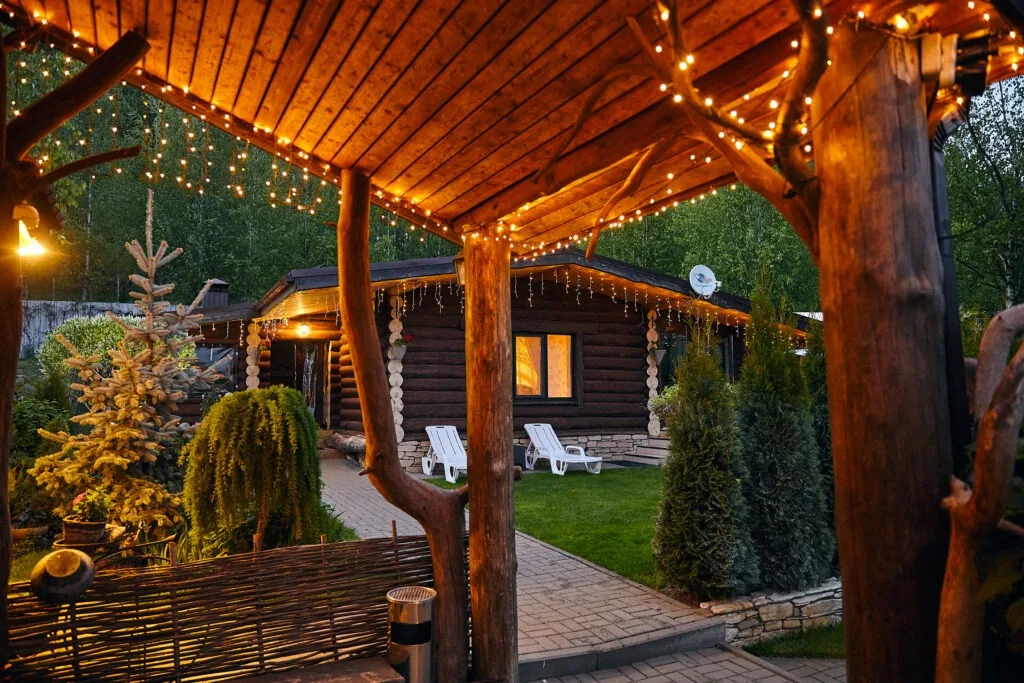
A Guide for Homeowners on How to Build a Beautiful Roofed Patio Extension
If you like spending time in your backyard, you probably already know how annoying it is when the sun is too hot or it rains out of nowhere and you have to go back inside. A beautiful patio is great, but the weather makes it hard to use if it doesn’t have the right shelter.
This is where a roofed patio extension comes in. One of the best and most rewarding home improvement projects you can do is this. By just extending your current roofline or putting a solid structure over your patio, you can turn a bare slab of concrete or wood into a real outdoor living room that you can use all year.
This guide will show you everything you need to know, without the confusing builder jargon, whether you want a cosy place to drink your morning coffee or a huge space for summer barbecues.
A Quick Summary Box
- What it is: A permanent roof structure that covers your patio and is usually attached to the roof or outside wall of your home.
- The average cost is between $5,000 and $20,000, depending on the size and materials used.
- Main Benefit: It protects your property from the weather all year long and raises its value.
- Tip: Always make sure that the new roof pitch and shingles match the style of your home so that it looks like a part of the house instead of a cheap addition.
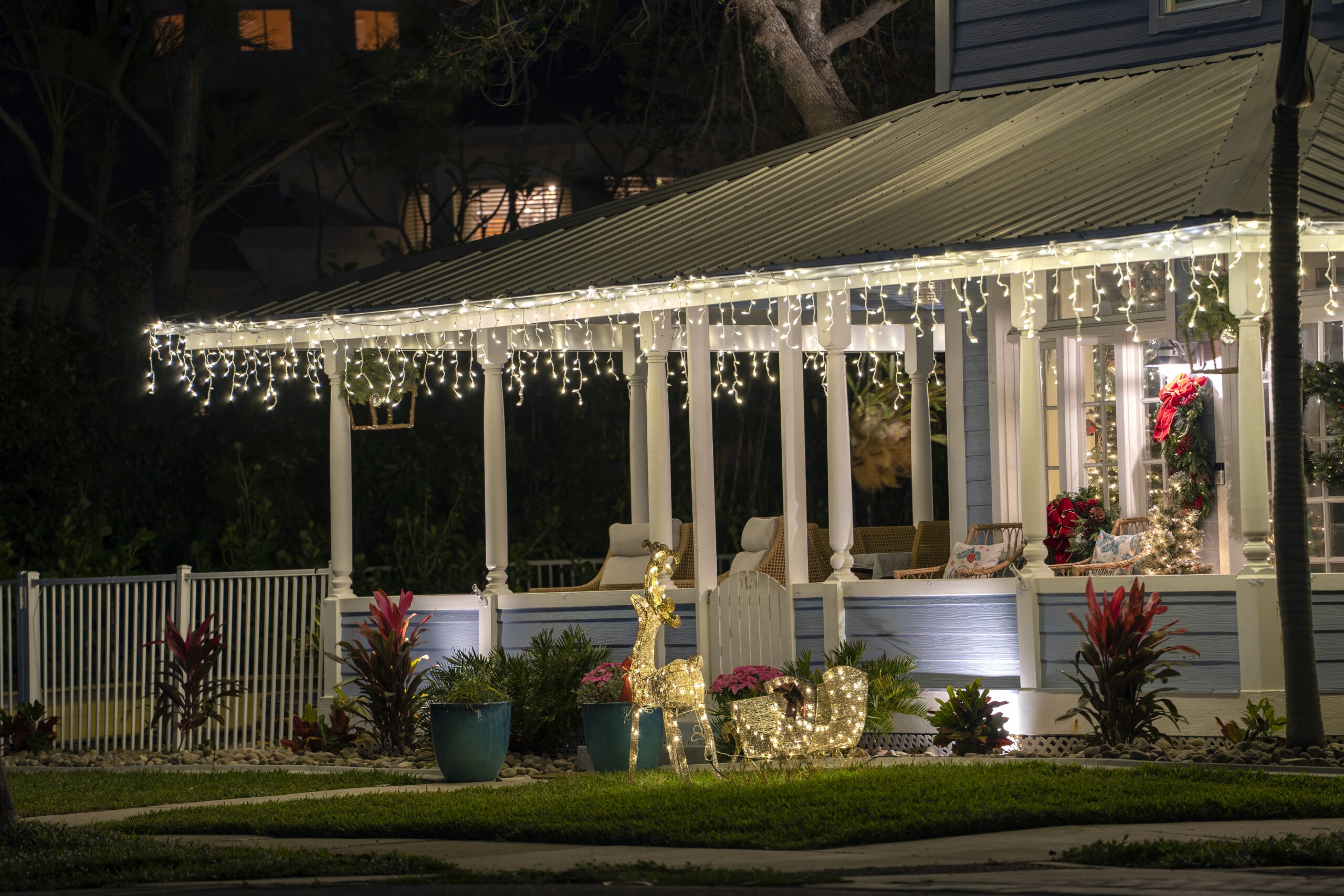
1. What is a roofed patio extension?
A patio extension with a roof is a permanent addition to your home’s architecture that gives your outdoor space solid protection from the weather.
This is a heavy-duty, structural upgrade that is not like temporary pop-up canopies, flimsy cloth awnings, or open-slat pergolas that let the rain right through. It usually has a strong roof that connects directly to your house and a frame made of wood, aluminium, or steel.
Depending on how your house is set up, this addition could stick straight out from the outside wall, or it could be designed to fit in perfectly with the overhang of your current roof. The main goal is to make it easy to move from your indoor kitchen or living room to your outdoor entertainment area. Visitors shouldn’t be able to tell where the patio ends and the original house begins if it’s done right.
2. Why It Matters: The Real Value of Putting a Roof Over Your Patio
You might be wondering if it’s really worth it to go through the trouble of a construction project. The short answer is a definite yes.
A patio extension with a roof is important because it adds square footage that was lost. Think about how many days of the year you can’t use your backyard because it’s too hot, too wet, or too windy. Adding a solid roof turns your outdoor space into a living room that you can use all year round.
It also keeps your investments safe. When high-quality outdoor furniture, grills, and rugs are exposed to direct UV rays and heavy rain, they break down very quickly. A strong roof protects your expensive patio furniture, which saves you money in the long run. Lastly, a well-built addition makes your home look much better from the street and increases its resale value. Buyers love outdoor entertainment areas that are ready to use.
3. How It Works: The Structure’s Anatomy
If you don’t know much about construction, the thought of adding a new roof to your house can be scary. But how it works is actually pretty simple.
Most of the time, the structure depends on two main points of support. The roof is directly connected to the structural framing of your home on one side. You can usually do this by bolting heavy-duty ledger boards to the wall studs or by using special roof riser extension brackets that safely attach to the roof trusses that are already there.
Strong, vertical posts (or columns) hold up the weight of the roof on the other side. Concrete footings that were poured deep into the ground hold these posts in place. These footings make sure that the roof’s heavy weight and any snow that might fall on it won’t make the building sink or blow away in strong winds. You put plywood, waterproof underlayment, and roofing materials that match your house on top of the frame.
4. A step-by-step guide on how to build it
We always suggest hiring a licensed contractor for structural additions, but knowing how the process works can help you keep track of the project and avoid being taken advantage of. This is how a regular patio extension with a roof comes to life.
Step 1: Getting ready and getting permission
You need to plan your dimensions and get the right permits before you buy any timber. The building department in your area needs to make sure the structure won’t fall down. Depending on where you live, permit fees usually range from $100 to $1,000.
Step 2: Get ready and clean
The area must be completely free of furniture, plants, and trash. If you don’t already have a concrete slab or a deck that can hold heavy loads, the crew will dig holes and pour concrete footings for the support posts.
Step 3: Putting up the Frame
After the concrete has set, the builders put the ledger board on your house. After that, they will put up the vertical support posts and attach them to the house with big beams and rafters that go across the house. This makes the frame for your roof.
Step 4: Putting on the shingles and roof deck
Once the frame is stable, the builders put on the roof decking, which is usually plywood or OSB. They put a waterproof membrane over this. Finally, they put on the outer roofing material, which could be asphalt shingles, metal panels, or polycarbonate sheets. They make sure it fits perfectly with the roof that is already on your home.
Step 5: Last touches
The last step is to cover the underside (the ceiling) with beadboard or tongue-and-groove wood, put up gutters to collect rainwater, and run electrical wires for ceiling fans and recessed lights.
Tip 1: Consider different types of roofs
Don’t just go with a flat roof. Talk to your builder about a Gable roof, which is shaped like an A-frame, or a Flyover roof, which goes over your current roof. These styles let hot air rise and escape, which keeps your patio much cooler in the summer.
5. Cost and pricing: How much should you expect to pay?
Making a budget is often the most stressful part of any home improvement project. The price of a patio extension with a roof will be very different depending on where you live, how big the space is, and how high-end the materials you choose are.
In general, you should expect the whole project to cost between $5,000 and $20,000 or more. Here is a useful breakdown of what makes those numbers happen:
- Basic Flat or Lean-To Roofs: If you use simple aluminium framing and basic polycarbonate roofing, the materials and labour can cost between $3,000 and $7,000.
- Mid-Range Gable or Hip Roofs: If you want a traditional pitched roof made of wood framing and asphalt shingles that match your house, it will cost between $6,000 and $18,000.
- High-End Custom Extensions: If you’re adding a huge space with vaulted cedar ceilings, recessed lighting, outdoor ceiling fans, stone-wrapped columns, and an outdoor kitchen, the cost can easily go over $15,000 to $35,000.
- Labour Costs: Carpenters and roofers usually charge between $50 and $100 an hour.
Based on what I’ve learned, it’s always a good idea to add 15% to 20% to your budget. You might find hidden water damage or termite problems that need to be fixed first when you open up the side of a house to put up a ledger board.
6. Advantages and Challenges
Let’s look at the good and bad sides to give you a full picture.
- The Good Things
Protection from the weather: Rain, snow, or strong UV rays won’t ruin your weekend plans anymore. - Higher Property Value: Appraisers and home buyers love outdoor living spaces that are functional and work well with the rest of the house.
- Cooler Interiors: A roof extension blocks the sun from hitting the windows and sliding glass doors at the back of your house, which lowers your indoor air conditioning costs.
- Entertainment Space: It gives you a special place to eat, cook, and have family gatherings.
- The Problems
High Initial Investment: This is a permanent structural addition that costs thousands of dollars, unlike buying a $200 umbrella. - Loss of Natural Light: A solid roof will keep the sun out. If your patio is connected to your living room, the living room might get a lot darker.
- Permit Problems: Following local building codes and getting HOA approvals can be very annoying and take a long time.
7. Common Mistakes to Avoid
Things can go wrong very quickly when homeowners try to speed things up. These are the biggest mistakes you should avoid.
One mistake people often make is not getting a permit.
A lot of homeowners think they don’t need the city’s permission because a patio roof is technically outside. If you build without a permit, the city can make you tear down the whole thing. Also, if the roof falls and hurts someone, your homeowner’s insurance will probably deny the claim.
Not paying attention to how water drains.
When you add a big roof, you can collect hundreds of gallons of rainwater. If you don’t put in the right gutters and downspouts on the new extension, all that water will flow straight into your backyard, which could flood your foundation.
Making something look “tacked-on.”
An extension that looks like an afterthought is one of the worst things that can happen to a home’s look. If your house has a steep, dark-shingled roof, putting a flat, white aluminium cover over your patio will look out of place. The goal is to make the buildings look good together.
8. Helpful Hints for a Smooth Project
Preparation is the key to making sure your project goes well.
- Tell your contractor ahead of time if you want outdoor outlets, string lights, or a ceiling fan. When the wooden frame is exposed, it’s very easy to run wires. But once the ceiling is sealed up, it’s very hard and expensive to do it.
- Check Your Property Lines: Most cities have “setback rules” that say how close a building can be to the fence of your neighbour. Check that your planned roof doesn’t break any of these rules.
- Think about skylights: If you’re worried that your patio roof will block natural light from coming into your home’s windows, ask your builder to put two or three skylights right into the patio extension.
Tip 2: Use Better Support Columns
Don’t just leave the basic 6×6 wooden support posts out in the open. Ask your builder to cover the bottoms of the posts with natural stone or brick that matches the outside of your house. It costs a little more, but it changes the look from “basic deck” to “luxury outdoor pavilion.”
Suggested External Authority Mention: Real estate experts say that well-designed outdoor living spaces can add more than 50% to the value of a home when it is sold.
9. Examples and Situations from Real Life
Seeing how different families use these spaces can be helpful at times. Here are two common situations.
Scenario A: The Backyard That Gets a Lot of Sun
The Smiths had a nice concrete patio, but their backyard faced directly west, which was a problem. The sun was so bright every afternoon that it felt like an oven in there.
The answer was to add a roof to the gable patio extension. The high, vaulted ceiling let hot air rise, and the solid asphalt shingles blocked out all of the sun. They put an outdoor ceiling fan on their patio, which made it almost 15 degrees cooler and the perfect place to read in the afternoon.
Scenario B: The Entertainers Who Are Always There
The Johnsons loved having barbecues in the spring, but the weather kept ruining their parties.
The Solution: They chose a flat-roof extension that connected directly to the fascia of their mid-century modern home. They put recessed lights in the ceiling and built a small kitchen outside below them. The party can go on even when it rains because the grill stays dry.
Frequently Asked Questions (FAQ): Patio extension with roof
Here are short, clear answers to the most common questions homeowners have about this project. They will help you get the best results.
Do I need a base for the roof of my patio?
Yeah. The vertical support posts hold up a lot of weight, even though they are just a roof. They need to be anchored to the right concrete footings that have been poured into the ground so that the building doesn’t sink, move, or blow over.
Is it possible to attach a roof to the fascia board of my house?
No, most of the time. The fascia board, which is the trim board at the edge of your roof, isn’t strong enough to hold the weight of a new roof. You need to make sure that the new structure is securely tied back into the wall studs or roof rafters of your home.
How long does it take to put together?
The actual building goes quickly once the permits are approved. Depending on how complicated it is and the weather, a professional crew can usually finish a standard wooden patio extension in 3 to 7 days.
Is a roof better than a pergola?
It all depends on what you want to do. A pergola gives you some shade but lets rain and direct sunlight through. A solid patio extension with a roof protects everything from all weather, making it much more useful for expensive furniture and electronics.
Does adding a roof to a patio make a home worth more?
Yes. A professionally built addition that matches the style of the home adds usable square footage to the property, which is very appealing to potential buyers.
In conclusion/Patio extension with roof
Adding a roof to your patio is more than just a normal remodelling project; it’s a way to improve your way of life. You can make a beautiful outdoor oasis if you take the time to plan ahead, pick materials that go well with your home’s natural architecture, and stay away from common shortcuts like skipping permits.
Keep in mind that the goal is to make the addition look like it was always there. Don’t rush; talk to experts to make sure the structure is safe, and don’t forget to run electrical wiring for those cosy string lights at night!
If you want to stop letting the weather decide when you can enjoy your backyard, start by measuring your patio space today and drawing out how you want it to look.
Other Resources
- houzz.com – Displays design ideas and examples of patios with roof extensions for outdoor living spaces.
- pinterest.com – Provides a collection of visual inspirations for patio roof extension designs.
- skylifthardware.com – Explains planning considerations and design options for building a patio roof extension.
Other Helpful Articles
- Roof Drain with Overflow Guide – Describes how roof drain systems with overflow features function and are installed.
- Greenest Roofing Eco Friendly – Explains environmentally friendly roofing materials and their benefits.
- Mobile Home Roof Replacement Cost – Provides information about costs and factors involved in replacing a mobile home roof.
