
The Ultimate Homeowner’s Guide to the 20 Ft Metal Roofing Price (2026)
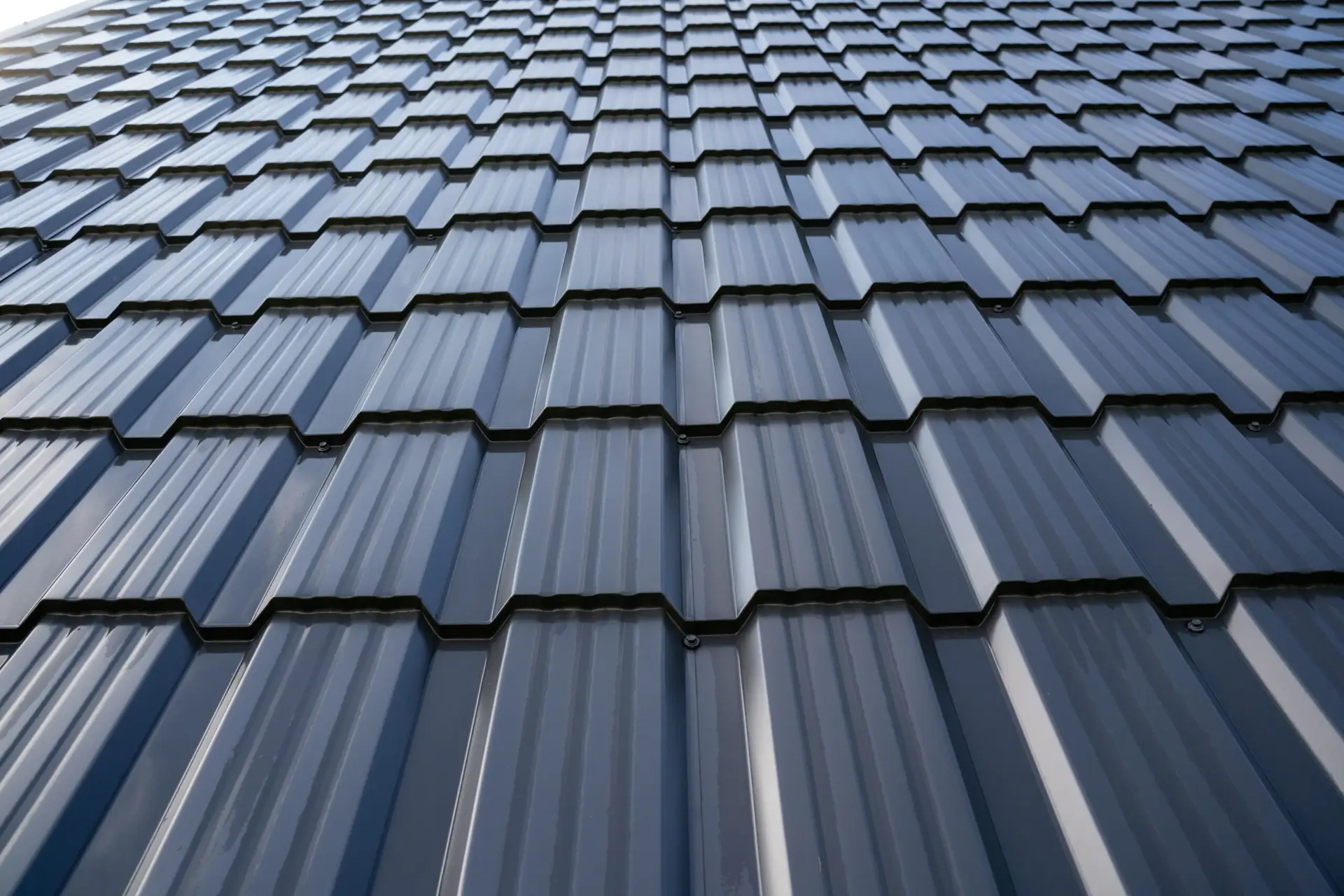
What Homeowners Should Know About the Cost and Installation of 20 Ft Metal Roofing
If you’re thinking about getting a new roof for your house or maybe building a new garage or pole barn, you’ve probably thought about metal roofing. It lasts for decades, looks great, and is strong. But when you start looking at big panels to cover long areas, the first thing you should do is find out how much the 20 ft metal roofing price.
Most homeowners are surprised to learn that buying long, continuous panels can save them money on labour and keep leaks from happening in the future. But if you don’t have a technical background, the world of roofing materials can be hard to understand.
I know from experience that it can be hard to get a straight answer about how much roofing will cost. That’s why I made this complete and easy-to-understand guide. We’re going to go over everything, from the average cost of a 20-foot metal roof to the mistakes people make when they put it up.
💡 Short Summary Box
- Average Panel Cost: You should expect to pay between $25 and $90 for each 20-foot panel.
- The average cost of a full installation is between $5 and $16 per square foot.
- The total cost of the project is between $10,000 and $32,000 for a typical 2,000-square-foot home, depending on the materials used.
- Best for: garages, barns, modern homes, and roofs with a low slope.
- Key Benefit: There are fewer horizontal seams, which greatly lowers the risk of water leaks.
What is metal roofing that is 20 feet long?
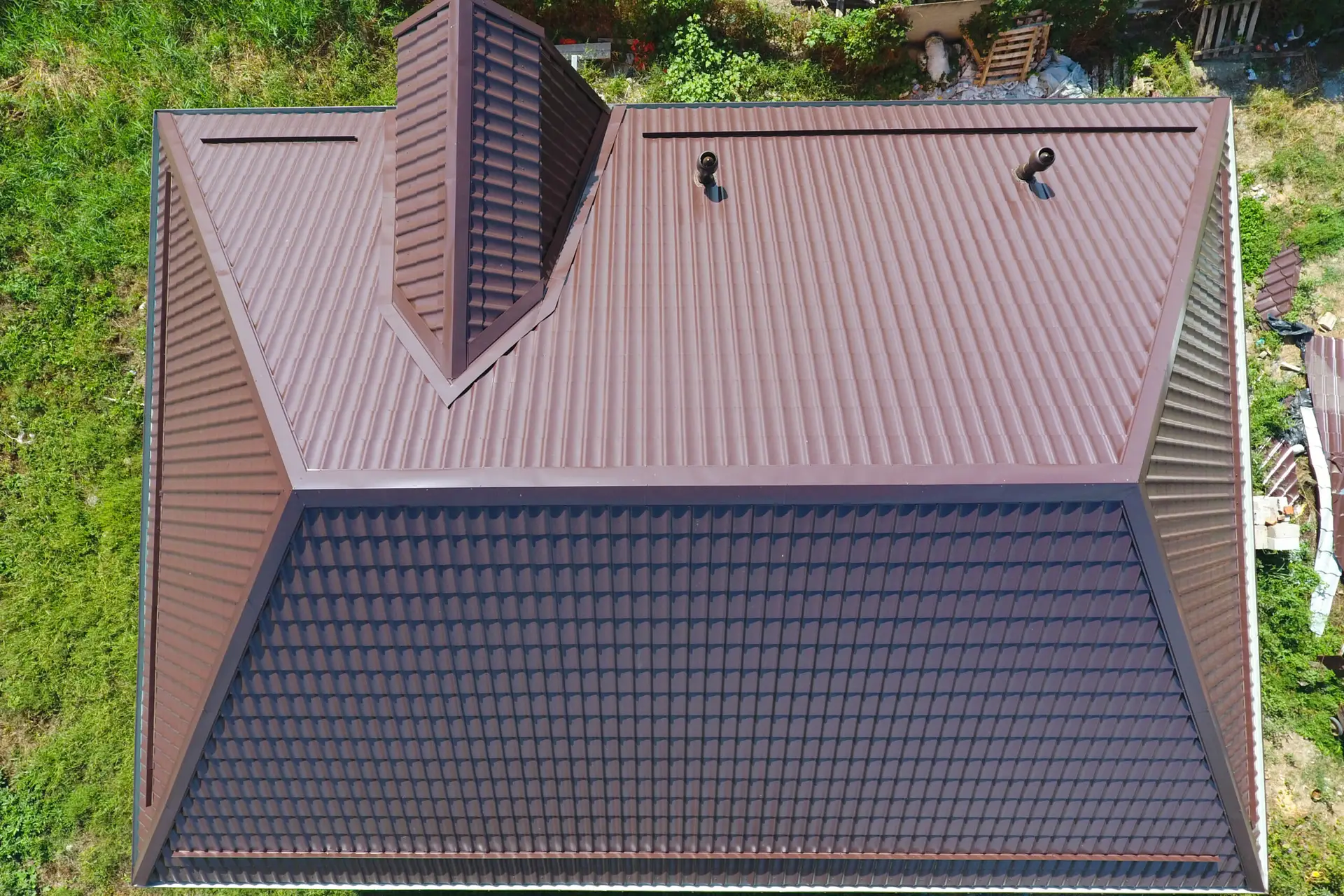
A 20-foot metal roofing panel is a long sheet of shaped metal, usually steel or aluminium, that is 20 feet long. Because it is so long, it can often cover the whole roof from the top ridge to the bottom edge without having to overlap several shorter panels.
We don’t mean the old rusty tin roofs when we talk about metal roofing. Today’s metal panels are made with high-tech coatings that protect them from rust, reflect heat, and stand up to bad weather. There are different types of them, but the most common are corrugated (wavy) and standing seam (flat panels with raised interlocking ridges).
What does the length of a panel mean?
You might be curious as to why we’re talking about panels that are 20 feet long. Why not just buy a lot of 10-foot panels and stack them?
Every time two roofing panels touch each other horizontally, they make a seam. Water is very sneaky. When the wind is strong enough, rain can go up and down, even under overlapping panels. You can get rid of all horizontal seams by covering the whole slope of your roof with a single 20-foot sheet.
Fewer seams mean that water has fewer places to get in. This makes your roof much more weatherproof and greatly extends its life. Also, putting up one long panel is much faster than carefully lining up and overlapping two or three shorter ones. This can lower the labour cost of your 20 ft metal roofing.
How does a metal roof that is 20 feet long work?
You might think it’s hard to understand how this roofing system works, but it’s not. A metal roof is like a shell that protects your home from the weather. It sits on top of the structural framing and a waterproof underlayment.
When you put down a 20-foot panel, it goes up and down. Depending on the style you choose, the panels can either be screwed directly through the metal face into the wood deck below (exposed fastener) or clipped together with hidden brackets (standing seam).
The idea of thermal movement:
One important thing to know is that metal gets bigger in the summer sun and smaller in the winter cold. When the temperature changes, a 20-foot piece of steel will actually change length a little bit. Modern metal roofing systems are made to let this “breathing” happen so that the metal doesn’t tear itself apart or pull screws out of the wood over time.
How Much Does 20 Ft of Metal Roofing Cost?
Let’s look at the numbers. What exactly determines the price of 20 ft metal roofing in today’s market?
When you look around, you’ll see that the price of 20 ft metal roofing panels ranges from $25 to $90 each. Most standard corrugated sheets cost homeowners between $35 and $60. But buying the raw panels is only one part of the puzzle.
The average cost of installing a metal roof is between $5 and $16 per square foot, which includes the cost of the underlayment, trim, screws, and professional labour. The average total cost for a standard 2,000-square-foot house is between $7,500 and $40,000, depending a lot on how good the metal is.
Things that affect the cost
Why is there such a big difference in price? There are a few important choices that will affect the final price of your 20 ft metal roof:
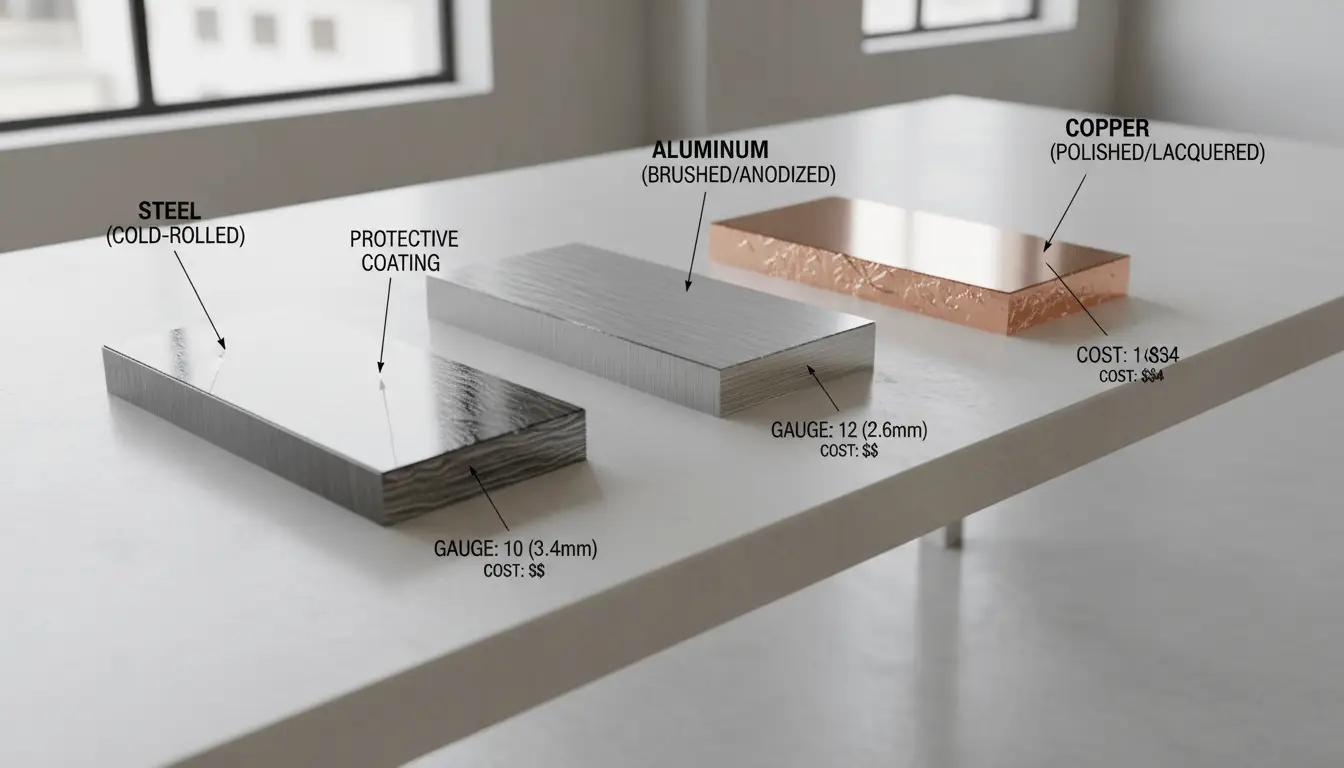
- Type of Material: Standard galvanised or galvalume steel is the cheapest option, costing between $1.50 and $3.50 per square foot for just the materials. Aluminium costs a little more, and high-end metals like copper or zinc can cost up to $25 per square foot.
- Gauge (Thickness): The thickness of metal is measured in “gauge.” A lower number, on the other hand, means thicker metal. A weak 29-gauge panel will make the 20 ft metal roofing price very low, but a strong 24-gauge panel will cost more up front but protect against hail damage much better.
- A basic SMP (Silicone Modified Polyester) paint job is cheaper, but a premium PVDF (Polyvinylidene Fluoride) finish will keep your roof from fading in the sun and raise the price of the initial 20 ft metal roofing.
- Delivery and Freight: Keep in mind that a standard pickup truck can’t fit a piece of metal that is 20 feet long. Your bottom line will go up with specialised flatbed delivery.
Pros and Cons of 20 Ft Panels
Is it worth it to spend money on 20 ft of metal roofing? Let’s take a look at the good and bad things.
The Pros
- Extreme Durability: A metal roof that is properly installed can last 40 to 70 years, while an asphalt shingle roof might need to be replaced in 20 years.
- Metal reflects UV rays from the sun, which makes it more energy efficient. Homeowners often pay up to 20% less for air conditioning in the summer.
- Quick Installation: If you hire a crew, putting up long panels goes quickly. Some homeowners say that it took them seven days or less to put up their metal roof.
- Fire Resistance: Metal doesn’t catch fire at all, which gives you peace of mind, especially in areas where wildfires are common.
The Problems
- Higher Upfront Cost: If you compare the price of 20-foot metal roofing to cheap asphalt shingles, you will definitely pay more on the first day.
- Hard to Handle: A 20-foot metal panel acts like a big sail if the wind catches it. A team needs to work together to safely lift it onto the roof.
- Oil Canning: In some lights, flat metal panels can look a little wavy or wrinkled. This is a cosmetic problem known as “oil canning.” It doesn’t affect how well the roof works, but it bothers some homeowners.
A Simple Guide to How to Use or Apply It
I always say that you should hire a pro to put a roof on your house, but many handy homeowners put metal roofs on their sheds, barns, or detached garages. This is a simple explanation of how the process works.
Step 1: Get ready and measure
You need to measure the roof from the peak (ridge) to the edge (eave) before you place your order. You want the panel to hang over the edge by an inch or two so that rainwater can safely flow into the gutters.
Step 2: Put in the underlayment
Don’t ever put metal directly on bare wood. You need to roll out a good synthetic underlayment. This serves as a second line of defence against moisture and condensation.
Step 3: Put down the first panel
The first panel has to be perfectly straight (plumb). If it’s even a quarter of an inch off, your panels will be running completely off the edge by the time you get to the other side of the roof.
Step 4: Attach the Right Way
If you are using exposed fasteners, like screws with rubber washers, screw them into the flat part of the panel, not the raised rib. Push the screw in until the rubber washer is tight, but don’t crush it.
Step 5: Repeat and overlap
Put the next panel so that it covers the side edge of the first one. Keep doing this across the roof, making sure everything stays in line.
Step 6: Put in the trim and flashing
After you take down the main panels, you put a ridge cap on the top and metal trim along the edges (rake and eave) to keep the system safe from wind and rain.
Things to Avoid Doing
People often make the mistake of thinking that metal roofs don’t need any maintenance at all. They don’t need as much care as shingles, but if they’re not put in right, they can cause problems.
- Over-tightening screws: Be careful when using exposed fasteners. The rubber washer will break if you drive the screw too hard. The sun will dry out the broken rubber over time, and you’ll have a small hole where water can get in.
- Not paying attention to thermal expansion: If you pin down a 20-foot piece of metal too tightly at both ends, it won’t be able to move when it gets hot. It will bend, twist, or break the screws right out of the wood.
- Cutting Metal with Abrasive Blades: You should never use an abrasive circular saw blade or a grinder to cut metal panels. This sends red-hot metal shavings flying onto the panel, which will quickly burn through the paint that protects it and make it rust faster. Always use nibblers or metal shears.
Helpful Advice for Homeowners
Remember these useful tips to make sure your 20-foot metal roof lasts a lifetime:
Tip 1: Get a PVDF Finish
If you can afford it, always ask your contractor for a PVDF finish instead of a regular SMP finish. Kynar 500 is a common brand name for this type of finish. PVDF keeps its colour for decades and doesn’t chalk or fade easily, so your home will always look new.
Tip 2: Keep an eye on the ventilation
If your attic isn’t well-ventilated, metal roofs can hold in heat and condensation. Ask your contractor to include a ventilated ridge cap system so that hot, humid air can naturally escape from your attic.
Examples and Scenarios from Real Life
To help you see how this works in real life, let’s look at two situations that happen to many homeowners.
Example 1: The Pole Barn in the Backyard
Mark wanted to put a big workshop in his yard. He ordered 20-foot corrugated steel panels because the building had a simple, straight roof. He kept the price of his 20-foot metal roofing very low—about $40 per panel—by choosing standard 26-gauge steel with an SMP finish. A local crew put on the whole roof in just two days because there were no complicated valleys or dormers. This saved him thousands of dollars in labour.
Scenario 2: The Update for Modern Homes
Sarah lived in a place where there were a lot of strong winds, and she was tired of having to replace the asphalt shingles that blew off. She chose a 24-gauge standing seam metal roof for her home. Her first 20-foot metal roof cost a lot more because standing seam hides the fasteners and has a high-quality PVDF finish. But her insurance company gave her a discount for having a roof that could withstand bad weather. She felt much better knowing that the roof would probably last longer than she would live in the house.
❓ FAQ: Questions that are often asked
How much does a single panel of 20-foot metal roofing cost on average?
The price of a 20-foot metal panel can range from $25 to $90, depending on the thickness of the metal, the type of material, and the paint finish. Most of the time, standard corrugated steel panels cost between $35 and $60.
Do metal roofs make noise when it rains?
This is a very common lie! A metal roof is put on top of a solid wood roof deck and a thick underlayment, so it doesn’t make any more noise during a rainstorm than a regular asphalt shingle roof.
Will a metal roof make my house warmer in the summer?
No. Metal roofs are very reflective, in fact. They send radiant heat from the sun back into the air, which can actually make your attic cooler and lower your air conditioning bills.
Is it okay for me to walk on my metal roof?
Yes, but you need to know how to do it safely. To keep the metal from bending, you should wear shoes with soft soles and step exactly where the metal panel sits flat against the structural supports below it.
Does lightning strike metal roofs?
Metal conducts electricity, but it doesn’t attract lightning any more than a tree or an asphalt roof would. The metal roof helps safely spread the energy across the building if it is hit.
🏁 End
It’s a big deal to upgrade your home, and knowing how much a 20 ft metal roof costs is a great first step towards making a smart choice. The initial costs may seem a little higher than those of traditional roofing options, but the huge benefits in terms of durability, weather resistance, and energy efficiency make it a great long-term investment.
Finding the lowest price for 20 ft of metal roofing is important, but so is finding a good contractor who knows how to properly fasten the roof, understand thermal expansion, and make sure there is enough ventilation.
Take your time and get at least three written estimates from local experts. Ask them about the paint finishes and metal gauge they plan to use. If you do your homework now, you’ll end up with a beautiful, long-lasting roof that will keep your family safe for many years.